

Reaching Machu Picchu is a dream for thousands of travelers, but before stepping into the Inca citadel, a major logistical and emotional question arises. If you are planning your adventure to the Andes, you likely find yourself in the middle of the ultimate debate: Inca Trail vs Salkantay: Which one is better for you?
Both routes are spectacular and rank among the best treks in the world, but they offer completely different experiences. Choosing the wrong one can mean the difference between enjoying every step or struggling through the journey. In this article, we break down the characteristics, difficulties, and landscapes of each so you can make the right decision with Incredible Peru Tours.
Salkantay and Inca Trail differences: What experience are you looking for?
To understand which route to choose, we must first analyze the “personality” of each trek. It is not just about walking; it is about what you will see and feel along the way.
1. The Classic Inca Trail (4 Days)
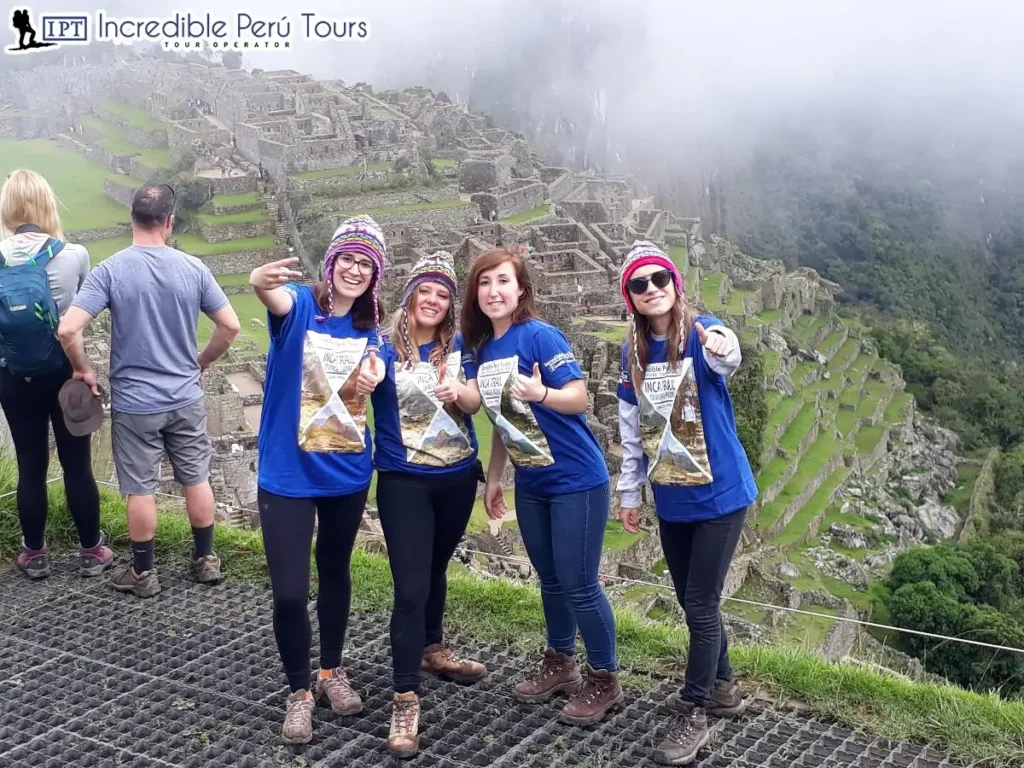
This is the historical route par excellence. It is the only path that allows you to reach Machu Picchu by walking directly through the Sun Gate (Inti Punku).
- The Highlight: History. You will walk on original stone paths built 500 years ago and visit multiple archaeological sites along the way (such as Wiñay Wayna) that cannot be seen any other way.
- The Vibe: A deep cultural immersion combined with the cloud forest landscape.
- Exclusivity: Requires permits that sell out 6 to 8 months in advance.
2. The Wild Salkantay Trek (5 Days)
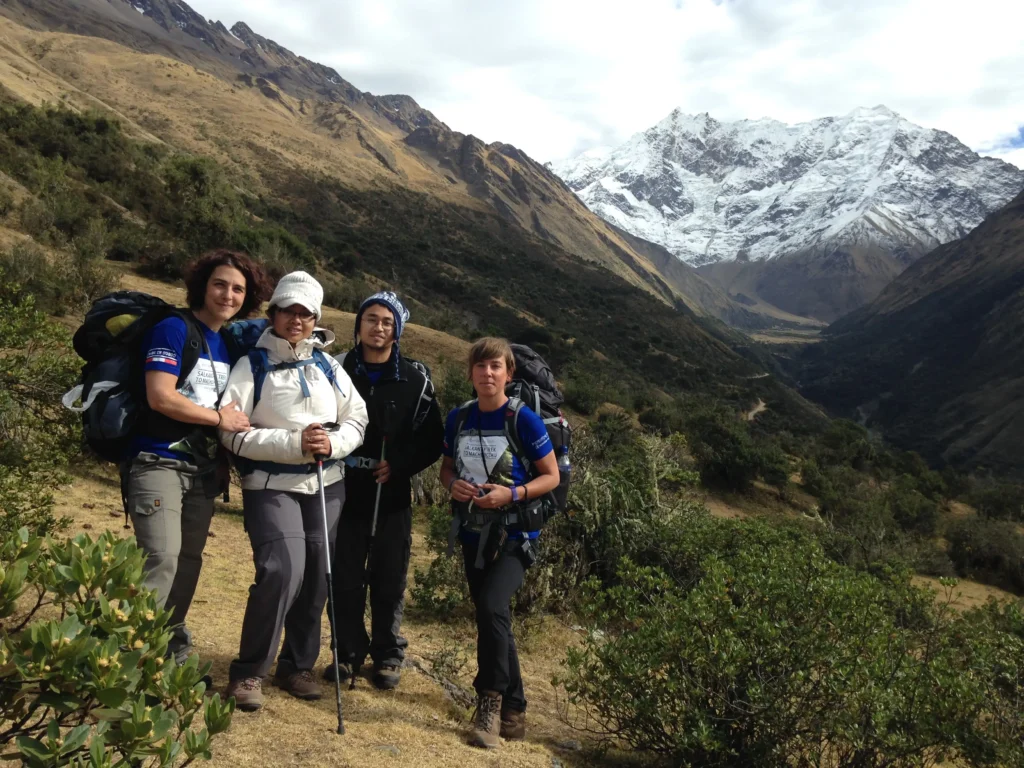
If the Inca Trail is history, Salkantay is pure, wild nature. It is considered by National Geographic as one of the best treks in the world due to its landscape diversity.
- The Highlight: Variety. One day you are at the foot of an imposing snow-capped peak, and the next you are in the middle of the high jungle surrounded by coffee plantations. It includes a visit to the famous Humantay Lake.
- The Vibe: High mountains, glaciers, and jungle. It is much less crowded than the Inca Trail.
- Flexibility: Generally does not require booking as far in advance (though it is always recommended).
Inca Trail vs Salkantay: Which one is better for you? Difficulty Comparison
This is the million-dollar question: Which one is harder? The answer depends on your physical strengths.
The physical challenge of Salkantay
In terms of pure endurance, Salkantay is harder.
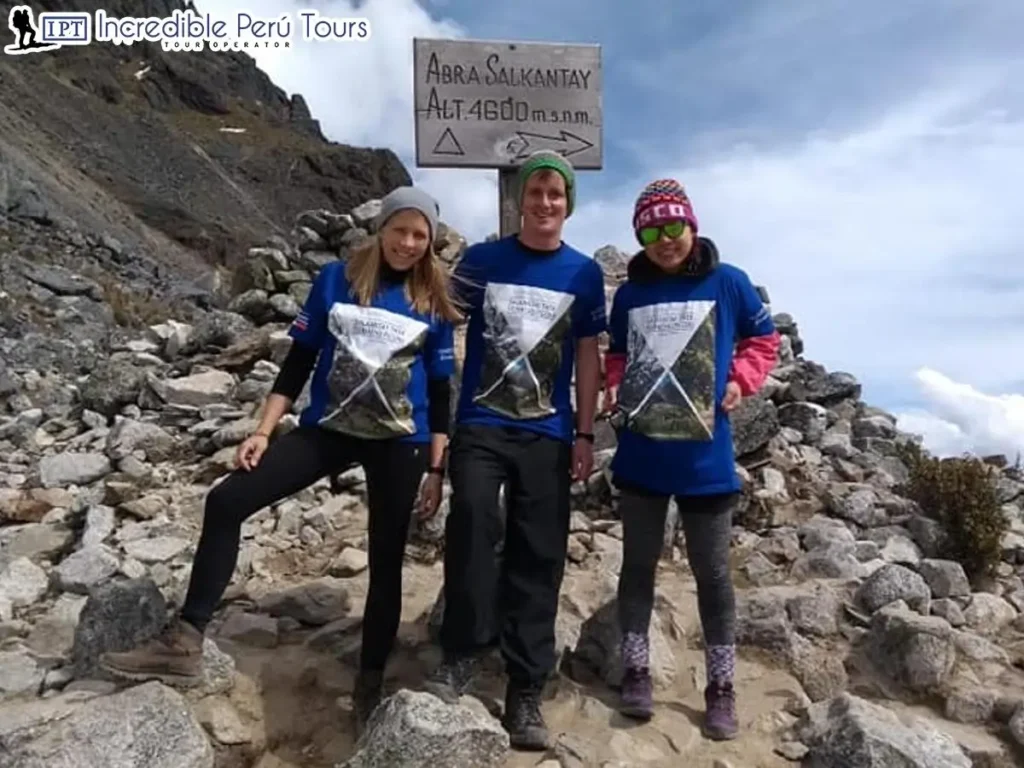
- Altitude: You reach higher elevations. The highest point is the Salkantay Pass at 4,630 m.a.s.l. (15,190 ft).
- Distance: You walk more kilometers (approx. 70 km / 43 miles in total) and the days are longer.
- Climate: It is colder at night, especially at the first campsite (Soraypampa).
The technical challenge of the Inca Trail
Although shorter (42 km / 26 miles), the Inca Trail is famous for its stairs.
- Steps: It is colloquially said there are thousands of stone steps, many of them steep and uneven. This is tough on the knees.
- Altitude: The highest point is Dead Woman’s Pass at 4,215 m.a.s.l. (13,828 ft) (slightly lower than Salkantay).
Verdict: If you are affected by altitude and cold, Salkantay will be a greater challenge. If you struggle with knee issues, the Inca Trail may cost you more.
Quick Facts: Technical Comparison
To help you visualize the differences, we have prepared this summary table:
| Feature | Classic Inca Trail | Salkantay Trek |
| Duration | 4 Days / 3 Nights | 5 Days / 4 Nights |
| Total Distance | 43 km (approx.) | 70 km (approx.) |
| Max Altitude | 4,215 m (Dead Woman’s Pass) | 4,630 m (Salkantay Pass) |
| Arrival at MP | Via Sun Gate (Hiking) | Via Aguas Calientes (Town) |
| Availability | Very Limited (Book 6+ months) | Flexible (Book 1-2 months) |
| Scenery | Inca ruins, Cloud forest | Glaciers, Lakes, High jungle |
Expert Tips from Incredible Peru Tours
As local experts operating these routes year after year, here are the “secrets” that don’t always appear in guidebooks:
- Acclimatization is Key: It doesn’t matter how fit you are in your home country. If you come from sea level, you need to spend at least 2 or 3 days in Cusco before starting either trek.
- Ideal Season: The best time for both routes is the dry season (May to October). Rains from January to March can make Salkantay dangerous due to landslides and the Inca Trail very slippery (note: the Inca Trail closes in February for maintenance).
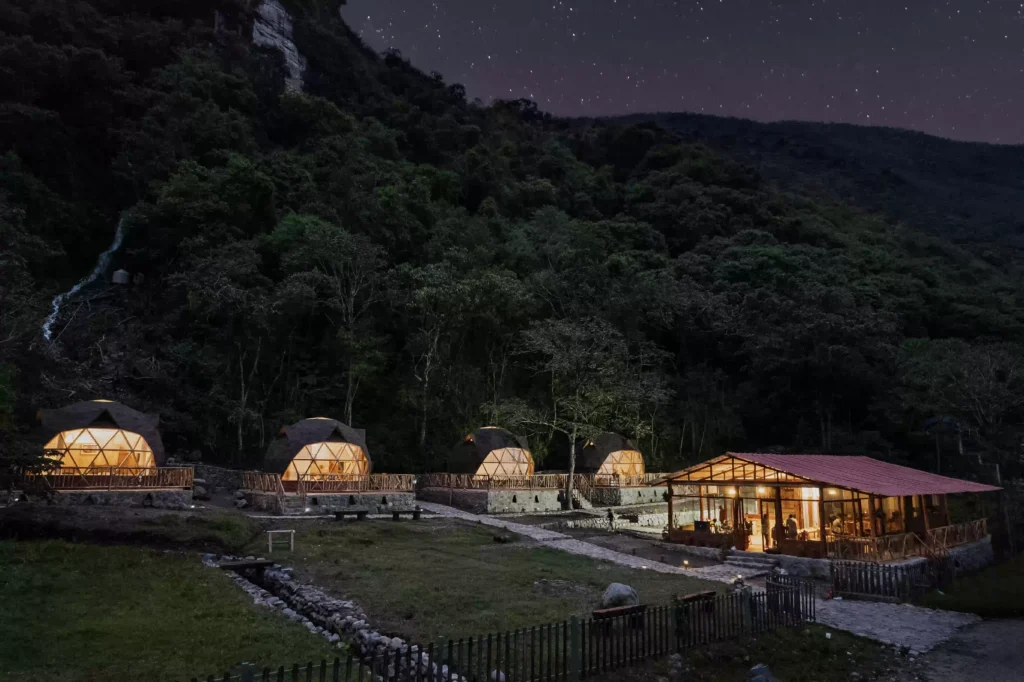
- The “Bathroom” Factor: On the Inca Trail, toilets are basic and public at campsites. On our Salkantay routes, it is possible to find accommodation options like Glass Domes or Sky Camps that offer private bathrooms and more comfort.
- Trekking Poles: On the Inca Trail, they are mandatory with rubber tips to avoid damaging the stones. On Salkantay, they are optional but highly recommended to protect your knees on steep descents.
Conclusion
So, going back to the initial question: Inca Trail vs Salkantay: Which one is better for you?
- Choose the Inca Trail if you are a history lover, want the classic experience of entering through the Sun Gate, and most importantly, if you have planned your trip well in advance.
- Choose the Salkantay Trek if you seek dramatic high-mountain scenery, want to see Humantay Lake, prefer to avoid crowds, and seek a greater physical challenge in contact with wild nature.


