
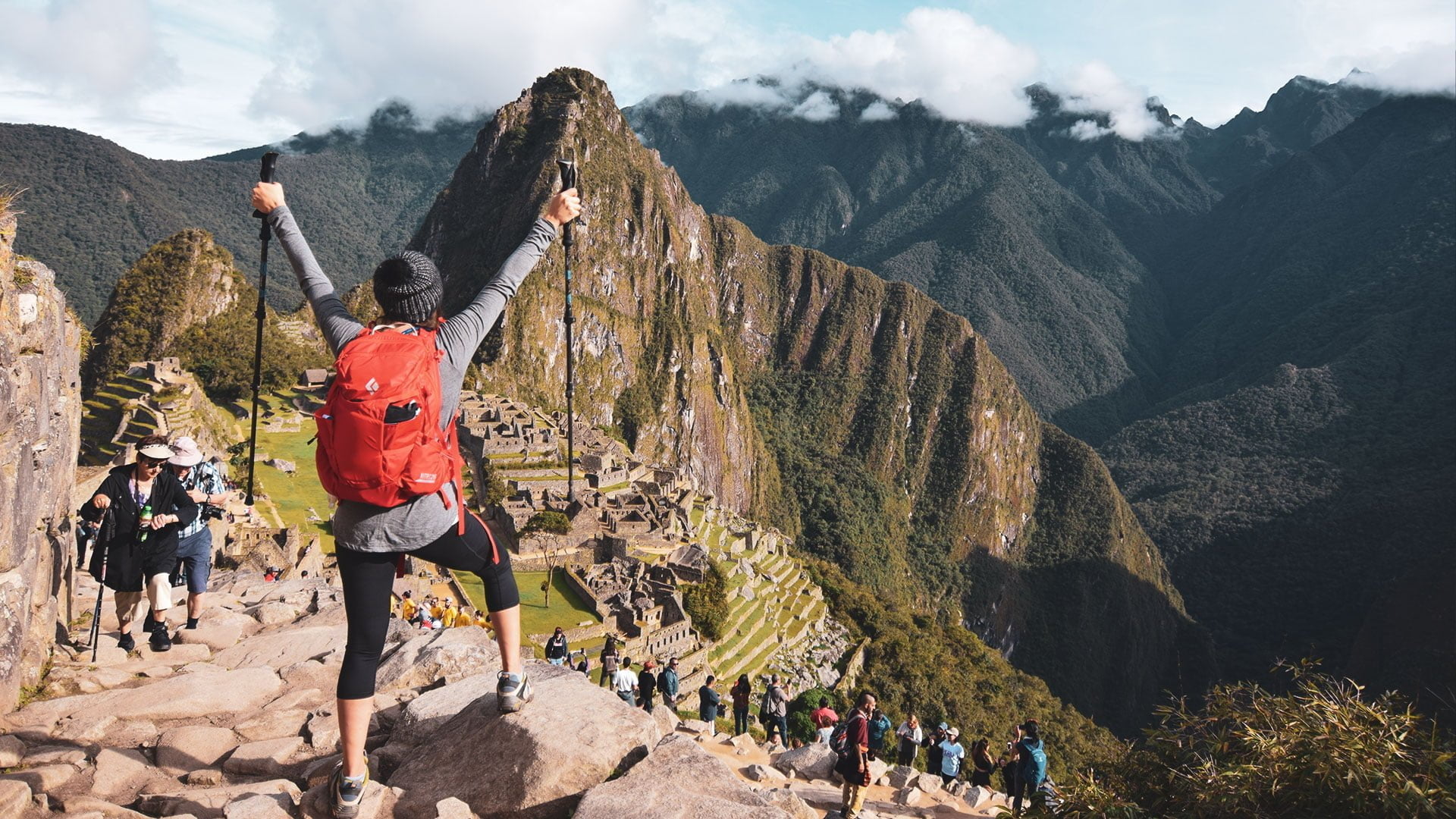
The Inca Trail is the most in-demand trekking route in South America and one of the most regulated in the world. Access is controlled by a permit system with a fixed daily quota, which means tickets sell out months in advance during the high season. Understanding how that system works, when to act, and what steps to follow makes the difference between doing the trek on the desired date or missing the opportunity entirely.
Why does the Inca Trail require a special permit?
The archaeological corridor that connects kilometer 82 with the Sun Gate is part of the Historic Sanctuary of Machu Picchu, a buffer zone with fragile ecosystems and archaeological sites that require controlled visitor management. The National Service of Natural Protected Areas by the State (SERNANP), an agency attached to Peru’s Ministry of the Environment, is the entity that manages the permits and sets the daily quotas allowed.
The current regulation limits entry to the classic Inca Trail to 500 people per day in total, a figure that includes tourists, certified guides, cooks, and porters. The quota reserved exclusively for tourists ranges between 200 and 250 people per day depending on the season, which makes this corridor one of the most access-restricted trekking routes in the world.
Types of Inca Trail permits
Permit for the classic Inca Trail (4 days / 3 nights)
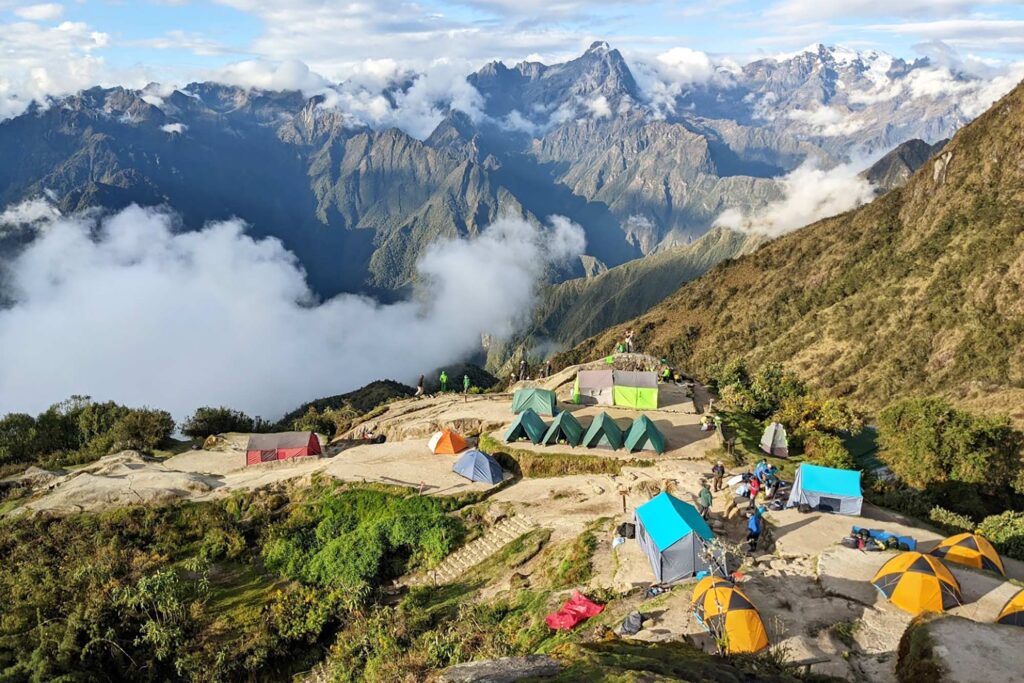
This is the most requested permit and the one that sells out the fastest. It covers the full route from kilometer 82 or Ollantaytambo to the citadel of Machu Picchu, passing through the archaeological sites of Llaqtapata, Runkurakay, Sayacmarca, Phuyupatamarca, and Wiñaywayna. The total distance is approximately 43 kilometers with a maximum altitude of 4,215 meters at the Warmiwañusca pass.
Permit for the short Inca Trail (2 days / 1 night)
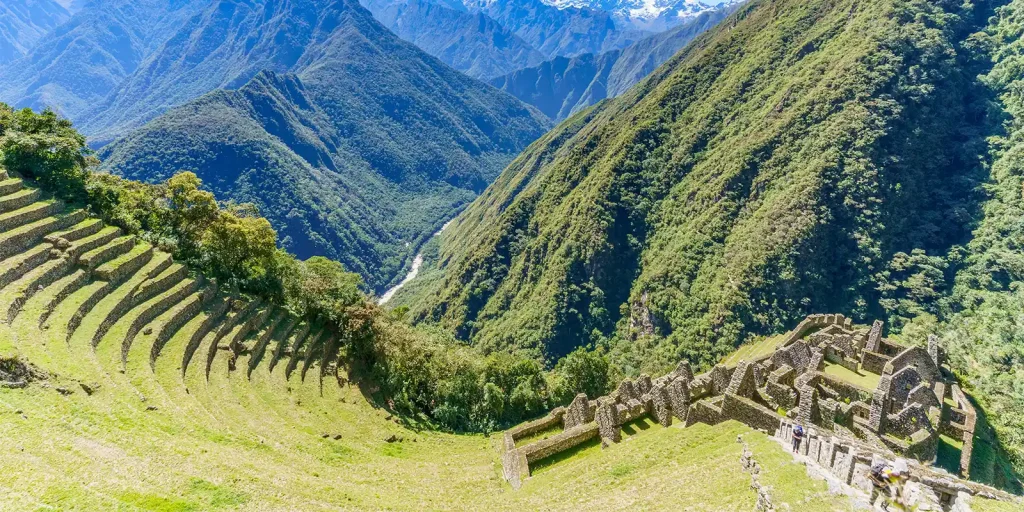
It covers the final section of the route from kilometer 104 to Machu Picchu, passing through the archaeological site of Chachabamba and the ruins of Wiñaywayna. It is an alternative for those who cannot commit to four days or cannot find availability for the classic permit. The daily quota for this variation is independent from the classic one, but it is also limited and also sells out.
Permit for the one-day Inca Trail (Wiñaywayna only)
There is a one-day access option that allows entry from kilometer 104 to Wiñaywayna and Machu Picchu without an overnight stay on the route. It is the option with the greatest relative availability, although during the high season the quotas still fill up weeks in advance.
When do permits open for each year?
SERNANP releases the quotas for the following year in October of the current year. In other words, permits for the year 2026 began to be available in October 2025. This is the key date that determines the entire booking process.
Authorized agencies can manage bookings from that moment for any date in the following year. Groups that act in October secure the best dates and the most convenient schedules. Those who wait until December or January to book for the high season usually find very little availability left.
How far in advance should you book?
The answer depends directly on the time of year when you want to do the trek:
| Season | Recommended months in advance |
|---|---|
| June, July, and August (high season) | 5 to 6 months minimum |
| May and September | 3 to 4 months |
| March, April, and October | 2 to 3 months |
| November and December | 1 to 2 months |
| January (reopening after maintenance) | 2 to 3 months |
| February | Closed for official maintenance |
July is the month with the highest demand of the year. Spots for July for medium and large groups usually sell out before December of the previous year. Booking in October for July of the following year is not an exaggeration; it is simply the only way to secure the date.
The February closure: official trail maintenance
Every year, throughout the entire month of February, the Inca Trail remains closed to the public by official order. The closure corresponds to the period of greatest rainfall of the year and allows the brigades of the Ministry of Culture and SERNANP to carry out maintenance work on the trails, drainage systems, and archaeological structures along the corridor.
The closure applies to all modalities: the classic four-day trail, the short two-day trail, and one-day access. The official reopening takes place on March 1, although the exact date may vary in years of exceptionally intense rainfall.
Those planning trips in February have alternative routes available such as Salkantay, the Lares route, or the Inca Jungle Trail, which are not subject to an official monthly closure.
Who can sell Inca Trail permits?
Inca Trail permits cannot be purchased directly at SERNANP offices or through individual sales portals. The system requires that every booking be processed through an authorized travel agency registered with the Ministry of Foreign Trade and Tourism of Peru (MINCETUR).
This has an important practical implication: there is no direct sale of permits to the independent traveler. Anyone who wants to access the Inca Trail must do so through an organized package with an authorized agency that manages the reservation with SERNANP.
Authorized agencies have access to the SERNANP booking system and can check real-time availability for specific dates. When booking a package, the agency processes the permit in the traveler’s name using the passport details.
Information needed to process the permit
The Inca Trail permit is strictly personal and non-transferable. To process it, the following is required:
- Valid passport number
- Full name exactly as it appears on the passport
- Date of birth
- Nationality
- Fare category: general adult, university student with a valid ISIC card, or Peruvian citizen
Once the permit has been issued, it is not possible to change the holder’s name or the entry date. If the passport expires and is renewed between the booking and the trekking date, the new document number invalidates the previous permit and requires a new one to be processed, subject to availability.
Inca Trail permit fees
The fees are set by SERNANP and correspond only to the right of access to the protected corridor. They do not include a guide, transportation, meals, or any other service in the tour package:
| Category | Approximate fee |
|---|---|
| Foreign adult (classic 4-day trail) | $152 USD |
| Foreign student with ISIC (4 days) | $77 USD |
| Peruvian citizen (4 days) | S/ 70 – S/ 90 PEN |
| Foreign adult (short 2-day trail) | $75 USD |
These fees correspond exclusively to the access permit and are subject to adjustments by SERNANP. The total cost of the four-day package also includes transportation, certified guide, meals, camping equipment, porters, and the return train ticket from Aguas Calientes.
How the booking process works step by step
1. Define the date in advance
Before contacting any agency, it is necessary to be clear about the trek start date. Permits are issued for a specific entry date at kilometer 82, and that date cannot be modified once the reservation has been processed.
2. Check availability
An authorized agency can check real-time availability for the chosen date. During the high season, it is common for there to be zero availability for certain dates, in which case you have to choose between alternative dates or consider routes without restricted quotas.
3. Provide passport details
All members of the group must provide the exact passport information before the agency processes the reservation. Without that information, it is not possible to begin the process.
4. Make the payment
Most agencies require an initial deposit to block the spots, with the remaining balance payable before a deadline. The deposit usually covers the cost of the official permit because that amount is paid to SERNANP and is non-refundable once issued.
5. Receive the permit confirmation
Once the reservation has been processed, SERNANP issues the confirmation with the holder’s information. The agency delivers that documentation to the traveler before the trek begins. At the control points along the trail, the document is checked together with the physical passport.
Control points on the route
Along the Inca Trail there are several verification points where SERNANP staff check the permits. The main ones are:
- Kilometer 82 or Piscacucho: official entry to the protected corridor, first verification point
- Wayllabamba: intermediate checkpoint at the beginning of the ascent to Warmiwañusca
- Wiñaywayna: checkpoint before the final section toward the Sun Gate
- Sun Gate (Inti Punku): last point before entering Machu Picchu through the historic route
At each of these points, the permit is matched against the holder’s physical passport. Entry is not allowed with expired documents or with permits whose passport number does not match the document presented.
Special situations and common mistakes
Error in the passport number
This is the most common problem and the hardest to solve. If the passport number was entered incorrectly at the time of booking, the permit becomes linked to a non-existent document. SERNANP can correct minor typographical errors in some cases, but it does not guarantee correction and the process may take days. The only way to avoid it is to verify every digit twice before confirming the reservation.
Passport renewal after booking
If the passport expires and is renewed after the permit has been issued, the number changes and the original permit becomes invalid. The solution is to process a new permit with the updated number, subject to availability on the original date. If there are no spots available, it is not possible to recover the date. In that scenario, the only alternative is to change the trekking date or choose a route without restricted quotas.
Cancellations and refunds
The Inca Trail permit is non-refundable once issued by SERNANP. Some agencies offer cancellation insurance that covers the cost of the package, but the official permit fee is rarely included in that coverage. Before confirming the reservation, it is advisable to review the operator’s cancellation policy in detail.
Large groups
For groups of ten or more people, the availability of permits on the same date can be a limiting factor during the high season. It is common for the quotas for a specific date to be spread across different entry time ranges. An experienced agency can manage that logistics, but it needs time: the larger the group, the more advance notice the reservation requires.
What happens if I cannot get a permit for the Inca Trail?
If the quotas are sold out for the desired date, there are three real options:
Change the date: during the low season (March, April, October, November), availability is considerably greater. Adjusting the trip by one or two weeks may be enough to find available spots.
Choose the short two-day trail: it has a quota independent from the classic trail and there is often availability when the four-day trail is already sold out. It allows you to reach Machu Picchu by the historic route and enter through the Sun Gate, which is the most iconic part of the journey.
Opt for an alternative route: Salkantay, the Lares route, the Inca Jungle Trail, and the Huchuy Qosqo route do not require a limited-quota permit and offer access to Machu Picchu without date restrictions. None of these alternatives pass through the same archaeological sites as the classic Inca Trail, but all of them offer top-level Andean scenery and the same arrival at the citadel.
Frequently asked questions about Inca Trail permits
Can I buy the Inca Trail permit on my own without an agency? No. The SERNANP system does not allow direct sales to the individual traveler. The permit can only be processed through an authorized agency registered with MINCETUR.
Does the permit include entry to Machu Picchu? No. The Inca Trail permit covers access to the protected corridor of the Historic Sanctuary up to the Sun Gate. The entrance ticket to the Machu Picchu citadel is a separate document and also has a limited quota. Both must be arranged in parallel.
Can I transfer my permit to someone else if I cannot travel? No. The permit is non-transferable. It is linked to the holder’s passport number and cannot be assigned or sold to third parties.
What happens if I arrive at kilometer 82 without a permit hoping to enter? Access is not allowed. The control points are physical, and SERNANP staff verify each permit against the identity document. There is no possibility of buying a permit on-site or entering without the corresponding documentation.
Do minors need a permit? Yes. Every person entering the protected corridor, regardless of age, needs their own permit in the name of their identity document or passport. For foreign minors, the minor’s passport number is used.
Is there a price difference between starting at kilometer 82 and in Ollantaytambo? Kilometer 82 (Piscacucho) and kilometer 88 (Chillca) are the most common starting points of the classic trail. Some groups depart from Ollantaytambo by vehicle until they reach kilometer 82. The permit is the same regardless of the arrival point at the start of the route.
Can the Inca Trail be done in three days instead of four? Not officially. The standard permit covers four days with three nights of camping. The walking pace is adjusted to that schedule. Some groups with high physical fitness complete the route in three days, but the permit remains the same and the campsites are assigned by stages.


