
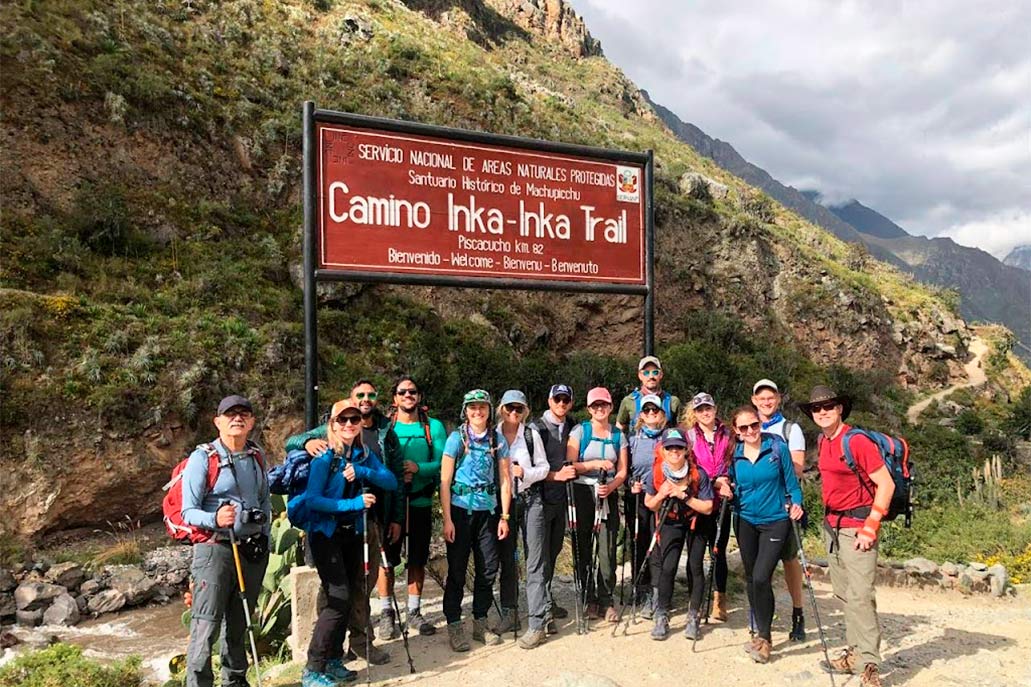
Choosing the right month to hike the Inca Trail is not a minor detail. The weather in the Cusco region and the Sacred Valley changes dramatically from one season to another, and those differences directly affect the experience on the trail: visibility at the mountain passes, trail conditions, nighttime temperatures at camp, and in some cases, access to the route itself.
The good news is that the Inca Trail can be enjoyed at any time of year except February, which is the only month when the route closes completely. The key is understanding what each season offers, what you give up, and what you gain depending on the month you choose. This guide explains it with the clarity that a decision like this deserves, because it may define the trek of a lifetime.
The two seasons: what exactly are we talking about?
The climate calendar in the Cusco region is fairly clearly divided into two periods. The dry season runs from May to October, with June, July, and August being the most stable core months of the year. The rainy season lasts from November to March, with December, January, and February bringing the highest rainfall. April and November are transitional months: technically outside the peak wet period, but still with weather patterns that are not entirely predictable.
These two seasons define not only the weather in Cusco, but also the number of tourists on the Inca Trail, package prices, permit availability, and the kind of landscape you will find along the route. These are four different variables that move together and should be understood as a whole, not in isolation.
Dry season (May to October): why it’s the most popular
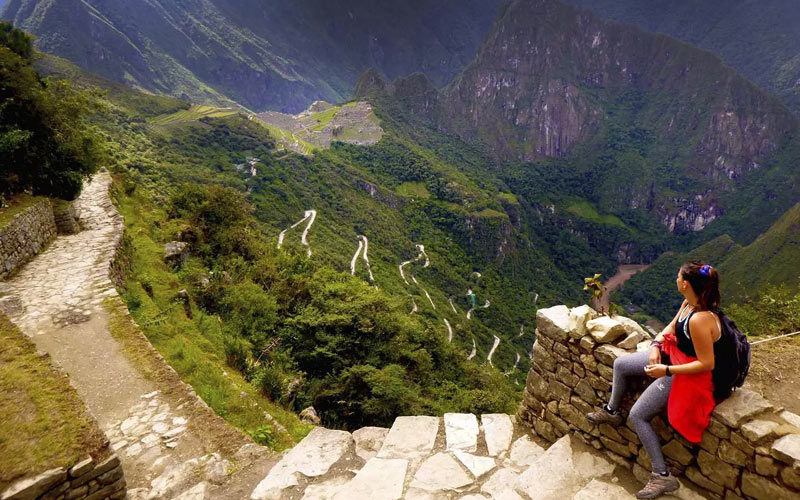
The dry season has one advantage that no other time of year can match: predictable weather. Between May and October, especially during the central months from June to August, most days on the Inca Trail are sunny, with clear skies that allow you to see the snow-capped peaks of the Andes from the mountain passes and photograph Machu Picchu from Inti Punku without the fog that covers the site during much of the wet season.
The trail at this time of year is dry and firm. The Inca stone path, which can become slippery with rain and wet moss, stays in excellent condition for hiking safely and at a good pace. Nights are colder and can drop below freezing at the camps on the second and third days, but the clear skies that come with them are a trade-off that is hard to appreciate until you see it in person: the night sky at more than 11,500 feet above sea level, with no light pollution and the silence of the mountains all around, is one of those experiences that was not on the itinerary but ends up being one of the most memorable parts of the trip.
The downside of that weather predictability is overcrowding. June, July, and August are the busiest months for tourism in all of Peru, and the Inca Trail is no exception. Access permits for those three months usually sell out four to five months in advance. Anyone wanting to hike the Inca Trail in July, for example, needs to have a confirmed reservation before March. Anyone arriving in May hoping to book for August will most likely find no permits available.
Month by month in the dry season: which one to choose based on your situation
May opens the dry season with a triple advantage: the landscape still keeps the intense green of the last rains, the days are sunny, and tourist traffic has not yet reached its peak. It is one of the most recommended months for those who can choose freely. Permits are more available than in the following months, and package prices have not yet climbed to high-season levels.
June, July, and August are the highest-demand months and the most weather-reliable. Inti Raymi, the Inca Festival of the Sun held in Cusco on June 24, attracts an additional wave of visitors that makes June especially crowded. If your goal is to avoid crowds at the archaeological site upon arrival, these three months are not the best choice. If, on the other hand, weather stability is your absolute priority and you have booked well in advance, they are perfectly valid months.
September and October are transitional months heading toward the wet season, and many experienced travelers consider them among the best times of the year to do the trek. Visitor numbers drop noticeably compared to the austral winter peak, prices begin to ease, permit availability improves, and the weather remains fairly stable. Toward the end of October, the first short afternoon rains begin to appear, but they rarely affect the trek in a significant way if you start early each morning.
Rainy season (November to March): what no one tells you
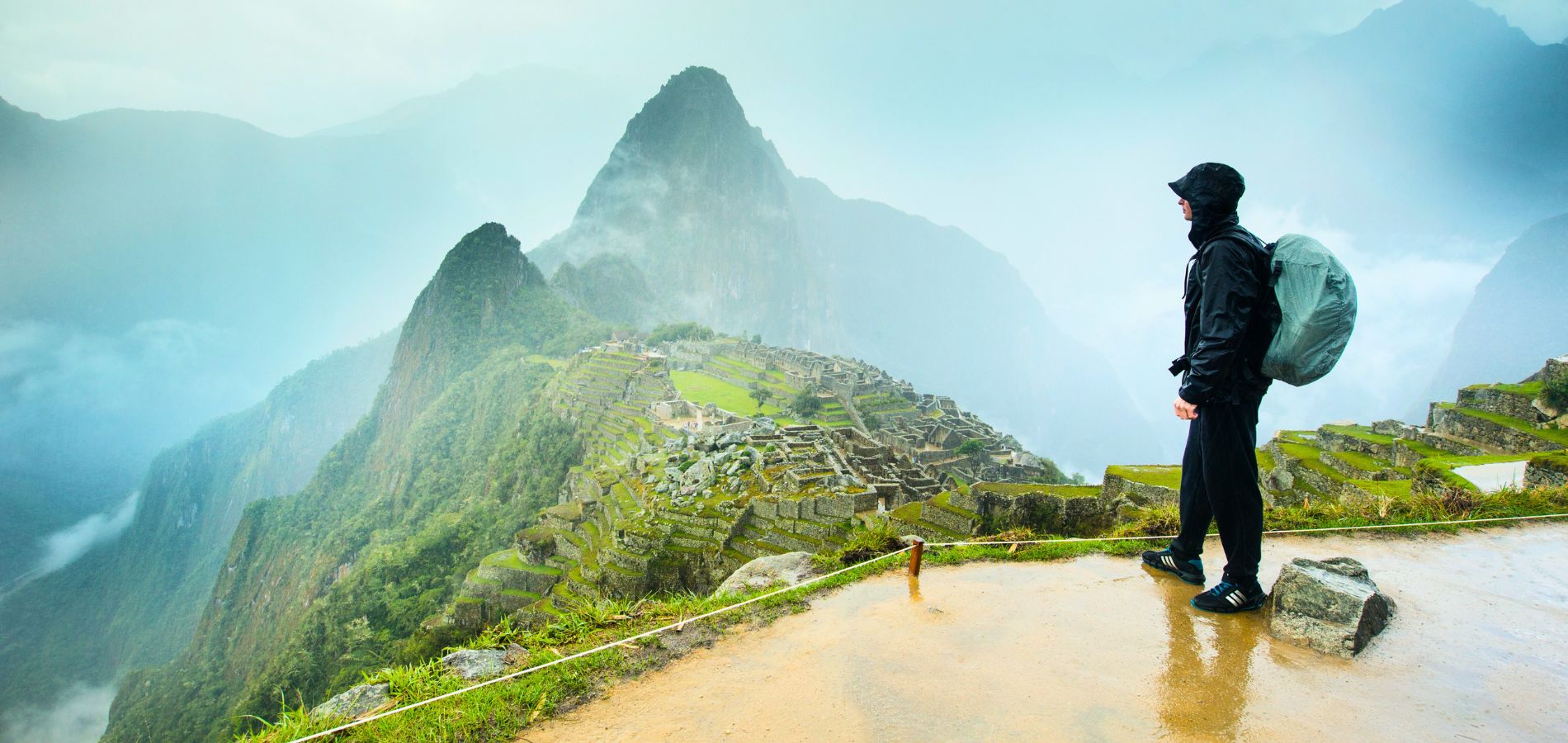
The wet season has a reputation that is partly deserved and partly unfair. It is true that it rains, that some sections of the trail become slippery, and that visibility at panoramic viewpoints can be zero during periods of heavy precipitation. But it is also true that most articles advising against this time of year deliberately ignore what the rain brings to the Inca Trail.
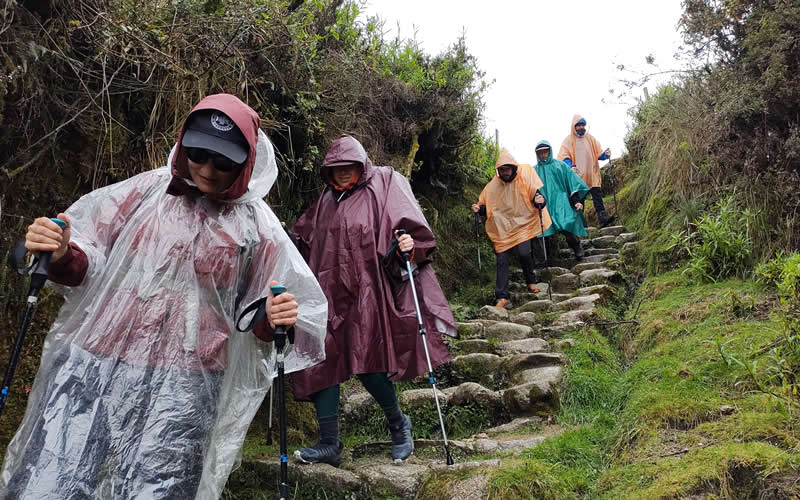
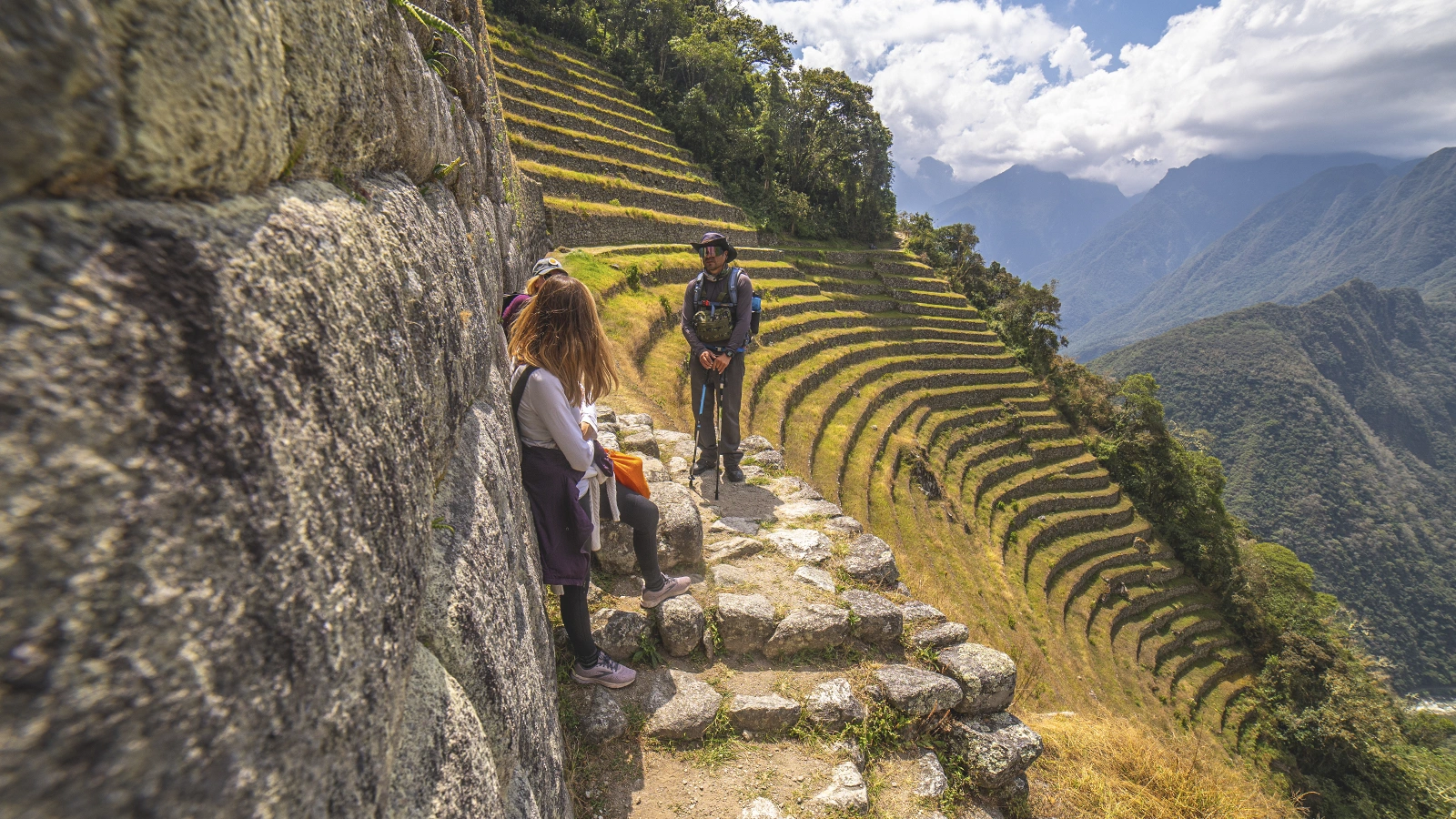
The trail in the wet season has a kind of plant life that does not exist during the dry months. The flora in the middle sections between camps, which looks dull and cracked in the dry season, bursts with such intensity of color and texture during the rainy months that it turns the trek into something visually completely different. The wild orchids that give Wiñay Wayna its name are in bloom. The moss on the Inca stones shines with a depth of green that no photo filter can truly replicate. The streams that are little more than threads of water in August become rushing flows in January, heard from the trail long before you reach them.
The rainfall pattern is also less chaotic than many people imagine. On most days during the wet season, rainfall is concentrated in the afternoon and at night. Mornings often have partly clear skies or low fog that lifts around midday. If you leave camp early, which is standard practice on all Inca Trail treks regardless of season, the chances of walking in heavy rain are lower than the name “rainy season” suggests.
Month by month in the wet season: what makes each one different
November marks the beginning of the wet season and is one of the most interesting months of the year. Rain starts to be noticeable, but it is still moderate and often limited to short afternoon showers. The trail is beginning to turn green, groups are small, and package prices drop noticeably compared to previous months. For travelers with flexible dates, November offers a very reasonable balance between weather, availability, and cost.
December brings heavier rain but still offers mornings that are often usable. The Christmas and New Year period attracts more tourists than usual for the low season, which can temporarily raise lodging prices in Cusco and Aguas Calientes. Outside of those specific dates, December is a peaceful month on the trail with lush scenery.
January and March are the months with the heaviest rainfall along with February. The Inca Trail in January and March remains open and is perfectly hikeable with the right gear, but it requires more preparation and greater tolerance for weather uncertainty. In return, solitude on the trail is almost total, and the vegetation reaches its peak in density and color.
February is the only month of the year when the Inca Trail is completely closed. The Ministry of Culture shuts access for the entire month for infrastructure maintenance and because of the risks created by peak rainfall. There are no exceptions, no special permits, and no alternate version of the trail that allows you to do the regulated route during this period. If your trip falls in February, the Salkantay Trek or the Inca Jungle Trail are alternatives that still reach Machu Picchu without going through the regulated section.
What changes in the experience depending on the season: an honest summary
- Panoramic visibility: Best in the dry season, especially from June to August. In the wet season it can be limited at the highest passes, although early mornings often offer windows of visibility.
- Trail conditions: Firm and dry from May to October. More slippery and muddy on dirt sections from November to March. Footwear with good traction is essential year-round, but critical in the wet season.
- Nighttime temperature: Colder in the dry season, especially in July and August, when it can drop several degrees below freezing at the highest camps. In the wet season, nights are milder but more humid.
- Vegetation and scenery: Dry and muted from June to August. Deep green and full of blooming flora from November to March.
- Visitor numbers: High from June to August, very low from November to January, moderate in the transition months.
- Permit availability: Low in high season and requires booking months in advance. High in the wet season, with the possibility of booking just a few weeks ahead.
- Package prices: Higher from June to August. More affordable from November to January and during the transition months of April and October.
- Access: Open from March to January. Closed in February without exception.
So, when is the best time really? A clear answer
If you are looking for the best combination of stable weather, solid trail conditions, and reliably photogenic scenery, May and September are the two most balanced months of the year. They offer most of the advantages of the dry season sunny days, firm ground, good visibility without the crowds and prices that define July and August.
If what you want is solitude, reasonable prices, and a level of visual intensity that the dry season simply cannot offer, November and March are the most interesting months of the wet season. Rain is present, but manageable, groups are minimal, and the route has a completely different character from the peak dry months.
If you simply cannot choose the month and your dates are fixed because of work or family, any month between March and January has its own value. The Inca Trail is an experience that does not depend exclusively on the weather to be extraordinary. It depends on preparation, attitude, and the agency you go with. The ideal month is the one that allows you to be there.
Do you want to know whether the dates you have in mind are good for the Inca Trail, or whether you need to adjust them? At Incredible Peru Tours, we guide you based on your schedule, your group size, and the kind of experience you are looking for.


