
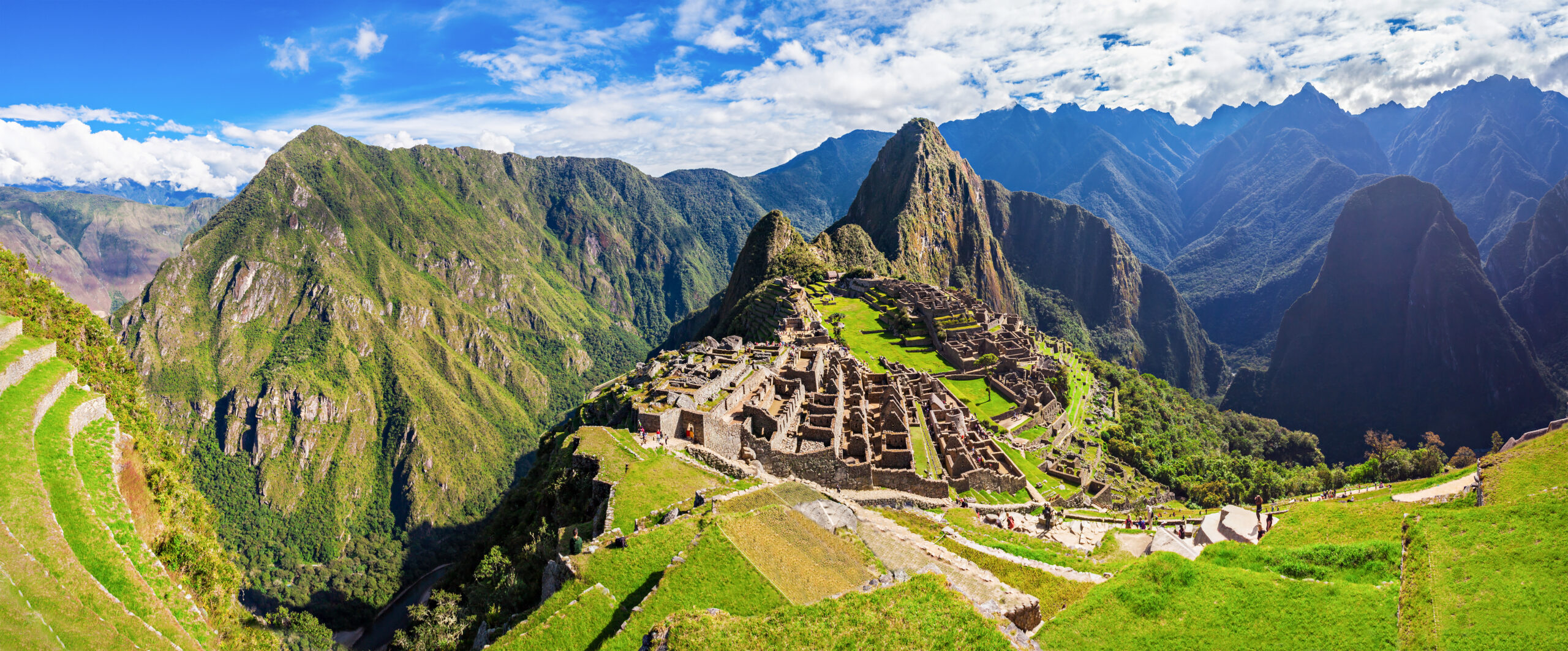
Few places in the world generate as much fascination as Machu Picchu. This Inca citadel, built over 500 years ago in the heart of the Peruvian Andes, remains one of the most visited destinations. Understanding its history is key to why travelers from all over the world make this journey something unique and unforgettable.
What is Machu Picchu and Why is it Considered One of the Most Iconic Places in the World?
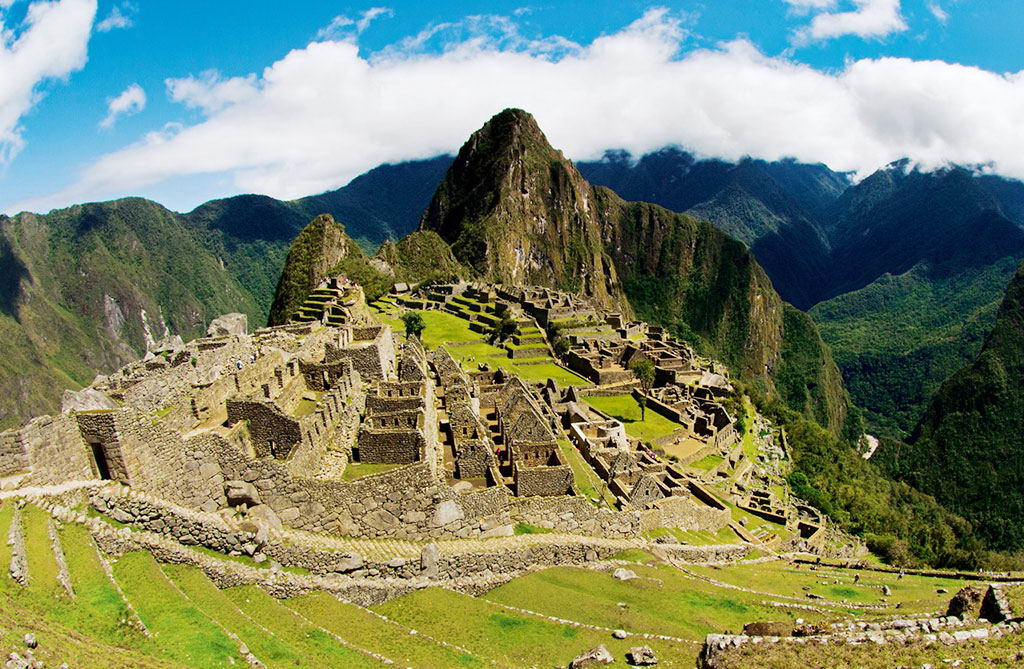
Machu Picchu is an ancient Inca citadel located 2,430 meters above sea level in the Cusco region of Peru. It was built around 1450 AD and has been recognized as one of the Seven Wonders of the Modern World since 2007. Its significance lies not only in its monumental architecture but also in the level of urban planning, applied astronomy, and water management that the Incas achieved on an extremely complex mountainous terrain.
The History of Machu Picchu
The history of Machu Picchu is brief in time but immense in meaning. It was inhabited for only a few decades before being abandoned, and for nearly four centuries, it remained hidden under the vegetation of the high Andean jungle. Despite its short period of occupation, the remnants left by its builders reveal a technical and cultural mastery that still amazes engineers and archaeologists worldwide.
Who Built Machu Picchu? The Role of Pachacuti and the Inca Empire
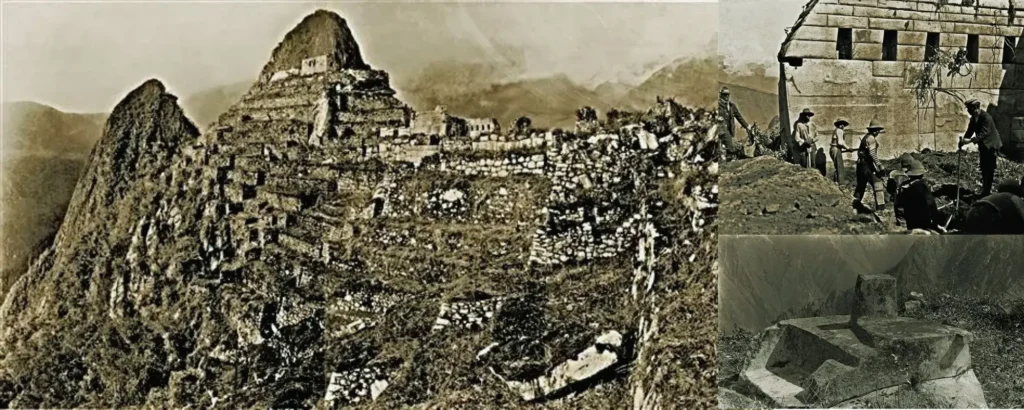
The construction of Machu Picchu was ordered by the Sapa Inca Pachacuti, the ninth ruler of the Inca Empire, and considered its greatest conqueror and urban planner. He transformed Cusco into the capital of the Tawantinsuyu and ordered the construction of this citadel as a royal residence and ceremonial center. The workers who built its more than 150 structures used a technique called dry-stone masonry: stones carved with such precision that they fit together without the need for mortar, a system that still withstands the frequent earthquakes in the region today.
The Strategic Location of Machu Picchu: Between the Andes and the Amazon
Machu Picchu was not built in its location by chance. The citadel sits on a mountain ridge that connects the Andes with the Amazon Basin, a position that the Incas considered both sacred and strategic. From there, it visually controls the Urubamba River valley, and the natural surroundings act as a natural defense barrier. Furthermore, the orientation of its main structures responds to astronomical events like the solstices, confirming that its location was chosen with a precise and deliberate purpose.
The Mystery of the Abandonment of Machu Picchu: Why Was It Left Behind?
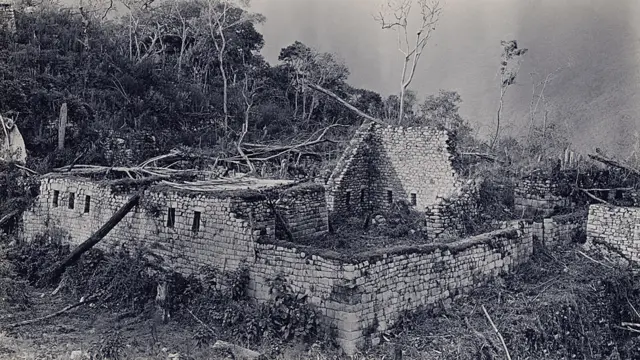
Around 1532, with the arrival of Spanish conquistadors in Peru, Machu Picchu was abandoned. Researchers estimate that its inhabitants left in an orderly fashion, not as a result of an attack, but as a political and strategic decision to protect the site. Another theory suggests that a smallpox epidemic, brought by the Europeans, decimated the population before the Spanish could reach the site. What is certain is that the citadel was left empty, and the jungle covered its stones for almost 400 years.
The “Rediscovery” of Machu Picchu: Hiram Bingham and the Year 1911
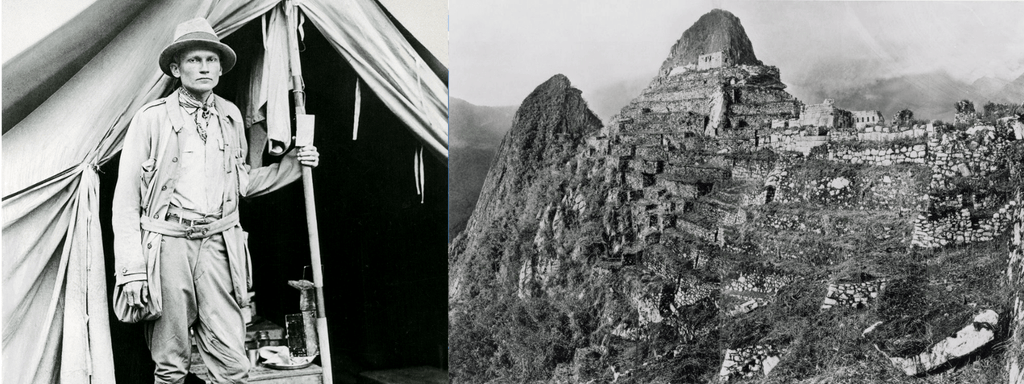
July 24, 1911, marks the date of the so-called “rediscovery” of Machu Picchu for the Western world. On that day, American explorer and academic Hiram Bingham arrived at the site guided by a local farmer named Melchor Arteaga, who was already well aware of the ruins’ existence. Bingham was astonished by what he found and organized subsequent expeditions to document and excavate the site, making it internationally known through National Geographic magazine in 1913.
Who Was Hiram Bingham and What Role Did He Play in the Discovery of Machu Picchu?
Hiram Bingham III was a professor of Latin American history at Yale University and an amateur explorer. His 1911 visit was not a “discovery” in the strict sense: the local people had always known about the ruins. However, it was Bingham who documented, photographed, and presented them to the international scientific community, turning Machu Picchu into a global study topic. His figure remains controversial, especially because he took hundreds of archaeological pieces to Yale, objects that Peru claimed for decades and began to repatriate starting in 2011.
The Discovery of Machu Picchu: Impact on History and Science
Bingham’s publication of his research in 1913 changed the world’s perception of pre-Columbian civilizations. Machu Picchu demonstrated that the Andean peoples had reached a level of architectural, hydraulic, and astronomical development comparable to other great ancient civilizations. Since then, the site has been continuously studied and has reshaped many theories about the true extent of the Inca Empire.
Why Was Machu Picchu Not Known by the Spanish Conquistadors?
The most accepted answer is that its remote location and early abandonment protected Machu Picchu from the conquistadors. Being nestled in an area with difficult access, between snow-capped peaks and dense jungle, the Spanish never reached it during the conquest of Peru. Unlike Cusco or Cajamarca, which were looted and partially destroyed, Machu Picchu kept its structures intact because no one from outside the area knew about its existence for centuries.
Machu Picchu and Modern Archaeology: Conservation and Study Work
Today, Machu Picchu is an active archaeological site where researchers from the Ministry of Culture of Peru and international teams work permanently. Efforts are focused on consolidating walls, draining the soil to prevent landslides, and studying still unexcavated areas. Visitor entry is regulated through a capacity system and defined circuits to reduce the impact on the structures and ensure long-term preservation.
The Recognition of Machu Picchu as a UNESCO World Heritage Site
In 1983, UNESCO declared Machu Picchu a World Heritage Site, recognizing its exceptional value both culturally and naturally. This distinction boosted protection policies for the site and solidified its place on the world tourism map. Since then, Peru has developed progressive regulations to control access, limit the daily number of visitors, and ensure that future generations can continue experiencing this extraordinary testament to Inca civilization.


