
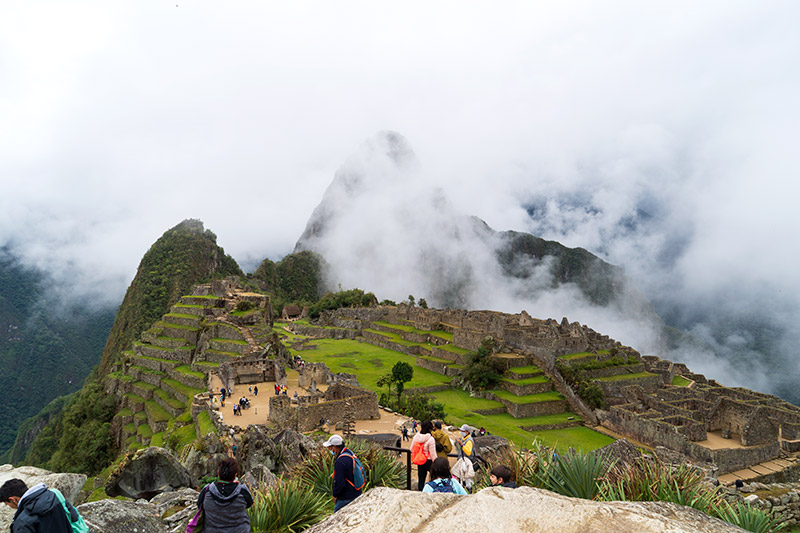
To get from Lima to Machu Picchu, you must first arrive in Cusco. Then you need to travel to Ollantaytambo or take a train service from the Cusco area, continue to Machu Picchu Pueblo, also called Aguas Calientes, and finally go up to the entrance of Machu Picchu by bus or on foot.
There is no direct route from Lima to the entrance of Machu Picchu. The best itinerary depends on your available time, budget, physical condition, and entry time to the Inca citadel. For that reason, it is best to organize the trip as a sequence of segments rather than as one single transfer.
How to get to Machu Picchu from Lima step by step
The most common route for travelers visiting Machu Picchu for the first time is: Lima to Cusco, Cusco to Ollantaytambo or the train station, train to Aguas Calientes, and bus or hike to the entrance of Machu Picchu.
This route allows you to combine speed, service availability, and better schedule control. It also makes it easier to adjust the trip according to your entrance ticket, the train you choose, and where you will stay the night before the visit.
First segment: Lima to Cusco
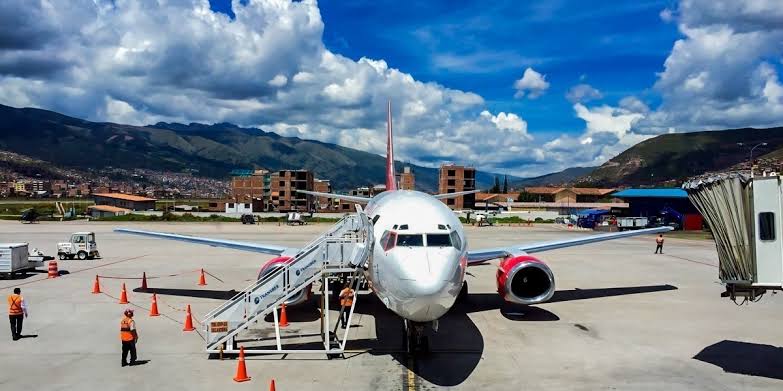
The first goal is to get from Lima to the city of Cusco. The fastest way is usually by plane, since it allows you to begin the route to Machu Picchu the same day or the next day, depending on your arrival time.
It is also possible to travel by bus from Lima to Cusco, but the journey takes much longer and can be tiring because of the distance, curves, and change in altitude. If you have only a few days, flying is usually the most practical option.
Second segment: Cusco to Ollantaytambo or the train station
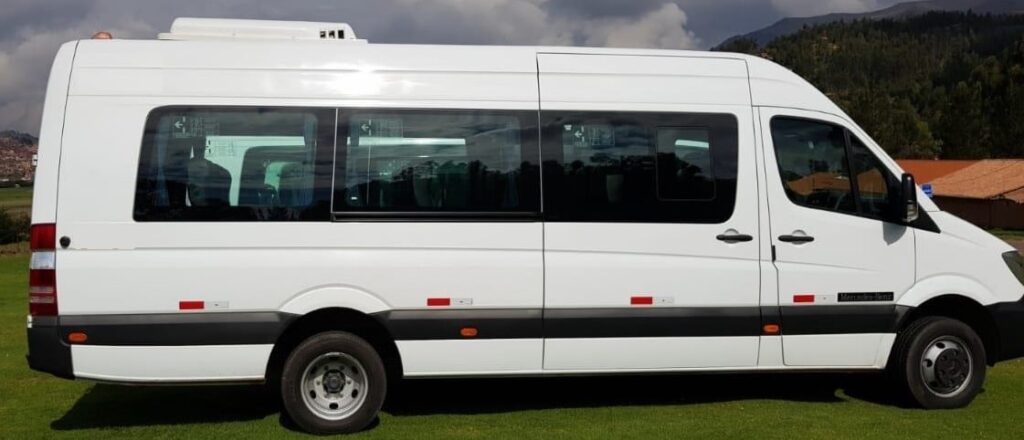
From Cusco, many travelers go to Ollantaytambo to take the train to Machu Picchu Pueblo. Ollantaytambo is one of the most commonly used stations because it connects well with the route to Aguas Calientes.
There may also be bimodal services or departures from stations near Cusco, depending on the season and current operation. Before buying or boarding, carefully check the exact departure point shown on your ticket.
Third segment: train to Aguas Calientes
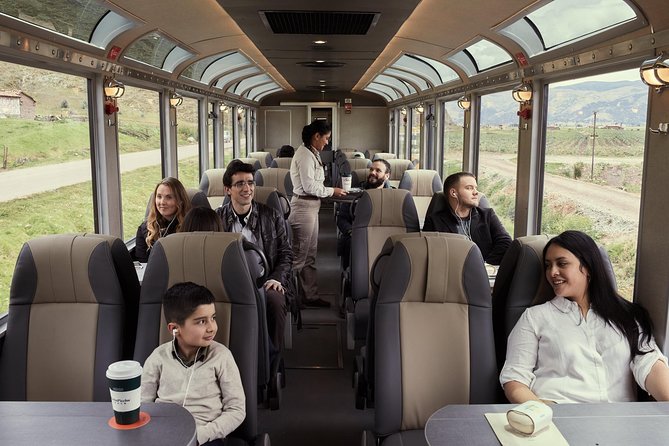
The train arrives in Machu Picchu Pueblo, known as Aguas Calientes. This is the base town for visiting the Inca citadel and the place where many travelers spend the night before their entry.
It is best to buy train tickets in advance, especially during high season. Availability can change, and the most convenient schedules often sell out earlier, especially if your Machu Picchu entry is early in the morning.
Final segment: bus or hike to Machu Picchu
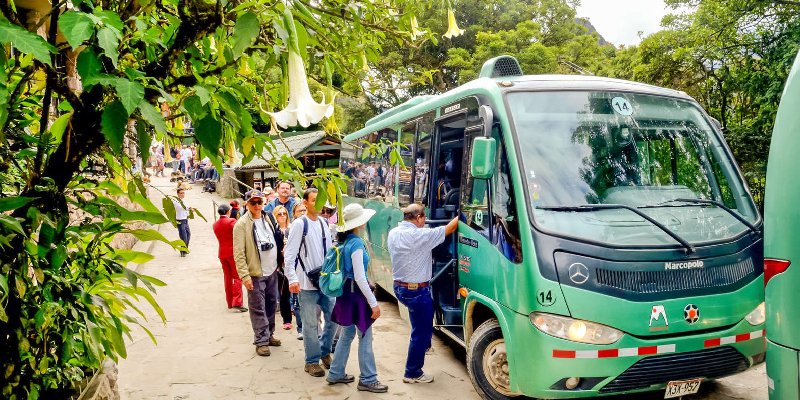
From Aguas Calientes, you can go up by bus to the entrance of Machu Picchu or hike along the permitted route. The bus is the fastest and most comfortable alternative for most travelers.
The hike requires more time and better physical condition. It can be a valid option if you have enough margin, but it should not be underestimated, especially if you have a fixed entry time or have already been traveling for several days.
Best routes to get to Machu Picchu from Lima
The best routes to get to Machu Picchu from Lima differ by time, comfort, and budget. The most practical option combines a flight, transfer to the Sacred Valley, train, and uphill bus.
If you have only a few days, it is best to prioritize safe connections. If you have more time, you can spend the night in Aguas Calientes or consider more affordable routes or hikes, as long as your physical condition and planning allow it.
Fast route: Lima, Cusco, Ollantaytambo, Aguas Calientes, and Machu Picchu
This is usually the most practical option for travelers with only a few days. It consists of flying from Lima to Cusco, traveling to Ollantaytambo or the corresponding station, taking the train to Aguas Calientes, and going up by bus to Machu Picchu.
Its main advantage is that it reduces road travel time and avoids very long segments. The disadvantage is that you need to coordinate flights, transfers, trains, and entrance tickets carefully, because one delay can affect the entire sequence.
Comfortable route: sleep in Aguas Calientes before visiting Machu Picchu
Sleeping in Aguas Calientes the night before reduces the risk of delays and allows you to go up early for your entrance. This is a very useful decision when your entry is scheduled in the morning.
This route is recommended for travelers whose plans include a mountain route, limited time, or the need to avoid long transfers on the same day as the visit. It also helps manage bus lines and entrance controls better.
Budget route: arrive through Hidroelectrica and walk to Aguas Calientes
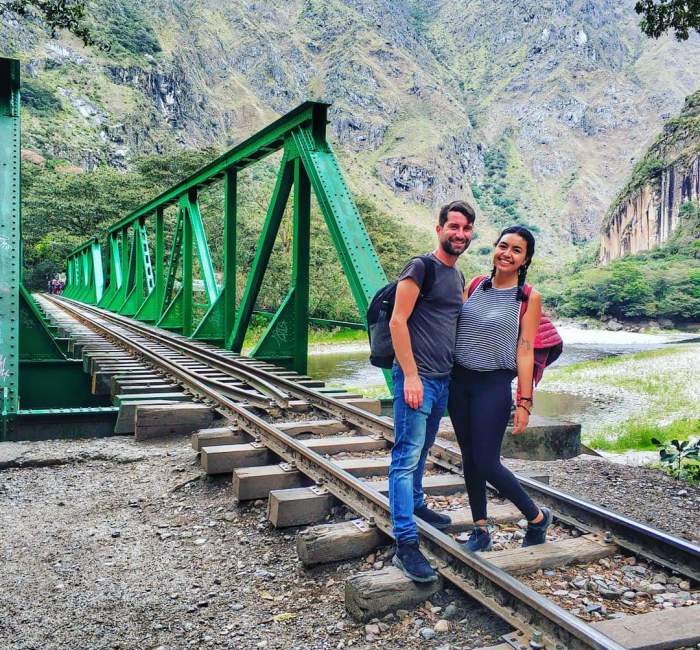
There is a more affordable alternative through the Hidroelectrica area, but it involves more hours on the road and a walk to Aguas Calientes. It is not the most comfortable option and is not recommended for every traveler.
It may appeal to people with a limited budget and more time available. Even so, it requires checking route conditions, luggage, weather, safety, schedules, and physical condition before choosing it.
Trekking route: Inca Trail, Salkantay, or other hikes
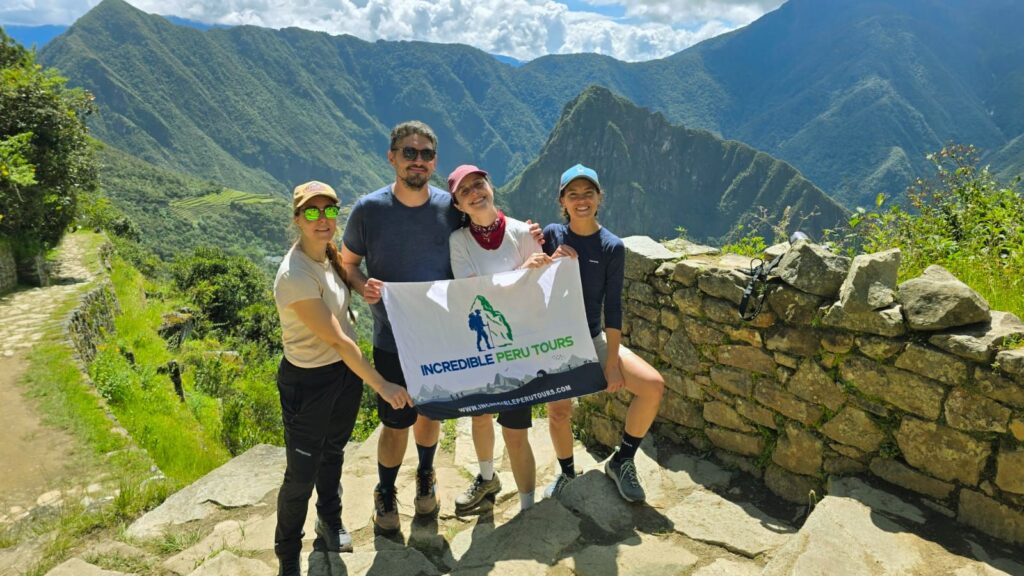
Some travelers reach Machu Picchu through trekking routes such as the Inca Trail, Salkantay, or other hikes. These options require more days and different planning from the classic train trip.
They also require better physical condition, advance booking, and, when applicable, an authorized operator. These are not routes to improvise, because they depend on permits, logistics, campsites, meals, and hiking times.
How long it takes to get to Machu Picchu from Lima
The total time to get to Machu Picchu from Lima depends on the route chosen, connections, train schedules, season, and where you decide to sleep: Cusco, Ollantaytambo, or Aguas Calientes.
It is not a good idea to calculate only the flight or only the train. You need to add airport transfers, baggage wait time, the road trip to the station, train boarding, arrival in Aguas Calientes, the uphill bus, and entrance controls.
Approximate time from Lima to Cusco
Flying is the fastest option to reach Cusco from Lima. If you plan to connect with a transfer or train the same day, choose schedules that leave enough margin in case of delays.
Traveling by bus can take many more hours and is not always convenient if you have only a few days. In addition to travel time, consider accumulated fatigue and arrival in a high-altitude city.
Approximate time from Cusco to Ollantaytambo
The road transfer from Cusco to Ollantaytambo takes approximately 1 hour 40 minutes to 2 hours, depending on traffic, stops, season, and type of service. Do not plan it as if it were a short or completely predictable trip.
If you have a reserved train, leave with enough margin. Arriving late at the station can mean missing the train and disrupting your visit to Machu Picchu, especially if your entrance ticket already has a fixed date and time.
Approximate train time to Aguas Calientes
The train time varies depending on the departure station, type of service, and season. Some services depart from Ollantaytambo and take approximately 1 hour 30 minutes to 1 hour 45 minutes, while others may operate from points near Cusco or through a combined bimodal service.
Check the exact schedule on your train ticket and arrive early at the station. Also verify the passenger name, document, car, and seat to avoid problems when boarding.
Approximate time from Aguas Calientes to Machu Picchu
From Aguas Calientes to the entrance of Machu Picchu, the bus takes approximately 25 to 30 minutes. The uphill service usually operates, as a reference, between 5:30 a.m. and 3:30 p.m.
If you decide to hike up, calculate between 1 hour 30 minutes and 2 hours, depending on your pace and physical condition. This option requires more effort because the route has a constant uphill climb and sections of stairs.
If your entrance has a fixed time, leave in advance. In addition to the transfer, you must consider the bus line, boarding, and the entrance control at Machu Picchu.
Best itinerary to get to Machu Picchu from Lima
The best itinerary depends on how many days you have and how tight you want your trip to be. It is not enough to choose transportation separately: the Machu Picchu entrance ticket should organize the entire route.
If possible, avoid planning the trip with very tight connections. Sleeping one night near the route, especially in Aguas Calientes or Ollantaytambo, can reduce risks and make the visit more relaxed.
2-day itinerary from Lima to Machu Picchu
A 2-day itinerary is possible, but very tight. It is only recommended if you already have flights, trains, Machu Picchu entrance tickets, and transfers well coordinated.
The main risk is that any delay can affect the visit. A delayed flight, traffic to the station, or a train operation change can leave you without enough margin to arrive at your entry time.
3-day itinerary from Lima to Machu Picchu
A 3-day itinerary is usually a more balanced option for visiting Machu Picchu without so much pressure. It allows you to arrive in Cusco, travel to Aguas Calientes, visit the Inca citadel, and return with better time control.
A general structure would be: first day, arrival in Cusco and transfer to Ollantaytambo or Aguas Calientes; second day, visit to Machu Picchu; and third day, return or continue the trip. The details should be adjusted to the real entrance time.
4-day or longer itinerary from Lima to Machu Picchu
A 4-day or longer itinerary is the most recommended option if you want to include Cusco, the Sacred Valley, Ollantaytambo, and Machu Picchu with better altitude adaptation. It also allows you to travel without depending on overly tight connections.
With more days, you can sleep in Cusco, continue to the Sacred Valley, and then spend one night in Aguas Calientes. This sequence reduces fatigue and improves organization on the day of entry.
Which itinerary is best if it is your first time in Peru
If it is your first time in Peru, avoid overly tight itineraries, especially if you are arriving from abroad or do not know how your body responds to altitude. Cusco may require a slower pace on the first day.
When time allows, it is best to spend at least one night in Cusco or the Sacred Valley before going to Machu Picchu. This helps you rest, organize documents, and reduce the risk of missing connections.
Getting to Machu Picchu from Lima by plane
The plane does not arrive at Machu Picchu. The air route is used to travel from Lima to Cusco, and from there you must continue by road and train to Aguas Calientes.
This is the fastest way to begin the trip. Even so, the flight is only the first segment, so you need to coordinate it with transfers, trains, lodging, and entrance time.
Flight from Lima to Cusco
The Lima-Cusco flight is the fastest way to begin the route to Machu Picchu. If you have only a few days, it is usually the most convenient alternative compared with traveling by land.
If you plan to connect with a transfer or train on the same day, choose morning flights. This gives you more margin for delays, baggage pickup, and transfer from the airport to your next point.
What to do when you arrive at the Cusco airport
When you arrive at the Cusco airport, you must continue to your hotel, to Ollantaytambo, or to the corresponding station according to your itinerary. The decision depends on your train schedule and Machu Picchu entrance ticket.
Do not schedule overly tight connections between flight, transfer, and train. Although everything may seem possible on paper, traffic, luggage, and waiting times can change the plan.
Is it convenient to go directly from Cusco to Aguas Calientes the same day?
Going directly from Cusco to Aguas Calientes the same day can be convenient if your flight arrives early and the train leaves with enough margin. It is a good option when you want to sleep near Machu Picchu before your entry.
It is not recommended if the flight arrives late, if there is a risk of delays, or if you need to acclimate. In those cases, sleeping in Cusco or Ollantaytambo can be a safer alternative.
Getting to Machu Picchu from Lima by bus
Traveling by bus from Lima to Cusco is possible, but it takes much longer than flying and can be exhausting. After arriving in Cusco, you still need to continue to the train and Aguas Calientes.
This option may make sense for travelers with more time or a limited budget. For short trips, it usually complicates logistics and increases fatigue before the visit.
Bus from Lima to Cusco
The bus from Lima to Cusco may interest travelers with a low budget or a longer itinerary. It allows you to avoid the cost of the flight, but it requires many more hours of travel.
Before choosing it, consider the duration, comfort of the service, curves, altitude, and fatigue. Arriving exhausted in Cusco can affect the next segments toward Machu Picchu.
When it makes sense to travel by land from Lima
Traveling by land from Lima can be convenient for tourists who want to explore Peru with a minimum budget and have several days available. It is an option for travelers who prefer to save on transportation, make intermediate stops, and move more calmly toward Cusco or Machu Picchu. However, it is not the most recommended option for short trips, because the journey takes many hours and can reduce time for the main visit.
When traveling by bus to Cusco is not recommended
Traveling by bus to Cusco is not recommended if you have only a few days, a Machu Picchu entrance ticket already purchased with a nearby schedule, or low tolerance for long trips. The overland journey from Lima to Cusco usually takes around 22 to 24 hours, although the time may vary depending on the bus company, route, weather, traffic, and road conditions.
For tight itineraries, flying is usually more convenient. The fatigue of spending almost a full day on the road can affect your arrival in Cusco, acclimatization, and experience in the Sacred Valley, Aguas Calientes, and Machu Picchu.
How to get from Cusco to Machu Picchu
From Cusco, travelers must first reach Machu Picchu Pueblo before going up to the Inca citadel. The most common segment combines a road transfer to Ollantaytambo and a train to Aguas Calientes.
Depending on the season and current operation, there may also be train or bimodal services from points near Cusco. The key is to always check the exact station or departure point shown on your ticket.
Cusco to Ollantaytambo by road
Many travelers go first to Ollantaytambo because it is one of the most commonly used stations for taking the train to Aguas Calientes. It also allows you to move forward into the Sacred Valley before continuing to Machu Picchu.
Consider traffic, season, and train time. If you leave Cusco with little margin, any road delay can affect boarding.
Cusco to Machu Picchu by train or bimodal service
Some services may combine bus and train depending on the season or departure station. This means the boarding point may not always be the same throughout the year.
Check the exact point shown on the ticket so you do not get confused. Also verify whether you need to report to a station, terminal, or meeting point to begin the service.
Ollantaytambo to Aguas Calientes by train
The train from Ollantaytambo to Aguas Calientes is one of the most popular routes. It connects directly with the base town for going up to Machu Picchu.
Arrive early at the station and verify the passenger name, document, schedule, car, and seat. These details help avoid delays when boarding.
Where to sleep before visiting Machu Picchu
Sleeping in Cusco, Ollantaytambo, or Aguas Calientes changes the logistics of the trip quite a bit. The best option depends on your entry time, budget, and the pace you want to keep.
For early entry times, Aguas Calientes is usually more convenient. To explore the city and rest after the flight, Cusco may work better. Ollantaytambo is an intermediate alternative.
Sleeping in Cusco before Machu Picchu
Sleeping in Cusco can be convenient if you want to explore the city, rest after arriving, or take the train the next day. It also helps you organize transfers and review documents before continuing to Machu Picchu.
For very early entries, it may be less practical because of the distance to Aguas Calientes. If your entry is in the morning, consider whether it is better to sleep closer to the route.
Sleeping in Ollantaytambo before Machu Picchu
Sleeping in Ollantaytambo is a good intermediate option for being closer to the train and enjoying the Sacred Valley. It reduces the morning transfer if your train leaves from this station.
It is recommended for travelers who do not want to leave Cusco too early or who prefer to complete part of the route the day before. It also helps you travel with less pressure.
Sleeping in Aguas Calientes before Machu Picchu
Sleeping in Aguas Calientes is the most convenient option for early entries, mountain routes, or travelers who want to avoid rushing. Being in the base town allows you to organize the uphill transfer better.
It also allows you to take the uphill bus with more margin. If your entry is in the early morning, this is usually the safest alternative for arriving on time.
What tickets to buy to get to Machu Picchu from Lima
The trip from Lima to Machu Picchu requires several separate tickets and reservations. There is no single ticket that covers the entire route from Lima to the entrance.
The most recommended approach is to organize the purchase around the Machu Picchu entrance ticket. If you need help coordinating availability, trains, routes, and transfers, you can contact the Incredible Peru Tours team to avoid schedule conflicts.
- Machu Picchu entrance ticket
- Train ticket to Aguas Calientes
- Bus ticket from Aguas Calientes to Machu Picchu
- Flights, transfers, and hotels
Budget to get to Machu Picchu from Lima
The total budget depends on flights, train, entrance ticket, uphill bus, transfers, hotel, meals, and guide. Costs change by season, availability, type of service, and how far in advance you buy.
Before publishing a fixed budget or quoting your trip, check current prices. On routes to Machu Picchu, amounts can vary significantly between basic services, high-demand schedules, and more comfortable options.
Main travel expenses
To calculate how much it costs to get from Lima to Machu Picchu, consider all segments and not only the flight or train. The final cost is made up of several independent reservations.
- Flight or bus from Lima to Cusco.
- Transportation from Cusco to Ollantaytambo or to the corresponding station.
- Train to Aguas Calientes.
- Machu Picchu entrance ticket.
- Bus from Aguas Calientes to Machu Picchu.
- Accommodation in Cusco, Ollantaytambo, or Aguas Calientes.
- Meals and personal expenses.
What makes the trip price increase
The price can increase during high season, when there is more demand for trains, hotels, and entrance tickets. It also rises if you buy at the last minute or if only a few schedules are still available.
Panoramic trains, hotels in Aguas Calientes, and more comfortable services usually increase the budget. If you are traveling on fixed dates, it is best to book early so you have more options.
How to save money without putting the visit at risk
To save money without putting the visit at risk, book in advance, compare routes, and avoid the busiest dates when possible. You can also choose reasonable schedules instead of depending on extreme connections.
Do not try to save too much by reducing connection times. Missing a train or arriving late for your entrance can end up costing more than paying for a better-coordinated transfer or an extra night near the route.
Tips to organize the route from Lima without mistakes
Organizing the route from Lima requires looking at the full trip. The most common mistakes happen when flights, trains, and entrance tickets are purchased without checking how they fit together.
The best way to avoid problems is to start from the Machu Picchu entry time and build the itinerary backward: uphill bus, previous night, train, transfer, and flight.
- Do not buy the train before checking your Machu Picchu entrance ticket
- Avoid very tight connections between flight, transfer, and train
- Consider the altitude when arriving in Cusco
- Carry documents and tickets in both digital and physical formats
Common mistakes when getting to Machu Picchu from Lima
Many route problems happen because travelers assume Machu Picchu is close to Lima or that a single form of transportation reaches the entrance. The real logistics include several segments.
Knowing these mistakes before buying tickets helps avoid wasted time, extra expenses, and last-minute changes.
Thinking Machu Picchu is close to Lima
Machu Picchu is in the Cusco region and requires several travel segments. You cannot get there directly from Lima with a single form of transportation.
The normal route includes Lima-Cusco, Cusco-train station, train to Aguas Calientes, and the final uphill transfer to the entrance. Planning it this way from the beginning helps avoid incorrect expectations.
Thinking the train reaches the entrance of Machu Picchu
The train arrives in Aguas Calientes, not at the entrance gate. From there, you still need to go up by bus or on foot to the entrance control.
This detail is key for calculating times. If your entrance has an early schedule, you need to add the transfer from the town and the boarding line.
Booking flights and trains without enough margin
Very tight connections can affect the entire itinerary. A delayed flight, traffic to Ollantaytambo, or operational changes can make you miss the train.
Leave time between arrival in Cusco, transfer, train, and entrance. A reasonable margin provides more security, especially if you are traveling on high-demand dates.
Not sleeping in Aguas Calientes with an early entry
If your entry is very early, sleeping in Aguas Calientes can help you avoid delays. Leaving from Cusco on the same day can be risky because of the distance and the connections required.
This option is highly recommended for routes with Huayna Picchu, Machu Picchu Mountain, or early morning schedules. Being in the base town allows you to go up with better time control.
Frequently asked questions about how to get to Machu Picchu from Lima
These answers help solve the most common questions before buying flights, trains, lodging, and entrance tickets. Use them as an initial guide and always verify current availability before finalizing your trip.
Can you get directly from Lima to Machu Picchu?
No, you cannot get directly to the entrance of Machu Picchu from Lima. First, you need to get to Cusco, then continue to Aguas Calientes, and finally go up to the Inca citadel by bus or on foot.
What is the fastest way to get to Machu Picchu from Lima?
The fastest way is usually to fly from Lima to Cusco, continue to Ollantaytambo or the train station, take the train to Aguas Calientes, and go up by bus to Machu Picchu.
How many days do I need to go from Lima to Machu Picchu?
Ideally, plan at least 3 days to do it with less pressure. It may be possible in 2 days, but it is a tight itinerary and sensitive to delays.
Is it better to sleep in Cusco or Aguas Calientes?
It depends on your entry time. For early entries, Aguas Calientes is usually more convenient; to explore the city and acclimate, Cusco may be better.
Which route is best if I travel with children or seniors?
It is best to prioritize a flight to Cusco, a comfortable train, one night in Aguas Calientes, and the uphill bus. Avoid long road routes or demanding hikes if the group needs more comfort.
Which route is best if I have a low budget?
You can consider traveling by land or using the Hidroelectrica route, but it takes more time and requires better organization. Do not sacrifice safety or schedules just to save money.
What should I buy first to go to Machu Picchu from Lima?
It is best to first check Machu Picchu entrance availability and then coordinate the train, lodging, flights, and transfers. The itinerary should be built around the entry time to the Inca citadel.


