
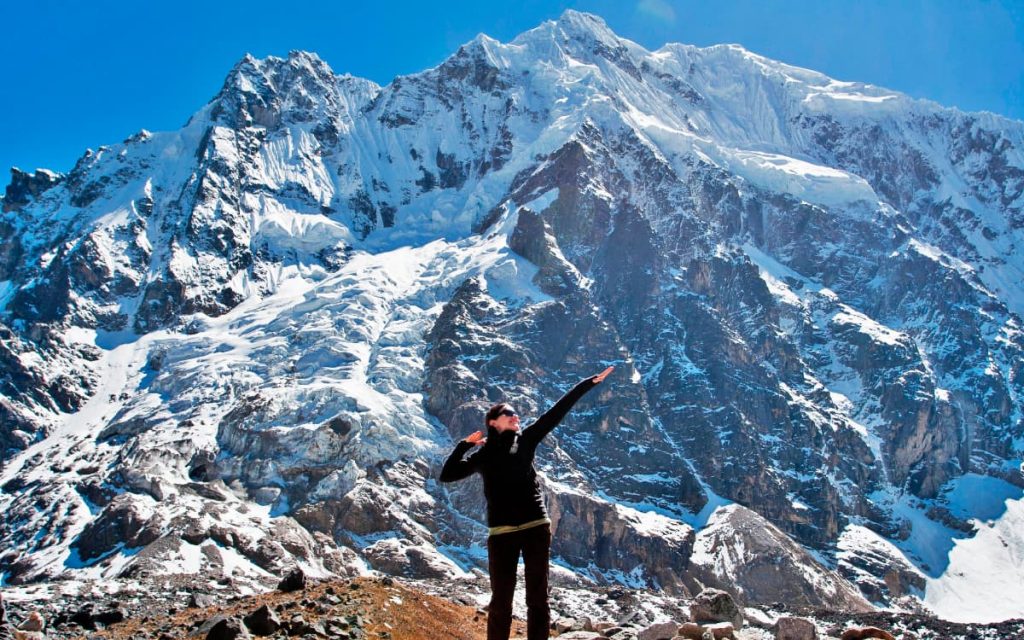
Discover the Best Salkantay Treks
Cultural excursions, breathtaking mountain landscapes, and experiences for different travel styles and paces. Plan your adventure with the help of a local tour operator.
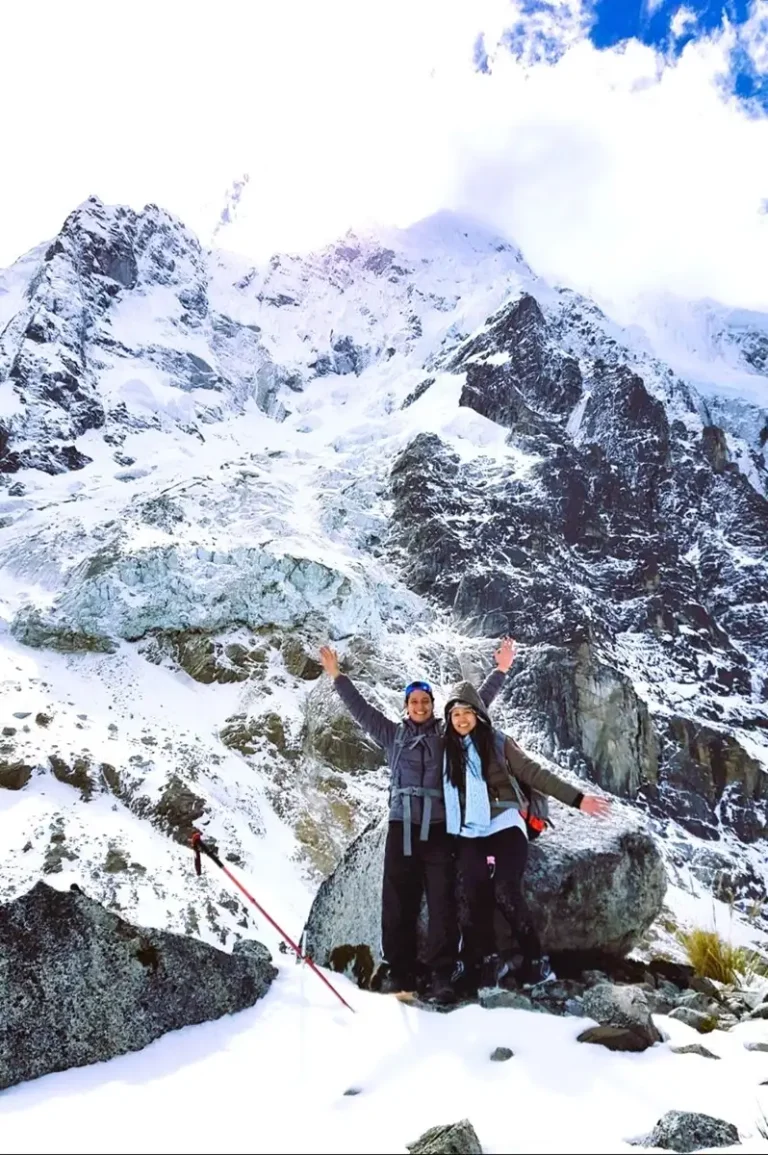
Exclusive Walk From Salkantay to Machu Picchu 4 Days
Experience the 4-day Salkantay Trek through snowcapped mountains, turquoise lakes, and lush cloud forests. Visit Humantay Lake, cross the impressive Salkantay Pass, and enjoy an overnight stay…
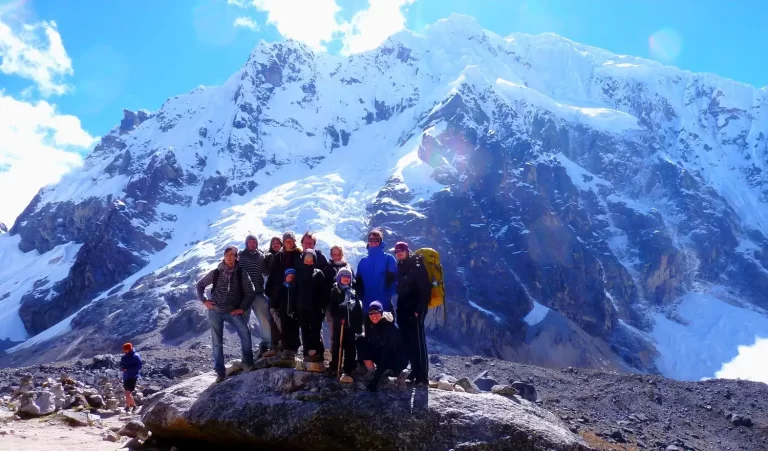
Salkantay Trek to Machu Picchu – 3 Days
Hike the 3-day Salkantay Trek through breathtaking Andean landscapes, crossing Salkantay Pass at 4,630 meters. Spend a night in panoramic wooden domes, explore the archaeological site of…
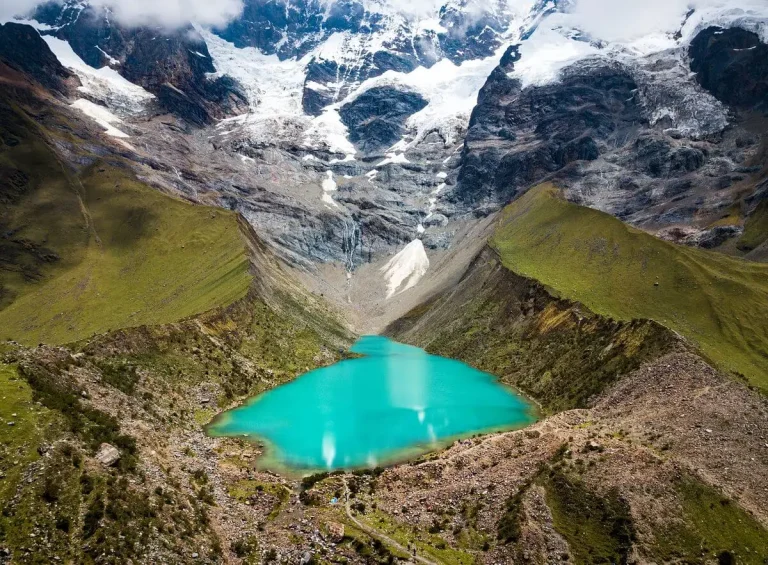
Humantay Lake Hike -1 Day
No tours match these filters.
Frequently Asked Questions
What is the Salkantay Trek, and how is it different from the Inca Trail?
The Salkantay Trek is a hiking route to Machu Picchu that takes you through snowcapped mountains, lakes, and cloud forests. Unlike the Inca Trail, it is known for its stunning natural landscapes and does not require a specific trekking permit. However, an entrance ticket to Machu Picchu is still required.
How difficult is the Salkantay Trek to Machu Picchu?
The Salkantay Trek is considered moderate to challenging due to its long hiking distances, changing terrain, and high altitude. The highest point on the classic route exceeds 4,600 meters (15,090 feet) above sea level. Good physical fitness is recommended, along with at least two days of acclimatization in Cusco before starting the trek.
How many days does the Salkantay Trek take, and what options are available?
The most popular options are the 4-day and 5-day Salkantay Treks. Both allow travelers to enjoy breathtaking Andean landscapes and reach Machu Picchu, but they differ in their itineraries and daily hiking distances. The 5-day route generally offers more time to enjoy the experience.
What is the best time of year to hike the Salkantay Trek?
The dry season, from May to September, is generally the best time to hike the Salkantay Trek due to less frequent rainfall. Between November and March, rain can make certain sections of the trail more challenging. However, mountain weather can be unpredictable throughout the year, so bringing appropriate clothing is essential.


