
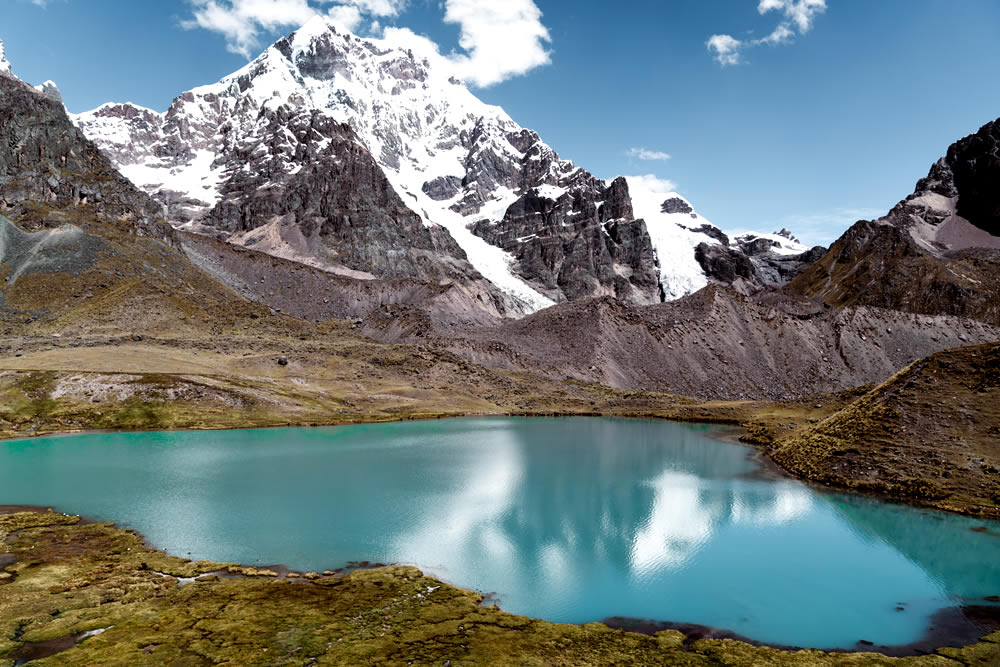
Altitude is what most defines the experience at the Seven Lagoons of Ausangate. It is not a technical or especially long hike, but the entire route takes place above 4,300 m above sea level, and that completely changes how your body feels. Before booking, it is important to know what altitude you will be moving at, how it may affect you, and what to do so that the altitude does not ruin your day.
How high are the lagoons
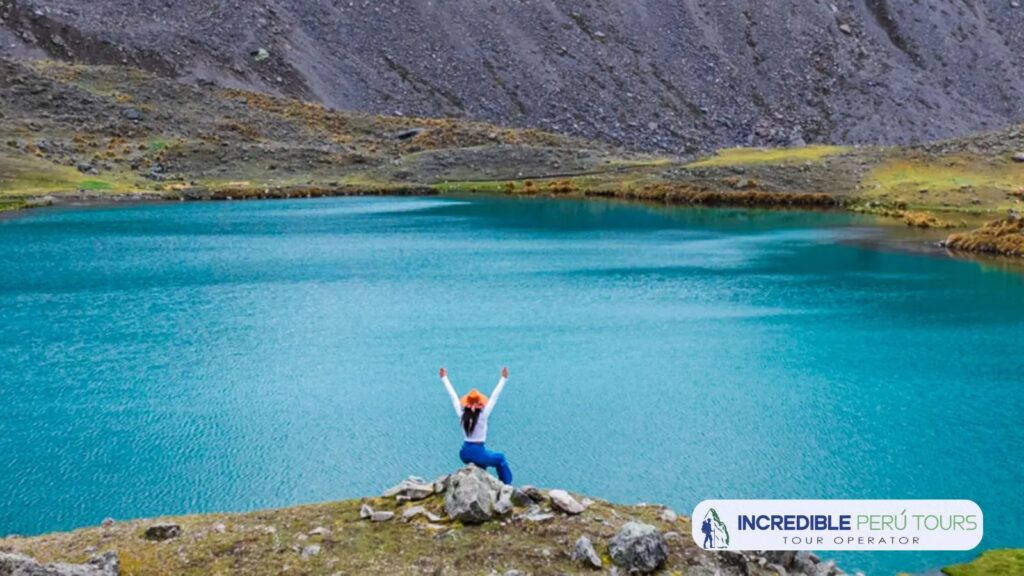
The lagoons are located approximately between 4,300 and 4,600 m above sea level, depending on the point along the circuit. They are in the community of Pacchanta, at the foot of Ausangate Mountain (6,384 m above sea level), the second highest mountain in Peru.
None of them are at low altitude. Even the first ones you come across are already above 4,000 meters. That is why it is considered a high mountain excursion and not just an ordinary outing near Cusco.
Altitude of the starting point in Pacchanta
The hike begins in Pacchanta, at around 4,300 m above sea level (some operators record between 4,100 and 4,430 meters depending on their measurements). What matters is that from the very first step you are already at an altitude many travelers have never experienced.
Unlike other routes where you climb from a lower valley, there is no gradual warmup here. You start directly above 4,300 meters, so your body needs to arrive acclimatized.
Maximum altitude of the route
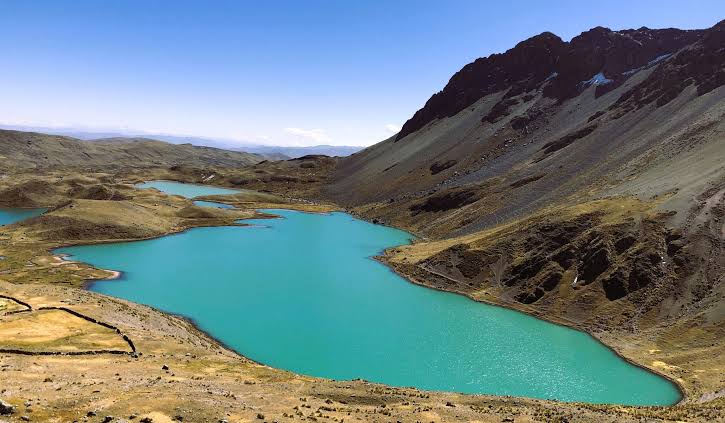
The highest point of the circuit is between 4,600 and 4,850 m above sea level, depending on which viewpoint the group reaches and the route the guide follows. Many tours reach their highest point near 4,650 meters, from where you can see the lagoons and the mountain directly in front of you.
In round numbers, you climb between 300 and 500 meters in elevation from Pacchanta. It does not seem like much on paper, but at that altitude every meter feels harder.
How altitude affects you during the hike
At this altitude the air contains less oxygen, and the most immediate effect is that you get tired faster than usual. Sections that you would do without thinking at lower elevations force you to stop, breathe, and keep going here. It is normal to feel out of breath or notice that your heart is beating harder even when you are walking slowly.
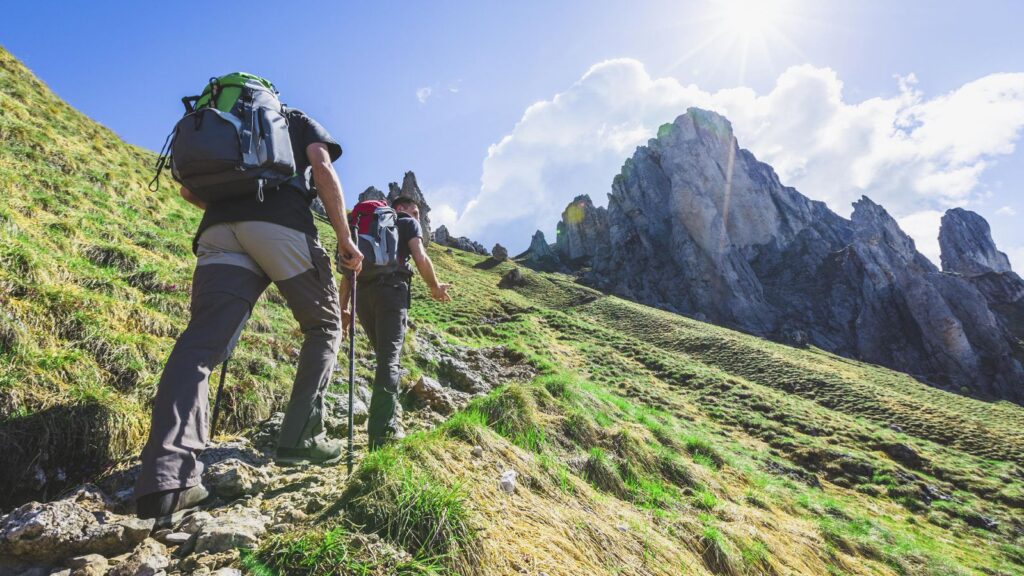
The terrain adds to the challenge: the trail has climbs and descents over puna terrain and gravel. The combination of slope and altitude is what makes the route classified as moderate to challenging. It is not just a matter of physical fitness: altitude affects both trained and untrained people.
Symptoms of altitude sickness
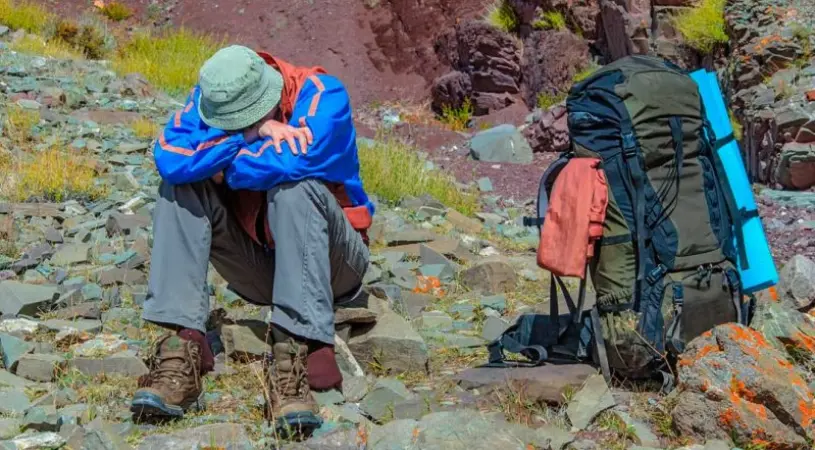
Altitude sickness can occur, and it is important to recognize it. The most common symptoms are headache, nausea, dizziness, fatigue, and shortness of breath. They are usually mild and manageable if you take things slowly, but pushing the pace can make them worse.
If during the hike you experience a severe headache that does not go away, vomiting, or significant difficulty breathing, stop, rest, and tell the guide. On an organized tour there is usually emergency oxygen and someone trained to assist you, which makes a real difference.
How to acclimatize before going
Acclimatization begins long before getting into the vehicle. The basic rule is to spend a few days in Cusco (3,399 m) so your body can adjust to the lower amount of oxygen before demanding a full day above 4,300 meters from it.
During those previous days, stay well hydrated, eat light meals, avoid alcohol, and do not make extreme physical efforts as soon as you arrive. Coca tea helps many travelers. Acclimatization cannot be improvised on the same day as the tour.
How many days are recommended
Ideally, you should spend at least 2 full days in Cusco before doing the Seven Lagoons hike. That amount of time significantly reduces the likelihood of experiencing severe altitude sickness.
If your itinerary allows it, three days is even better, especially if you are coming directly from sea level. What is not recommended under any circumstances is scheduling this excursion on the same day you arrive in Cusco or the following day: the risk increases dramatically.
Tips for walking better at this altitude
Walk at a steady pace without rushing. The technique that works best is moving slowly and consistently instead of speeding up and exhausting yourself at the beginning. Breathe deeply and take short steps on the climbs.
Stay hydrated frequently even if you are not thirsty and bring quick energy snacks. If you feel the climb is becoming difficult, you can rent a horse from the local horse handlers for a good part of the route (around 80 soles round trip). It is not giving up: it is adapting the route to your body.
What to bring
For the altitude and puna climate, you need warm layered clothing: the temperature changes between the midday sun and the cold wind in the higher areas. Add gloves, a hat, a rain poncho (especially during the wet season), and sunscreen because the radiation is intense.
Bring enough water, energy snacks, and, if you are usually affected by altitude, consider altitude sickness pills. Sturdy trekking footwear completes the basic equipment. And do not forget cash in soles: there are no ATMs up there.
Who should take precautions
People with heart, respiratory, or blood pressure problems should consult their doctor before attempting a hike above 4,500 m. Altitude puts strain on the heart and lungs, and certain preexisting conditions make it risky.
Pregnant women, older adults, and those who have never been at high altitude should also take precautions. It does not mean they cannot enjoy the destination, but it does mean it is important to evaluate it carefully, acclimatize well, and, if necessary, use a horse for assistance. If you have any health concerns, caution comes first.
Why book with Incredible Peru Tours
At a destination where altitude is the main challenge, having support makes a difference. At Incredible Peru Tours, we organize the excursion with guides who know the route and know how to recognize the signs of altitude sickness. They carry emergency oxygen and adjust the group’s pace according to how each person responds.
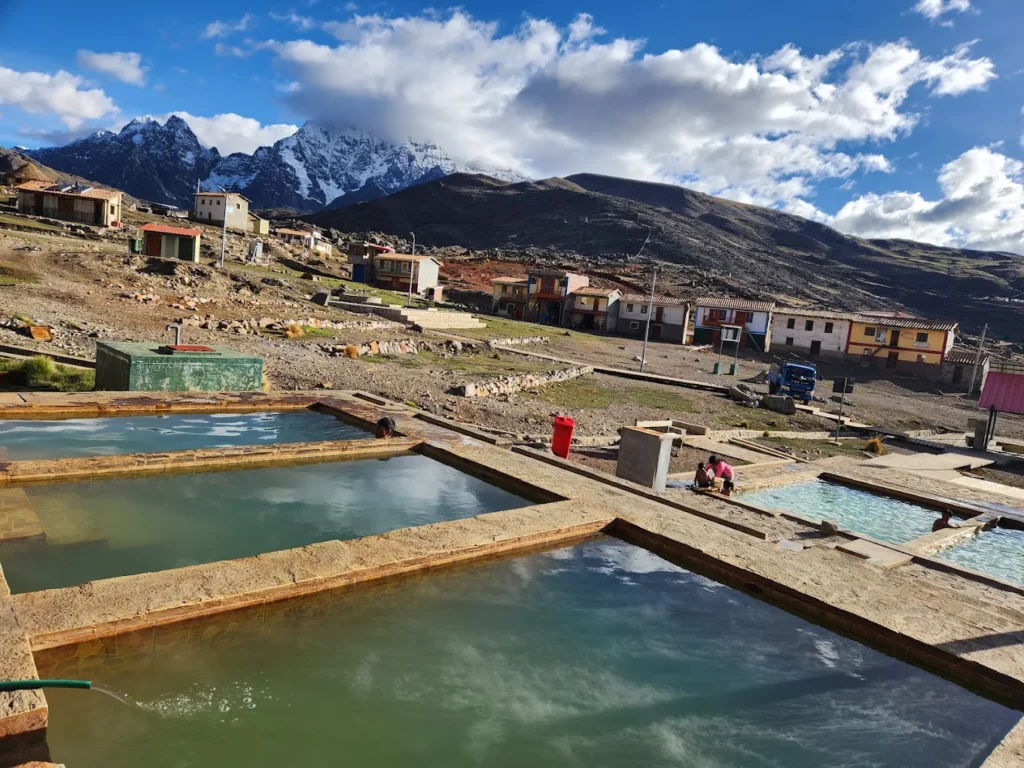
We take care of all the logistics, from hotel pickup to the Pacchanta hot springs, so you can focus on walking calmly and enjoying the scenery. Book our 7 Lagoons of Ausangate Hike and, if you tell us how many days you have been in Cusco and how your acclimatization is going, we will help you schedule this hike at the safest point of your trip.
Frequently asked questions
How high are the Seven Lagoons of Ausangate?
They are located approximately between 4,300 and 4,600 m above sea level, at the foot of Ausangate Mountain.
What is the maximum altitude reached?
Between 4,600 and 4,850 m above sea level depending on the viewpoint and the guide’s route. Many tours reach their highest point near 4,650 meters.
How many days of acclimatization do I need?
At least 2 days in Cusco, and preferably 3 if you are coming directly from sea level.
What altitude sickness symptoms might I experience?
Headache, nausea, dizziness, fatigue, and shortness of breath. They are usually mild if you walk calmly and stay well hydrated.
Can I do the hike if I struggle with altitude?
Yes, with good acclimatization and a slow pace. If the climb becomes difficult, you can rent a horse for a good part of the route.


