
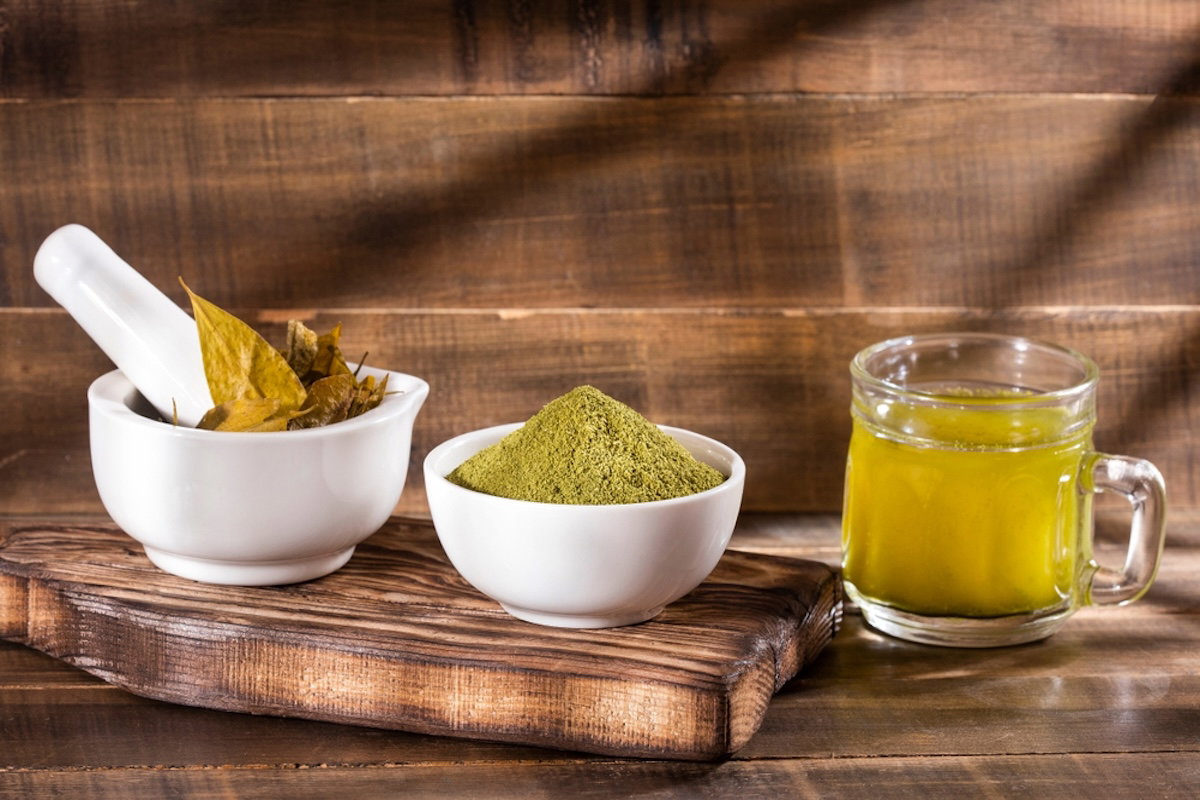
In the heart of the Peruvian Andes, the coca leaf (Erythroxylum coca) is much more than a plant: it is a living symbol of the history, spirituality, and resilience of Andean peoples. For travelers visiting Cusco and exploring Machu Picchu with Incredible Peru Tours, understanding its significance is one of the most authentic ways to connect with the Inca legacy.
Historical Importance During the Inca Empire
The use of coca leaves dates back more than 8,000 years in the Andean region. However, it was during the Inca Empire (Tahuantinsuyo) that coca reached its greatest religious, social, and political significance.
In Cusco, the capital of the empire, coca was considered one of the most valuable commodities, even more precious than gold and silver. The chronicler Inca Garcilaso de la Vega wrote that the Incas “valued it above gold, silver, and precious stones.” The Sapa Inca (the emperor) used it to reward the loyalty of nobles and warriors, and it was distributed in large quantities during official ceremonies.
At Machu Picchu and along the royal roads, coca was essential to daily life. The chasquis (messengers) and the builders of terraces and temples chewed coca leaves to gain energy and withstand the cold, hunger, and high altitude. Recent archaeological findings confirm its ritual use: coca leaves have been discovered in ceremonial contexts, including offerings alongside sacrificed llamas and in burial goods.

Why Is the Coca Leaf Sacred?
For the Incas, coca was a gift from the gods, especially from Inti (the Sun God) and Pachamama (Mother Earth). It was called “Mama Coca” and was offered in almost every important ritual:
- During the pago a la tierra (offering to Pachamama), to ask for fertile fields and protection.
- In ceremonies honoring the Sun and the Apus (mountain spirits).
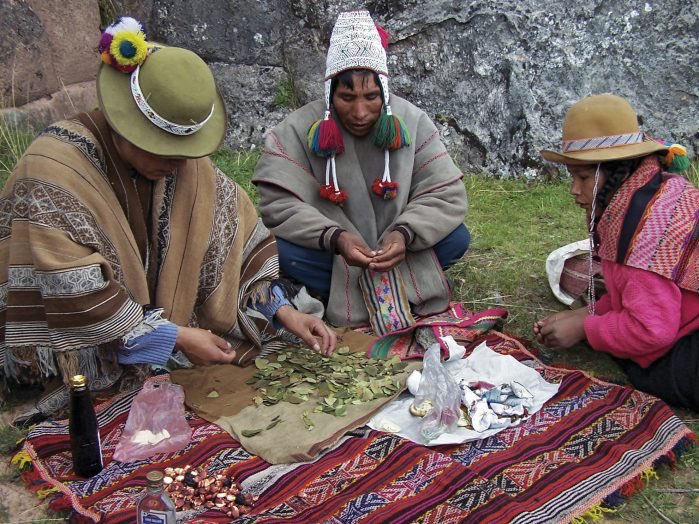
- In the form of a kintu (three selected leaves), which were blown toward the deities as a form of spiritual communication.
- In healing and divination rituals, where the amautas (wise men) interpreted the messages of the leaves.
It was a plant that connected humans with the divine, the body with the spirit, and the present with the ancestors.
How Tourists Experience the Coca Leaf Today in Cusco and Machu Picchu
Today, the coca leaf remains an important part of Andean culture and is a legal and accessible experience for travelers in Peru (as long as it is in its natural leaf or tea form, never processed as a drug).
The most common and recommended way to experience it is through coca tea. Upon arriving in Cusco (3,400 m), most hotels offer this traditional infusion as a welcome drink. It has a mild, herbal flavor and helps alleviate symptoms of soroche (altitude sickness) thanks to its gentle stimulating properties and its ability to improve oxygenation.
During tours to Machu Picchu, many travelers try it:
- On the train to Aguas Calientes.
- At cafes and restaurants in Cusco and the Sacred Valley.
- At San Pedro Market, where dried coca leaves are sold.
- On certain treks (such as the Inca Trail or Salkantay), where local guides respectfully explain the tradition of chacchado (traditional coca leaf chewing).
For a deeper cultural experience, some tour operators and local communities offer the opportunity to participate in a symbolic pago a la tierra (offering to Mother Earth), allowing visitors to understand the spiritual significance of the coca leaf without altering ancestral practices.
Important note: The coca leaf in its natural state is legal in Peru and Bolivia and is culturally very different from cocaine. Moderate consumption is recommended, and travelers should not attempt to take coca leaves or tea out of the country, as they are prohibited in most nations.
Discover This Tradition with Incredible Peru Tours
At Incredible Peru Tours, we believe that traveling is about much more than visiting ruins: it’s about understanding the culture that created them. Our local guides, proudly from Cusco, share the true history of the coca leaf as you explore Cusco, the Sacred Valley, and Machu Picchu. Whether you’re hiking the Inca Trail, taking a cultural tour, or enjoying a personalized experience, we help you discover this tradition in a respectful, safe, and memorable way.


