
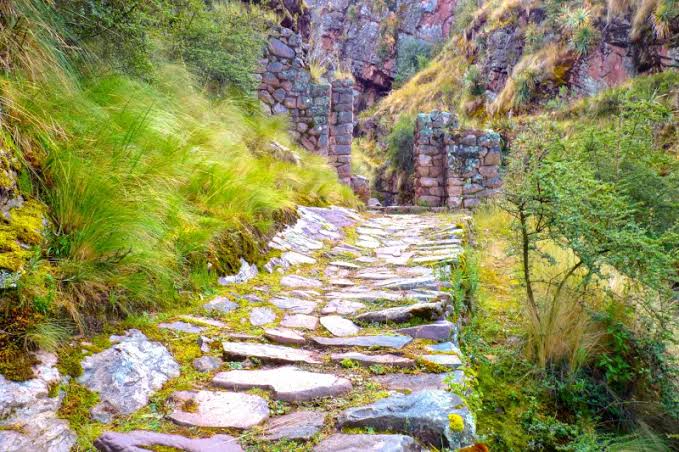
Huchuy Qosqo and the Inca Trail are two excellent options for travelers who want to hike along ancient mountain paths and learn about the history of the Inca Empire. However, they do not offer the same experience or require the same level of preparation.
The Huchuy Qosqo trek stands out for its Sacred Valley scenery, peaceful atmosphere, and flexible itineraries. The Inca Trail, on the other hand, is a regulated route that passes several archaeological sites and ends with entry to Machu Picchu.
Understanding the differences between Huchuy Qosqo and the Inca Trail will help you choose the most suitable trek based on your available time, fitness level, budget, and travel expectations.
What is the main difference between Huchuy Qosqo and the Inca Trail?
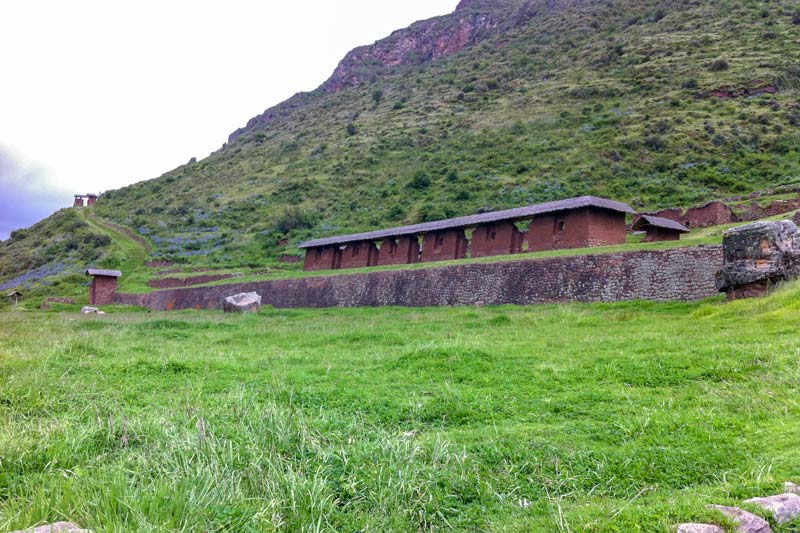
The main difference is the final destination. The Huchuy Qosqo trek leads to the archaeological site of the same name, located in the mountains of Calca Province and offering exceptional views of the Sacred Valley of the Incas. The complex is located at approximately 3,677 meters (12,064 feet) above sea level and features stone and adobe structures, terraces, and ceremonial areas.
The Inca Trail is part of the trail network within the Historic Sanctuary of Machu Picchu and ends directly at the Inca citadel. Depending on the selected option, travelers can reach Machu Picchu after several days of hiking or take the shorter route that begins near Kilometer 104.
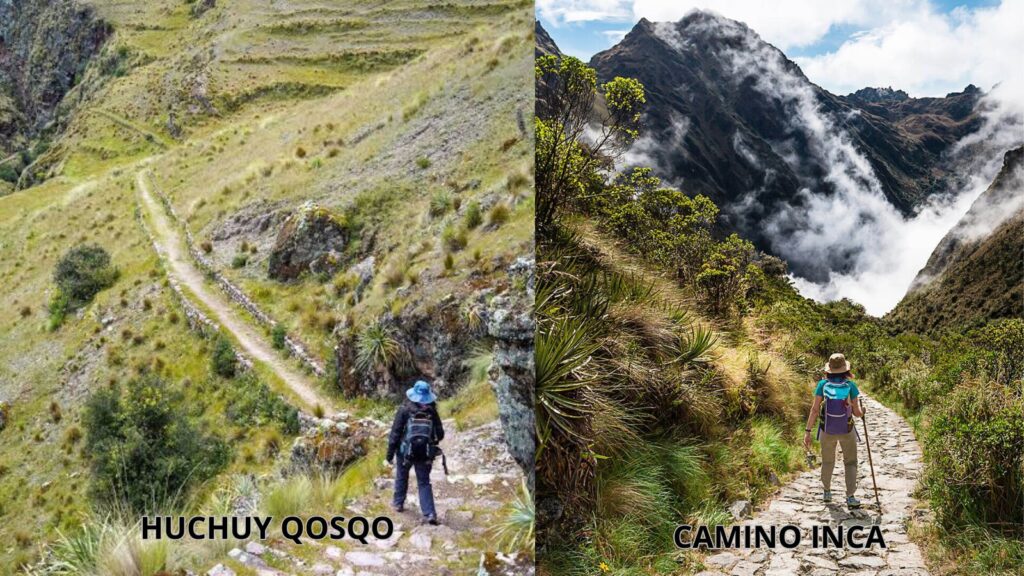
Quick comparison of Huchuy Qosqo and the Inca Trail
| Feature | Huchuy Qosqo | Inca Trail |
|---|---|---|
| Main destination | Huchuy Qosqo archaeological site | Machu Picchu |
| Typical duration | One or two days, depending on the itinerary | Two days for the short route or four days for the classic route |
| Difficulty level | Moderate, with uphill sections and high-altitude terrain | Moderate to challenging |
| Number of visitors | Generally low | Higher demand and limited spaces |
| Reservations | More flexible arrangements | Advance reservations required |
| Type of experience | Sacred Valley scenery and a peaceful atmosphere | Archaeological sites and a hiking arrival at Machu Picchu |
| Best for | Travelers with limited time or those seeking a less crowded route | Travelers seeking a classic journey to Machu Picchu |
Duration of each trek
The Huchuy Qosqo trek can be arranged with different starting and ending points. One of the most complete options takes two days, allowing travelers to hike at a comfortable pace, enjoy the mountain scenery, and spend the night in a local community or at a campsite, depending on the selected service.
One-day options are also available for travelers with less time. However, despite the shorter duration, the altitude, slopes, and uneven terrain require a suitable level of physical fitness.
The Classic Inca Trail usually takes four days and three nights. The route covers approximately 39 kilometers (24 miles) and crosses different ecological zones, campsites, and archaeological sites before reaching Machu Picchu. Its highest point is Warmiwañusqa Pass, located at approximately 4,200 meters (13,780 feet) above sea level.
The Short Inca Trail begins at Chachabamba, near Kilometer 104. It includes approximately 12 to 13 kilometers (7.5 to 8 miles) of hiking and usually takes five to six hours to reach the Intipunku area before continuing to Machu Picchu.
Which of the two routes is more difficult?
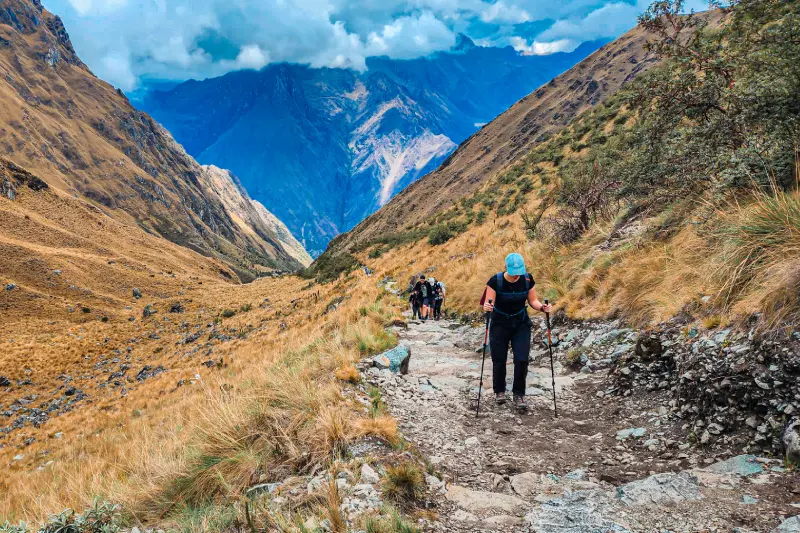
Huchuy Qosqo is generally considered a moderately difficult trek. Its main challenges include the altitude, several extended uphill sections, descents toward the Sacred Valley, and sudden changes in temperature.
The difficulty can vary depending on the starting point. Some itineraries cross high mountain passes, while others use shorter access routes. For this reason, it is important to review the exact itinerary before booking.
The Classic Inca Trail is more demanding because of its duration, numerous steps, accumulated elevation gain, and consecutive nights of camping. Crossing Warmiwañusqa Pass is one of the most physically challenging parts of the trek.
The Short Inca Trail does not reach the same elevations as the classic route, but it includes a continuous climb to Wiñay Wayna and many Inca steps. It is a more accessible option for travelers who want to enter Machu Picchu on foot without completing a four-day trek.
Scenery along each route
The route to Huchuy Qosqo features wide highland landscapes, lagoons, farmland, ravines, mountains, and panoramic views of the Sacred Valley. Depending on the itinerary, travelers may also pass through small traditional communities and observe local farming activities.
Upon arriving at the archaeological site, visitors can see terraces built into the mountainside, stone and adobe enclosures, canals, and ceremonial platforms. The complex’s elevated location provides views of the Vilcanota River Valley and the mountains surrounding Calca and Lamay.
The Inca Trail offers a wider variety of ecosystems. The classic route begins in an intermountain valley, climbs into high mountain areas, and later descends into cloud forests filled with ferns, mosses, bromeliads, and orchids.
Archaeological sites visited along the routes
The main attraction of the first route is Huchuy Qosqo, an archaeological complex known for the combination of stone and adobe used in its structures. It also preserves terraces, enclosures, and spaces carefully adapted to the mountain landscape.
The Classic Inca Trail passes several archaeological sites located throughout the route. The experience combines history, nature, and ancient stone-paved paths before reaching Machu Picchu.
The short route includes visits to Chachabamba and Wiñay Wayna. Travelers then continue along the trail to Intipunku, known as the Sun Gate, before entering the Machu Picchu area on foot.
Availability, permits, and reservations
This is one of the most important differences between the two treks. The Inca Trail has a limited number of daily spaces and can only be booked through an authorized travel agency, with an official guide and within the established capacity for each route.
Permits can sell out several months in advance, especially from May through September. In addition, the Inca Trail Network closes during February for conservation and maintenance work. In 2026, operations officially resumed on March 1.
Huchuy Qosqo does not use the same restricted permit system as the Inca Trail, so it usually offers greater flexibility when selecting a date. However, admission to the archaeological site, transportation, guide services, meals, and the accommodation or campsite included in the program must still be coordinated.
Admission conditions and fees may change, so they should be confirmed when booking.

Which route has fewer tourists?
Huchuy Qosqo is the better option for travelers seeking a peaceful trek away from the busiest routes. For much of the journey, it is possible to encounter only a few groups, especially outside the peak travel season.
This allows travelers to enjoy the scenery, listen to the guide’s explanations, and explore the archaeological site at a more relaxed pace.
The Inca Trail has considerable international demand. Although daily entry is controlled, different groups of travelers, guides, cooks, and porters gather at the main campsites and key sections of the route.
The presence of more people does not reduce the route’s appeal, but it creates a different experience from the peaceful atmosphere that usually characterizes Huchuy Qosqo.
Differences in accommodations and camping
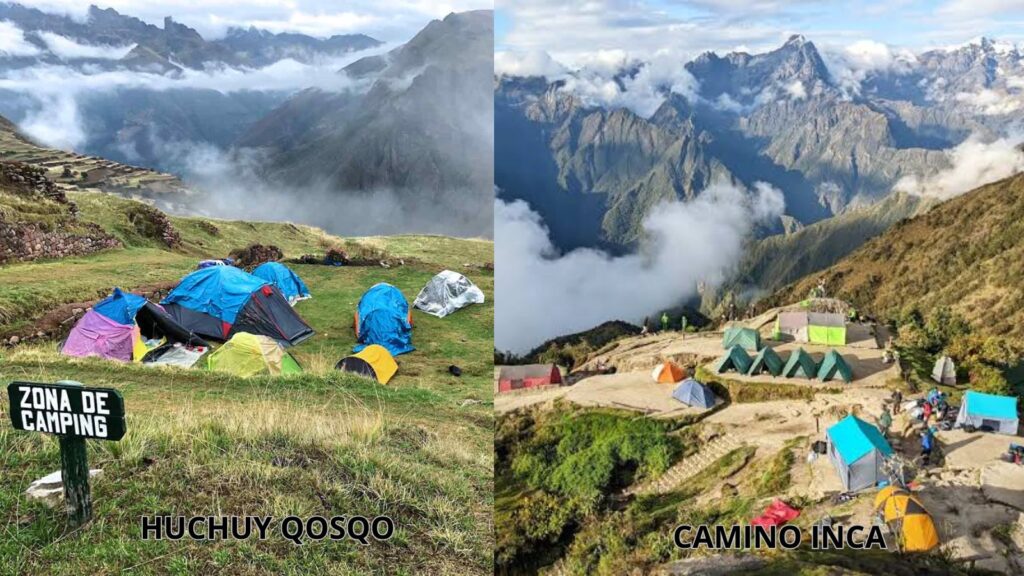
On the two-day Huchuy Qosqo trek, the overnight stay may be arranged at a campsite or in local accommodations, depending on the itinerary and the type of service booked.
This option can include community-based tourism experiences and opportunities to learn about the daily lives of families in the Sacred Valley.
On the Classic Inca Trail, travelers spend three nights at established campsites along the route. The agency coordinates the tents, meals, cooks, porters, and other logistical services.
On the short route, travelers generally hike on the first day, visit Machu Picchu, and spend the night at a hotel in Machu Picchu Pueblo. The program may include an additional visit to the Inca citadel on the second day.
Which route requires more acclimatization?
Both treks require prior acclimatization. Although Huchuy Qosqo is shorter, some itineraries begin in or cross areas located at high elevations.
The Classic Inca Trail requires more careful preparation because of its four-day duration and the crossing of Warmiwañusqa Pass, located at approximately 4,200 meters (13,780 feet) above sea level.
Travelers are advised to spend at least two days in Cusco or the Sacred Valley before beginning either route. During this time, it is best to rest, drink plenty of water, avoid alcohol, and participate only in light physical activities.
Which route is more affordable?
The Huchuy Qosqo trek usually requires simpler logistics and may be more affordable, especially as a one-day option.
The price will depend on transportation, group size, type of accommodation, meals, and the services included.
The Inca Trail usually costs more because it requires regulated permits, authorized staff, porters, cooks, camping equipment, and several days of operation.
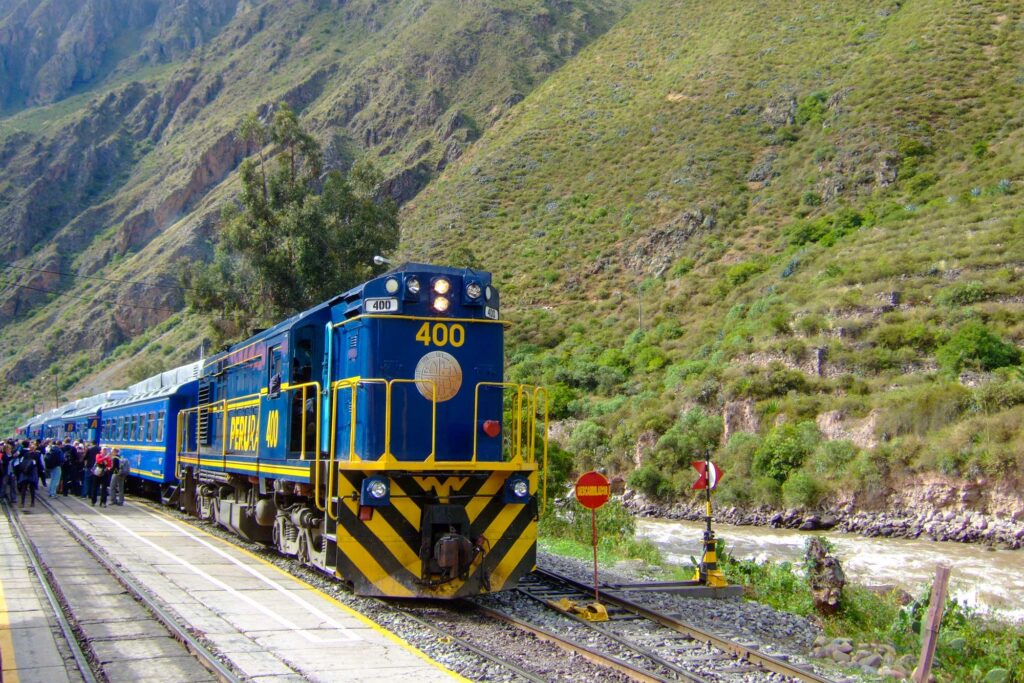
The short route may cost less than the Classic Inca Trail, but the price must also account for the permit, guide, train ticket, bus transportation, and accommodation in Machu Picchu Pueblo.
Can Huchuy Qosqo be combined with Machu Picchu?
Yes. Although the trek does not end directly at Machu Picchu, it can be combined with a later visit to the Inca citadel.
After completing the Huchuy Qosqo trek, the itinerary can continue through the Sacred Valley, Ollantaytambo, and Machu Picchu Pueblo. From there, travelers visit Machu Picchu according to the circuit and route specified on their admission ticket.
This combination is suitable for travelers who want to experience a less crowded trek and visit Machu Picchu as part of the same program.
Who should choose Huchuy Qosqo?
Huchuy Qosqo is a good choice for travelers who have one or two days available, prefer less crowded places, and want to experience the rural scenery of the Sacred Valley.
It is also recommended for travelers interested in community-based tourism, photography, local history, and moderately difficult hikes.
It can serve as an acclimatization experience before other excursions, provided that the traveler maintains a suitable pace and is in good health.
Who should choose the Inca Trail?
The Inca Trail is suitable for travelers who consider the hike an essential part of their Machu Picchu visit and want to arrive by following an ancient Inca route.
The classic route is intended for travelers who are prepared to hike for several days, sleep at campsites, and complete demanding uphill sections.
The short route is a better option for travelers who want to visit Wiñay Wayna, reach Machu Picchu on foot, and avoid the four days required for the traditional route.
Huchuy Qosqo or the Inca Trail: which one should you choose?
Choose Huchuy Qosqo if you prefer a peaceful, flexible route with fewer visitors. It is an excellent option for enjoying the Sacred Valley, visiting a less crowded archaeological site, and completing a one- or two-day trek.
Choose the Inca Trail if your main goal is to reach Machu Picchu on foot and follow one of Peru’s best-known historic routes. You should be prepared to book in advance, follow entry regulations, and manage more complex logistics.
Neither trek is better in every way. The right choice depends on your available time, fitness level, and the type of experience you want.
Plan your trek with Incredible Peru Tours
At Incredible Peru Tours, we help you choose the most suitable route based on your travel dates, fitness level, and plans. We can arrange the Huchuy Qosqo trek, the Short Inca Trail, or the Classic Inca Trail, as well as combine these experiences with the Sacred Valley and Machu Picchu.
Our team coordinates admission tickets, transportation, professional guides, accommodations, and all necessary services so you can enjoy a safe and well-organized experience in the mountains of Peru.


