

Pikillacta, also spelled Pikillaqta, is an ancient city built by the Wari culture between AD 600 and 1000, centuries before the Incas. It is located in the Lucre Basin, in Cusco’s Southern Valley, about 30 km from the city and approximately 3,250 meters above sea level.
Its stone walls, straight streets, and hundreds of enclosures make it one of the best-preserved pre-Inca sites in Peru. In this guide, you’ll learn about its history, what to see during your visit, and how to get there from Cusco.
Pikillacta or Pikillaqta: Meaning of the Name
Both spellings are correct. Pikillaqta is the Quechua spelling used in the official name of the Pikillaqta Archaeological Park, while Pikillacta is the Spanish-adapted form commonly found in travel guides and signs.
The name is commonly translated as “town of fleas,” from the Quechua words piki, meaning flea, and llaqta, meaning town. It is a later name, as it is unknown what the Wari called this city.
History of Pikillacta and the Wari Culture
The Wari were a society that originated in the Ayacucho region and came to control much of central and southern Peru during the period known as the Middle Horizon. Pikillacta was one of their most important centers outside their capital.
A Planned City
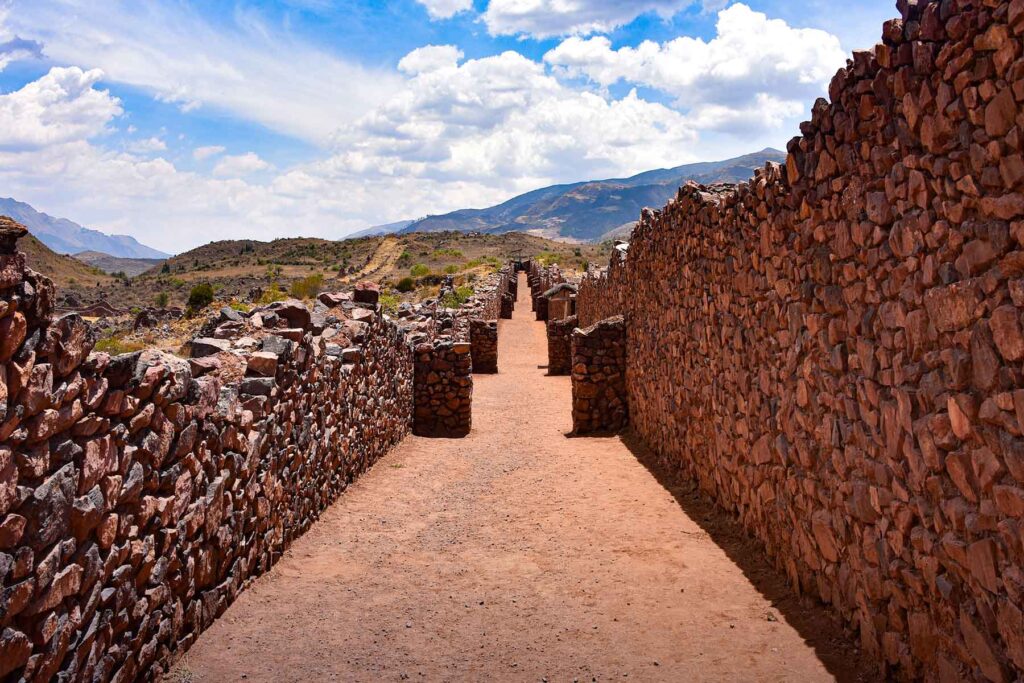
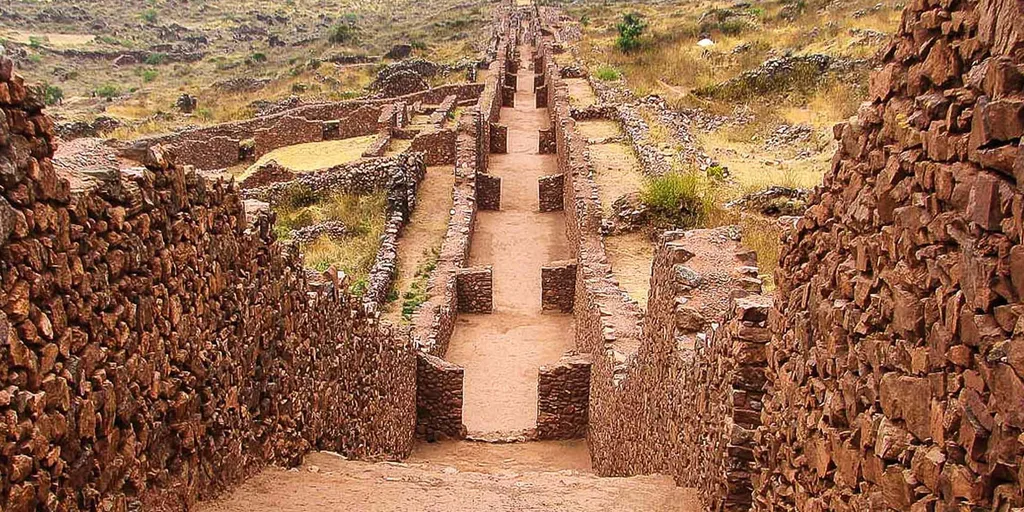
What stands out most about Pikillacta is its design. The city was laid out on a grid plan, with blocks of enclosures arranged in an almost geometric pattern. Researchers have documented more than 700 structures, including courtyards, halls with niches, and groups of small rooms.
What Was the City Used For?
Pikillacta is believed to have been an administrative center from which the Wari organized their control of the Cusco region. Many of its enclosures may have been used to store food and goods, while its large courtyards may have hosted ceremonies and celebrations.
A Recent Discovery
In 2019, archaeologists from the Cusco Decentralized Directorate of Culture discovered a Wari ceremonial offering in the main square. It included small idols, silver sheets depicting female warriors, and more than one hundred pieces carved from spondylus shells. The discovery revealed the exchanges that existed between the highlands and the coast at that time.
What to See at Pikillacta Archaeological Park
The visitor route follows marked trails through the city’s main sectors. These are the most interesting places to see.
The Walls and Streets
Some walls still reach heights of nearly 12 meters. They are made of stones joined with mud and were originally covered with a layer of white plaster. Walking among them gives you a clear idea of the city’s scale.
The Enclosures and Main Square
The blocks of rooms are arranged around courtyards, and the excavations that led to the discovery of the Wari offering took place in the main square. Some areas have information panels explaining the purpose of each space.
The Interpretation Center
Near the entrance, there is a small room with models and information about the Wari culture. It is a good starting point before exploring the site.

What to See Near Pikillacta
The Lucre Basin has other attractions you can add to your visit.
- Rumicolca: a large stone gateway just a few minutes from Pikillacta. It was part of an ancient aqueduct and was later turned into a checkpoint by the Incas. You can visit it on a rafting and Aqualine tour that includes a stop at Rumicolca.
- Huacarpay Lagoon: a wetland near Lucre, ideal for birdwatching and enjoying a peaceful landscape.
- Tipón: an Inca complex famous for its agricultural terraces and water channels. If you want to explore it, check out our guide to Tipón Archaeological Park.
How to Get to Pikillacta from Cusco
Pikillacta is located next to the highway connecting Cusco to Puno, making it easy to reach.
- By taxi or private car: the journey takes approximately 40 to 50 minutes.
- By local bus: you can take a bus toward Urcos and ask the driver to drop you off at the park entrance.
- On a Southern Valley excursion: Incredible Peru Tours offers tours that combine a visit to Pikillacta with Tipón, Rumicolca, and Andahuaylillas, on half-day or full-day excursions.
Admission to Pikillacta
Admission is included in the Cusco Tourist Ticket, either the full ticket or the partial ticket for Circuit II, which also includes Tipón and several museums in the city. Since prices and opening hours may change, it’s best to confirm them when purchasing your ticket.
Tips for Your Visit
- Allow between one hour and an hour and a half to explore the site.
- Bring water, sunscreen, and a hat, as there are few shaded areas.
- Visit Pikillacta and Tipón on the same outing to make the most of your Cusco Tourist Ticket.
- If you’re interested in history, hire a guide. A guide can help you understand the differences between Wari and Inca architecture.

Frequently Asked Questions About Pikillacta
Is It Spelled Pikillacta or Pikillaqta?
Both spellings are valid. Pikillaqta is the Quechua spelling used in the park’s official name, while Pikillacta is the Spanish-adapted form most commonly found in travel guides.
Is Pikillacta an Inca Site?
No. It was built by the Wari culture between AD 600 and 1000, several centuries before the height of the Inca Empire.
How Far Is Pikillacta from Cusco?
It is about 30 km southeast of the city, approximately 40 to 50 minutes by car.
Is Pikillacta Included in the Cusco Tourist Ticket?
Yes. You can enter with either the full Cusco Tourist Ticket or the partial ticket for Circuit II.
What Does Pikillacta Mean?
It translates from Quechua as “town of fleas.” The name dates from after the Wari period, as the Wari left no record of what they called the city.


