
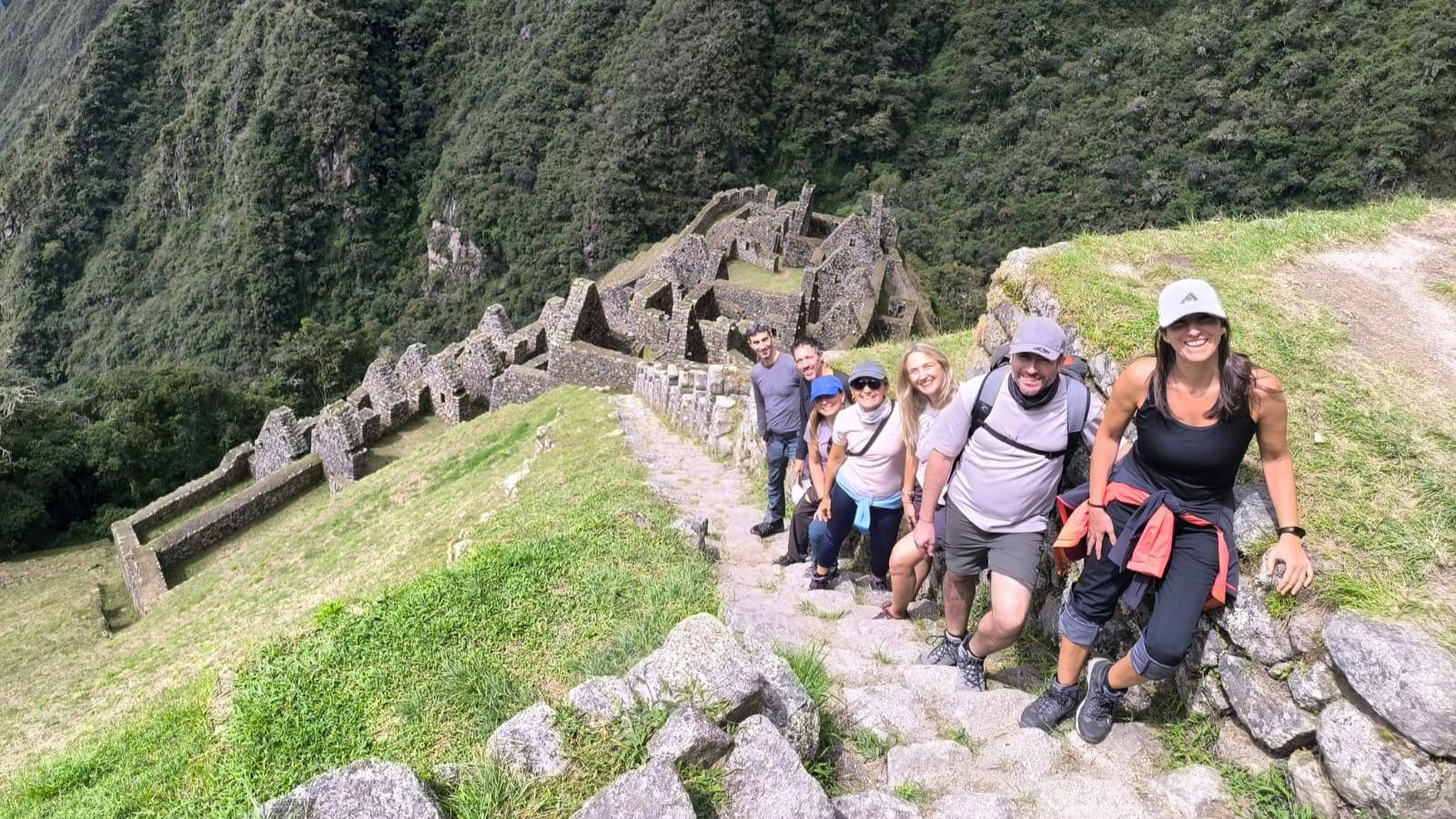
The Inca Trail is one of the few treks in the world where participants use two different backpacks with completely different functions throughout the route. Understanding that difference before preparing your gear is what prevents the most common logistical mistake on the Inca Trail: arriving at Kilometer 82 with only one large backpack, without a separate daypack, or with a daypack so overloaded that the second day becomes an unnecessary burden.
This guide explains what the two backpacks are, what function each one has, what features each type should have, and how to distribute the contents between the two so the system works properly during the four days of the trek.
The first backpack: the luggage bag carried by the porters
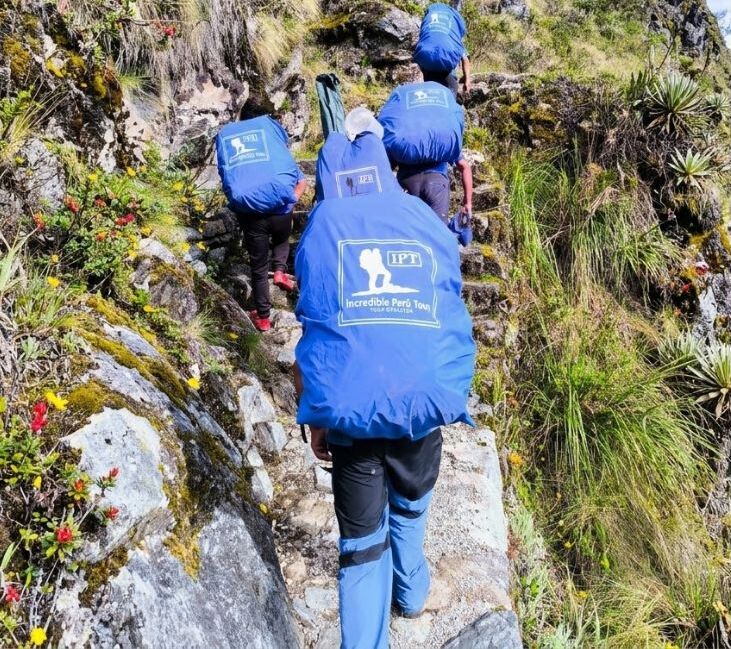
The first backpack in the system is not carried by the participant during the hike. It is carried by the support team’s porters. This is the backpack or duffel bag where all change of clothes, sleepwear, personal hygiene items, camera equipment not used during hiking hours, and any other items needed at camp but not during the day’s hike are stored.
The porter team collects this bag every morning before the group leaves camp and has it ready at the destination campsite when the group arrives at the end of the day. For the participant, this means that during the hiking hours, they do not carry any of that content with them. They only carry the daypack.
The most suitable type of container for this luggage is not a technical trekking backpack but a flexible canvas bag or duffel bag. The reason is logistical: porters carry the collective camp equipment plus each participant’s luggage, and a flexible bag adapts better to the irregular distribution of loads than a rigid backpack with an internal frame. Many agencies provide a specific duffel bag for this purpose as part of the package service.
The maximum weight that can go in this bag is defined by each agency, but the usual range is between 5 and 7 kilograms. That limit is not arbitrary: it is the result of the total load each porter can reasonably carry, adding the participants’ luggage to the collective camp equipment. Exceeding that limit is not something the participant can negotiate at Kilometer 82: if the bag weighs more than agreed, the extra items go into the daypack or simply cannot go.
The second backpack: the daypack carried by the participant
The daypack is the backpack the participant carries during all hiking hours throughout the four days of the Inca Trail. It contains only what is needed during hiking hours: water, warm clothing for temperature changes along the trail, sunscreen, a basic first aid kit, documents, a camera, a flashlight, and snacks. It does not contain camp clothing, hygiene items, or anything that is only needed upon arrival at camp.
The correct size for an Inca Trail daypack is between 20 and 30 liters. Below 20 liters, it may be insufficient for the four days if you need to carry clothing layers for the trail’s variable climate. Above 30 liters, it becomes a load that, on the second day with the ascent to Dead Woman’s Pass, has real consequences for physical performance.
What features the Inca Trail daypack should have
A daypack for four days on the Inca Trail has specific requirements that a conventional urban or travel backpack does not always meet.
Ergonomic support system. The backpack is worn for six to eight hours a day for four consecutive days. The body support system, including padded shoulder straps, an adjustable hip belt, and a chest strap, largely determines the level of fatigue in the shoulders, back, and hips at the end of each day. A daypack without a proper support system, such as urban backpacks with thin shoulder straps, creates pressure points that become real discomfort after four days.
Waterproof cover. The Inca Trail crosses areas of humid vegetation and can receive rain at any time of year, especially on the third day toward Wiñay Wayna. The contents of the daypack, particularly the phone, camera, and documents, need protection against moisture. The waterproof cover integrated into the lower pocket of the backpack or an external rain cover that unfolds over the entire backpack are the two most efficient options.
Accessible main compartment. During hiking hours, there are moments when you need access to your rain jacket when it starts to rain, to a warm layer when crossing Dead Woman’s Pass, or to snacks at rest stops. A backpack with a wide and accessible main opening allows that access in seconds. A backpack with a narrow side opening or multiple chained compartments makes management more difficult right when speed is most needed.
Side pocket for the water bottle. Water must be accessible during the hike without needing to stop the group or open the entire backpack. The elastic mesh side pocket that holds a one-liter bottle is the standard and most practical solution. Hydration backpacks with an integrated hose system are equally valid for those who use them regularly.
Attachment point for trekking poles. When the terrain requires the use of both hands, such as on some sections of stairs or rock with handholds, trekking poles need a place to be attached to the backpack without obstructing movement. Side attachment straps on the lower part of the shoulder straps or specific pole loops serve that function.
The most common mistake: overloading the daypack
The gear mistake that most compromises performance on the second day of the Inca Trail is not the choice of backpack but what is placed inside it. A properly packed daypack for the Inca Trail should not exceed 6 to 8 kilograms. Above that weight, every additional kilogram is energy the body uses while climbing Warmiwañusca at 4,215 meters instead of saving it to enjoy the route.
The items that most often cause the daypack to exceed that limit are camp clothing that should go in the porter bag, full camera equipment when a phone could serve that purpose with much less weight, physical books or entertainment tablets, and excessive spare clothing for camp days. An honest review of the daypack contents before leaving Cusco, identifying which items will actually be used during hiking hours and which can go in the porter bag, can reduce the weight by two to four kilograms without losing any functional item.
Renting a daypack in Cusco: when it makes sense
Not everyone has a 20- to 30-liter daypack with an ergonomic support system at home. For those who do not have one and do not want to buy one for a single trip, renting in Cusco is a valid option. Mountain gear shops in Cusco’s historic center, especially on Plateros Street and nearby areas, have daypacks of different capacities available for rent at a very affordable daily cost.
The precaution when renting a daypack in Cusco is the same as with any rental gear: check the condition of the support system, make sure the shoulder straps are in good condition, and confirm that the main compartment zipper works properly. A rental backpack with a worn-out support system that loosens during the eight hours of hiking on the second day is not a better option than bringing your own backpack from home, even if it is smaller than ideal.
The porter bag: what type of container to use
For the luggage bag carried by the porters, the most practical type of container is a cylindrical duffel bag made of canvas or durable nylon, without a rigid structure, with a capacity between 40 and 60 liters and a perimeter zipper that allows access to all contents without unpacking. Many Inca Trail agencies provide this bag as part of the package equipment to standardize the type of load managed by the porter team.
If the agency does not provide the bag and the participant must bring their own, the most important criteria are that it be flexible, lightweight, and close securely. Hard-shell suitcases with wheels are not appropriate for this use because they cannot be properly distributed or tied into the porters’ load. Large trekking backpacks can be used instead, although they are more uncomfortable for the porter to carry than a cylindrical duffel bag.
Do you have questions about exactly what backpack gear you need for the Inca Trail, or do you want to know what the agency provides and what you need to bring yourself? At Incredible Peru Tours, we send each group a personalized gear guide before departure that specifies exactly what type of luggage bag to use for the porters, what features the daypack should have, and how to distribute the contents between the two so the system works properly during the four days.


