
If you have travel dates in February and the Inca Trail was part of your plans, the news is straightforward: the Inca Trail is completely closed throughout the entire month of February for official maintenance of the trail and archaeological sites. There are no permits available for any date during that month, there are no exceptions, and there is no way to arrange access to the historic trail during that period. It is the only month of the year when this happens.
The other news is that February in the Cusco region offers real trekking alternatives to Machu Picchu that do not close, remain open with full availability, and for some types of travelers can create an even more memorable experience than the Inca Trail itself during any other month of the year. This guide explains which options are available and why they are worth considering.
Why the Inca Trail closes in February
The February closure is not arbitrary, and it is not a recent decision. Peru’s Ministry of Culture established this month as a mandatory maintenance period for the trail because February is the rainiest month of the year in the Cusco region, with rainfall that in some years causes landslides and damage to the Inca stone path, requiring repairs before the flow of trekking groups makes the damage worse.
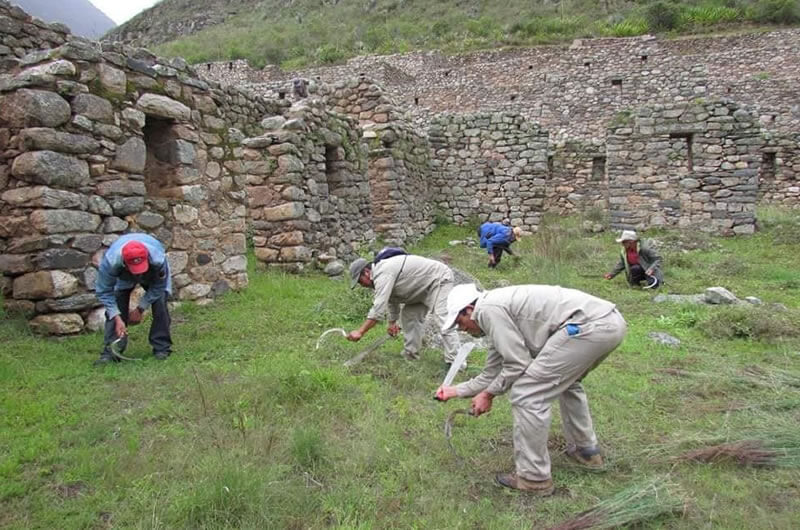
During February, Ministry of Culture staff work along the trail repairing sections damaged by the rains, clearing vegetation that grows over the historic stones during the wet season, carrying out conservation work at the archaeological sites along the route, and evaluating the safety conditions of each section for the following season. It is an intense month of work that helps keep the trail in the best possible condition when the Inca Trail reopens on March 1.
The Salkantay Trek: the most complete alternative available in February
The Salkantay Trek does not have a monthly closure. It is open twelve months a year with no regulated restrictions and without the permit system from the Ministry of Culture that limits the Inca Trail to 500 people per day. In February, when the Inca Trail is completely closed, the Salkantay Trek operates normally and offers some of the best availability of the year because overall trekking demand in the region is lower than during the high season.
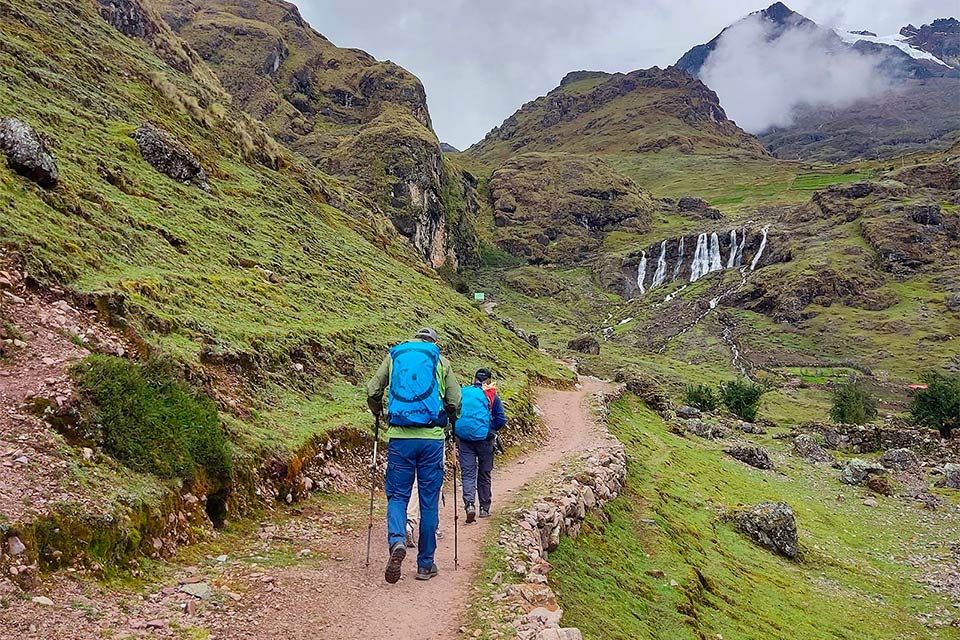
February is the rainiest month of the year in the region, which means the Salkantay Trek during this month is done with rain. That does not prevent the route from operating: the Salkantay Pass is crossed, the valleys of Santa Teresa are explored, and Machu Picchu is visited just as in any other month. What changes is the landscape. The vegetation in the intermediate valleys of Salkantay in February has a lushness and intensity of color that the dry months simply cannot produce. The streams and waterfalls on the third day are stronger, the wildflowers along the trail are in full bloom, and the green tones of the valley during this period have a saturation that dry-season photos rarely show.
The Salkantay Pass in February may have fresh snow in the highest sections, which requires footwear with good grip and proper warm clothing, but it also adds a visual dimension to the mountain pass crossing that does not exist during the dry months. Several travelers who have done the Salkantay Trek at different times of the year describe February as one of the most visually rich months of the route, precisely because of the wild character that the wet season creates around the glacier environment.
At Incredible Peru Tours, we operate the Salkantay Trek during February with full service capacity and with the same high standards in guides and equipment as during any other month of the year. Availability during this month is greater than in the high season, prices are generally more accessible, and the number of groups on the trail is considerably lower, creating a more peaceful and intimate experience than in July or August.

The Lares Trek: Andean culture with no monthly closure
The Lares Trek also does not close in February. The four-day route that crosses Quechua-speaking communities in the district of Lares, in the province of Calca, operates year-round. In February, it has a feature that few guides mention: the communities of the Lares Valley are in full agricultural activity, with potato and other Andean tuber planting underway, and with a level of community life that often becomes less visible during the busiest tourism months.
Visiting these communities in February, when tourism is lower and local activity is at one of its most active points, creates a more genuine cultural encounter, less shaped by the presence of large organized groups. For travelers looking for the real Andean Peru over a purely trekking-focused experience, Lares in February offers that dimension in a more accessible way than during the high season.
The Inca Jungle Trek: adventure with no restrictions in February
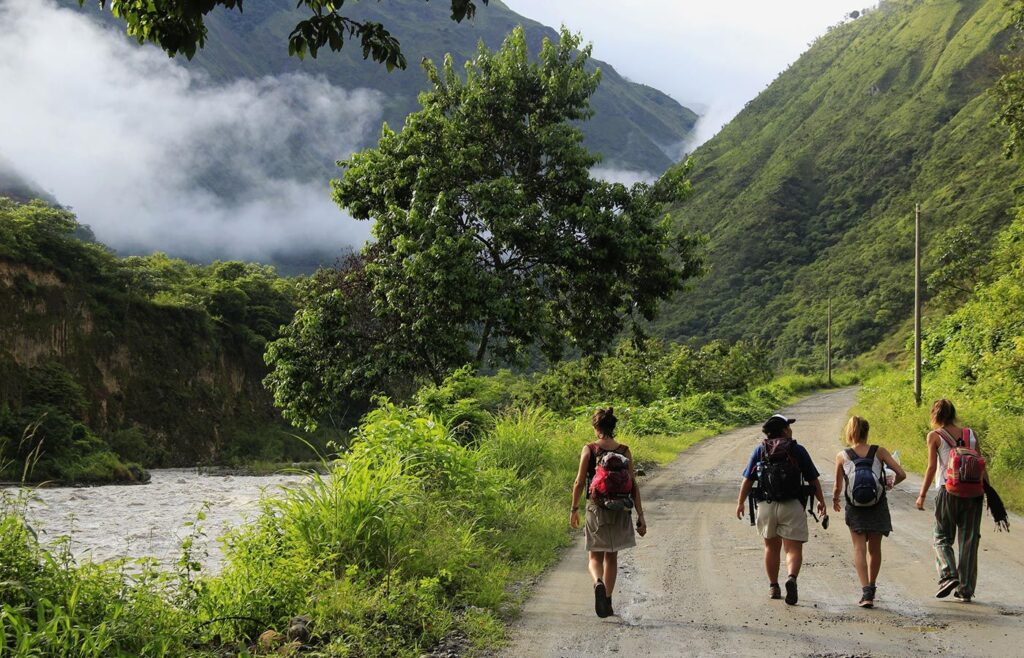
The three-day Inca Jungle Trek, with its mountain bike descent from Málaga Pass and adventure activities in the intermediate valleys, also does not close in February. For groups of friends or travelers looking for activity and adrenaline in addition to nature, this option remains available in full operating conditions during the month when the Inca Trail is closed.
The mountain bike descent in February, with the road surface wetter than during the dry season, requires more attention and a slightly more conservative pace on sharp curves. However, experienced operators adapt the rhythm to the conditions of the day, and travelers with the right attitude toward the rain often describe biking under a light rainfall as one of the most vivid experiences of the route.
The direct train visit to Machu Picchu: the simplest option
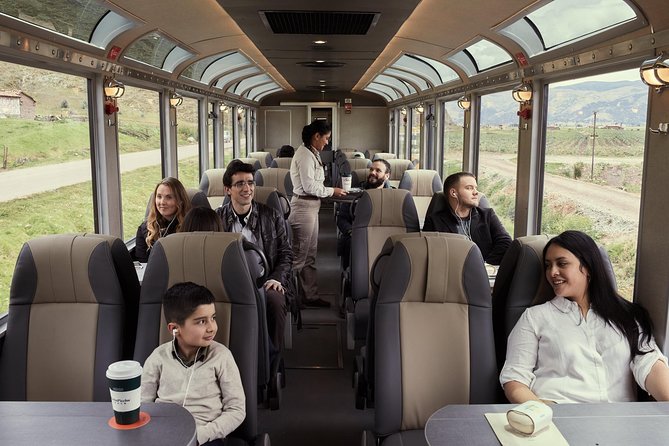
For travelers who do not have the time or desire to do a multi-day trek and are specifically looking to visit Machu Picchu in February, the train option from Cusco or Ollantaytambo to Aguas Calientes, followed by the bus up to the archaeological site, remains fully available. Machu Picchu does not close in February: only the Inca Trail route closes. The archaeological site receives visitors every day of the year.
In February, Machu Picchu tickets usually have greater availability than during the high season because the number of tourists arriving during this month is lower. The earliest morning time slots, which are the most requested throughout the year, are often available with less advance notice than in July or August. Inside the site, the lower number of groups also creates a visit with more space and more calm than during the busiest tourism months.
The landscape of Machu Picchu in February also has its own unique character. Wet-season mist rises along the mountain slopes during the early morning hours, creating the image of the citadel emerging from the clouds, one of the most iconic views of the site and one that is less common during the clear-sky months of the high season than marketing photos often suggest.
Choquequirao: the alternative for travelers who want something completely different
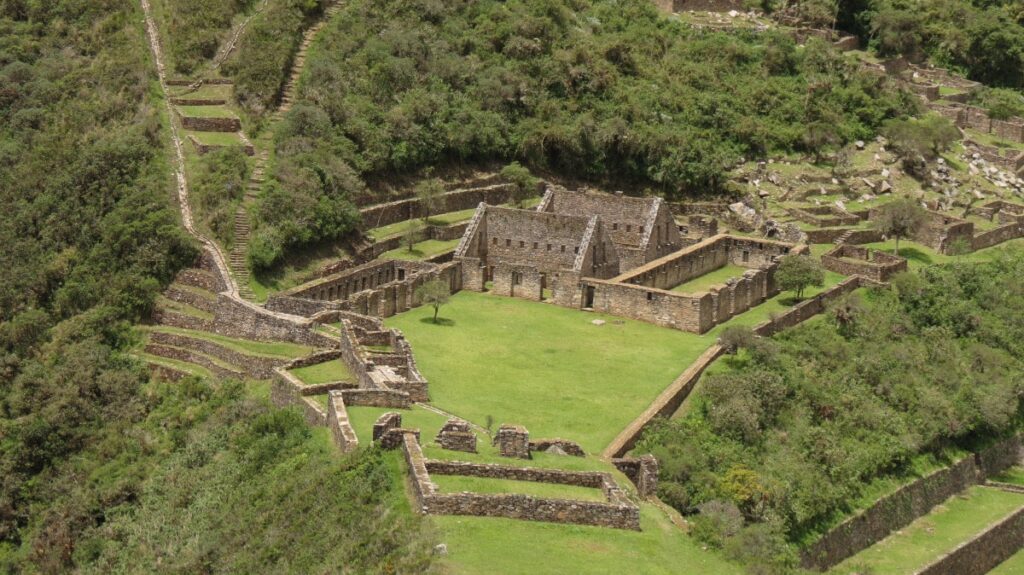
Choquequirao is the most important Inca archaeological site in the region after Machu Picchu, and it is also the most remote. It is located two days on foot from the nearest access point, has an extension comparable to Machu Picchu, and receives approximately one hundred visitors per day during the high season, a very small fraction of the flow that Machu Picchu receives. In February, that number is even lower.
For travelers visiting the Cusco region in February who want an archaeological experience with a level of depth comparable to the Inca Trail, but without the crowds of Machu Picchu and without being affected by the Inca Trail closure, Choquequirao is the most coherent alternative available. The round-trip trek takes between four and five days depending on the pace and the operator, and the solitude on the trail and inside the archaeological site creates an experience that Machu Picchu, despite all its greatness, cannot offer in the same way.
What to do if your trip was already planned around the Inca Trail in February
If you already purchased your flight, booked your hotel in Cusco, and had the Inca Trail in your original February itinerary, reorganizing the trip is not complicated as long as it is handled with enough time.
The first step is to check whether the Inca Trail package was purchased through an agency that offers a date-change or route-change policy without penalty due to the official closure. Some agencies offer this flexibility when the closure is institutional and not caused by the traveler. If the agency does not offer it, travel insurance with activity cancellation or modification coverage may help compensate part of the cost.
The second step is to choose the most suitable alternative for your group’s profile from the options described in this guide. The Salkantay Trek is the most natural choice for travelers who wanted a multi-day trek to Machu Picchu. The direct train visit is the most efficient option for those who do not have extra time in their itinerary. Lares and Inca Jungle are also valid alternatives depending on the type of experience you want to prioritize.
Do you have travel dates in February and need guidance on which alternative to the Inca Trail best fits your group? At Incredible Peru Tours, we operate all alternative routes during February with full service availability and help each group choose the most suitable option based on their profile, dates, and the type of experience they are looking for.


