
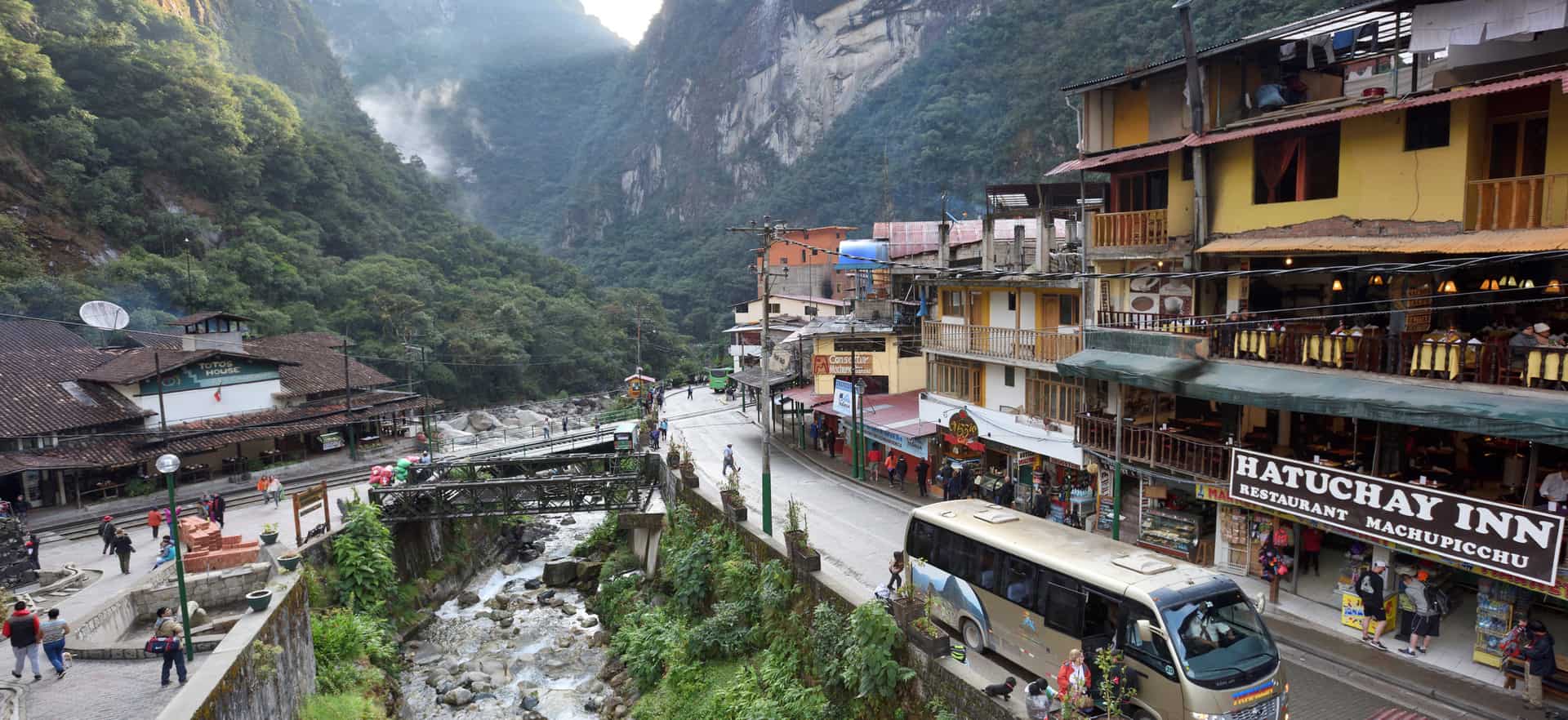
Aguas Calientes, officially called Machu Picchu Pueblo, is the mandatory starting point for those visiting the Inca citadel. This small town nestled in the cloud forest of the Urubamba Valley, at 2,040 meters above sea level, receives thousands of travelers every day who arrive by train from Ollantaytambo or Poroy. Most use it as a simple stopover, but those who stay to explore discover a place with far more character than it seems to have at first glance.
In this guide, we tell you everything you can do in Aguas Calientes, where to eat well without overpaying, and which are the best places to stay depending on your budget and travel style.
What Aguas Calientes is like and why it is worth staying
The town is literally built between mountains. The Urubamba River surrounds it on one side and the Vilcanota on the other, while rock walls and lush vegetation wrap around it from every angle. There are no roads connecting it to the outside world: the only way to get there is by train or on foot via the Inca Trail. That gives it a very special sense of isolation.
The main street, Paseo Manco Cápac, is the lively heart of the town. It is lined with restaurants, handicraft shops, and market stalls that come alive early in the morning. Just a few blocks away, you will find the artisan market, the main square, and the entrance to the hot springs that give the town its name.
Staying one night in Aguas Calientes has a clear advantage: you can go up to Machu Picchu on the first bus in the morning, when the site is still wrapped in mist and there are barely any visitors. Experiencing the citadel almost in silence at sunrise is hard to match if you come from Cusco in a single day.
What to do in Aguas Calientes beyond Machu Picchu
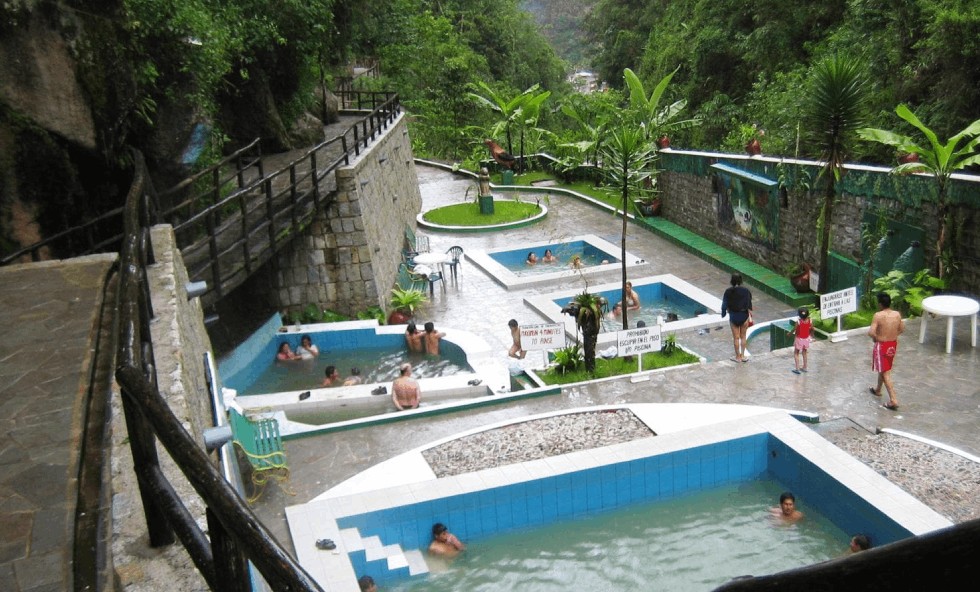
The Aguas Calientes hot springs are the town’s best-known attraction and the reason for its popular name. These are natural thermal pools located about a 10-minute walk from the train station. The hot water, mountain setting, and lush vegetation surrounding the facilities make this a very pleasant place to relax, especially after a long day at the citadel. Admission has a moderate cost, and the opening hours are fairly broad throughout the day.
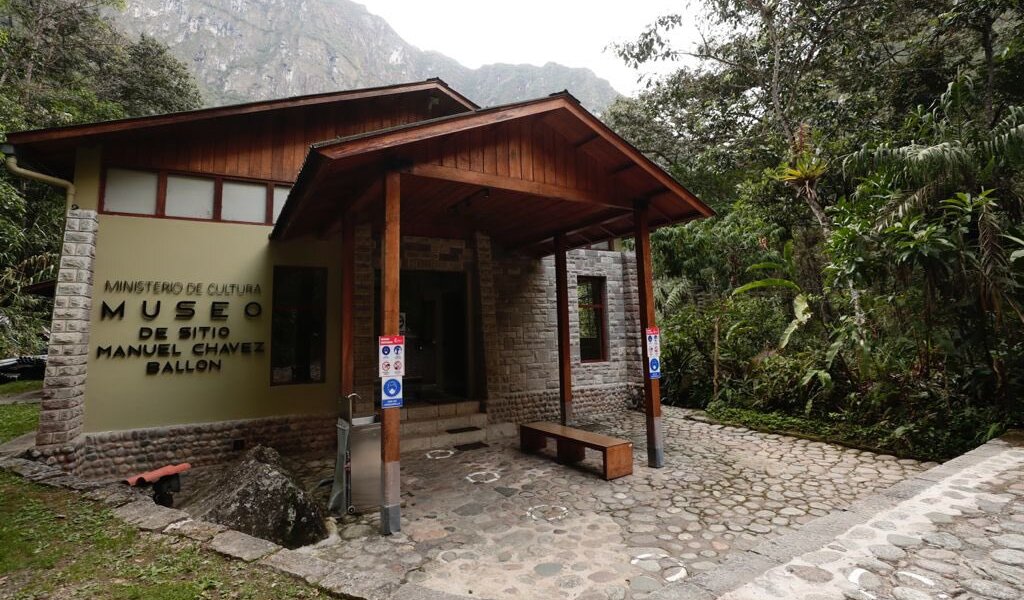
The Manuel Chávez Ballón Site Museum is a visit many tourists overlook and one that deserves attention. It is located about a 20-minute walk from the town center, in the direction of the base of the hill where the bus goes up to Machu Picchu. The museum houses original archaeological pieces found at the site, models of the citadel, and explanatory material about Inca history and the rediscovery of Machu Picchu. Admission is included with the archaeological site entry ticket, so it does not represent an additional expense.
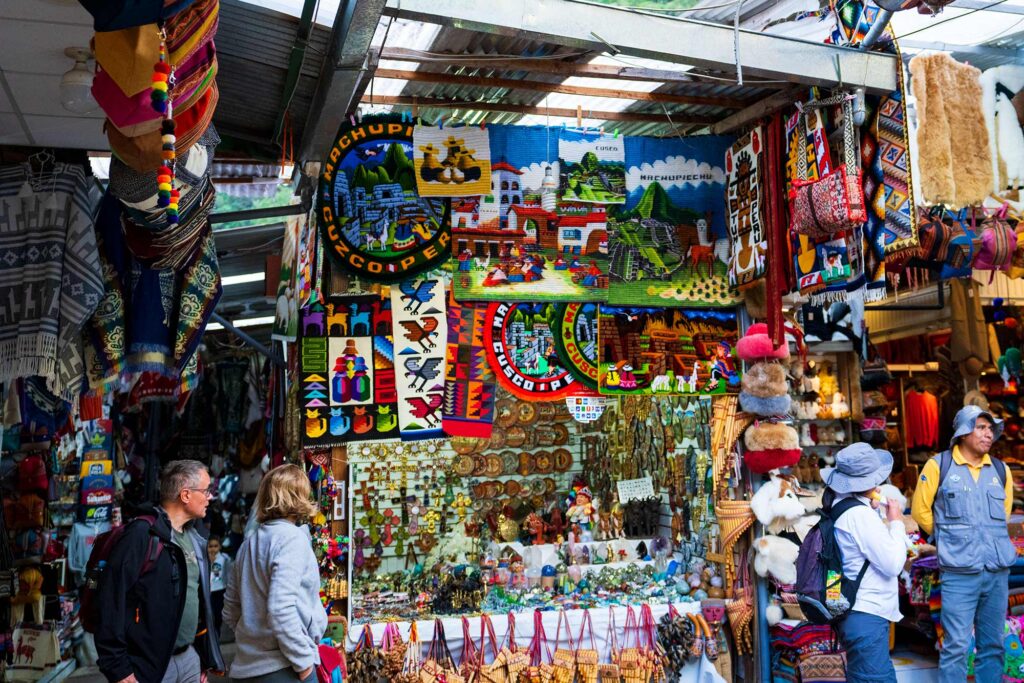
The artisan market covers several blocks in the town center and is the right place to buy souvenirs: Andean textiles, ceramics, replicas of Inca pieces, alpaca clothing, and local jewelry. Prices are negotiable, especially if you buy more than one item. It is advisable to compare before agreeing on a price at the first stall.
The orchid garden is an interesting stop for those who enjoy Andean flora. Near the town, there are several nurseries and gardens where native orchids from the region are cultivated, some of them endemic to the Urubamba Valley. There are short guided visits that include a walk along low-jungle trails.
Walking along the local trails to nearby waterfalls and viewpoints is an option that few people take advantage of. The natural surroundings of Aguas Calientes are spectacular: waterfalls, hanging bridges, and cloud forest vegetation that contrasts with the stone and open sky. If you stay more than one day, these short walks are a wonderful way to disconnect from the main flow of tourists.
Where to eat in Aguas Calientes: options for every budget
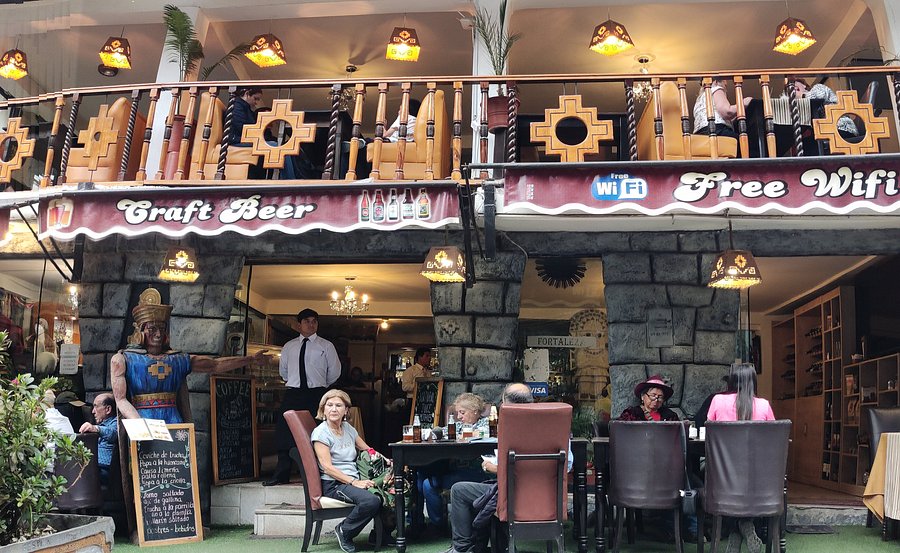
Paseo Manco Cápac has most of the tourist-oriented restaurants. Many have menus in several languages, English-speaking staff, and offerings that mix Peruvian cuisine with international influences. Prices in this area are higher than in the rest of town, but the selection is varied and the quality is generally good.
To eat well without spending much, the best thing to do is move half a block away from the main promenade and explore the inner streets. There, you will find lunch specials at local prices: soup, main course, drink, and dessert for a very affordable price. This is the favorite option for the town’s workers and budget travelers.
The artisan market has, on its ground floor, a food court area with open kitchens where they prepare typical Peruvian dishes: chicken soup, fried trout with garlic, rice pudding, and pork cracklings. It is informal, affordable, and authentic. If you want to try local cuisine without ceremony, this is the place.
Urubamba trout is the star dish of the area. The river surrounding the town is one of the richest in trout in the entire region, and local restaurants prepare it in many ways: grilled, with garlic, in soup, or with passion fruit sauce. If you eat in Aguas Calientes, order trout at least once.
The restaurants on Paseo Manco Cápac offer everything from pizzas and pasta to ceviche, lomo saltado, and vegetarian dishes. Many have terraces with views of the river or the mountains, which makes dinner a pleasant experience. For a relaxed dinner with a good view, this area is worth the extra cost.
Where to stay in Aguas Calientes: guide by type of traveler
The lodging options in Aguas Calientes are broad and cover every budget range. Prices vary greatly depending on the season, proximity to the town center, and included services. Booking in advance, especially during high season, is essential to get good options at reasonable prices.
Budget lodgings and hostels For backpackers and travelers on a tight budget, there is a good number of hostels and guesthouses on streets farther from the main promenade. Most offer private rooms or shared dorms, bathrooms with hot water, a basic breakfast, and Wi-Fi. Prices in this category are very competitive compared to the rest of the region.
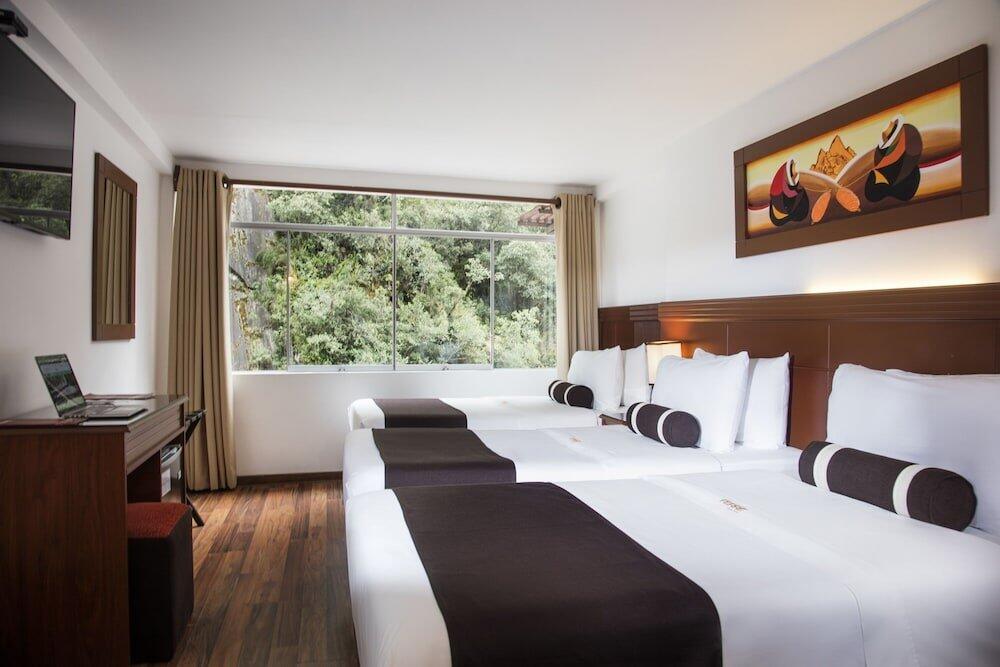
Mid-range hotels This is the most in-demand option for families and couples. Mid-range hotels in Aguas Calientes usually have spacious rooms, an in-house restaurant, safe deposit box service, and personalized attention. Many are located near the river or the main square, with views that make the extra price worth it. In this category, you will find some of the most solid options for those seeking comfort without going all the way to luxury.
Luxury and boutique hotels For those looking for a premium experience, Aguas Calientes has several high-end options. The most recognized combine architecture that blends into the natural surroundings, spas with private thermal waters, gourmet restaurants with signature cuisine, and privileged mountain views. Some of these hotels are literally built over the river or on the hillsides, with architectural designs that make them destinations in themselves. The price is high, but the experience is hard to find anywhere else in the world.
General accommodation tip: If your plan is to enter Machu Picchu in the first morning time slot, staying in Aguas Calientes is practically mandatory. The first bus goes up around 5:30 am, and trains from Ollantaytambo do not arrive that early. Being in town the night before gives you a real advantage in terms of time and peace of mind.
How much money you need for a day in Aguas Calientes
Aguas Calientes has a reputation for being expensive, and in part that is true: since it is a stopover destination accessible only by train, prices are inflated compared to other cities in the region. However, with good choices, it is possible to manage your budget without surprises.
- Meal at a tourist restaurant: between 35 and 80 soles per person for a main dish.
- Lunch special at a local eatery: between 12 and 20 soles, including a drink.
- Admission to the hot springs: around 20 to 25 soles per person.
- Round-trip bus to and from Machu Picchu: around 24 dollars per person.
- Budget hostel stay: from 50 to 100 soles for a double room.
- Mid-range hotel stay: from 250 to 500 soles for a double room.
Keep in mind that many businesses in Aguas Calientes accept U.S. dollars in addition to Peruvian soles, although the exchange rate is usually less favorable than in Cusco. Carrying some cash in soles is always a good idea.
How to get to Aguas Calientes from Cusco
The only way to get there is by train. The two companies operating the route are Peru Rail and Inca Rail, both with departures from Ollantaytambo, the station most used by tourists, 1 hr 45 min from Cusco by bus, and from Poroy station, which is closer to downtown Cusco but has fewer departures. The journey takes between 1 hr 30 min and 2 hours depending on the service and the departure station.
Train prices vary considerably depending on the class and how far in advance you purchase. The Expedition and Vistadome services are the most commonly used by travelers with a standard budget. The Hiram Bingham is the luxury train, with onboard meal service and a considerably higher price.
Do you want to organize your visit to Machu Picchu with a stay in Aguas Calientes included? At Incredible Peru Tours, we design complete packages that include train, accommodation, entrance to the archaeological site, and a specialized guide.


