
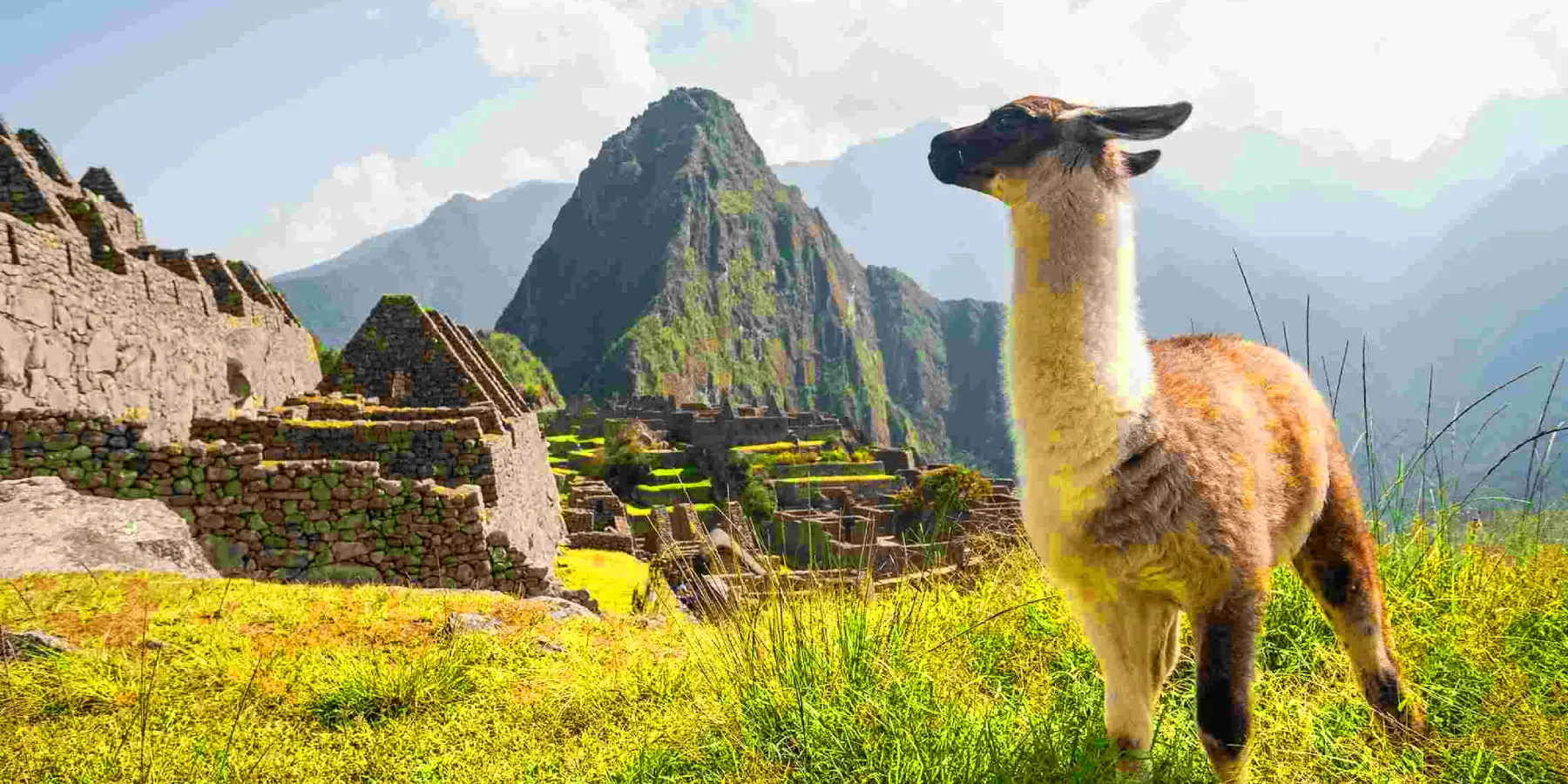
Machu Picchu is not only stone and architecture. The Historic Sanctuary that surrounds it is one of the richest ecosystems on the continent, with a biodiversity that surprises biologists and travelers alike. Walking through the citadel with your eyes open to what lives around it turns the visit into something completely different from what most people expect.
A unique ecosystem of its kind
The Historic Sanctuary of Machu Picchu is one of the most important protected natural areas in the country, recognized both for its archaeological value and for the biological richness it contains. Its geographic position in the transition zone between the Andean mountains and the high jungle creates climatic conditions that are not repeated anywhere else in the territory. It is estimated that the sanctuary contains close to 20% of the total diversity of plants documented in the country, with more than 3,300 species of plants and flowers recorded to date. In the last ten years, researchers have identified within its boundaries 46 new species to science.
The flora: what grows among the stones
Orchids
They are the botanical jewel of the sanctuary. More than 420 varieties have been documented within the protected area, and it is estimated that there are still species yet to be described. Their colors, sizes, and shapes vary dramatically from one to another. Some bloom at the level of the citadel, while others appear on the mountain slopes above 3,000 meters. Among the best known are Masdevallia veitchiana, considered one of the most beautiful orchids in the world, Oncidium, Brassia, and Stanhopea. All of them play an active role in the ecosystem by attracting pollinators such as hummingbirds, bees, and insects.
Cloud forest trees
The sanctuary’s tree vegetation is dominated by native species that have grown here for centuries. The q’euña, intimpa, cedar, alder, and pisonay are the most representative. Their canopies create corridors of shade and moisture that provide the perfect conditions for mosses, ferns, and orchids to develop on their branches. Some of these ferns are millions of years old and are considered living fossils by the botanists who study the area.
Bromeliads, medicinal plants, and sacred crops
Bromeliads add up to around 30 documented species, and some act as small natural water reservoirs for insects and small animals. Coca and muña, plants of deep value in Inca culture, also grow within the sanctuary. Coca was used in rituals and as a stimulant during long workdays. Muña was used to treat digestive and respiratory problems. Both are still present on the slopes of the site and are part of the plant landscape that surrounds the internal paths.
The fauna: the animals that live in the sanctuary
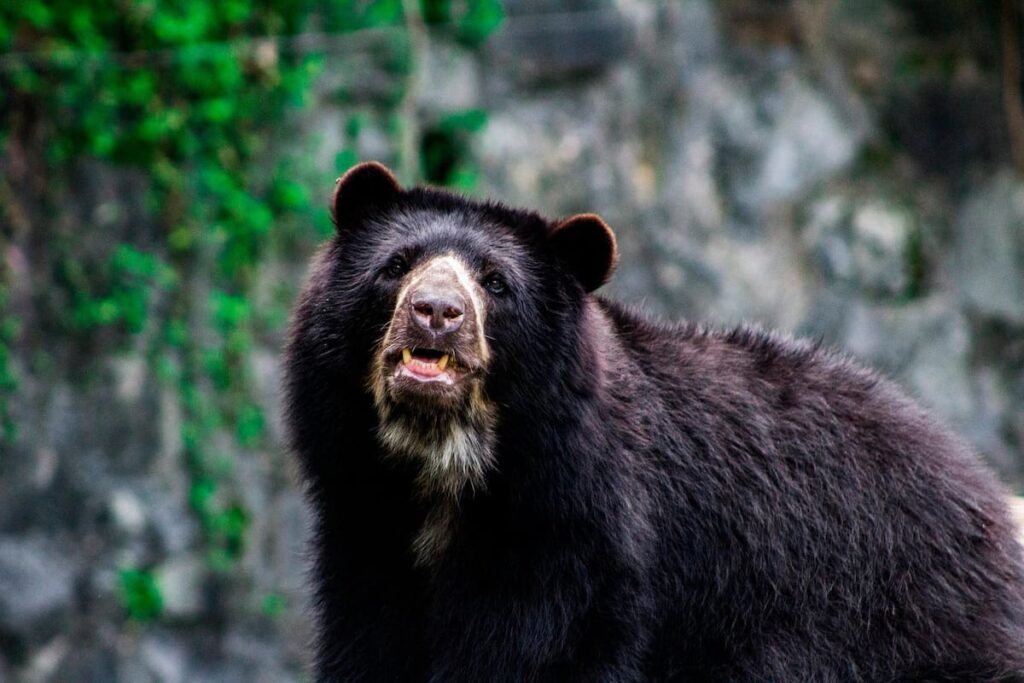
The spectacled bear
It is the only bear in South America and one of the sanctuary’s most iconic mammals. Its dark fur with light markings around the eyes gives it the name by which it is popularly known. It lives in the densest forests of the protected area, where it feeds on fruits, leaves, and small animals. It plays an important role in the ecosystem as a seed disperser. It is classified as a vulnerable species, and seeing it during a visit is something very few travelers experience.
The Andean cock-of-the-rock
It is Peru’s national bird and one of the most striking in the entire sanctuary. The males have bright orange-red plumage with black wings and perform elaborate ritual dances during mating season to attract the females, which have a much more discreet brown tone. It lives in the cloud forests and is commonly seen in the densely vegetated areas along the trails between Aguas Calientes and the citadel, especially in the early hours of the morning.
Hummingbirds
More than 30 different species have been recorded within the sanctuary. They are essential pollinators in the ecosystem and maintain a direct relationship with orchids, whose nectar they feed on. Their fast flight and the characteristic sound of their wings make them hard to photograph but easy to notice while walking along the internal paths of the citadel.
Butterflies
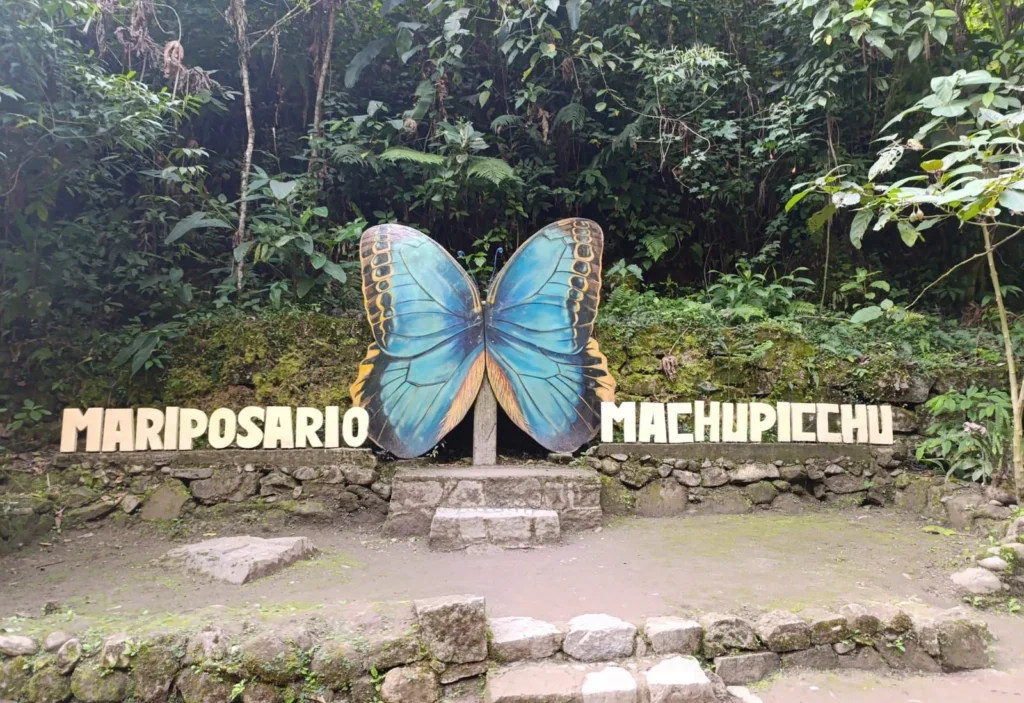
The sanctuary is home to nearly 300 species of butterflies, many of them endemic to the protected area. It is one of the highest records of butterfly diversity in a protected area in all of South America. Near Aguas Calientes there is a butterfly house where several of these species can be observed up close and where you can learn about their life cycle before going up to the citadel.
Other inhabitants of the sanctuary
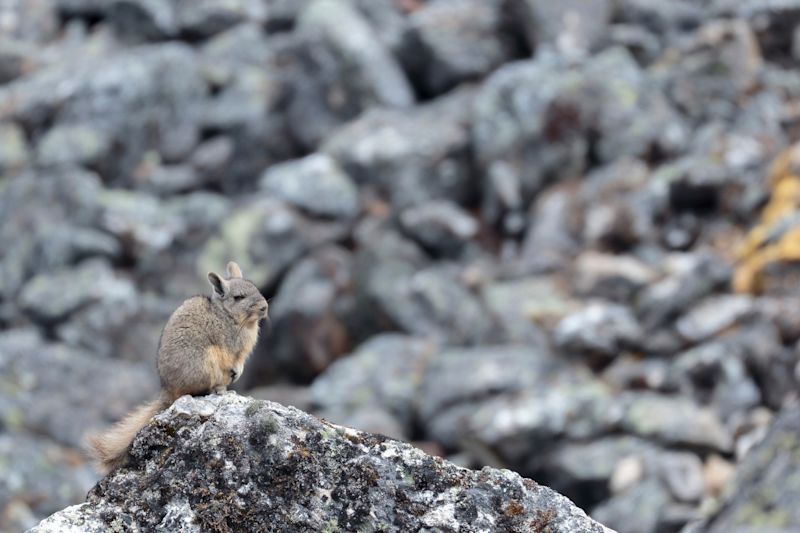
The puma, the Andean fox, the taruca, the viscacha, and a wide variety of reptiles and amphibians complete the wildlife record of the area. The llamas that walk freely through the agricultural sectors of the citadel are the easiest animals to see and photograph during the visit. Their presence among the Inca terraces adds a visual dimension that few people expect to find and that connects directly with the use the Incas gave these animals within the site.
When to see more fauna and flora
The rainy season between November and March is the period of greatest flowering. Orchids are at their most striking, and the vegetation reaches a density and green color that cannot be compared with the dry months. The dry season between April and October offers clearer skies and better conditions for birdwatching, as birds are more active in the cool early morning hours of that time of year.
What the sanctuary is losing
Within the protected area there are more than 116 threatened species, including plants, orchids, and cacti protected by the State. Forest fires, illegal extraction of species, and the impact of unregulated tourism are the main factors affecting this ecosystem. Visiting the site while respecting the established circuits, staying on marked trails, and avoiding touching the vegetation is the most direct way each visitor can help ensure that this environment continues to exist for future generations.
Discover the biodiversity of Machu Picchu with Incredible Peru Tours
At Incredible Peru Tours, we design trips that go beyond Inca architecture. If you are interested in learning about the sanctuary’s biodiversity, we can guide you on the best times of day and year to spot birds, orchids, and wildlife during your visit.


