

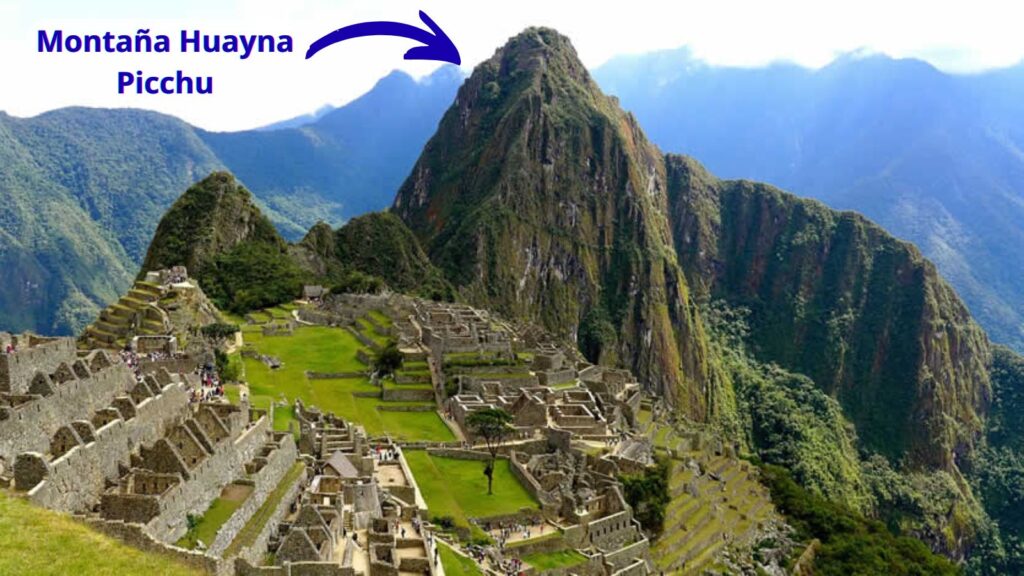
If you are wondering where to take the classic Machu Picchu photo, the direct answer is: from the upper area of the sanctuary, on the upper terraces or viewpoints near the sector known as the Guardhouse. From there, you get the traditional postcard view, with the full citadel seen from above and Huayna Picchu Mountain in the background.
Not all circuits allow you to reach the same panoramic spot. Choosing the wrong ticket may cause you to visit Machu Picchu without passing by the classic photo viewpoint. The right circuit depends on your goal: only taking the photo, combining the photo with a tour of the citadel, or taking a mountain route with different views.
Where to Take the Classic Machu Picchu Photo
The classic Machu Picchu photo is taken from the upper part of the archaeological site, especially from the upper terraces or panoramic viewpoints near the Guardhouse. This area lets you see the citadel from above, with a wide and recognizable composition.
From this point, you can see the main group of structures, the agricultural terraces, the urban sectors, and Huayna Picchu Mountain in the background. That is why, before buying your ticket, it is a good idea to check whether the selected circuit includes a high panoramic view or a similar terrace.
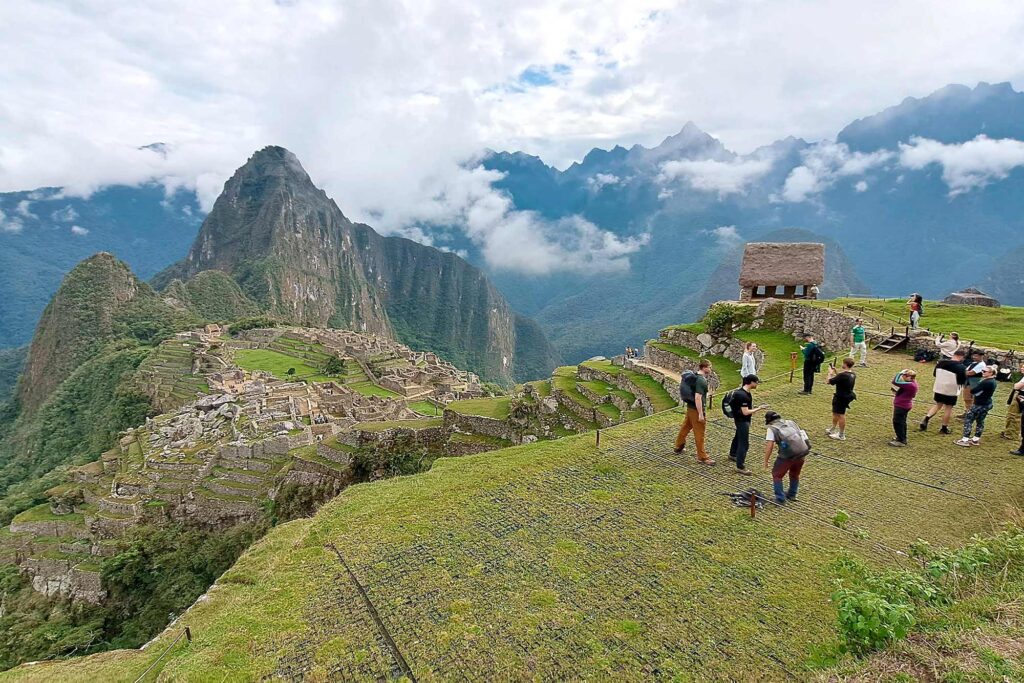
What Is the Classic Machu Picchu Photo?
The classic Machu Picchu photo is the most famous panoramic image of the sanctuary. It is the shot where the full citadel is seen from an elevated area, with the mountains in the background and a wide perspective of the archaeological complex.
It is the photo most travelers look for as a memory of their visit. It is not just a beautiful image, but also a view that helps you understand Machu Picchu’s location, its layout, and the relationship between terraces, temples, and mountains.
Where Is the Classic Photo Viewpoint?
The classic photo viewpoint is located in the upper part of the route, before descending toward the inner sectors of the citadel. Depending on the route, the entrance may first take you toward terraces or panoramic spots where you can get the general view.
Access does not depend only on arriving early or walking more. It mainly depends on the circuit and route you purchased. Inside Machu Picchu, you cannot freely change routes to look for another viewpoint if your ticket does not allow it.
The Guardhouse and the Upper Terraces
The Guardhouse is a key reference point for locating the postcard photo area. Near this sector, there are high terraces where you can get one of the most sought-after views of Machu Picchu.
Some routes allow you to reach a higher and more direct view. Others offer a similar perspective from a lower terrace. The difference may look small on the map, but in the final photo it changes the angle, height, and width of the citadel.
Why Not All Visitors Get the Same Photo
The most common problem is buying a ticket that does not pass by the panoramic viewpoint. Many travelers believe that any Machu Picchu ticket allows access to the upper area, but each circuit has a defined route.
The ticket determines where you can walk and which sectors you can visit. Once inside the sanctuary, the control staff guides the flow of visitors, and it is not possible to change circuits as if it were an open route.
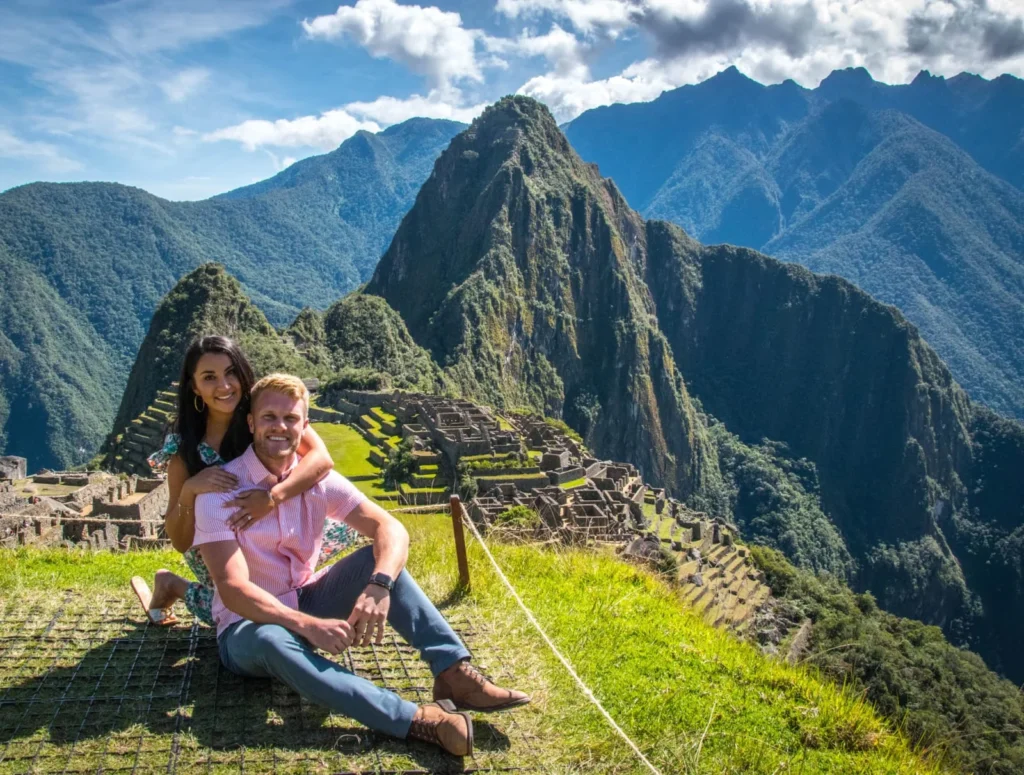
Which Circuit to Choose for the Classic Machu Picchu Photo
To choose correctly, first define what you expect from your visit. If your top priority is the classic photo, it is best to look at panoramic routes. If you want the photo and an archaeological explanation, Circuit 2 is usually more balanced. If you want a mountain route, you must check whether that ticket includes the traditional viewpoint or not.
Confusion happens because circuit and route names can change or have variations depending on official availability. Before paying, review the current ticket map and confirm whether it passes by the upper terrace, lower terrace, or panoramic view.
Circuit 1 Panoramic: The Best Option If You Only Want the Classic Photo
Circuit 1 Panoramic is focused on the upper views of Machu Picchu. It is one of the best options for travelers who want to prioritize the classic photo from the upper area and do not need to visit all the inner sectors of the citadel.
It is also convenient for travelers with limited time or for those who prefer a shorter visit focused on the postcard view. Its main advantage is the view; its disadvantage is that it may not include as complete an archaeological route as other options.
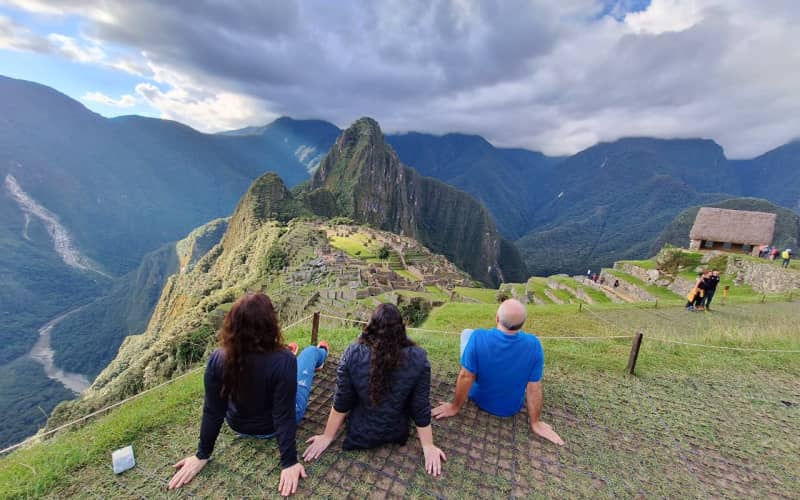
Upper Terrace Route: The Most Direct Option for the Postcard View
The Upper Terrace Route is one of the most requested options when the main goal is to get the panoramic view. Because it is focused on the upper area, it is usually a direct alternative for taking the classic Machu Picchu photo.
It is ideal if you want the image from an elevated position, but not necessarily a full route through plazas, temples, and inner sectors. Before buying, confirm that the available route corresponds to the upper terrace on the current official map.
Circuit 2 Classic: The Best Option If You Want the Photo and a Tour
Circuit 2 Classic is usually the most balanced option for a first visit. It allows you to combine a similar panoramic view with a route through important sectors of the citadel, depending on the specific route chosen.
If you want a more complete visit, this is usually a better alternative than choosing only a panoramic route. The advantage is that you do not leave with only the photo; you also gain a better understanding of the agricultural, urban, and ceremonial spaces.
Route 2A or 2B: Which One to Choose for a Good Photo
Routes 2A and 2B are designed for a classic visit, but they can vary in angle, height, and route coverage. One may offer better access or a better position for the panoramic photo, while the other may prioritize a different section inside the citadel.
The decision should be made by reviewing the official map before buying. It is not a good idea to choose only by the circuit name. If the classic photo is essential for you, confirm that the route includes a panoramic terrace or an equivalent view from the upper part.
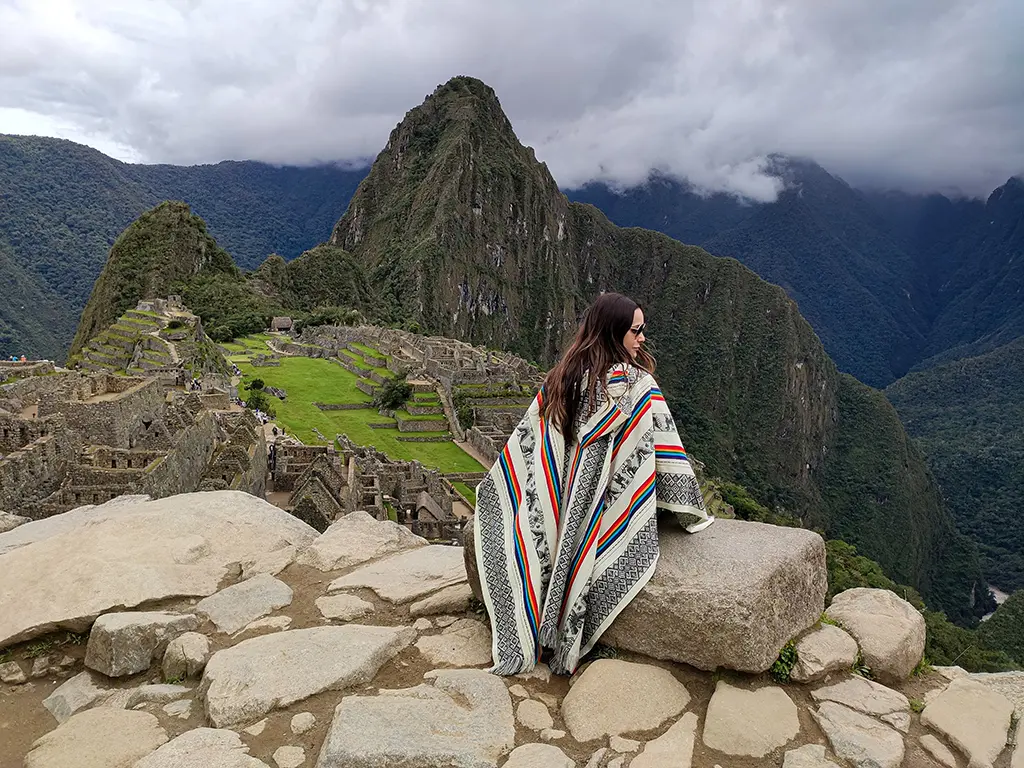
Circuit 3 Royalty: When It Is Not Recommended If You Want the Classic Photo
Circuit 3 Royalty is more focused on the lower part of Machu Picchu or on specific sectors of the citadel. It can be interesting for visiting certain spaces, but it is usually not the best option if your absolute priority is the panoramic postcard view from above.
If you buy this ticket expecting the classic view from the upper terraces, you may be disappointed. Before choosing it, check whether the route matches what you want to photograph and not only what happens to be available at the moment.
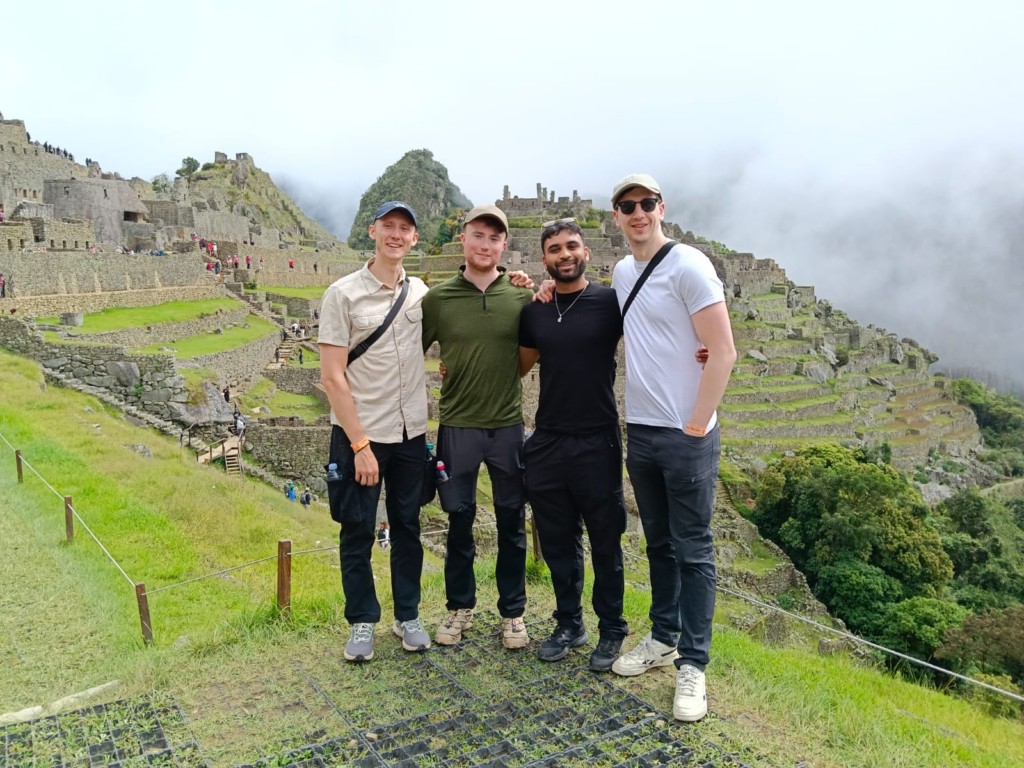
Best Circuit According to Traveler Type
The best ticket is not the same for everyone. A traveler who only wants the photo needs a different route than someone who wants to walk through the citadel with a guide or climb a mountain. The following table helps you decide quickly according to your priority.
| Traveler type | Recommended circuit | Photo type | Route | Difficulty | Best for |
|---|---|---|---|---|---|
| Wants only the postcard photo | Circuit 1 Panoramic or Upper Terrace Route | High panoramic view | Shorter, focused on viewpoints | Moderate due to stairs and uneven paths | Travelers with limited time or photo priority |
| Wants photo and citadel | Circuit 2 Classic | Similar panoramic view, depending on route | More complete through archaeological sectors | Moderate | First visit and travelers seeking balance |
| Wants a mountain | Route with Huayna Picchu, Huchuy Picchu, or Machu Picchu Mountain | Different views from above | Includes an additional hike, depending on ticket | Medium to demanding, depending on the mountain | Travelers in good physical condition with more time |
| Travels with children or older adults | Less demanding panoramic route or reviewed classic route | Depends on the permitted access | Should avoid very strenuous sections | Low to moderate, depending on route | Families who need to walk calmly |
| Only has one chance | Circuit 2 if available, or panoramic if the photo is the priority | Panoramic photo plus tour, if the route allows it | Balanced | Moderate | Travelers who do not want to risk missing the traditional postcard view |
If You Want the Classic Photo Without Walking Too Much
If your main goal is the postcard photo and you prefer a shorter visit, a panoramic route in Circuit 1 is usually the most practical choice. It is designed for views from the upper part and avoids extending the route too much through inner sectors.
Even so, this does not mean there is no physical effort. The upper area may include stairs, ramps, and uneven ground. It is best to move calmly, carry a light backpack, and review the route difficulty before buying.
If You Want the Classic Photo and to Visit the Citadel
If you want to combine the classic photo with an archaeological route, Circuit 2 is usually the most complete option. It offers a more balanced experience because it is not limited to viewpoints and may include important sectors of the citadel.
This alternative is especially convenient if it is your first visit to Machu Picchu. It helps you take home the panoramic image while also understanding more clearly how the terraces, plazas, enclosures, and inner paths are organized.
If You Want to Climb a Mountain and Get Different Views
Mountain routes can offer very wide views and different angles of Machu Picchu. Huayna Picchu, Huchuy Picchu, or Machu Picchu Mountain add hikes with schedules and difficulty levels that should be evaluated carefully.
These views do not always replace the traditional classic photo from the upper terraces. If that postcard view is essential, check whether the mountain route includes the panoramic viewpoint before booking.
If You Travel with Children or Older Adults
If you travel with children or older adults, it is best to prioritize routes with lower physical demand. The upper area may have stone stairs, narrow sections, and uneven paths that feel more difficult when there is rain, strong sun, or many people.
Before buying, review the difficulty of the circuit and avoid choosing a route only because it offers the highest photo spot. Sometimes a lower terrace with a good view may be more convenient than a demanding route for the group.
If You Only Have One Chance to Visit Machu Picchu
If you will visit Machu Picchu only once, the safest choice is to select a ticket that combines a panoramic photo and a tour, as long as there is availability. Circuit 2 is usually a good option when you want to reduce the risk of missing an essential part of the visit.
Buying only a lower route may leave you without the classic postcard photo. If you have questions about availability, circuits, trains, and entrance times, you can contact the Incredible Peru Tours team to coordinate the logistics before finalizing your trip.
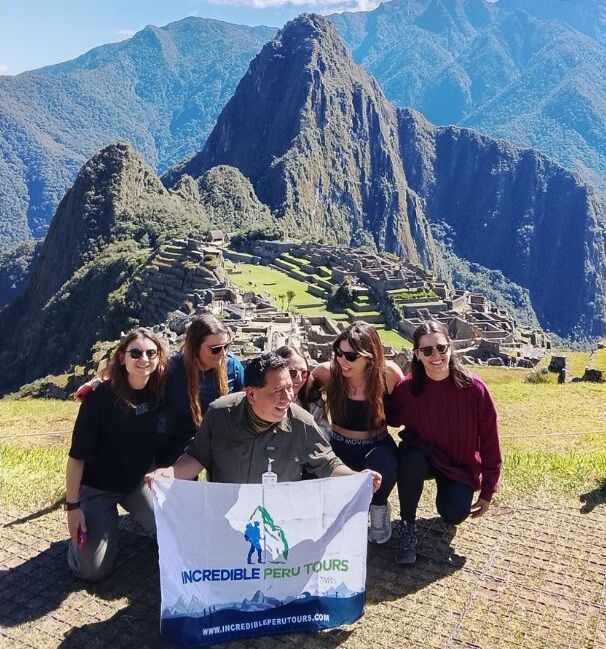
How to Get to the Classic Photo Spot Inside Machu Picchu
To get to the classic Machu Picchu photo spot, it is very important to respect the circuit and route shown on your entrance ticket. Not all tickets allow access to the same viewpoint, so it is not a good idea to assume that any entrance ticket works for taking the traditional panoramic photo.
The classic photo is taken from the upper or panoramic area, near the upper terraces, where you can see the Inca citadel with Huayna Picchu Mountain in the background. To access this sector, you must have a ticket that includes this authorized route. If your ticket belongs to another circuit, you must follow only the permitted route and should not try to change paths inside the sanctuary.
When you enter Machu Picchu, the staff will check your ticket, and you must continue along the assigned route. The routes are marked and controlled, so taking shortcuts, going back, or entering areas that do not correspond to your circuit is not allowed. This helps organize the flow of visitors and protect the archaeological heritage.
If your main goal is to get the classic photo, it is recommended to check before purchasing which circuit includes access to the panoramic area. If you have any doubts, you can consult a specialized agency to choose the correct ticket according to your travel date, schedule, and availability.
Once inside, walk calmly, follow the signs, and respect the instructions given by the sanctuary staff. If there are many visitors at the viewpoint, wait your turn without blocking the path or leaving your assigned circuit. Remember that the best experience starts with purchasing the right ticket from the beginning and respecting the authorized route throughout your visit.
Best Time to Take the Classic Machu Picchu Photo
The best time to take the classic photo depends on what you prefer: soft light, less fog, fewer visitors, or a convenient connection with trains and buses. Morning, midday, and afternoon each have advantages and disadvantages.
The weather in Machu Picchu can change quickly. That is why it is best to choose a realistic time according to your itinerary and not assume that any time slot guarantees a clear sky.
Classic Photo in the Morning
The morning can offer a calmer visit and a special atmosphere when clouds move through the mountains. However, fog is also common, especially during certain months or after rain.
Do not get frustrated if the view is covered at first. Sometimes the fog clears for a few moments and reveals the citadel for only a few minutes. Keep your camera ready and wait if your circuit and visitor flow allow it.
Classic Photo at Midday
At midday there may be more light and, in many cases, better visibility. If the fog has already lifted, the citadel can be seen more clearly from the high viewpoints.
The disadvantage is that the light may be stronger and create harsh shadows or excessive glare in the photo. There may also be more visitors, depending on the season and ticket availability.
Classic Photo in the Afternoon
The afternoon can offer softer light and a different atmosphere for the classic photo. On some days, the contrast between terraces, mountains, and citadel looks better than at midday.
You must respect your entrance time and the site closing times. You also need to coordinate the bus down and the return train carefully, especially if you are returning to Cusco on the same day.
What to Do If There Is Fog
If fog covers Machu Picchu, wait patiently if your circuit allows it. Fog can move quickly and open short windows of visibility, especially when the wind changes or the temperature rises.
Protect your camera or phone from moisture and avoid leaving the area too soon. Sometimes the difference between seeing nothing and getting a good photo is waiting a few minutes in the right spot.
Which Months Have the Best Weather for Photos?
The dry season usually offers better chances of clear skies, although it does not guarantee perfect weather. Even in months with less rain, there may be clouds, fog, or sudden weather changes during the day.
The practical recommendation is to prepare for both sun and rain. Bring light protection, check the forecast before going up, and choose a circuit that truly passes through the panoramic area if the photo is your priority.
Common Mistakes When Choosing a Circuit for the Classic Photo
Many travelers miss the chance to take the classic photo because of mistakes when buying the entrance ticket. It is usually not a problem inside Machu Picchu, but rather a poor decision before arriving.
The safest way to avoid this is to review the circuit, route, map, and goal of the visit before paying. Buying just any available ticket is not enough.
- Buying a ticket that does not pass by the panoramic viewpoint
- Believing that all circuits allow the same photo
- Choosing a mountain route without checking whether it includes the classic photo
- Buying train and hotel first before securing the correct entrance ticket
- Arriving late for your entrance time
Classic Photo or Full Tour: Which Is Better?
There is no single answer for everyone. If your priority is taking home the traditional postcard view, a panoramic route may be enough. If you want to understand the site with more context, it is better to choose a route that includes archaeological sectors.
The decision should consider your available time, physical condition, whether it is your first visit, and which type of ticket still has availability. Ideally, you should not sacrifice the photo if you know it will be important to you.
When It Is Best to Prioritize the Classic Photo
It is best to prioritize the classic photo if you have limited time, if the main postcard view is your biggest motivation, or if you have already visited Machu Picchu before and now want a shorter visit. In that case, Circuit 1 or a panoramic route can work well if available.
The advantage is that you focus your energy on the upper area. The disadvantage is that you may have less time in the inner sectors, so it is not the best option for those who want a broad explanation of the site.
When It Is Best to Prioritize the Citadel Tour
It is best to prioritize the citadel tour if you want to understand temples, plazas, agricultural sectors, and urban areas. In that case, Circuit 2 usually offers a better balance between panoramic view and archaeological visit.
This option is recommended for first-time visitors who want more than a photo. With a good route, the panoramic image is complemented by a clearer understanding of what you are seeing from above.
What to Choose If It Is Your First Visit
If it is your first visit, it is most recommended to choose a route that allows a good photo and a tour, as long as there is availability. Circuit 2 is usually a solid alternative so you do not limit the experience to only one viewpoint.
If the classic photo is essential for you, verify that detail before buying. Do not assume that all classic routes or all available tickets include the same panoramic view.
What to Choose If You Travel with a Guide
If you travel with a guide, you can make better use of the circuit you choose. A guide can explain the history of the site, organize the stops, and help you identify the best moments for photos within the permitted route.
A guide can also help you avoid confusion inside the sanctuary. Even so, the guide cannot change the areas allowed by your ticket, so choosing the correct circuit remains the main step.
Circuits That Can Confuse You When Buying
When buying the ticket, circuit and route names can create doubts. Some options sound similar, but they do not offer the same view or the same type of route.
Before booking, review the description and map of each route. If the goal is to know where to take the classic Machu Picchu photo, the key detail is whether the ticket passes through the upper area or a panoramic terrace.
Panoramic Circuit
The Panoramic Circuit is focused on upper views and photography. It is useful for travelers looking for the classic photo because it is usually centered on terraces or viewpoints where the citadel can be seen from above.
Its limitation is that it may not include a deep route through the inner sectors. If you want a complete explanation of temples, plazas, and enclosures, it may feel limited compared with a classic route.
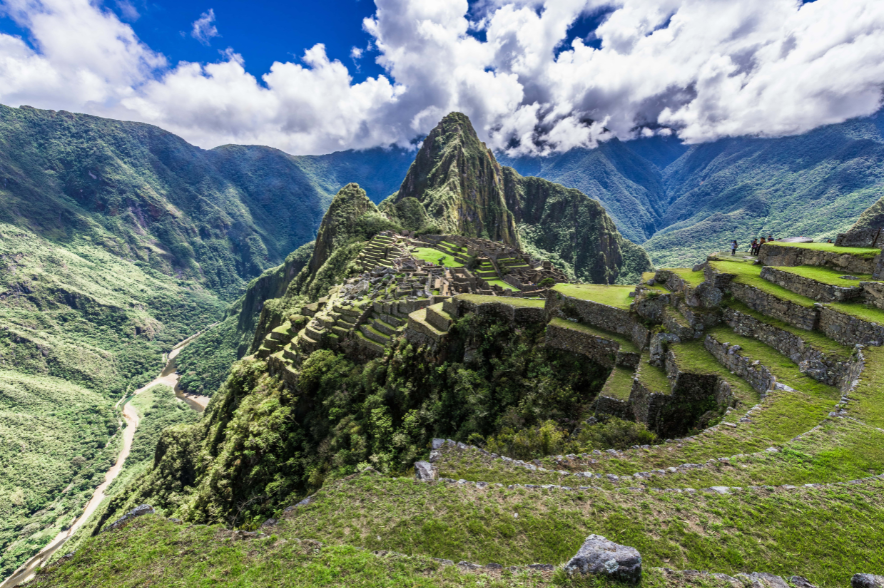
Classic Circuit
The Classic Circuit is designed for a more complete visit. It can be the best option for travelers who want to combine a good panoramic photo with a route through important archaeological sectors.
Within this circuit, there may be routes with differences in angle and coverage. That is why you should check whether the specific route you are going to buy allows the view you expect from the upper part.
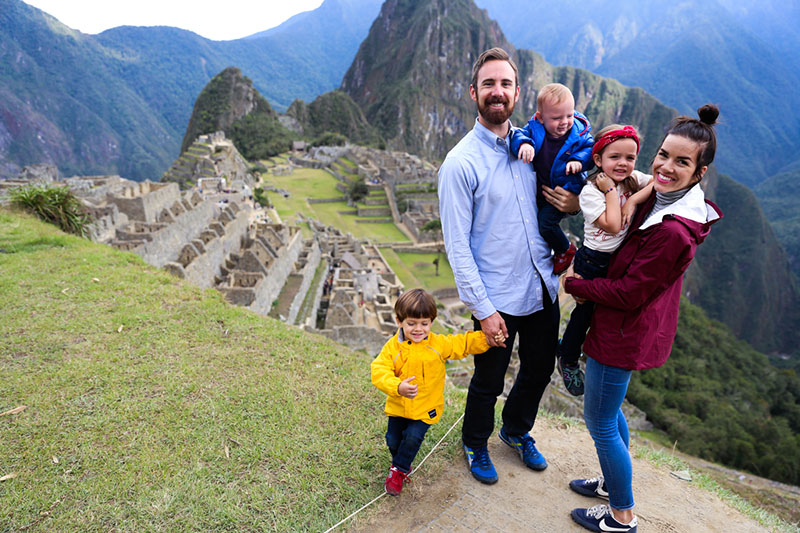
Royalty Circuit
The Royalty Circuit visits important sectors from another perspective, usually more connected to lower areas or specific spaces. It can provide a different reading of the site, but it is usually not the right choice for travelers looking for the classic photo from above.
If you choose this circuit only because it is available, check carefully which views it includes. It can be a good route for certain interests, but not for someone whose priority is the traditional panoramic postcard view.
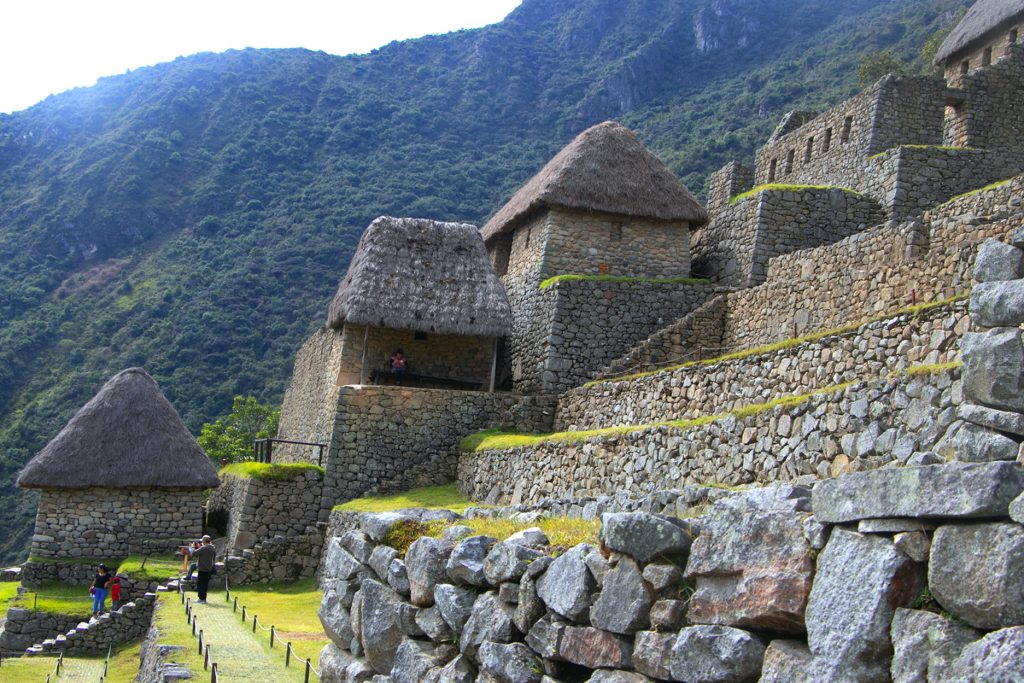
Routes with Huayna Picchu, Huchuy Picchu, or Machu Picchu Mountain
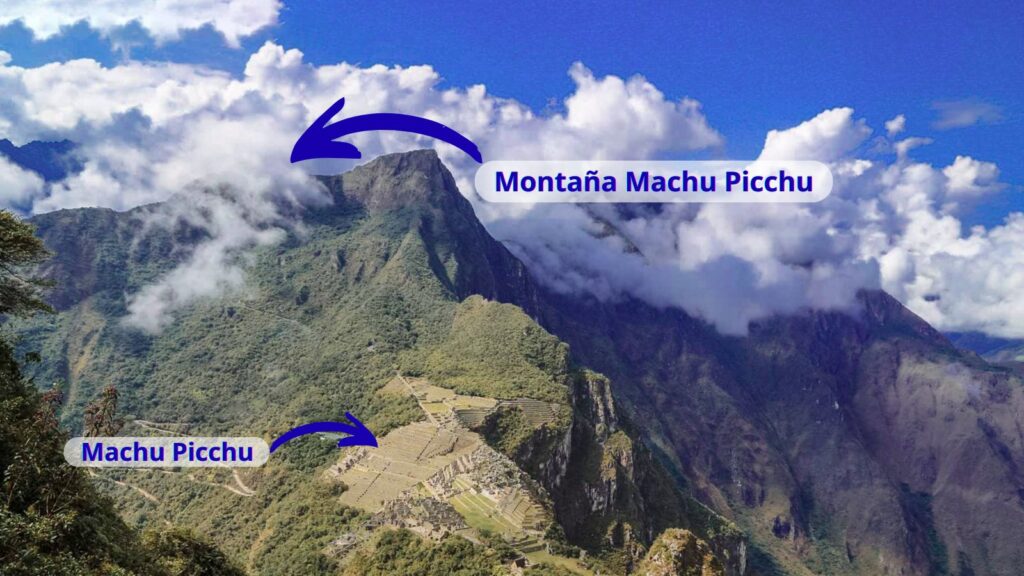
Routes with Huayna Picchu, Huchuy Picchu, or Machu Picchu Mountain add hikes and different views. Each one has physical demands, schedules, and conditions that should be reviewed before buying.
Not all of them replace the classic photo, and not all of them pass by the same viewpoint. If you want both a mountain and the traditional postcard view, confirm on the map whether the route includes the panoramic spot in the upper area.
Tips to Secure the Classic Machu Picchu Photo
To increase your chances of getting the photo you expect, planning matters more than luck. Choose the right circuit, coordinate your schedule, and arrive with your equipment ready.
You should also accept that the weather can change. Good preparation does not guarantee a clear sky, but it does help you avoid mistakes that depend on organization.
- Buy the correct circuit in advance
- Review the circuit map before paying
- Choose a time compatible with train and bus schedules
- Have your camera or phone ready from the entrance
- Do not leave the circuit to look for another angle
Frequently Asked Questions About the Classic Machu Picchu Photo
These answers address the most common questions before buying your ticket. Use them as a practical guide and always verify the current official information before traveling.
What Is the Best Circuit for the Classic Machu Picchu Photo?
Panoramic circuits are the most focused on the classic Machu Picchu photo, especially routes that pass by upper terraces or high viewpoints. If you also want to tour the citadel, Circuit 2 may be a better option. The choice depends on whether you prioritize the photo, the route, or both.
Is the Classic Photo on Circuit 1 or Circuit 2?
Circuit 1 is more focused on the panoramic view from the upper area. Circuit 2 may offer a similar view and also include an archaeological route, depending on the route chosen. Before buying, review the official map to confirm the exact viewpoint.
Can You Take the Classic Photo with Circuit 3?
Circuit 3 is usually not the best option if the priority is the panoramic postcard view from above. It is more focused on lower or specific sectors of the citadel. If the classic photo is essential, it is better to review a panoramic or classic route before booking.
Where Is the Guardhouse in Machu Picchu?
The Guardhouse is in the upper area of Machu Picchu, near the terraces where one of the most famous views of the citadel is obtained. It is a useful reference point for locating the classic photo sector. Access depends on the circuit purchased.
Can I Change Circuits If I Do Not Reach the Viewpoint?
Normally, you cannot freely change circuits inside Machu Picchu. The ticket defines the route, the permitted areas, and the direction of the visit. That is why choosing the right ticket from the beginning is key if you want to reach the panoramic viewpoint.
What Is the Best Time to Take the Classic Photo?
Morning and afternoon can both be good depending on weather and light. The morning may have fog, while the afternoon often offers softer light on some days. No time guarantees a clear sky, so it is best to plan with some flexibility.
What Happens If Fog Covers Machu Picchu?
If fog covers the view, wait if your circuit and the visitor flow allow it. Fog can clear for moments when the wind changes or the temperature rises. Keep your camera protected and ready to take advantage of those minutes.
Do I Need a Guide to Reach the Classic Photo Spot?
You do not always need a guide to find the viewpoint because the circuit and signs guide the route. Even so, a guide can help you understand the route, respect the permitted areas, and make better use of your time. A guide can also suggest proper stops for photos within the circuit.
Can the Classic Photo Be Taken with Any Ticket?
No. The ticket defines the circuit, route, and permitted areas inside Machu Picchu. If you buy a ticket that does not pass through the panoramic area, you may not be able to take the classic photo. Always review the map before paying.
Is It Worth Choosing Only the Panoramic Circuit?
Yes, it is worth it if your priority is the classic photo and a shorter visit. It is a practical option for travelers who want the view from the upper part without doing a long route. If you want to visit more archaeological sectors, a classic route may be more convenient.


