
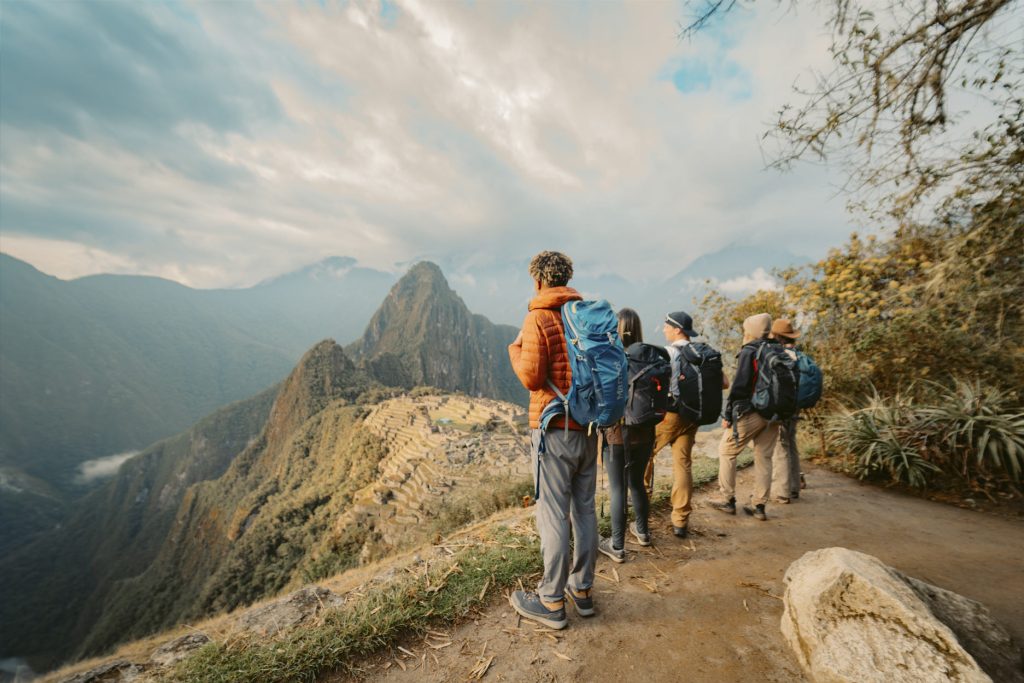
When organizing a trip to Machu Picchu with an agency, one of the first decisions is whether to choose a group tour, sharing the guide and itinerary with other travelers you do not know, or a private tour, with the guide and service exclusively for your own group. This decision affects both the price and the experience, and most people make it without having enough information about what really differentiates the two options on the ground. This guide gives you that information.
How a group tour works: what happens in practice
On a group tour, the agency brings together individual participants or small groups that have booked the same dates and combines them into a shared group that shares the guide, itinerary, and, in the case of trekking, the support team. Group size varies depending on the operator and the season, but it usually ranges from six to sixteen people on trekking packages and may be larger on direct visits to the site.
The pace of the group tour is determined by the guide based on the overall level of the group. If there are slower participants, the group waits. If there are participants with frequent questions about a specific archaeological site, the group spends more time at that point. This collective dynamic has its own advantages and disadvantages, depending on the traveler’s profile.
The price of a group tour is lower than that of a private tour because the fixed costs of the guide, support team, and logistics are distributed among all participants. For solo travelers or couples on a tighter budget, a group tour is the most accessible way to do the Inca Trail or the Salkantay Trek with a reasonable level of service.
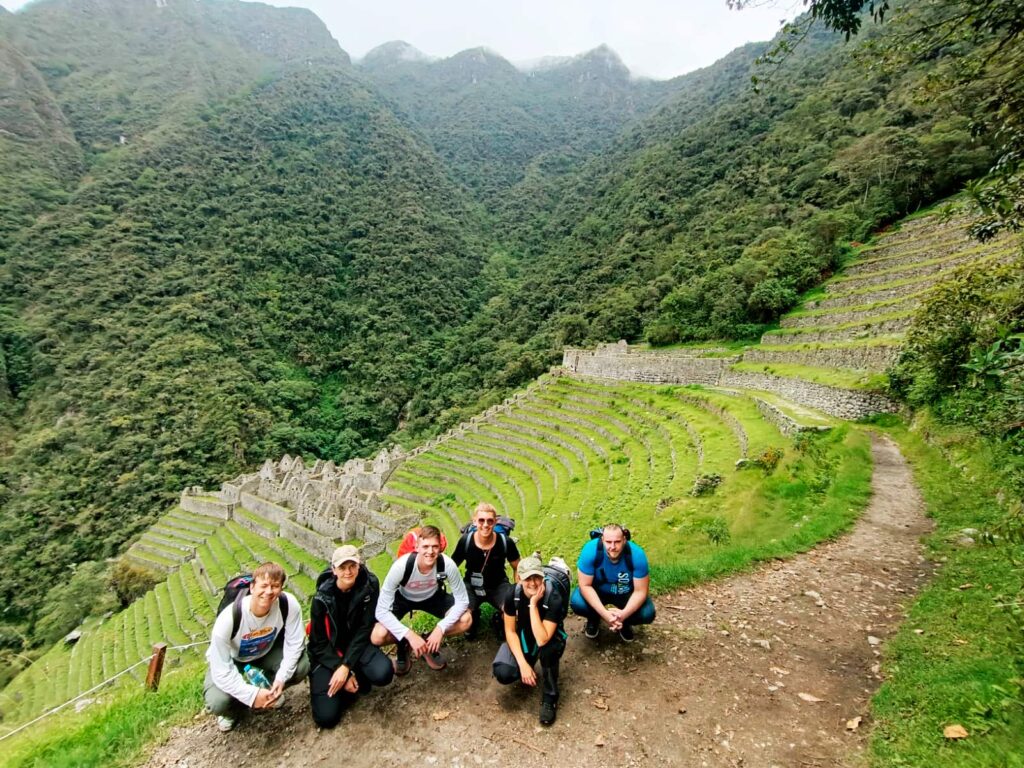
How a private tour works: the exclusive experience
On a private tour, the guide, support team, and all logistics are exclusively dedicated to the group that booked the package. That group can be a couple, a family, a group of friends, or any combination of people who decide to travel together. There are no other unknown participants in the group.
The pace of a private tour is determined by the group, not by an average of several different profiles. If a couple wants to stop for forty minutes at the archaeological site of Phuyupatamarca to photograph the mist among the Inca structures, they stop for forty minutes. If a family with children needs more time during breaks on the second day of the Salkantay Trek, the guide adjusts the pace without anyone outside the group feeling affected. That flexibility in pace is the most concrete argument for a private tour and the one that has the greatest impact on the quality of the experience.
The price of a private tour is higher than that of a group tour because the fixed costs are not distributed among several participants. The price difference varies depending on the number of people: for groups of two, the cost per person is considerably higher than a group tour, but for groups of six or more, the difference decreases until it becomes comparable or even nonexistent in some cases.
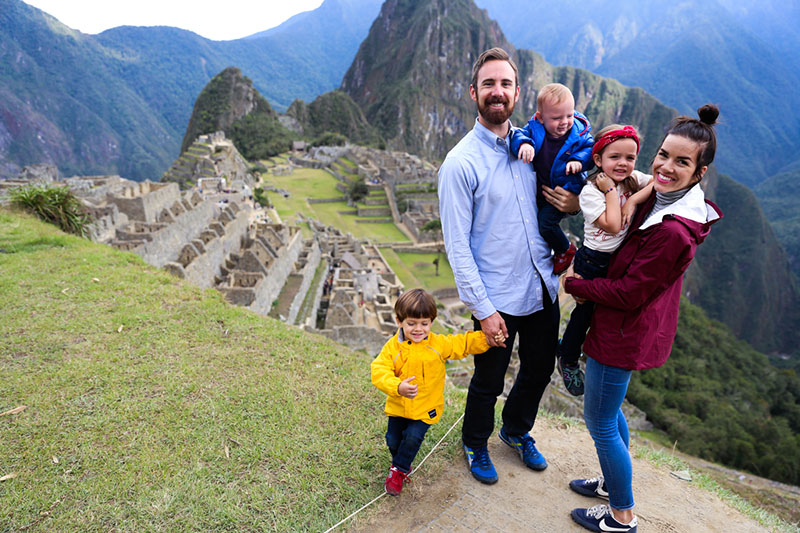
The differences that matter most on the ground
Beyond the price, there are specific differences between group and private tours that are especially noticeable on the Inca Trail and the Salkantay Trek.
The pace of the second day. On both treks, the second day is the most demanding and the one that creates the biggest differences in physical condition among participants. On a group tour with participants of different levels, the group’s pace adapts to the slowest person, which can create frustration for those who move faster and pressure for those who move more slowly. On a private tour, if all group members have a similar level, the pace feels natural and free of that tension. If levels differ within the private group, the guide can manage that difference in a more discreet and personalized way than in a group with strangers.
Time at archaeological sites. On a group tour, the time spent at each site along the route is managed by the guide with the goal of making sure the whole group reaches each point of the itinerary at the scheduled times. On a private tour, that time is adjustable. If someone in the group wants to stay longer at Wiñay Wayna or at the Intihuatana of Machu Picchu, they can stay.
The evening social dynamic. On a group Inca Trail or Salkantay Trek tour, dinners and evenings at camp happen with the whole group gathered together. For solo travelers or couples looking to interact with people from other parts of the world, that dynamic is part of the value of a group tour. For families with children, honeymoon couples, or groups of friends looking for privacy, a private tour creates a completely different evening experience.
Additional unplanned stops. On a private tour, it is possible to make additional stops that would be logistically difficult to manage on a group tour: photographing a sunrise from a specific point on the trail, visiting a local community that is not on the standard itinerary, or spending more time at the Cocalmayo hot springs at the end of the third day of the Salkantay Trek. These small deviations from the standard itinerary are what travelers who have experienced both types of service value most when describing the difference.
Price per person according to group size
The price of a private tour per person depends directly on the number of participants. As a general reference for the five-day Salkantay Trek in 2026 in private service:
- 2 people: approximately $980 per person.
- 4 people: approximately $870 per person.
- 6 people: approximately $750 per person.
- 8 or more people: approximately $680 per person.
For the Classic four-day Inca Trail, private service ranges from $1,000 to $1,500 per person depending on group size, compared to $760 to $900 for standard group service.
The price comparison becomes more favorable for a private tour as the group size increases. For a group of six friends, the price per person of a private tour can be comparable to or even lower than the group tour, with the advantage of having the service exclusively for them. For a couple, the difference is more significant, so it is worth evaluating whether the flexibility of private service justifies the price difference compared to a group tour.
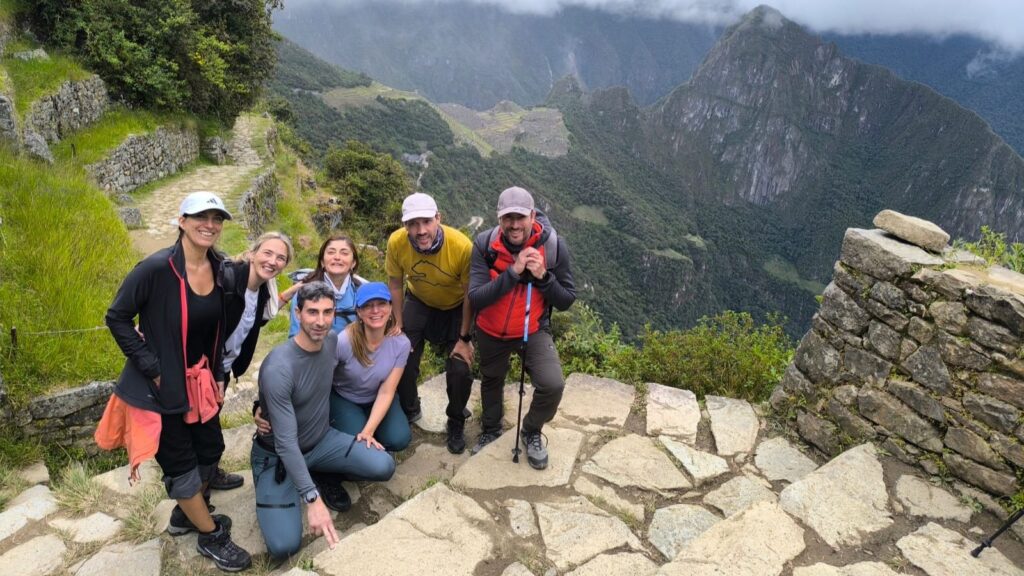
Who each option makes the most sense for
A group tour is a better fit when traveling solo or as a couple on a tighter budget and when the social component of the route—meeting other travelers—is part of the appeal. It also works well when the group’s physical condition is fairly similar and the collective pace will not become a source of tension. And it makes sense when the operator’s standard itinerary covers exactly what you are looking for without the need for specific adaptations.
A private tour makes more sense when traveling as a family with children of different ages and rhythms, when the group includes people with different physical needs, when traveling as a couple or group of friends looking for privacy and itinerary personalization, when it is an anniversary trip or honeymoon where the exclusivity of the service is part of the experience, or when the group is large enough for the price per person to be comparable to group service.
At Incredible Peru Tours, we operate both options with the same level of quality in guides and equipment. The recommendation between one and the other depends on the specific profile of each group, and that is exactly the conversation we have with every client before confirming any booking.
Do you have questions about whether a private or group tour makes more sense for your group and your dates? Write to Incredible Peru Tours with the number of people, the type of trek you are interested in, and the approximate budget you are working with, and we will prepare the most suitable proposal for your situation.


