
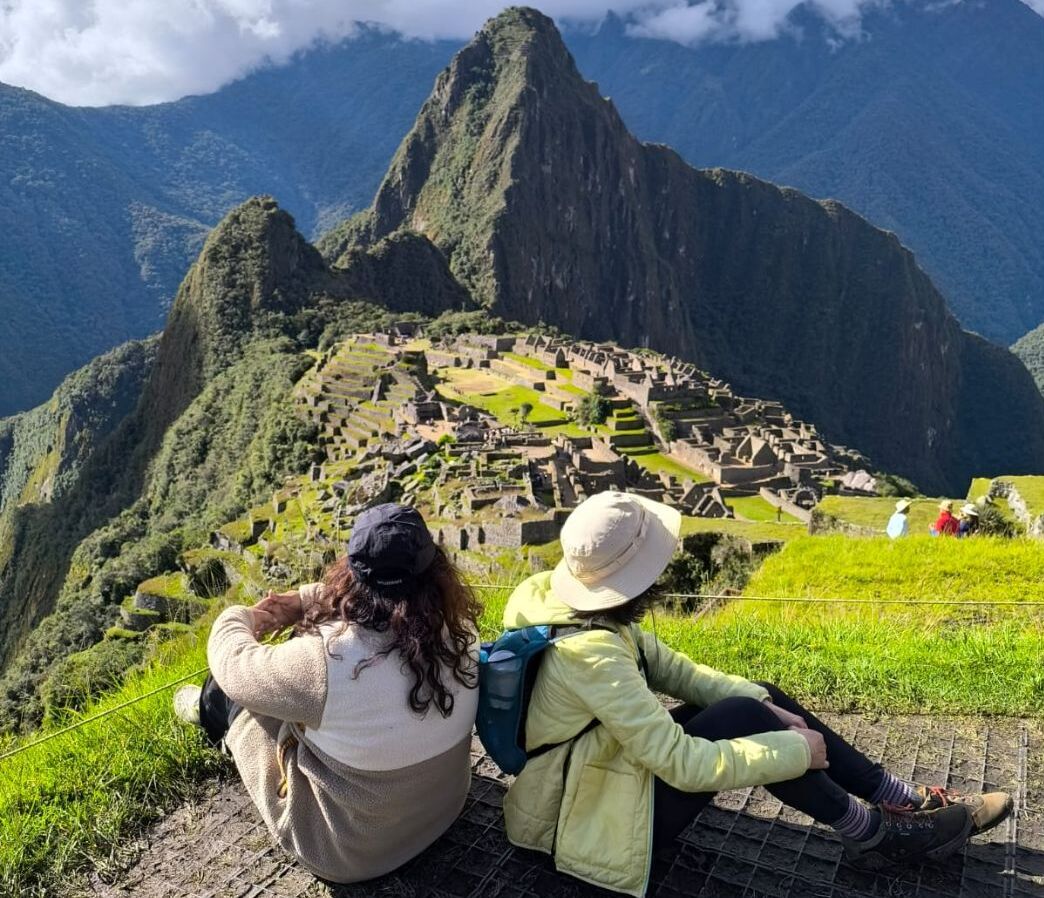
There is an image of Machu Picchu that everyone recognizes, even if they have never been to Peru: the agricultural terraces in the foreground, the temples and enclosures of the urban sector in the center, and Huayna Picchu crowned by clouds in the background. That image has a specific capture point within the archaeological site, and that point is part of Route 1B in the Machu Picchu circuit system. This guide explains what this route includes, how to reach the right viewpoint, and what you should know before buying your ticket.
What Route 1B Is and What It Includes
Route 1B is the official name of the Machu Picchu circuit that includes access to the Upper Terrace viewpoint, the spot from which you get the most iconic photographic perspective of the site. It is a moderately difficult circuit that combines a visit through the main sectors of the archaeological complex with the ascent to the highest terrace of the agricultural sector, where the field of view opens up enough to include all the elements of the classic image in one frame: the terraces, the city, and Huayna Picchu.
The Route 1B ticket is equivalent to Circuit 2 in the most recent numbering system of the Ministry of Culture. It is the best-selling circuit of all available options and the one most visitors choose for a first visit to the site. The price in 2026 for foreign adult visitors is approximately 45 dollars.
The Upper Terrace Viewpoint: Where It Is and How to Get There
The viewpoint that offers the most famous view of Machu Picchu is located at the northern end of the upper agricultural terrace, in the sector that site maps refer to as the Lower Agricultural Zone. From the main entrance of the site, reaching this point requires following the path that climbs to the left toward the agricultural terraces instead of continuing straight toward the urban sector.
The ascent from the site entrance to the Upper Terrace viewpoint takes between 10 and 20 minutes at a relaxed pace. The Inca stone stairways that connect the different agricultural terraces vary in height, and the ground can be damp in the early morning hours. It is not a technically difficult climb, but it does require shoes with rubber soles, which are necessary for the terrain in any part of the site.
The exact viewpoint is easy to identify by the concentration of people holding cameras and pointing toward the same frame at almost any time of day. During the first time slot in the early morning, that crowd is smaller, and the wait to get a clear shot without other people in the photo is shorter than after 9:00 a.m., when the second-shift groups arrive.

The Light at the Viewpoint: When to Take Photos and When Not To
The photographic quality of the Upper Terrace viewpoint depends directly on the time of day and the sky conditions. The early morning light, warm and coming from the side, illuminates the stone terraces with a contrast of shadows that the overhead midday light removes. On misty days, the effect of the low cloud cover surrounding Huayna Picchu creates the site’s most iconic image: the mountain partially emerging from the clouds with the entire citadel visible below.
Midday light on clear days is the least photogenic time of day for this viewpoint. The sun overhead flattens the shadows, reduces the contrast between the terraces, and makes the complex lose the three-dimensional depth that side lighting provides. If your ticket is for the midday time slot and your main goal is to get that photo, your first stop after entering the site should be the Upper Terrace viewpoint, so you can capture the light before the sun reaches its highest point.
In the afternoon, between 2:00 p.m. and 4:00 p.m., some of the morning’s lighting quality returns with western light that, during certain months of the year, illuminates the western sector of the site in a way that morning light does not. For visitors with an afternoon ticket, going up to the viewpoint as soon as they arrive at the site, before continuing with the rest of the circuit, makes the most of the best light available during that time slot.
What Else Route 1B Includes Besides the Viewpoint
The Upper Terrace viewpoint is the main photographic highlight of the circuit, but Route 1B includes much more than that single point. The full route covers the most representative sectors of the Machu Picchu archaeological complex.
From the viewpoint, the circuit descends toward the main urban sector through the access gate between the agricultural zone and the urban zone, entering the site at the point where the citadel’s inhabitants historically entered when coming from the fields. This access creates a transition between the productive space of the terraces and the ceremonial space inside the citadel, giving meaning to the site’s organization in a way that a direct entrance into the urban sector without passing through the terraces does not allow you to appreciate.
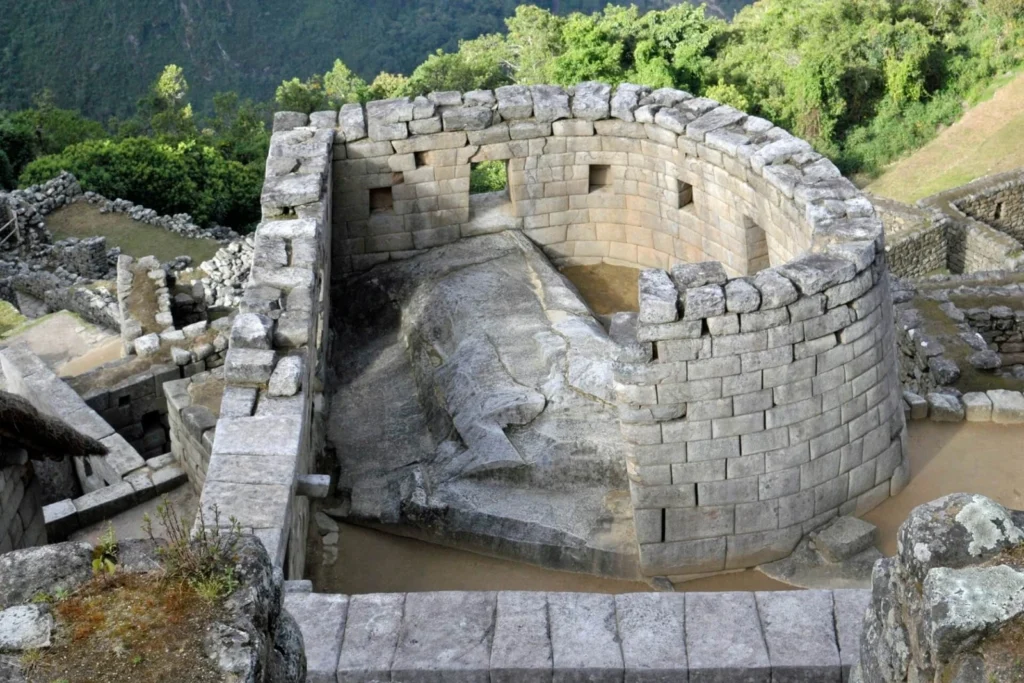
The urban sector of the circuit includes the Temple of the Sun, with its trapezoidal window oriented toward the summer solstice; the Main Plaza, with the Sacred Rock in the background; the Intihuatana, whose Quechua name refers to its function as a solar clock and astronomical observatory; the Temple of the Three Windows, with its ceremonial triple-opening windows; and the residential enclosure sector, which shows the organization of domestic space in the imperial citadel.
The Real Duration of the Full Route
The full Route 1B visit, including the ascent to the Upper Terrace viewpoint and the walk through the main sectors of the archaeological complex, takes between two and a half and three and a half hours at a moderate pace, with stops for photos and to listen to the guide’s explanations at the most important points of interest.
Visitors who go without a guide and simply follow the circuit at their own pace can complete it in about two hours. Those who visit with a specialized private guide and spend meaningful time in each sector can extend the visit to four hours without fully exhausting the experience. For a first visit, dedicating between two and a half and three hours to the route creates a more complete experience than trying to see everything in an hour and a half or leaving it all for a next visit that, in many cases, never happens.
Route 1B vs. Route 1A: How to Choose Between Them
The difference between Route 1B and Route 1A, which includes access to Machu Picchu Mountain, is not about quality but about the type of experience. Route 1B offers the most complete visit to the archaeological complex itself within the available time, including the most photogenic viewpoint of the site from the Upper Terrace. Route 1A offers a view of the complex from outside the site, from the summit of the opposite mountain, with an aerial perspective that the interior circuit cannot provide.
For a first visit to Machu Picchu, Route 1B is the most suitable choice for most visitors because it covers the interior of the site in depth. For a second visit, or for travelers who already know the interior of the site and want the mountain perspective, Route 1A adds the dimension that the interior circuit does not provide.
For those who have enough physical fitness and time to do both on the same day, combining Route 1B with the climb to Machu Picchu Mountain creates the most complete experience available at the site. That combination requires at least four hours inside the site and the physical condition needed to face the 650-meter climb up the mountain after already completing the interior circuit.
Route 1B for Travelers Arriving from the Inca Trail or the Salkantay Trek
For groups arriving at Machu Picchu after four or five days of trekking, Route 1B is the most suitable circuit because it covers the most representative elements of the site without the additional physical demand of climbing Machu Picchu Mountain. After completing the Inca Trail or the Salkantay Trek, the body has enough with the interior route of the standard circuit to enjoy the site with the attention it deserves.
At Incredible Peru Tours, we include the Route 1B ticket in our standard Inca Trail and Salkantay Trek packages. For groups that want to add the climb to Machu Picchu Mountain on the final day, we coordinate the Route 1A ticket far enough in advance, because availability is limited and, during high season, tickets sell out weeks ahead of time.
Are you planning a visit to Machu Picchu and want to know which circuit best fits your itinerary and travel profile? At Incredible Peru Tours, we manage the most suitable circuit ticket for each group and coordinate the entry time with your train or trekking logistics. Send us your travel dates, and we will prepare the complete proposal for you.


