
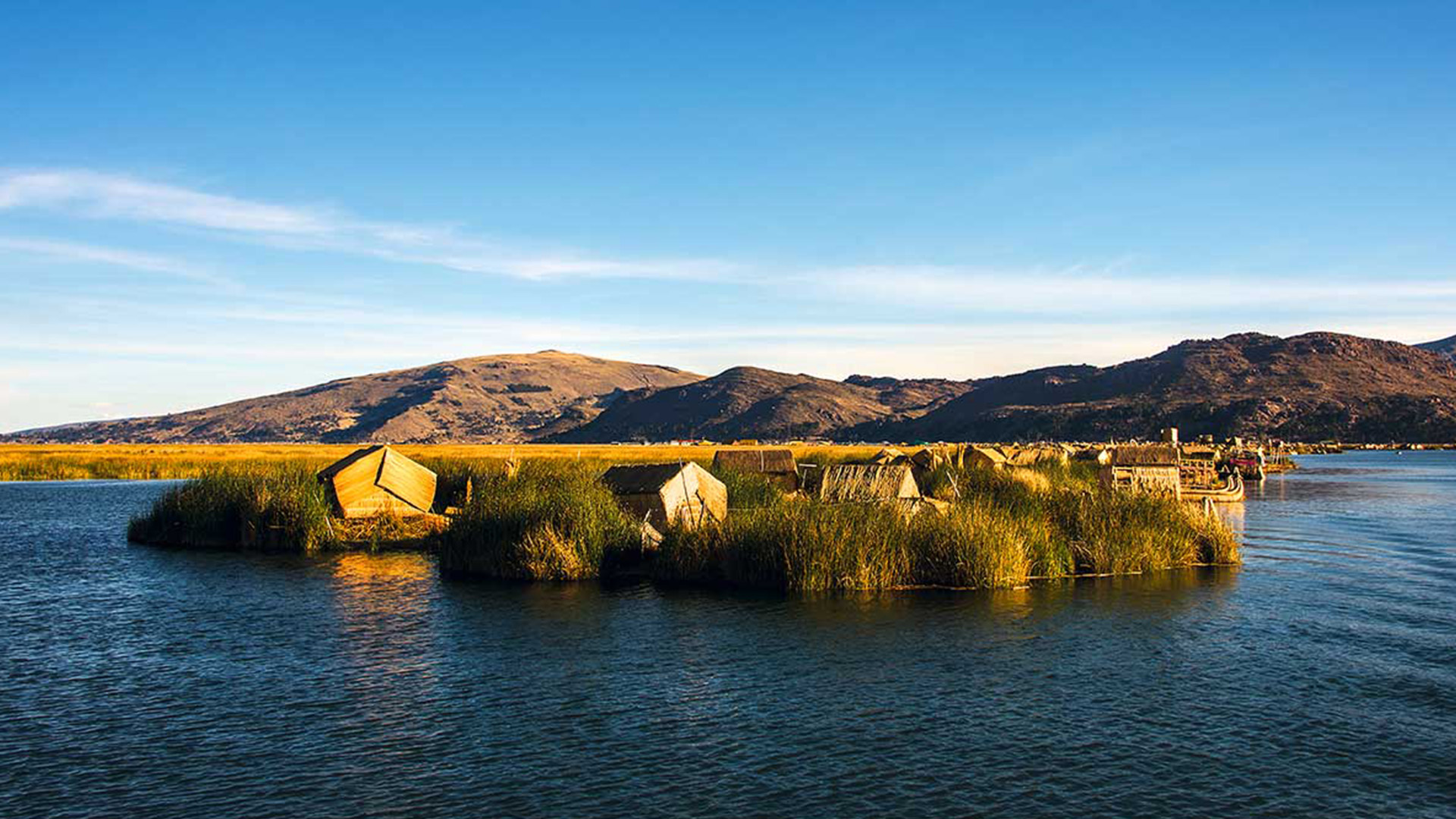
Altitude sickness in Peru is not the same in Lima, Arequipa, Cusco, or Puno. The elevation changes, your body reacts differently, and what you can do the next day changes as well. This guide explains the differences between cities and how to plan a route with a gradual increase in altitude, without turning your trip into a race toward 4,000 meters.
What is altitude sickness?
Acute mountain sickness can occur when you ascend quickly above 2,500 meters. There is less oxygen available at higher elevations. You may experience headaches, shortness of breath, nausea, or insomnia. It is not a matter of physical fitness. It can affect someone who runs marathons while someone who walks slowly may feel fine.
In Peru, altitude matters because the most visited destinations are not at the same elevation. Sleeping at 2,300 meters is not the same as sleeping at 3,800 meters. Visiting Machu Picchu at 2,430 meters after spending a night in the Sacred Valley is not the same as traveling from Lima to Puno on the same day.
Elevation of the most common destinations
| City or stop | Approx. elevation | What it feels like |
|---|---|---|
| Lima | 0 to 160 m | Sea level. Altitude sickness is not an issue. |
| Paracas / Huacachina | 0 to 400 m | Coast and desert. A good low-altitude base. |
| Arequipa | 2,330 m | The first step up. It is usually well tolerated. |
| Chivay (Colca) | 3,600 m | A noticeable increase compared with Arequipa. |
| Ollantaytambo / Urubamba | 2,800 m | Lower than Cusco. A good place for your first night in the Andes. |
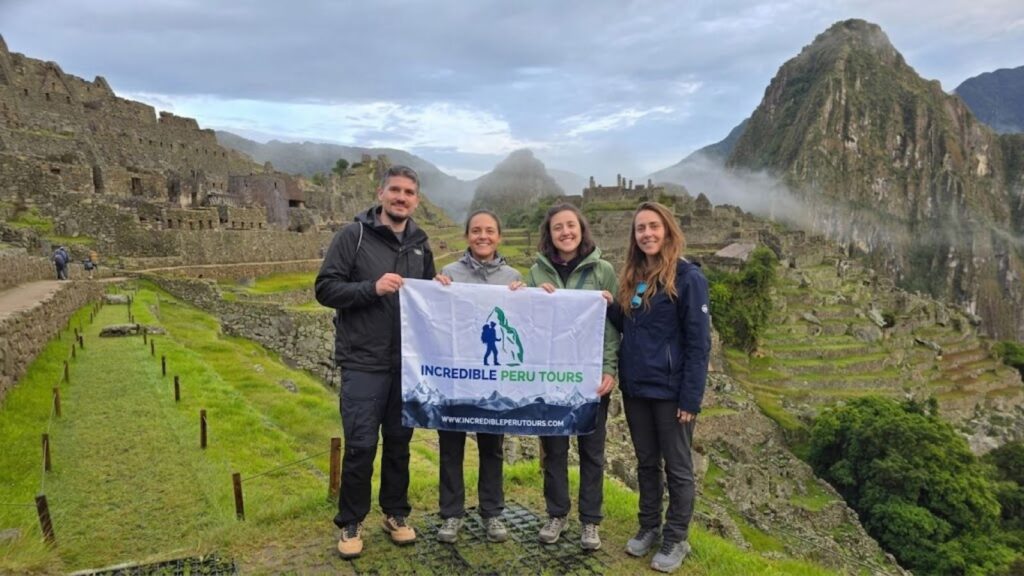
| Machu Picchu | 2,430 m | Lower than Cusco. Climbing up to and around the citadel can still be tiring. |
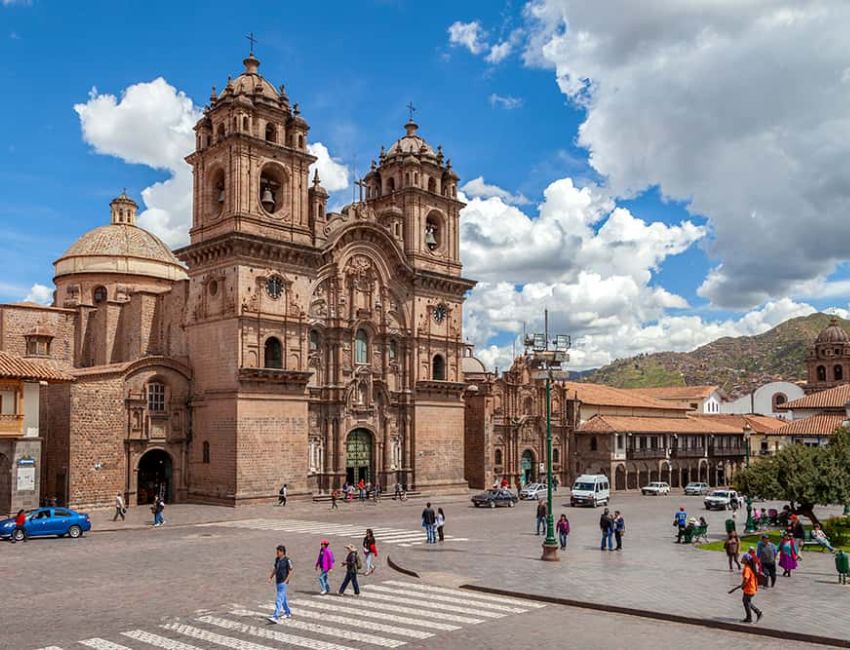
| Cusco | 3,400 m | This is where many travelers begin to experience symptoms. |
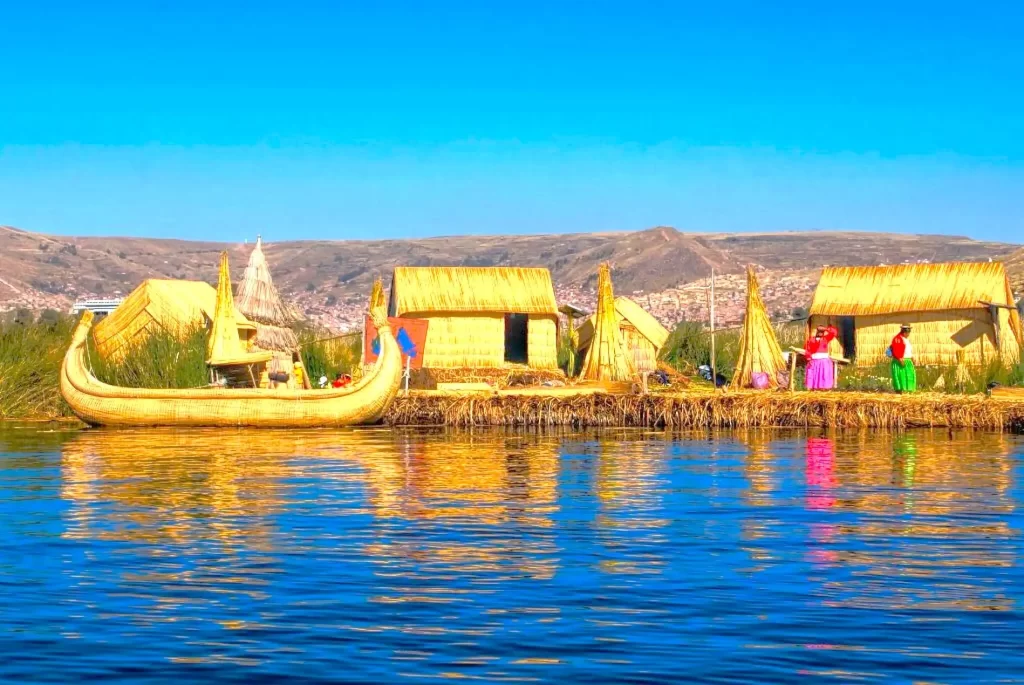
| Puno | 3,800 m | One of the highest bases on the southern Peru circuit. |
| Amantaní hills | 4,100 to 4,150 m | A short but demanding hike because of the elevation. |
| Rainbow Mountain | Close to 5,000 m | It is not a city. It is an extremely high-altitude excursion. |
The important distinction is not simply “Andes or no Andes.” What matters is where you sleep. Your body acclimatizes overnight, not while you are sitting on a bus.
Why Cusco and Puno should not be planned the same way
Cusco is high, but you have the Sacred Valley nearby where you can descend and spend the night. Puno does not have the same option 20 minutes away. Lake Titicaca is at roughly the same elevation as the city. If you arrive from sea level and climb Taquile or hike up a hill the following day, your body faces two challenges at once: sleeping high and exercising high.
Arequipa sits in between. It is not a destination “for altitude sickness.” It is the intermediate step that many travelers skip when they fly directly from Lima to Cusco or from Lima to Juliaca. Going from sea level straight to 3,400 or 3,800 meters explains many difficult first days at altitude.
A route with a gradual increase in altitude
The logic is simple: gain elevation gradually and save strenuous activities until you have already spent two nights above 2,300 meters.
An order that can help
- Lima or the coast (0 to 400 m)
- Arequipa (2,330 m)
- Sacred Valley (2,800 m)
- Cusco (3,400 m)
- Puno (3,800 m), if your trip includes Lake Titicaca
Machu Picchu can come after one or two nights in the Sacred Valley. It is lower than Cusco. The main issue is not the elevation of the citadel itself. It is arriving without having spent a night at altitude and then trying to climb stairs at the same time.
Routes that often cause problems
- Lima–Puno on the same day, followed by an island tour at dawn.
- Lima–Cusco followed by Rainbow Mountain within 24 hours.
- Spending your first night in Cusco when you could stay at a lower elevation in the Sacred Valley.
- Colca, Lake Titicaca, and a demanding hike on three consecutive days.
What to do during your first 48 hours at altitude
Walk slowly. Eat light meals. Drink water. Avoid alcohol. Do not rush around just to “make the most of the day.” Your first truly active day should be your second or third day, not the day you arrive.
Common symptoms
Mild headaches, fatigue, and trouble sleeping are common.
When you should not continue ascending
If you experience shortness of breath while resting, severe vomiting, confusion, or fatigue that does not improve with rest, do not continue ascending. Descend to a lower elevation and seek medical attention.
Does coca tea help?
Coca tea does not replace proper acclimatization. It may help some people. It is not a treatment.
How to fit this into a short trip
If you only have one week, do not make Puno your first high-altitude stop. Fly to Cusco and spend the night in the Sacred Valley. Visit the city afterward. If you have 10 or 12 days, visiting Arequipa before Cusco or Puno reduces the sudden increase in elevation.
The exact schedule of nights and destinations is covered in other articles on this blog. The main rule here is simple: once you are above 2,500 meters, avoid increasing your sleeping elevation by more than about 1,000 meters from one day to the next, and do not combine that increase with a long hike.
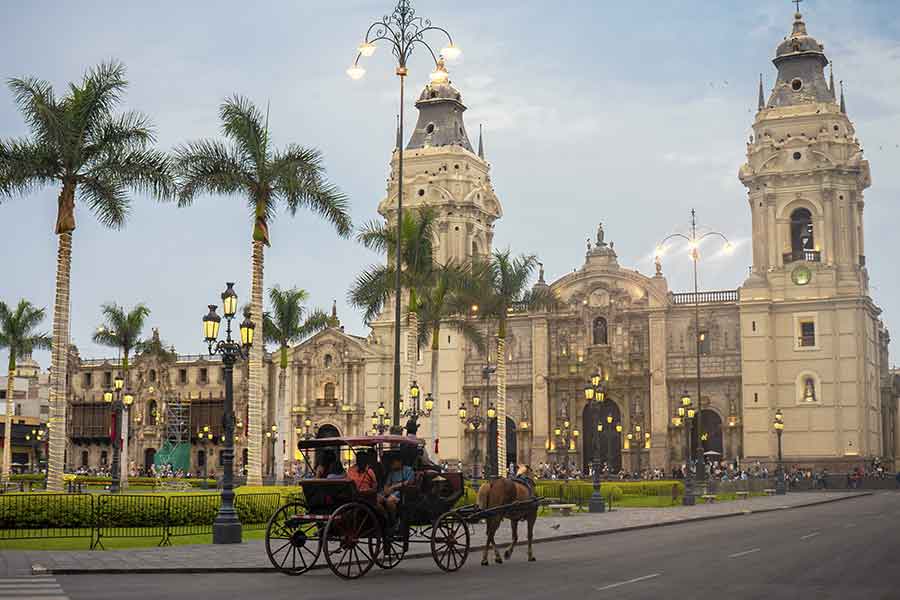
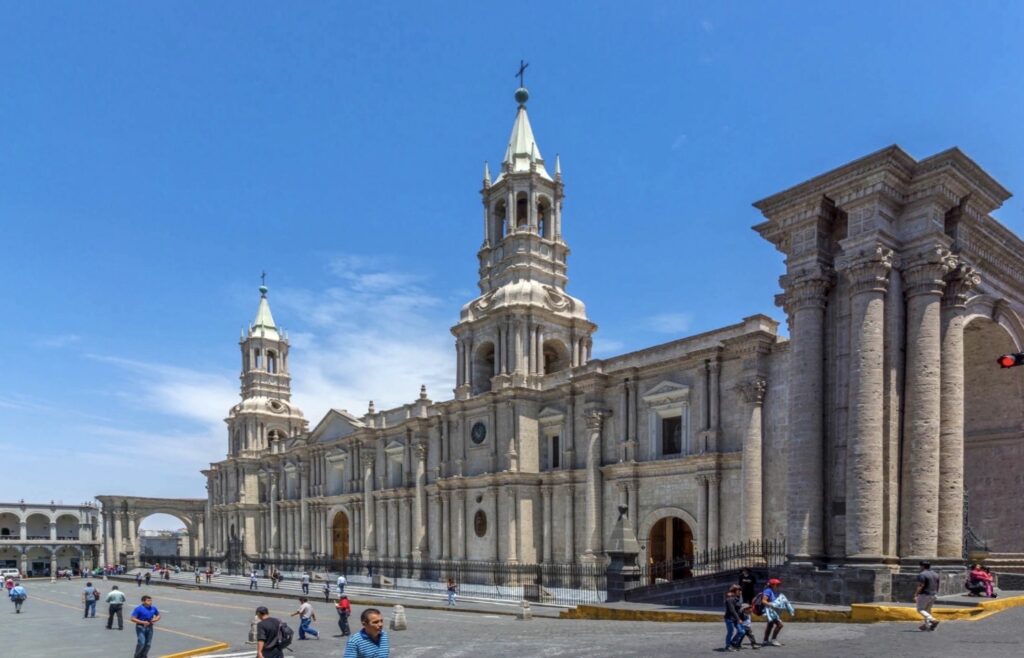
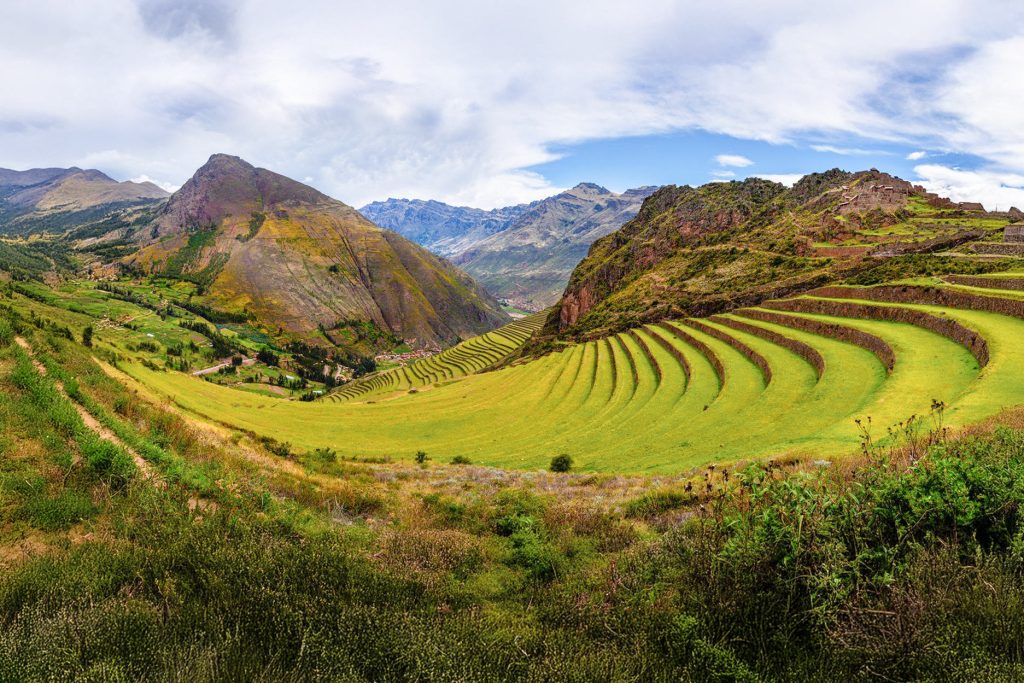
- Lima (sea level)
- Arequipa (2,330 m)
- Sacred Valley (2,800 m)
- Cusco (3,400 m)
- Puno (3,800 m)
- Machu Picchu (2,430 m)
Frequently Asked Questions
In which city is altitude sickness felt the most?
It is generally felt more in Puno than in Cusco, and more in Cusco than in Arequipa. It is not an issue in Lima.
Can you get altitude sickness at Machu Picchu?
It is less likely than in Cusco because Machu Picchu is at a lower elevation. However, the stairs and warm weather can still be tiring if you arrived from sea level the day before.
Does sleeping in the Sacred Valley help?
Yes. It is one of the most useful ways to reduce the impact of your first night at altitude.
Do I need to take medication?
That is something a doctor should determine. This guide does not recommend medications. The basic approach is still to ascend gradually and avoid pushing yourself too hard on your first day.
Plan a route with a gradual increase in altitude
If you want an itinerary that takes you from Lima to Arequipa before continuing to Cusco or Puno, we can include it in our 12-day package with Incredible Peru Tours.


