
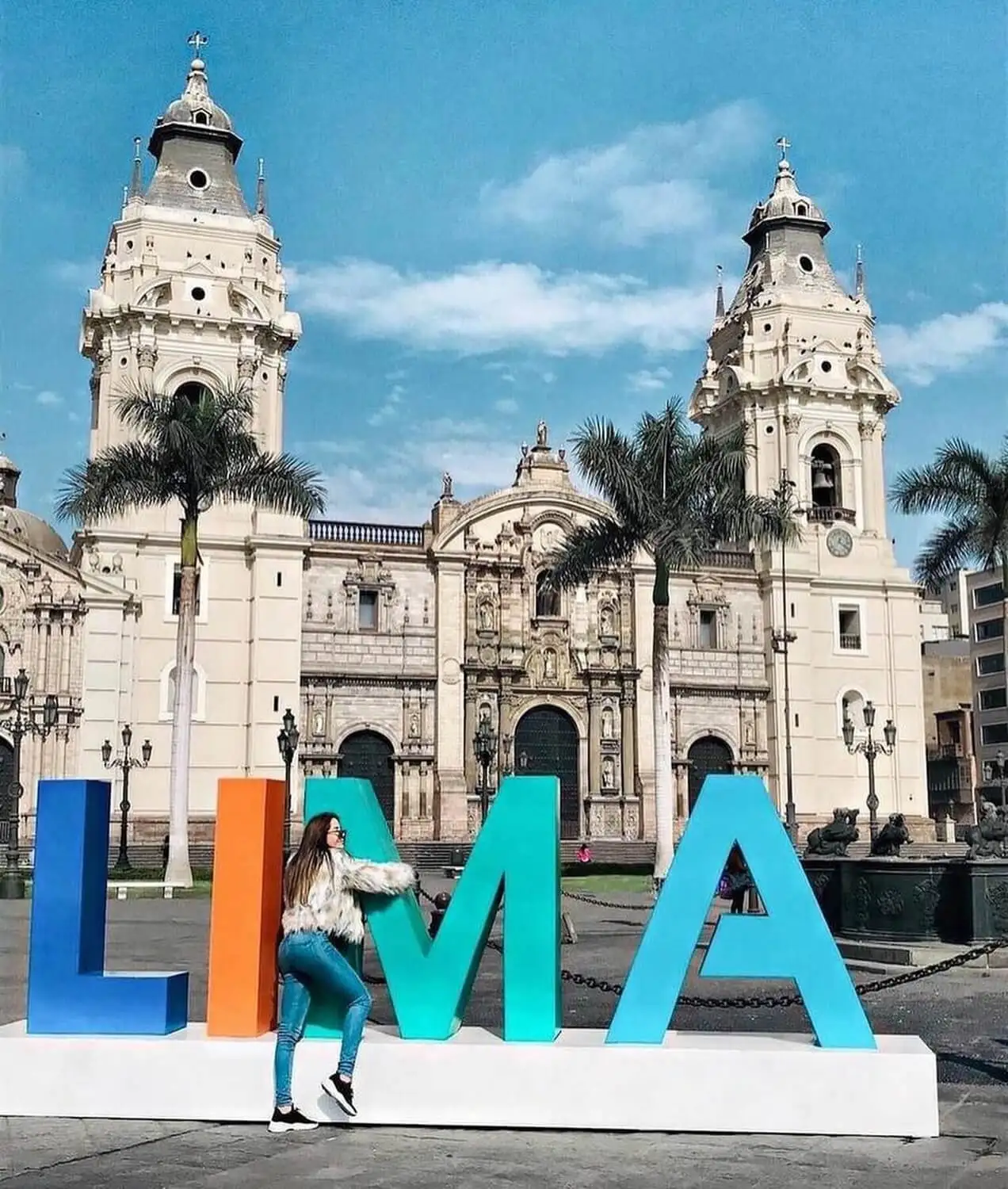
If you’re arriving in Lima between June and September, the weather may catch you off guard. The forecast looks mild, with no real extremes, yet the city often feels colder than the temperature suggests. It’s not a picture-perfect winter. It’s gray, humid, and surprisingly penetrating. Here’s what Lima winter is really like, what the famous garúa is, and what to pack so you stay comfortable.
What Is Lima’s Winter Weather Like?
Which Months Are Considered Winter in Lima?
Lima’s winter doesn’t follow the calendar perfectly. Officially, it runs from June through September, but gray skies often begin in May and can sometimes last into October or even the first days of November. The most noticeable period, with low clouds and frequent garúa, is usually from June through September. July and August are the coldest months.
Actual Temperatures: Around 54°F to 66°F
Temperatures usually range from about 54°F to 66°F (12°C to 19°C). During the coldest months, nights and early mornings can get close to 54°F. Around midday, temperatures rarely rise above 64°F to 66°F. There’s no snow, frost, or freezing weather. On paper, it sounds like a mild winter. The problem is that the numbers don’t tell the whole story.
Why It Feels Colder Than the Thermometer Says
The humidity is extremely high and the sun barely appears. That combination can make 57°F (14°C) feel much colder, especially if you come from a dry climate. Many visitors describe it the same way: a damp cold that seems to sink into your bones. Don’t pack based only on the temperature shown in the forecast.
What Is Garúa and Why Does It Define Winter in Lima?
How Is Garúa Different From Regular Rain?
Garúa isn’t really rain. It’s an extremely fine drizzle, almost like mist, without large drops that soak you all at once. Walk outside in it for an hour and your clothes can still end up damp. There are no storms, thunder, or lightning—just moisture suspended in the air. It’s one of the defining features of Lima’s winter and one of the hardest things to explain to someone who hasn’t experienced it.
Gray Skies and the Lack of Sun
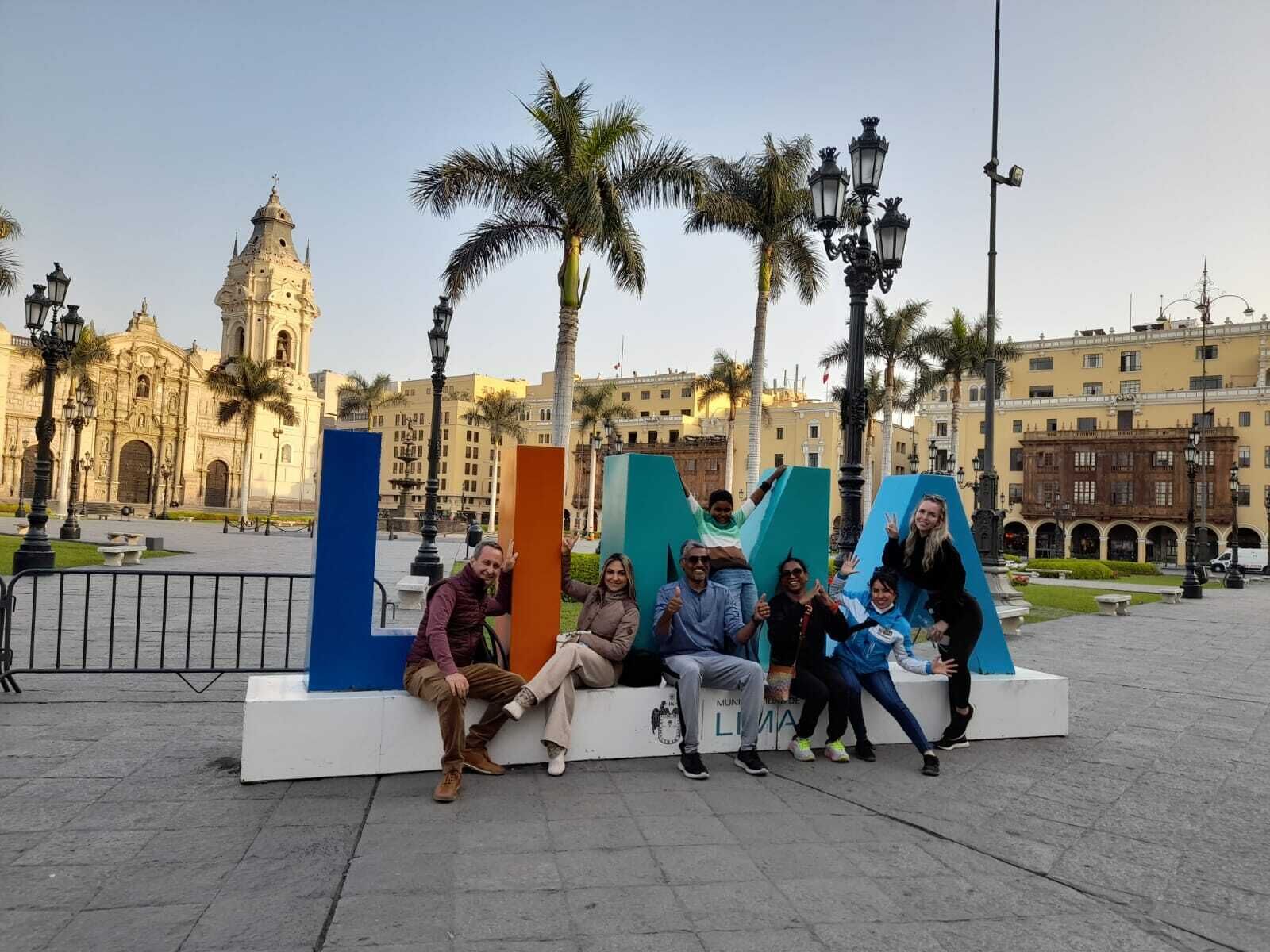
The sky can stay overcast for weeks at a time. A layer of low clouds blocks the sun and barely moves. It changes the look of your photos, the mood of the city, and even the rhythm of the trip. It’s worth knowing before you arrive expecting blue skies.
Why People in Lima Rarely Use Umbrellas
That’s why people in Lima rarely use umbrellas. It isn’t because they’re careless. Since garúa is more like mist than actual rainfall, an umbrella usually feels unnecessary for short walks. The moisture builds gradually. A jacket with a hood is often much more practical for everyday use.
Lima’s Humidity and How It Affects Your Trip
Humidity Levels Can Reach 90 Percent
Lima is a desert city with the humidity of a tropical one. In winter, humidity can reach around 90 percent. That’s why almost everything can feel damp even when it hasn’t actually rained: clothes hanging to dry, hotel rooms, and even your skin when you step outside.
The Damp Cold That Feels Like It Gets Into Your Bones
This damp cold isn’t dangerous or extreme. It can, however, be uncomfortable if you arrive unprepared. The key isn’t dressing as if you were heading into the mountains. It’s staying dry and blocking the wind.
What to Wear in Lima During Winter
The Layering Rule
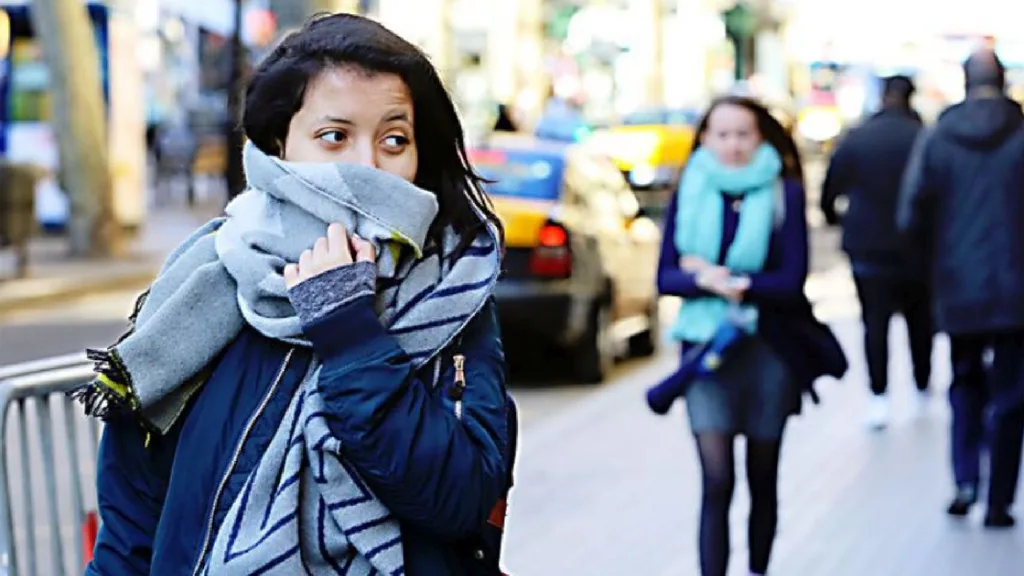
Layers work best in Lima. Mornings are cool, midday can feel slightly warmer, and evenings become damp and chilly again. Being able to add or remove clothing makes the day much easier: wear something light underneath, a sweater or fleece in the middle, and a wind-resistant jacket on top that also protects you from garúa.
Essential Clothing to Pack
Bring a couple of sweaters or long-sleeve tops, a windbreaker or light jacket—ideally with a hood—and a lightweight base layer. A thin scarf helps more than you might expect. You don’t need heavy thermal clothing. What you do need are warm pieces that don’t take up half your suitcase.
What Shoes Should You Wear?
Your shoes should be closed-toe and comfortable. You’ll likely do a lot of walking, and sidewalks can become slippery with garúa. Choose shoes with good traction. Save the sandals for another destination.
What You Don’t Need to Pack
Don’t pack a snow coat, heavy gloves, or mountain gear. Lima simply doesn’t get that cold. You also don’t really need an umbrella for short trips around the city. What you should bring is sunscreen and a pair of sunglasses, even if that sounds strange with so many gray days.
Why You Should Wear Sunscreen Even When It’s Cloudy
Cloud cover doesn’t block ultraviolet radiation. Lima sits about 12 degrees south of the equator, and UV exposure can still be significant even behind the clouds. You can spend the entire day walking without seeing the sun and still end up with sun exposure on your skin. A lightweight sunscreen is one of those things you’ll be glad you packed.
Is Lima Worth Visiting in Winter?
Advantages of Traveling During Garúa Season
Winter isn’t Lima’s prettiest season, but it does have advantages. There are fewer tourists, accommodations are often more affordable, and you can walk around without dealing with summer heat. If Lima is just one stop on a longer trip, the weather doesn’t have to hold you back.
Which Activities Work Best on Gray Days?
Indoor activities work especially well, and many of them are among Lima’s strongest attractions anyway: museums, food experiences, and the Historic Center. The gray weather even suits the colonial streets and the catacombs. The beach and waterfront promenade are less appealing during this season. They simply aren’t the main draw in winter.
How the Weather Changes If You Continue Traveling Through Peru
From the Gray Coast to Sunny Andean Weather
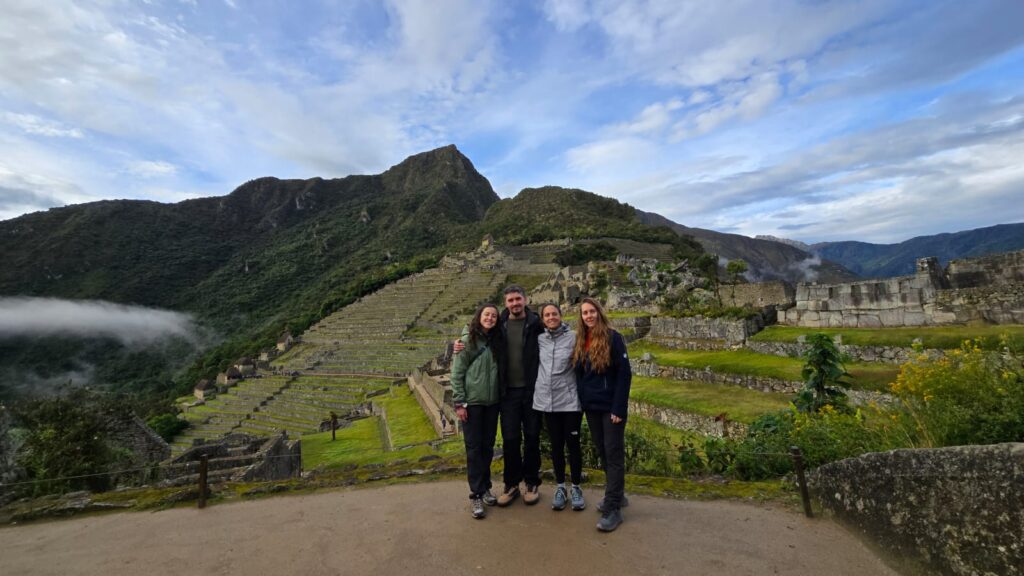
If your trip continues to Cusco, the Sacred Valley, or Machu Picchu, the weather changes dramatically. While Lima is gray and humid, the Andes are in the dry season: clear skies, strong sunshine during the day, and cold nights. In fact, it’s one of the best times of year for mountain travel. The conditions are almost the opposite of the coast.
What This Means for Your Packing List
That means you need to pack for two different climates. In Lima, bring layers for damp, cool weather. In the Andes, bring more sun protection, clothing for sunny daytime conditions, and warmer layers for the evening. In Cusco, at about 11,150 feet (3,400 meters) above sea level, temperatures drop sharply after sunset. If you pack by destination instead of for one single climate, you can avoid both overpacking and being underprepared. If your itinerary combines the coast and the Andes, match your clothing to the weather in each part of the trip.
Frequently Asked Questions
Does Winter in Lima Coincide With Summer in My Country?
If you’re coming from the Northern Hemisphere, yes. June through September is summer there, but it’s winter in Lima. Many travelers arrive expecting warm weather and instead find gray skies and cool temperatures. Keep that in mind before you finish packing.
Do I Need Real Winter Clothing or Just Light Layers?
Light layers are enough, but layering is important. Temperatures generally don’t drop below about 54°F (12°C), so you don’t need snow gear. What you do need is protection from the damp cold: a sweater, a wind-resistant jacket, and a lightweight layer underneath.
Will Garúa Ruin My Tours and Photos in Lima?
No. Garúa usually doesn’t disrupt tours because it isn’t heavy rain. It does affect photos: expect gray skies and flatter light rather than the bright blue conditions you may associate with other cities. Some travelers actually end up liking that atmosphere around Lima’s Historic Center.
If I’m Going to Cusco or Machu Picchu Next, Will the Weather Be Very Different?
Yes, completely. Lima is gray and humid, while the Andes are dry, sunny during the day, and cold at night. It’s one of the best times of year to visit Machu Picchu. Pack for both climates.
Can I Buy Warm Clothes in Lima If I Need Them?
Yes. Lima is a large city with shopping malls, markets, and stores at a wide range of prices. If you arrive without enough warm clothing, you can easily buy what you need once you’re there.


