
The Choquequirao trek is one of the most challenging and rewarding hiking routes you can experience from Cusco. Unlike more crowded trails, this adventure takes you through remote landscapes filled with towering mountains, deep Andean valleys, and small villages where traditional ways of life are still part of everyday life.
Along the way, you will cross deep ravines, cloud forests, warmer valley areas, and ancient trails that lead to one of Peru’s most impressive archaeological complexes. Before reaching Choquequirao, the route offers scenic viewpoints, rivers, and local communities that are an essential part of the experience.
If you are planning a Choquequirao trek from Cusco, these are some of the places you should not miss along the way.
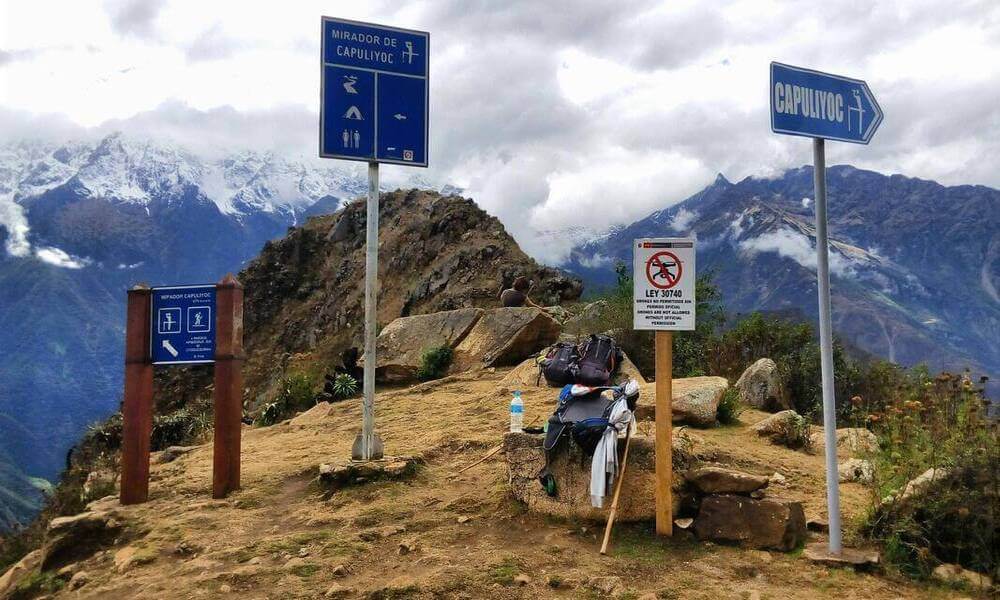
Capuliyoc Viewpoint
The Capuliyoc Viewpoint is the starting point for many Choquequirao expeditions and your first major encounter with the dramatic landscapes that define this adventure.
From approximately 9,350 feet (2,850 meters) above sea level, you can enjoy sweeping views of the Apurímac River Canyon and the mountains surrounding the route. On clear days, the depth of the valley gives you an excellent sense of the steep descents and climbs that await during the following days.
It is one of the best places to take photos before beginning the hike. It is also a good opportunity to listen to your guide’s final instructions, adjust your backpack, and prepare for the descent.
Apurímac River Canyon
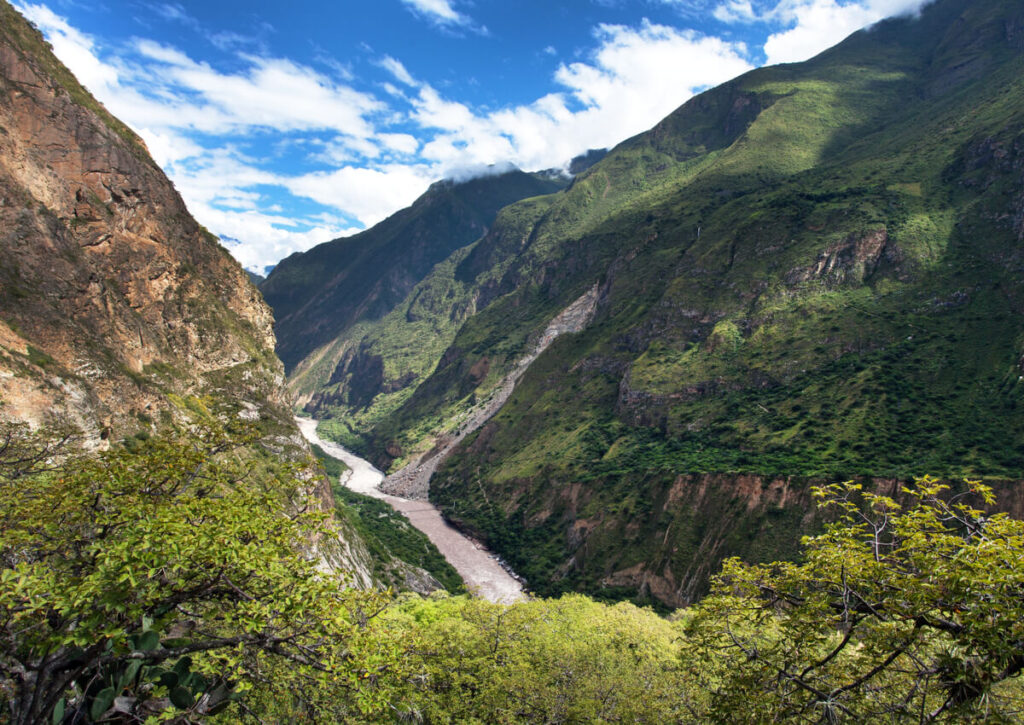
One of the most impressive natural features of the Choquequirao trekking route is the dramatic canyon formed by the Apurímac River.
The descent toward the bottom of the valley is one of the most spectacular sections of the hike. As you lose elevation, both the scenery and temperature change considerably. The mountains seem to rise higher around you while the sound of the river becomes increasingly powerful.
Crossing the Apurímac River marks one of the lowest points of the route and, at the same time, the beginning of one of the trek’s major climbs. This contrast between descending deep into the canyon and gaining elevation again is one of the characteristics that makes the Choquequirao trek such a rewarding challenge.
Playa Rosalina
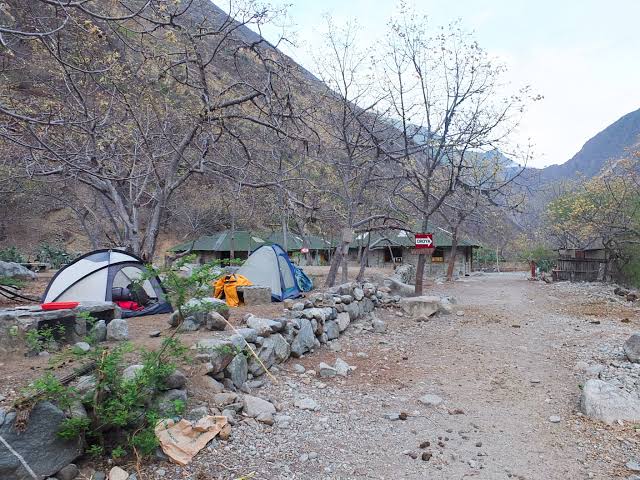
Located near the Apurímac River, Playa Rosalina is a common rest stop along the Choquequirao trail.
After several hours of descending, this is a good place to regain your energy, hydrate, and prepare physically and mentally for the climb toward Santa Rosa and Marampata.
The vegetation, warmer climate, and constant sound of the river create an atmosphere that feels completely different from the higher sections of the trail. This variety of ecosystems is one of the aspects that often surprises travelers hiking to Choquequirao for the first time.
Although it may seem like just another stop along the route, taking time to rest here can help you approach the demanding uphill section ahead in better condition.
Santa Rosa
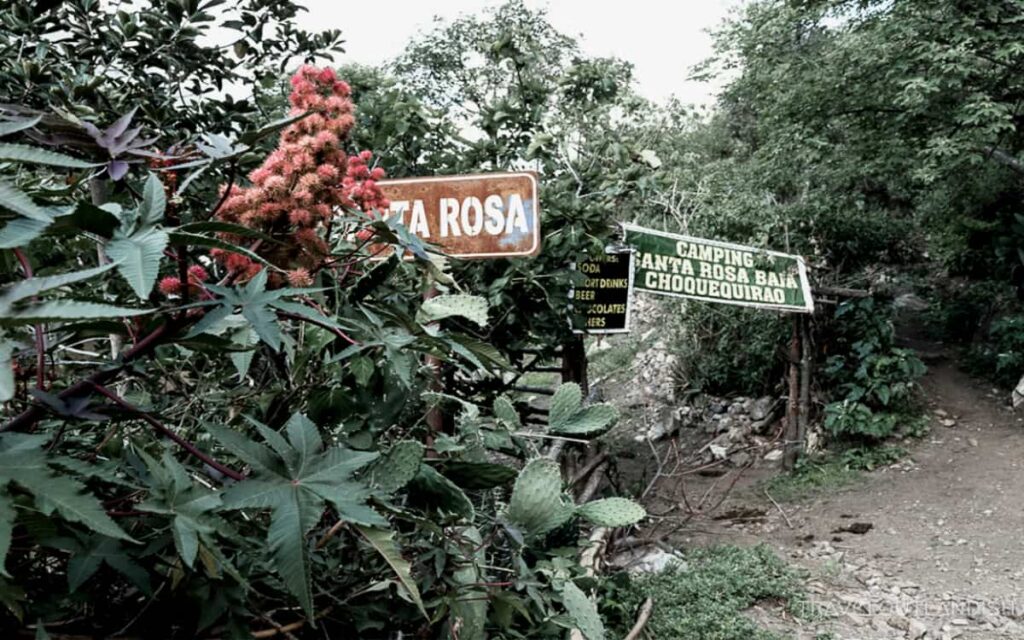
After crossing the Apurímac River, one of the most demanding sections of the route begins. Santa Rosa lies partway up the climb and provides a strategic place to take a break.
This section clearly demonstrates the dramatic elevation changes that characterize the Choquequirao hike. Maintaining a steady pace, drinking water regularly, and avoiding rushing are essential for enjoying the journey.
From this area, the scenery begins to change again as the trail gradually reaches higher elevations and different types of vegetation.
Marampata
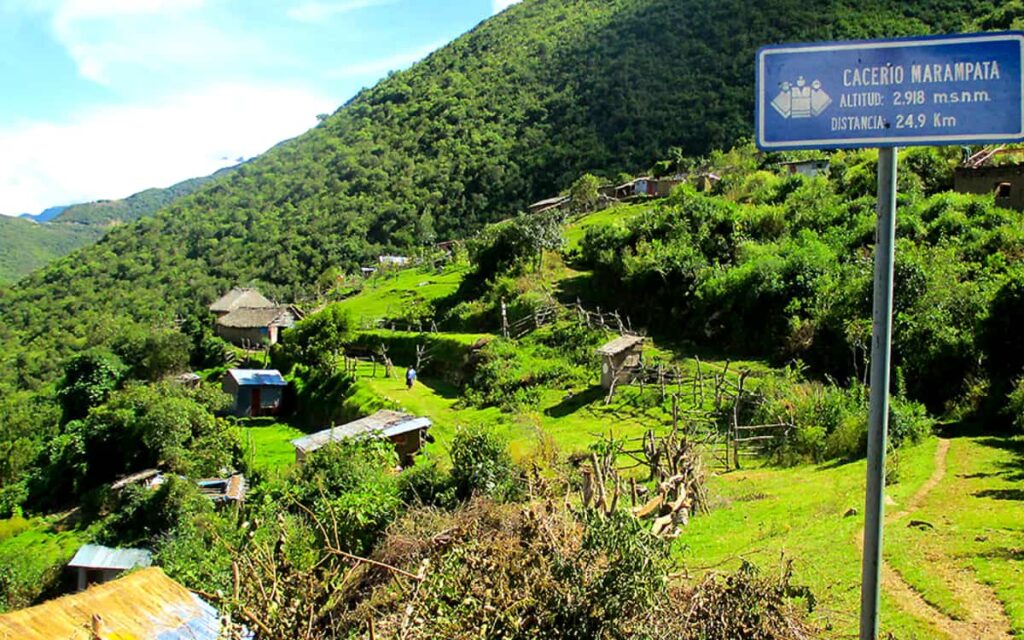
Marampata is one of the most important stops before reaching the archaeological complex. This small village, located at approximately 9,515 feet (2,900 meters) above sea level, serves as a rest point and base for many travelers completing the trek.
From the area surrounding Marampata, you can catch some of your first views toward Choquequirao, making the anticipation even greater after the demanding climb from the valley below.
In and around the village, you will also see agricultural terraces and small cultivated fields that form part of the region’s rural Andean landscape.
After the steep sections of the previous stages, stopping in Marampata provides a valuable opportunity to recover before beginning your exploration of the main destination.
Choquequirao Archaeological Site
The Choquequirao archaeological site is the ultimate reward of the trek.
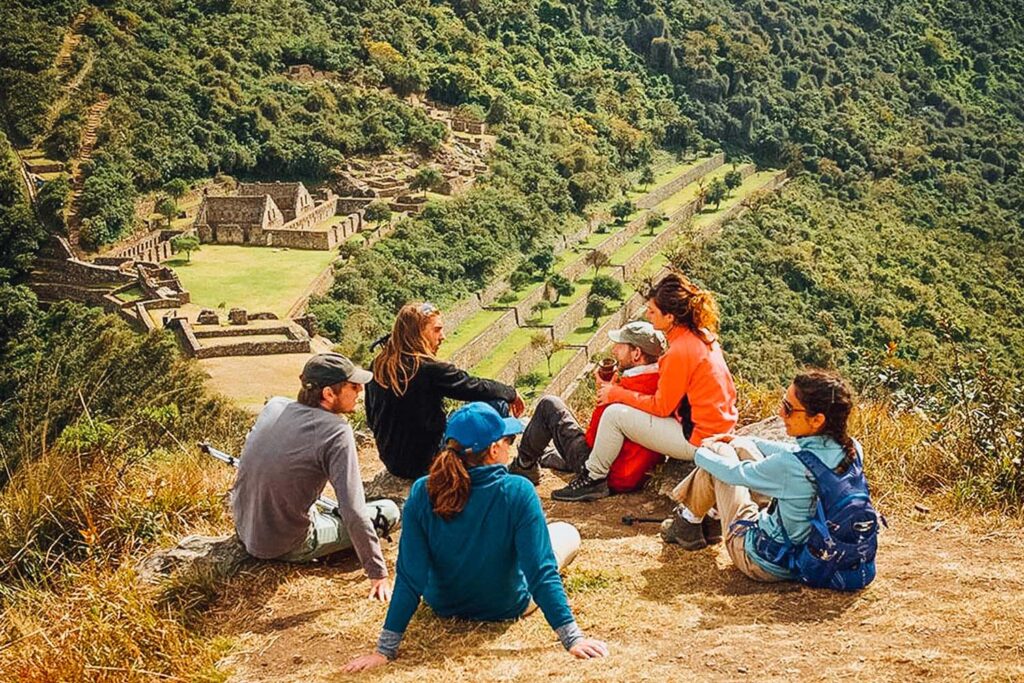
Surrounded by mountains and built along the slopes of the Andes, the complex preserves plazas, buildings, temples, water systems, and extensive agricultural terraces.
Its remote location is one of its greatest attractions. Arriving on foot after several days of hiking gives you a deeper appreciation for the site’s geographic isolation and for the skill of its builders, who adapted their architecture to the steep mountain terrain.
Choquequirao is often referred to as the “sister of Machu Picchu,” although visiting it is a very different experience. It generally receives far fewer visitors, and the size of the archaeological complex allows you to explore its different sectors in a much quieter setting.
It is important to allow enough time to properly explore the site. Choquequirao is much more than a central plaza: its structures are spread across different levels and sections of the mountain.
The Stone Llama Terraces
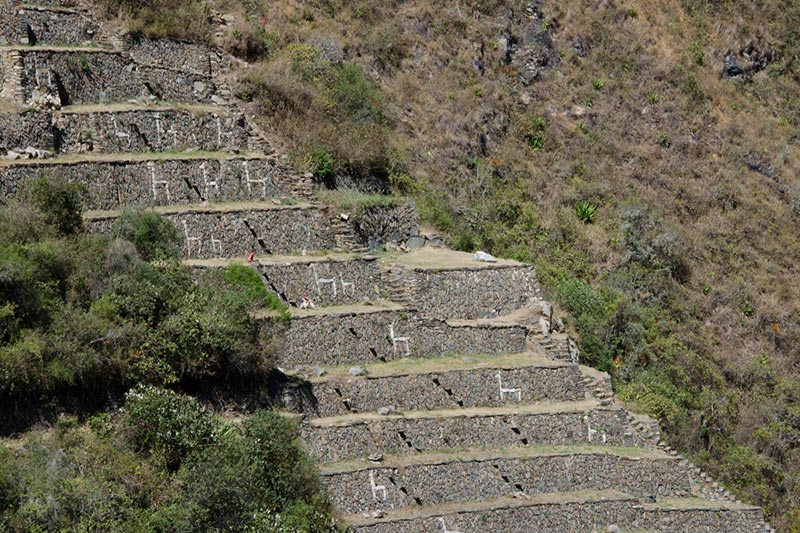
One of the most distinctive areas of Choquequirao is the llama sector, located along a series of agricultural terraces.
The terrace walls feature llama figures created with light-colored stones that contrast with the darker surrounding masonry. This remarkable design has become one of the most recognizable images associated with the Choquequirao archaeological complex.
Reaching this area requires an additional descent, which can feel demanding after several days of hiking. However, seeing the terraces and their stone llama figures up close makes the extra effort worthwhile.
Remember that you will need to climb back up afterward, so it is best to explore this section at a comfortable pace.
Main Plaza and Ceremonial Sectors
During your visit, it is also worth spending time exploring the Main Plaza of Choquequirao and the structures surrounding it.
From different areas of the complex, you can see how the buildings were carefully arranged according to the mountain’s topography. Terraces extend down the slopes while ceremonial and administrative areas occupy strategic locations.
Exploring these areas with a knowledgeable guide can help you better understand the purpose of the structures, the history of the site, and its importance within the Andean world.
Landscapes That Are Part of the Adventure
One of the main reasons to choose the Choquequirao trek from Cusco is that the archaeological site is only one part of the adventure.
Over several days, you will see the environment change as you descend into the valley and climb back toward the mountains. You can move from relatively cool mountain areas to much warmer sections near the Apurímac River before returning to higher elevations with denser vegetation.
This diversity gives every day of the trek a different character and makes the journey itself just as memorable as arriving at Choquequirao.
Why Hike the Choquequirao Trek?
This trek is an excellent choice for travelers looking to combine adventure, nature, archaeology, and hiking in the Peruvian Andes.
The physical challenge is an important part of the experience. The steep elevation changes make each day demanding, but they also allow you to reach remote places far from the busiest tourist routes.
Reaching Choquequirao on foot also creates a unique sense of accomplishment. After crossing the Apurímac Canyon and completing hours of climbing, seeing the archaeological complex for the first time becomes one of the most memorable moments of the journey.
Tips for Enjoying the Choquequirao Trek
To make the most of each stage of the hike, maintain a steady pace and save energy for the climbs. The accumulated elevation gain and loss can be demanding even for travelers who already have hiking experience.
Carry enough water for each section, use sun protection, and keep both lightweight clothing and warmer layers easily accessible. Weather conditions can change considerably depending on the elevation and time of day.
It is also recommended to spend a few days in Cusco before beginning the trek to help your body acclimatize to the altitude.
Finally, do not focus only on reaching Choquequirao. Capuliyoc Viewpoint, the Apurímac Canyon, the communities along the route, and the changing landscapes are all essential parts of the adventure.
Frequently Asked Questions About the Choquequirao Trek
How many days does the Choquequirao trek take?
The classic round-trip route is usually completed in four or five days, depending on the itinerary, your group’s pace, and how much time is dedicated to exploring the archaeological site.
Choosing an itinerary that gives you enough time to properly explore Choquequirao is recommended, since the complex includes several different sectors and some require additional hiking.
How difficult is the Choquequirao trek?
The Choquequirao trek is considered challenging, mainly because of the steep descents and climbs through the Apurímac Canyon.
You do not need to be a professional athlete, but having a good level of physical fitness, doing some hiking beforehand, and properly acclimatizing in Cusco are highly recommended.
What Is the Best Time to Hike to Choquequirao?
The dry season, particularly from April through October, generally offers favorable conditions for hiking, with less rainfall and a better chance of enjoying clear mountain views.
Regardless of when you travel, mountain weather can change quickly, so it is important to bring appropriate clothing and follow the recommendations of your trekking team.
Where does the Choquequirao trek start?
Many itineraries begin with transportation from Cusco to the trailhead, with Capuliyoc being one of the most common starting points for the descent into the Apurímac Canyon.
The exact logistics may vary depending on the itinerary you choose and the length of your expedition.
Is the Choquequirao trek worth it?
Yes, especially if you are looking for a challenging hiking experience, spectacular Andean landscapes, and an archaeological site that is still primarily reached on foot.
Choquequirao rewards the effort with incredible surroundings and the opportunity to explore one of the most fascinating archaeological complexes in the Cusco region.
Experience the Choquequirao Adventure with Incredible Peru Tours
Exploring Choquequirao is much more than visiting an archaeological site. The descent into the Apurímac Canyon, the small villages along the trail, the surrounding mountains, and the challenge of every climb are all part of an experience you will remember long after returning to Cusco.
At Incredible Peru Tours, we can help you organize your Choquequirao trek so you can enjoy every stage of the route with careful planning and enough time to discover its main attractions.
If you are ready to trade the busiest tourist trails for several days of adventure in the mountains, Choquequirao could become one of the highlights of your trip to Peru.


