2026 Book your spot for the Inca Trail 2026!

Inicio » choquequirao

The Choquequirao trek is one of the most challenging and rewarding hiking routes you can experience from Cusco. Unlike more crowded trails, this adventure takes you through remote landscapes filled with towering mountains, deep Andean valleys, and small villages where traditional ways of life are still part of everyday life.

Along the way, you will cross deep ravines, cloud forests, warmer valley areas, and ancient trails that lead to one of Peru’s most impressive archaeological complexes. Before reaching Choquequirao, the route offers scenic viewpoints, rivers, and local communities that are an essential part of the experience.

If you are planning a Choquequirao trek from Cusco, these are some of the places you should not miss along the way.

Capuliyoc Viewpoint

The Capuliyoc Viewpoint is the starting point for many Choquequirao expeditions and your first major encounter with the dramatic landscapes that define this adventure.

From approximately 9,350 feet (2,850 meters) above sea level, you can enjoy sweeping views of the Apurímac River Canyon and the mountains surrounding the route. On clear days, the depth of the valley gives you an excellent sense of the steep descents and climbs that await during the following days.

It is one of the best places to take photos before beginning the hike. It is also a good opportunity to listen to your guide’s final instructions, adjust your backpack, and prepare for the descent.
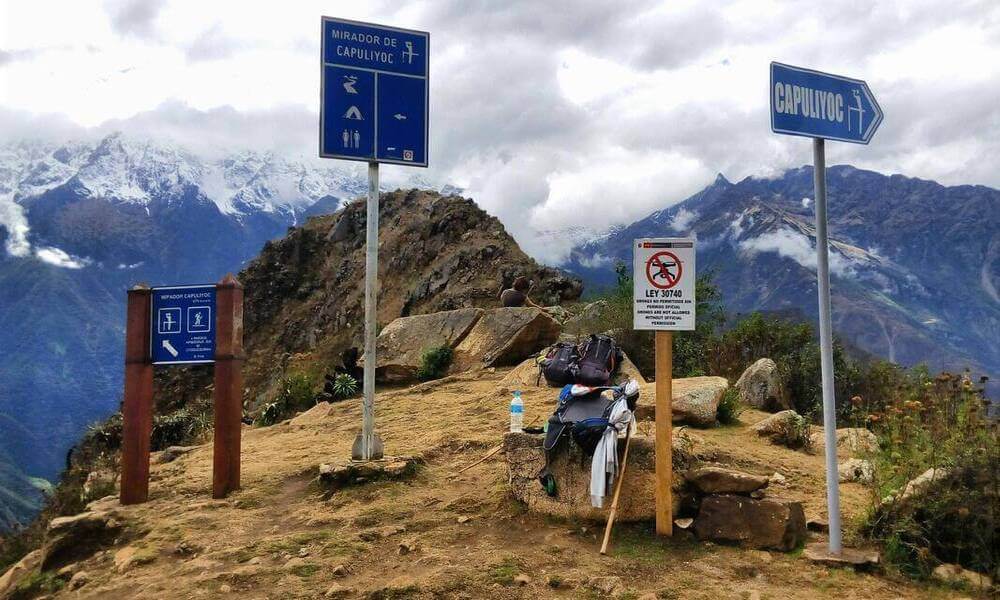
Capuliyoc Viewpoint on the Choquequirao trek
Capuliyoc Viewpoint

Apurímac River Canyon

One of the most impressive natural features of the Choquequirao trekking route is the dramatic canyon formed by the Apurímac River.

The descent toward the bottom of the valley is one of the most spectacular sections of the hike. As you lose elevation, both the scenery and temperature change considerably. The mountains seem to rise higher around you while the sound of the river becomes increasingly powerful.

Crossing the Apurímac River marks one of the lowest points of the route and, at the same time, the beginning of one of the trek’s major climbs. This contrast between descending deep into the canyon and gaining elevation again is one of the characteristics that makes the Choquequirao trek such a rewarding challenge.
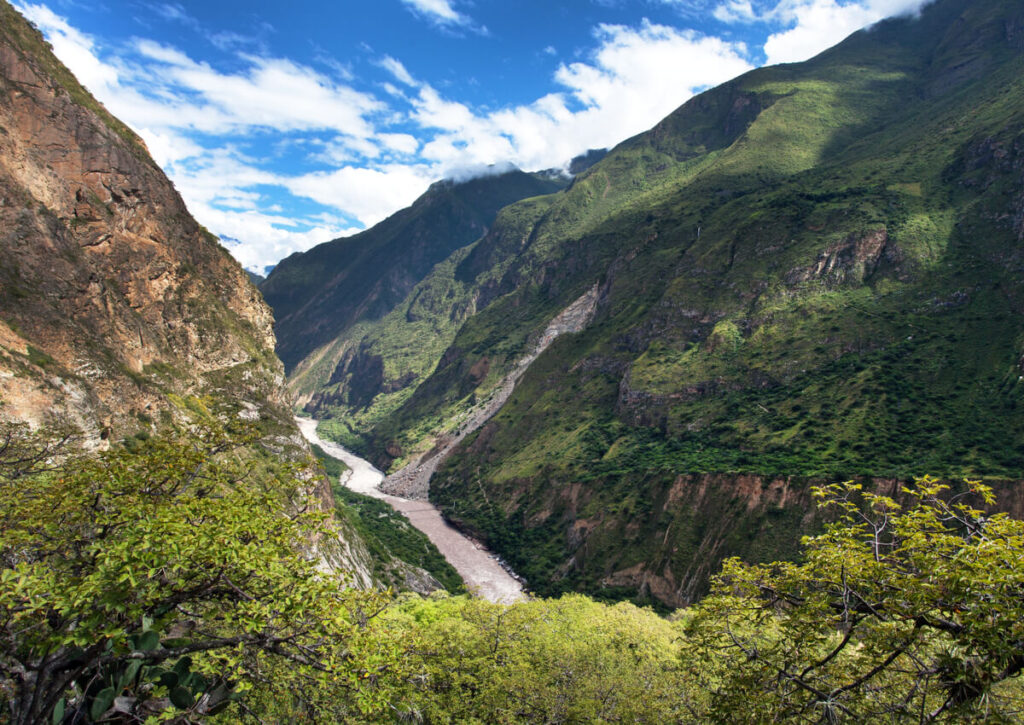
Apurímac River Canyon on the Choquequirao trek
Apurímac River Canyon

Playa Rosalina

Located near the Apurímac River, Playa Rosalina is a common rest stop along the Choquequirao trail.

After several hours of descending, this is a good place to regain your energy, hydrate, and prepare physically and mentally for the climb toward Santa Rosa and Marampata.

The vegetation, warmer climate, and constant sound of the river create an atmosphere that feels completely different from the higher sections of the trail. This variety of ecosystems is one of the aspects that often surprises travelers hiking to Choquequirao for the first time.

Although it may seem like just another stop along the route, taking time to rest here can help you approach the demanding uphill section ahead in better condition.
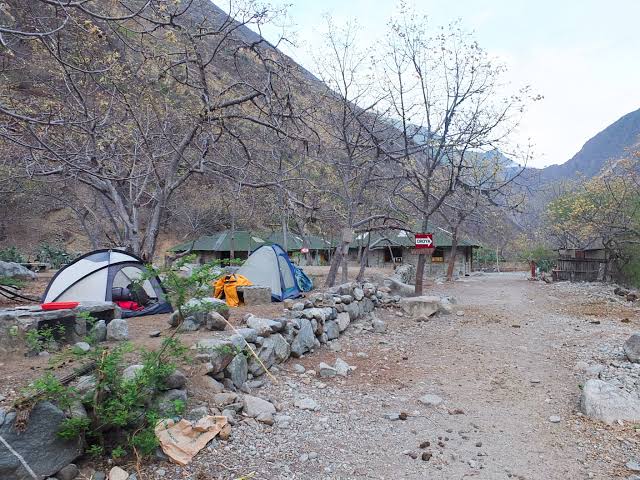
Playa Rosalina on the trail to Choquequirao
Playa Rosalina

Santa Rosa

After crossing the Apurímac River, one of the most demanding sections of the route begins. Santa Rosa lies partway up the climb and provides a strategic place to take a break.

This section clearly demonstrates the dramatic elevation changes that characterize the Choquequirao hike. Maintaining a steady pace, drinking water regularly, and avoiding rushing are essential for enjoying the journey.

From this area, the scenery begins to change again as the trail gradually reaches higher elevations and different types of vegetation.
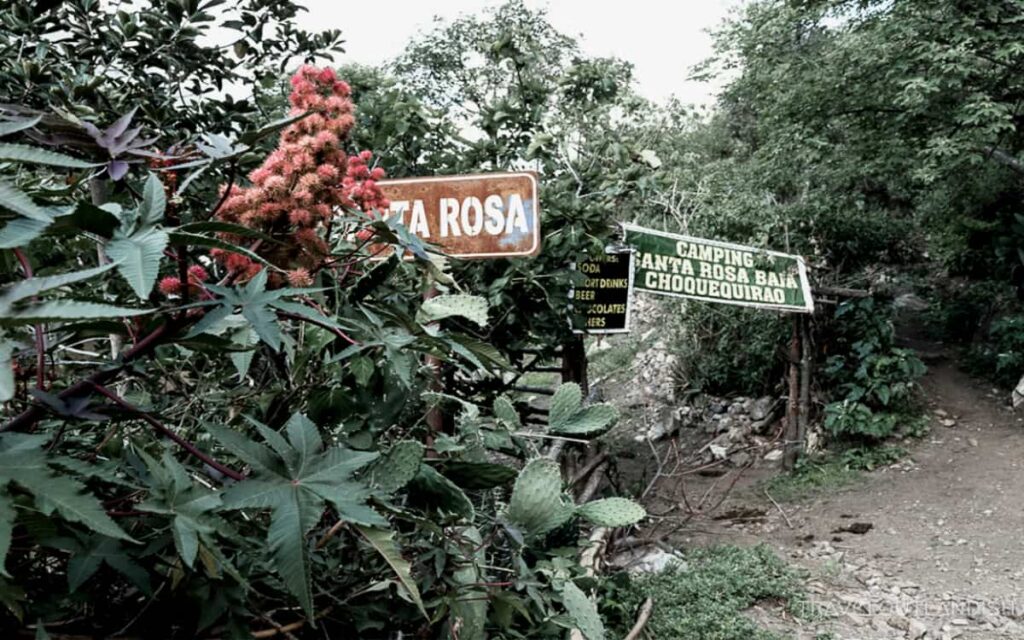
Santa Rosa on the Choquequirao trek
Santa Rosa

Marampata

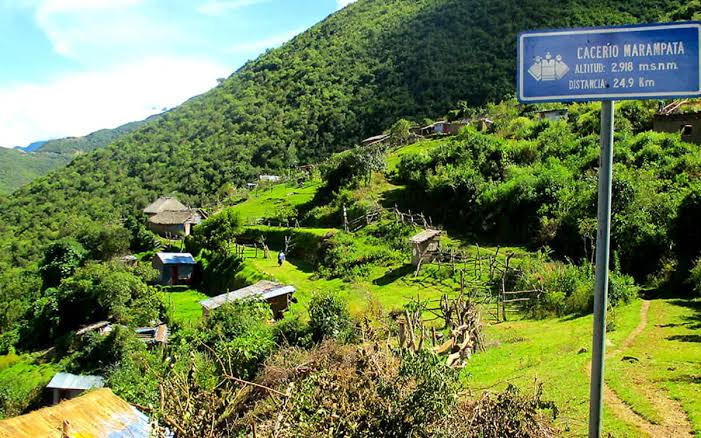
Marampata is one of the most important stops before reaching the archaeological complex. This small village, located at approximately 9,515 feet (2,900 meters) above sea level, serves as a rest point and base for many travelers completing the trek.

From the area surrounding Marampata, you can catch some of your first views toward Choquequirao, making the anticipation even greater after the demanding climb from the valley below.

In and around the village, you will also see agricultural terraces and small cultivated fields that form part of the region’s rural Andean landscape.

After the steep sections of the previous stages, stopping in Marampata provides a valuable opportunity to recover before beginning your exploration of the main destination.
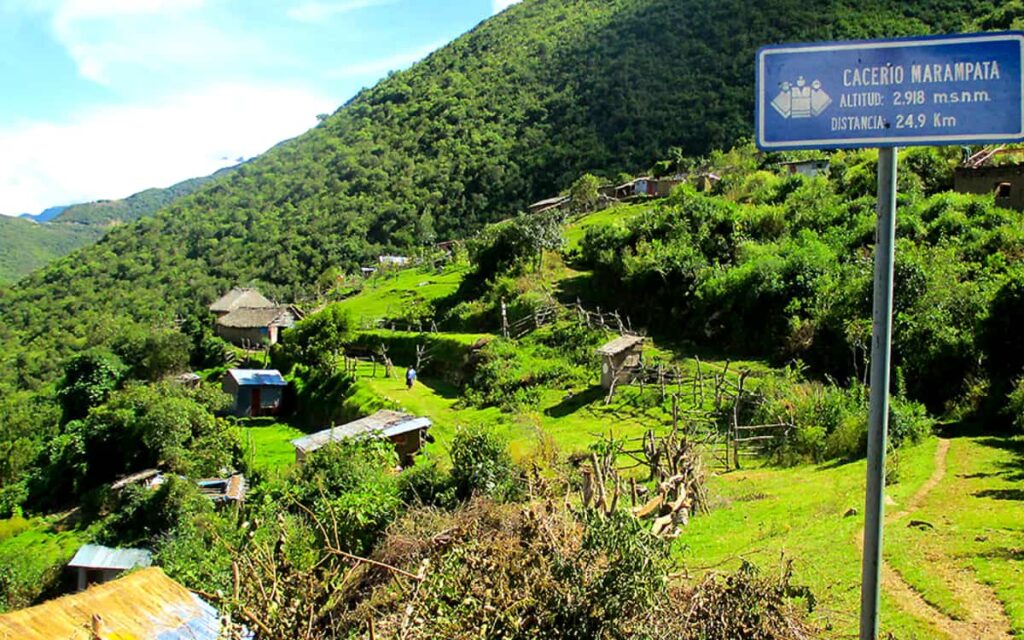
Marampata village near Choquequirao
Marampata

Choquequirao Archaeological Site

The Choquequirao archaeological site is the ultimate reward of the trek.

Surrounded by mountains and built along the slopes of the Andes, the complex preserves plazas, buildings, temples, water systems, and extensive agricultural terraces.

Its remote location is one of its greatest attractions. Arriving on foot after several days of hiking gives you a deeper appreciation for the site’s geographic isolation and for the skill of its builders, who adapted their architecture to the steep mountain terrain.

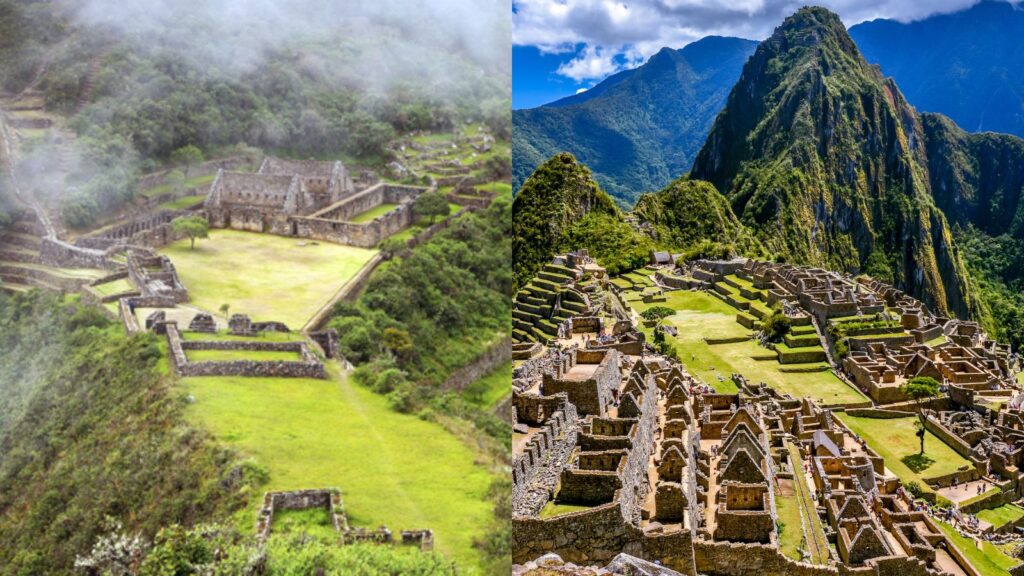
Choquequirao is often referred to as the “sister of Machu Picchu,” although visiting it is a very different experience. It generally receives far fewer visitors, and the size of the archaeological complex allows you to explore its different sectors in a much quieter setting.

It is important to allow enough time to properly explore the site. Choquequirao is much more than a central plaza: its structures are spread across different levels and sections of the mountain.

The Stone Llama Terraces

One of the most distinctive areas of Choquequirao is the llama sector, located along a series of agricultural terraces.

The terrace walls feature llama figures created with light-colored stones that contrast with the darker surrounding masonry. This remarkable design has become one of the most recognizable images associated with the Choquequirao archaeological complex.

Reaching this area requires an additional descent, which can feel demanding after several days of hiking. However, seeing the terraces and their stone llama figures up close makes the extra effort worthwhile.

Remember that you will need to climb back up afterward, so it is best to explore this section at a comfortable pace.
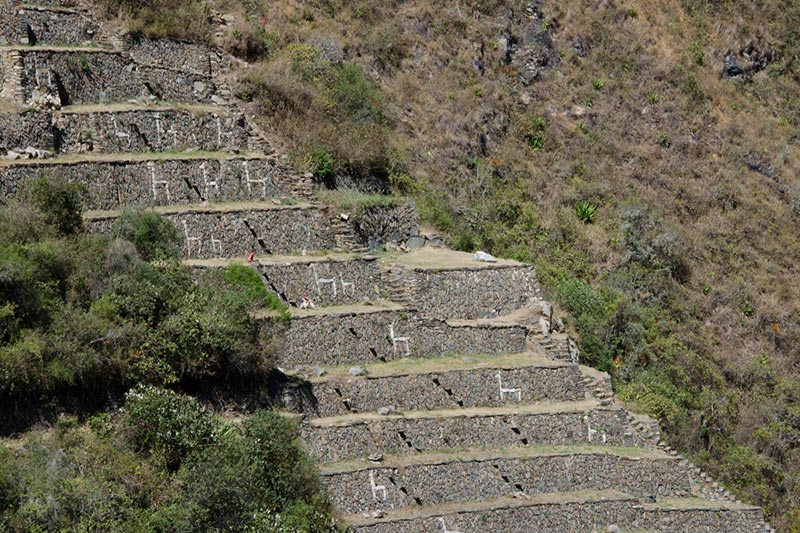
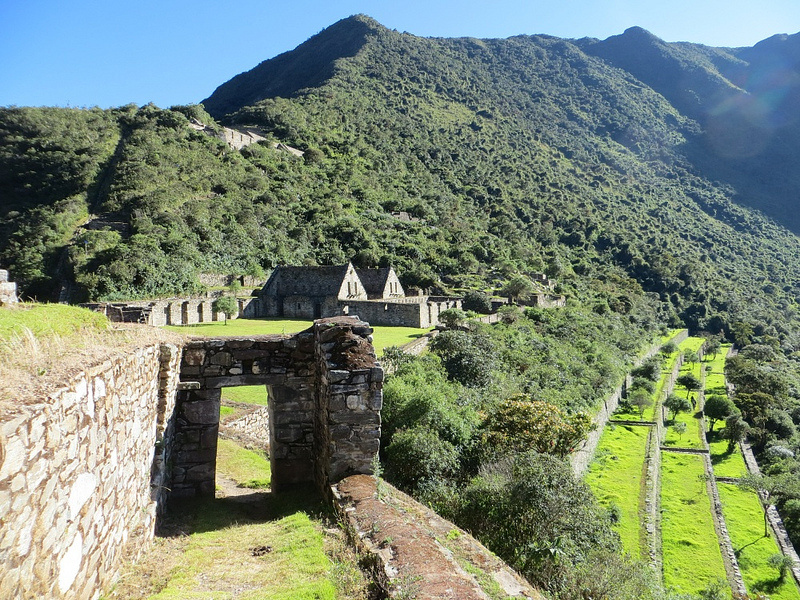
Stone llama terraces at Choquequirao
The stone llamas of Choquequirao

Main Plaza and Ceremonial Sectors

During your visit, it is also worth spending time exploring the Main Plaza of Choquequirao and the structures surrounding it.

From different areas of the complex, you can see how the buildings were carefully arranged according to the mountain’s topography. Terraces extend down the slopes while ceremonial and administrative areas occupy strategic locations.

Exploring these areas with a knowledgeable guide can help you better understand the purpose of the structures, the history of the site, and its importance within the Andean world.

Landscapes That Are Part of the Adventure

One of the main reasons to choose the Choquequirao trek from Cusco is that the archaeological site is only one part of the adventure.

Over several days, you will see the environment change as you descend into the valley and climb back toward the mountains. You can move from relatively cool mountain areas to much warmer sections near the Apurímac River before returning to higher elevations with denser vegetation.

This diversity gives every day of the trek a different character and makes the journey itself just as memorable as arriving at Choquequirao.

Why Hike the Choquequirao Trek?

This trek is an excellent choice for travelers looking to combine adventure, nature, archaeology, and hiking in the Peruvian Andes.

The physical challenge is an important part of the experience. The steep elevation changes make each day demanding, but they also allow you to reach remote places far from the busiest tourist routes.

Reaching Choquequirao on foot also creates a unique sense of accomplishment. After crossing the Apurímac Canyon and completing hours of climbing, seeing the archaeological complex for the first time becomes one of the most memorable moments of the journey.
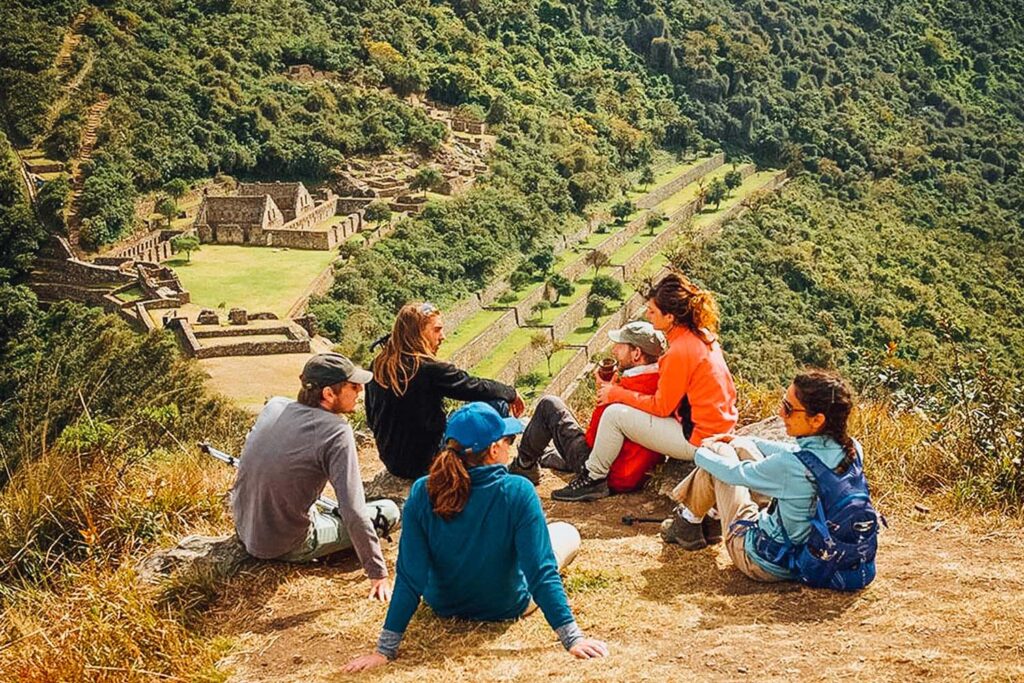
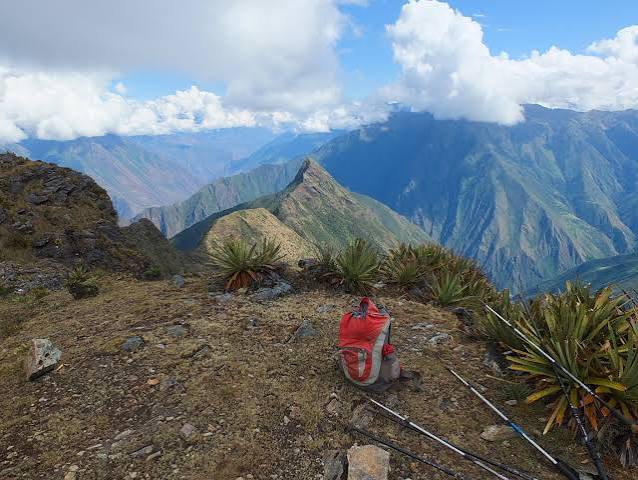
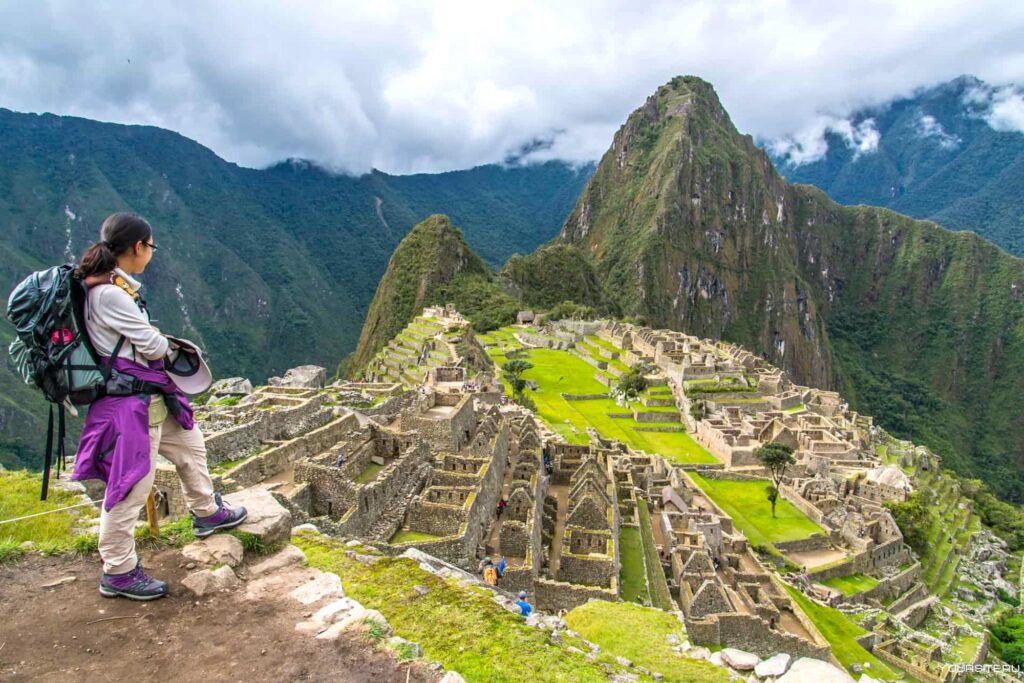
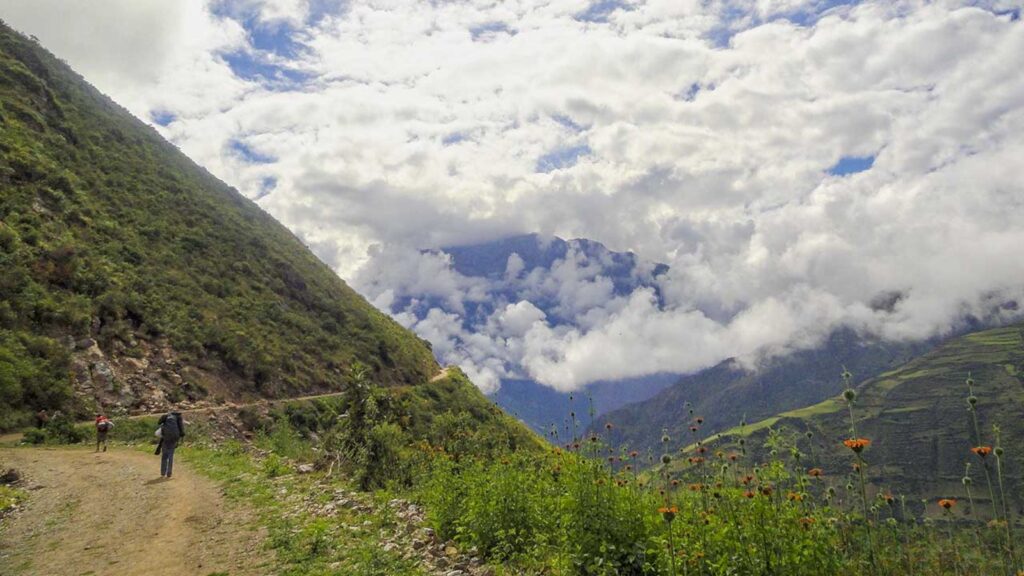
Panoramic mountain views on the Choquequirao trek
Panoramic mountain views along the trek

Tips for Enjoying the Choquequirao Trek

To make the most of each stage of the hike, maintain a steady pace and save energy for the climbs. The accumulated elevation gain and loss can be demanding even for travelers who already have hiking experience.

Carry enough water for each section, use sun protection, and keep both lightweight clothing and warmer layers easily accessible. Weather conditions can change considerably depending on the elevation and time of day.

It is also recommended to spend a few days in Cusco before beginning the trek to help your body acclimatize to the altitude.

Finally, do not focus only on reaching Choquequirao. Capuliyoc Viewpoint, the Apurímac Canyon, the communities along the route, and the changing landscapes are all essential parts of the adventure.

Frequently Asked Questions About the Choquequirao Trek

How many days does the Choquequirao trek take?

The classic round-trip route is usually completed in four or five days, depending on the itinerary, your group’s pace, and how much time is dedicated to exploring the archaeological site.

Choosing an itinerary that gives you enough time to properly explore Choquequirao is recommended, since the complex includes several different sectors and some require additional hiking.

How difficult is the Choquequirao trek?

The Choquequirao trek is considered challenging, mainly because of the steep descents and climbs through the Apurímac Canyon.

You do not need to be a professional athlete, but having a good level of physical fitness, doing some hiking beforehand, and properly acclimatizing in Cusco are highly recommended.

What Is the Best Time to Hike to Choquequirao?

The dry season, particularly from April through October, generally offers favorable conditions for hiking, with less rainfall and a better chance of enjoying clear mountain views.

Regardless of when you travel, mountain weather can change quickly, so it is important to bring appropriate clothing and follow the recommendations of your trekking team.

Where does the Choquequirao trek start?

Many itineraries begin with transportation from Cusco to the trailhead, with Capuliyoc being one of the most common starting points for the descent into the Apurímac Canyon.

The exact logistics may vary depending on the itinerary you choose and the length of your expedition.

Is the Choquequirao trek worth it?

Yes, especially if you are looking for a challenging hiking experience, spectacular Andean landscapes, and an archaeological site that is still primarily reached on foot.

Choquequirao rewards the effort with incredible surroundings and the opportunity to explore one of the most fascinating archaeological complexes in the Cusco region.

Experience the Choquequirao Adventure with Incredible Peru Tours

Exploring Choquequirao is much more than visiting an archaeological site. The descent into the Apurímac Canyon, the small villages along the trail, the surrounding mountains, and the challenge of every climb are all part of an experience you will remember long after returning to Cusco.

At Incredible Peru Tours, we can help you organize your Choquequirao trek so you can enjoy every stage of the route with careful planning and enough time to discover its main attractions.

If you are ready to trade the busiest tourist trails for several days of adventure in the mountains, Choquequirao could become one of the highlights of your trip to Peru.

Inicio » choquequirao

One of the most frequently asked questions before starting the hike to Choquequirao is where to sleep during the Choquequirao Trek. Unlike other tourist destinations in Cusco, this adventure takes place in a remote mountain area, so accommodation is an important part of the overall travel experience.

Depending on the itinerary you choose, overnight stays may take place at campsites such as Chiquisca, Santa Rosa, Marampata, or near Choquequirao. On routes that continue to Machu Picchu, it is also possible to combine nights in tents with a lodge or panoramic dome and, on some programs, a hotel in Aguas Calientes.

That is why, before booking your trek, it is important to understand what the campsites are like, what services you can expect, and how the accommodation changes from one itinerary to another.

In this guide from Incredible Peru Tours we explain where you sleep during the Choquequirao Trek and what you can expect each night.

Where Do You Sleep During the Choquequirao Trek?

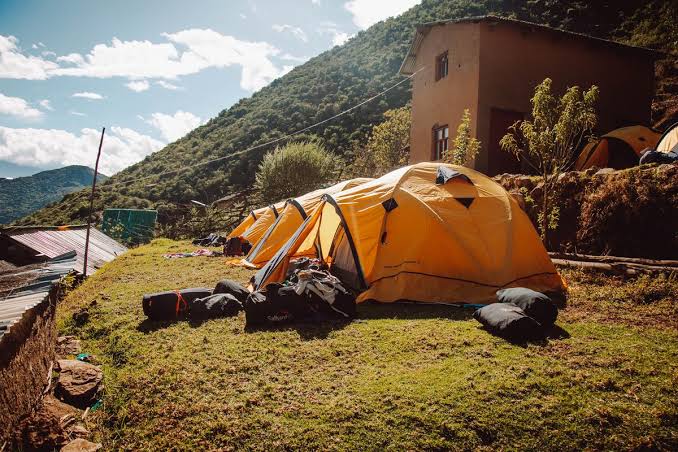
On the traditional route to Choquequirao, most nights are spent at campsites strategically located along the trail.

The exact locations depend on the length and organization of the trek. For example, some programs use Chiquisca for the first night, while other routes continue to Santa Rosa. Marampata also offers basic lodging and camping areas, and there are campsites very close to the Choquequirao archaeological site.

Some of the main overnight locations along the route include:

  • Chiquisca
  • Santa Rosa
  • Marampata
  • Campsite near Choquequirao
  • Playa Rosalinas
  • Additional accommodations for routes that continue to Machu Picchu

Let’s take a closer look at what makes each one different.

1. Chiquisca Campsite

Chiquisca is one of the traditional campsites on the Choquequirao Trek and is often used on itineraries that divide the initial descent from Capuliyoc into different stages.

On the 4-Day Classic Choquequirao Trek with Incredible Peru Tours, for example, the first day ends in Chiquisca, at approximately 1,836 m (6,024 ft) above sea level, after descending from Capuliyoc.

Spending the night here allows you to rest before continuing toward Playa Rosalinas, crossing the Apurimac River, and later taking on one of the most significant climbs of the route toward Santa Rosa and Marampata.

Chiquisca is also used as a campsite on other versions of the trek. On Incredible Peru Tours’ 5-day Choquequirao itinerary, it appears both on the way to Choquequirao and again during the return journey.

Sleeping in this area means being fully immersed in the landscape of the Apurimac Canyon, far from urban surroundings and surrounded by mountains.

2. Santa Rosa Campsite

Santa Rosa is another important overnight stop on certain routes to Choquequirao.

It is located after crossing Playa Rosalinas and beginning the ascent from the bottom of the canyon. On Incredible Peru Tours’ 4-day and 5-day Choquequirao to Machu Picchu itineraries, the first night is spent in this area, at approximately 2,050 m (6,726 ft) above sea level.

After a day that begins in Capuliyoc, descends to the Apurimac River, and then gains elevation again, arriving at the campsite gives you the chance to recover your energy before the next day’s climb.

From Santa Rosa, the route continues toward Marampata and Choquequirao.

3. Marampata: Campsites and Lodging Before Choquequirao

Marampata is one of the best-known stops along the route because it is located relatively close to the archaeological complex.

Unlike other sections of the trek, Marampata has basic lodging and camping areas, giving travelers different options for resting before or after visiting Choquequirao. From this area, you can also begin to enjoy views of the surrounding landscape where the ancient Inca city is located.

Marampata is located at approximately 2,850–2,900 m (9,350–9,514 ft) above sea level, depending on the specific point used on the itinerary.

Some routes only stop in Marampata for a break or lunch before continuing to Choquequirao, while others use the area as an overnight stop.

For example, on Incredible Peru Tours’ 5-day Choquequirao itinerary, one of the nights is spent in Marampata after dedicating much of the day to exploring the archaeological site.

4. Sleeping Near the Choquequirao Archaeological Site

One of the most memorable experiences of this trek is having the opportunity to spend the night very close to Choquequirao.

There are camping areas near the archaeological complex. On some Incredible Peru Tours itineraries, the campsite is located at around 3,000 m (9,843 ft) above sea level and only a short walk from the site.

This allows travelers to arrive at the campsite, leave their gear, and continue to Choquequirao for the visit.

The campsite used on these programs has restrooms and cold-water showers.

The main advantage of sleeping in this area is the location. Instead of quickly visiting Choquequirao and returning the same day, you can experience it as part of a multi-day journey through the Apurimac Canyon and the mountains of Cusco.

5. Playa Rosalinas: Sleeping Near the Apurimac River

Playa Rosalinas is located at the bottom of the Apurimac Canyon, at approximately 1,550 m (5,085 ft) above sea level, and is one of the lowest points of the trek.

Depending on the itinerary, it may serve as a rest stop, lunch area, or campsite.

On Incredible Peru Tours’ 4-Day Classic Choquequirao Trek, for example, the third night is scheduled at La Playa, beside the Apurimac River, after returning from Choquequirao and Marampata.

The environment in this part of the route is very different from the higher-altitude sections. The canyon has warmer conditions, so during the same trek travelers can experience significant changes in both temperature and elevation.

What Are the Tents Like During the Choquequirao Trek?

On an organized tour, camping does not necessarily mean that you have to carry all the equipment yourself.

On Incredible Peru Tours’ Classic Choquequirao Trek, for example, the service includes muleteers and horses to transport the camping equipment. Mountain tents designed for four people are also used, but they are occupied by two travelers to provide greater comfort and additional space for luggage.

The equipment provided for this program also includes:

  • Inflatable sleeping pad.
  • Dining tent.
  • Camping tables and chairs.
  • Lighting for the evening.
  • Kitchen tent.
  • Equipment for preparing meals.

In this way, the campsite serves as a small base where travelers can rest after each day of trekking.

Are There Bathrooms and Showers at the Choquequirao Campsites?

The available facilities vary depending on the location.

For example, the camping area near Choquequirao used on Incredible Peru Tours itineraries has restrooms and cold-water showers. Marampata also has basic facilities in certain areas.

However, it is important to travel with realistic expectations.

The Choquequirao Trek takes place in a remote mountain region, so the facilities are considerably simpler than those found at a conventional hotel.

That sense of disconnection and the constant contact with nature are also an important part of the experience.

Do I Need to Bring a Sleeping Bag?

Yes. Although the tour operator may provide tents and other camping equipment depending on the service booked, a sleeping bag is listed among the essential items recommended for Incredible Peru Tours’ Classic Choquequirao Trek.

During the trek, you will pass through areas with different elevations and weather conditions, so it is important to bring appropriate clothing for the evenings and follow the recommendations provided during the pre-trek briefing.

Where Do You Sleep If You Trek Choquequirao and Machu Picchu?

This is where there is an important difference.

Travelers who only follow the classic route to Choquequirao spend most of their nights at campsites. However, those who continue the expedition toward Machu Picchu can combine different types of accommodation.

Choquequirao and Machu Picchu in 4 Days

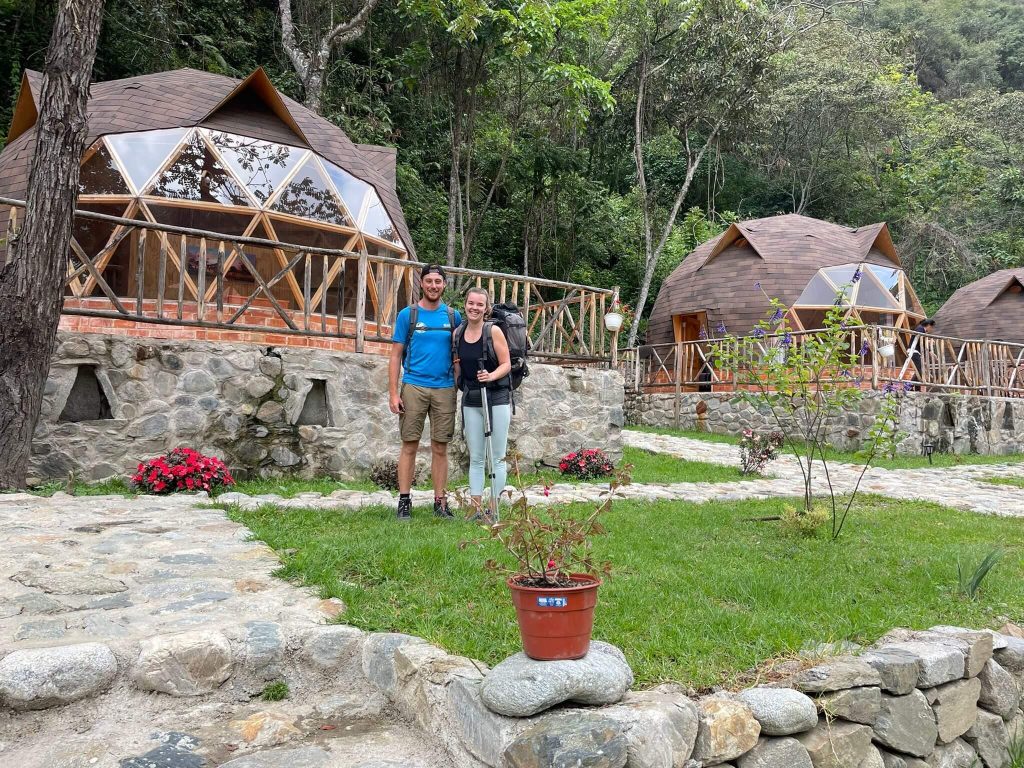
On Incredible Peru Tours’ 4-day program, the first nights are spent at Santa Rosa and at the campsite near Choquequirao. After crossing San Juan Pass and reaching Yanama, the group is transferred to the Eco Lodge Majestic Sky Domes in the Sahuayaco area, where the third night is spent in a panoramic wooden dome.

In this way, the itinerary combines two different experiences: mountain camping during the first part of the expedition and lodge-style accommodation during the approach to Machu Picchu.

Choquequirao and Machu Picchu in 5 Days

The 5-day program expands this combination even further.

According to the current itinerary, it includes two nights in tents, one night at the Eco Lodge Majestic Sky Domes, and one night at a 3-star hotel in Aguas Calientes.

The overnight schedule is:

First night: Santa Rosa campsite.
Second night: campsite near Choquequirao.
Third night: panoramic dome in the Sahuayaco area.
Fourth night: hotel in Aguas Calientes.

This option is especially appealing for travelers who want to combine an authentic trekking experience with different types of accommodation during the final approach to Machu Picchu.

Camping or Lodging: Which Option Should You Choose?

There is no single answer because it depends on the route you want to take.

If your main goal is to experience Choquequirao through the classic trek, sleeping at campsites is an essential part of the adventure.

If you also want to connect Choquequirao with Machu Picchu, there are itineraries that combine tents with a panoramic dome and, on the 5-day version, a final night at a hotel in Aguas Calientes.

That is why, before booking, it is a good idea to review not only how many days the tour lasts, but also where you will sleep each night and what type of accommodation is included in the program.

Tips for Sleeping Better During the Choquequirao Trek

After several hours of hiking, getting a good night’s rest is essential for preparing for the next day.

Before starting the trek, check what equipment is included in your tour and what items you need to bring yourself. A suitable sleeping bag, warm clothing for the evenings, a headlamp, and basic personal hygiene items are among the recommended essentials for the Choquequirao route.

It is also important to pack only what you need. On organized Incredible Peru Tours programs, muleteers and horses transport the camping equipment and a limited amount of personal luggage, allowing travelers to hike with a small daypack during the day.

Frequently Asked Questions About Accommodation on the Choquequirao Trek

Are There Hotels on the Choquequirao Trek?

Marampata has basic lodging and camping areas, but many organized routes use tents for the main overnight stays during the trek.

If you continue toward Machu Picchu, some itineraries include additional accommodations such as eco-domes and hotels in Aguas Calientes.

Can You Sleep Near Choquequirao?

Yes. There are camping areas near the archaeological site. On Incredible Peru Tours itineraries, one of these campsites is located at around 3,000 m (9,843 ft) above sea level and only a few minutes’ walk from the complex.

Are There Showers During the Trek?

It depends on the campsite. The camping area near Choquequirao used on these programs has restrooms and cold-water showers.

Where Do You Sleep on the 4-Day Choquequirao Trek?

It depends on the itinerary you book. On Incredible Peru Tours’ classic 4-day route, travelers camp in Chiquisca, near Choquequirao, and at La Playa Rosalinas.

On the 4-day route connecting Choquequirao with Machu Picchu, travelers sleep in Santa Rosa, near Choquequirao, and at the Eco Lodge Majestic Sky Domes.

Where Do You Sleep on the 5-Day Choquequirao Trek?

On the extended classic 5-day route, campsites such as Chiquisca, Choquequirao, and Marampata may be used depending on the day’s itinerary.

On the version that continues to Machu Picchu, the four nights combine two campsites, one panoramic dome, and one hotel in Aguas Calientes.

So, What Is It Like to Sleep During the Choquequirao Trek?

Sleeping during the Choquequirao Trek is part of the adventure.

It is not simply about finding a place to rest after hiking. Each campsite allows you to experience a different landscape, from the warmer areas of the Apurimac Canyon to the mountains surrounding Choquequirao.

Depending on the itinerary you choose, you may spend the night in Chiquisca, Santa Rosa, Marampata, Playa Rosalinas, or near the Choquequirao archaeological site itself. And if you continue toward Machu Picchu, you can also combine camping with accommodations such as the Majestic Sky Domes and a hotel in Aguas Calientes.

With Incredible Peru Tours, you can choose the program that best fits your available time and the type of experience you are looking for, while our team takes care of the main trekking arrangements so you can focus on enjoying Choquequirao, its mountains, and its extraordinary landscapes.

Inicio » choquequirao

The 4 or 5-Day Choquequirao Trek is one of the best options for travelers looking to combine adventure, nature, and history in a single experience. Both routes allow you to explore the impressive Choquequirao archaeological complex and continue the journey to Machu Picchu, crossing some of the most spectacular landscapes in the Peruvian Andes.

However, an important question comes up when planning your trip: is it better to do Choquequirao in 4 or 5 days?

The answer mainly depends on how much time you have available and the type of experience you are looking for. The 4-day itinerary is more compact and covers approximately 50 km (31 miles), while the 5-day program extends the adventure to around 70 km (43.5 miles) and includes an additional day with experiences such as a coffee tour, the route to Llactapata, and an overnight stay in Aguas Calientes before visiting Machu Picchu.

In this guide from Incredible Peru Tours, we compare both itineraries to help you choose the option that best fits your travel plans.

Choquequirao in 4 or 5 Days: Main Differences

Although both programs share much of the same route during the first few days, the main difference is in the final stage of the journey toward Machu Picchu.

FeatureChoquequirao 4 DaysChoquequirao 5 Days
Duration4 days / 3 nights5 days / 4 nights
Approximate distance50 km / 31 miles70 km / 43.5 miles
DifficultyModerate to challengingModerate to challenging
Maximum altitude4,150 m / 13,615 ft4,150 m / 13,615 ft
Visit to ChoquequiraoYesYes
Overnight stay in a panoramic domeYesYes
Coffee experienceNoYes
Route through LlactapataNoYes, depending on the itinerary
Overnight stay in Aguas CalientesNoYes
Visit to Machu PicchuDay 4Day 5
Return to CuscoDay 4Day 5

According to the general information published by Incredible Peru Tours, both programs reach San Juan Pass at 4,150 meters (13,615 feet) above sea level and are classified as moderate to challenging treks.

What Do Both Itineraries Have in Common?

During the first three days, the 4-day and 5-day routes essentially follow the same itinerary.

The adventure begins early in Cusco with transportation to Capuliyoc, one of the most impressive natural viewpoints along the route. From there, the trek begins with a descent into the deep Apurimac Canyon and toward Playa Rosalinas, followed by an ascent to Santa Rosa.

On the second day, the trek continues toward Marampata and Choquequirao, where travelers have much of the afternoon to enjoy a guided tour of the archaeological complex.

The third day is one of the most demanding stages of the trek. The route continues from Choquequirao through cloud forest landscapes until reaching San Juan Pass at 4,150 m (13,615 ft) above sea level, before descending toward Yanama. From there, transportation takes the group to the Eco Lodge Majestic Sky Domes for the night.

It is after this stage that the two itineraries begin to differ.

Incredible Peru Tours domes

4-Day Choquequirao Trek: A More Compact Adventure

The 4-Day Choquequirao and Machu Picchu Trek is designed for travelers who have less time available but still want to complete the journey connecting both archaeological sites.

What Is the 4-Day Itinerary Like?

Day 1: Cusco – Capuliyoc – Playa Rosalinas – Santa Rosa

The adventure begins with transportation from Cusco to Capuliyoc. From this point, you begin a long descent to Playa Rosalinas, located beside the Apurimac River, followed by an ascent to the Santa Rosa campsite.

The day includes approximately 14 km (8.7 miles) of hiking.

Day 2: Santa Rosa – Marampata – Choquequirao

After breakfast, the ascent begins toward Marampata and then continues to Choquequirao.

In the afternoon, you will enjoy a guided tour of the main areas of the archaeological complex, including plazas, temples, terraces, and the famous llama sector.

The day covers approximately 10 km (6.2 miles).

Day 3: Choquequirao – San Juan Pass – Yanama – Sky Domes

This is one of the longest days of the trek. You will cross cloud forest landscapes and climb to San Juan Pass, the highest point of this journey, located at 4,150 m (13,615 ft) above sea level.

Afterward, the descent toward Yanama begins, followed by transportation to the Eco Lodge Majestic Sky Domes.

According to the published itinerary, this day includes approximately 17 km (10.6 miles) and around nine hours of hiking.

Day 4: Sky Domes – Hydroelectric Station – Aguas Calientes – Machu Picchu – Cusco

The final day begins early with transportation to the Hydroelectric Station. From there, you will hike for approximately three hours along the route to Aguas Calientes.

Afterward, you will take the bus to Machu Picchu for a guided tour. At the end of the visit, you will return to Aguas Calientes and later take the train to Ollantaytambo, followed by transportation back to Cusco.

This makes the fourth day a very full day, combining transportation, hiking, a visit to Machu Picchu, and the return journey to Cusco.

Who Do We Recommend the 4-Day Choquequirao Trek For?

This option may be ideal if:

  • You only have a few days available during your stay in Cusco.
  • You want to connect Choquequirao and Machu Picchu in the shortest possible time.
  • You prefer a shorter overall route.
  • You have good physical fitness and are prepared for demanding hiking days.
  • You do not need to spend a night in Aguas Calientes before visiting Machu Picchu.

Recommended internal link: use 4-Day Choquequirao and Machu Picchu Trek as the anchor text and link it to the corresponding tour page.

5-Day Choquequirao Trek: A More Complete Experience

The 5-Day Choquequirao and Machu Picchu Trek adds an extra day, allowing travelers to enjoy a more extensive experience after leaving the Choquequirao area.

The published route covers approximately 70 km (43.5 miles) and includes four nights of accommodation: two nights of camping, one night in a panoramic dome, and one night in a hotel in Aguas Calientes.

The first three days follow almost the same route as the 4-day program. The main difference begins on the fourth day.

Day 4: Sky Domes – Coffee Experience – Llactapata – Hydroelectric Station – Aguas Calientes

One of the major differences of the 5-day itinerary is that the morning begins with an immersive experience related to locally grown coffee.

Afterward, the program offers the option to continue hiking toward Lucmabamba and follow an ancient Inca trail to the archaeological site of Llactapata. From this area, travelers can enjoy views toward the Machu Picchu region before descending to the Hydroelectric Station.

After lunch, the journey continues with an approximately three-hour hike from the Hydroelectric Station to Aguas Calientes, where travelers spend the night in a hotel.

This day provides a very different transition compared with the 4-day version: Machu Picchu is saved for the following morning.

Day 5: Aguas Calientes – Machu Picchu – Cusco

After spending the night in Aguas Calientes, the fifth day is mainly dedicated to exploring Machu Picchu.

Travelers take the bus from Aguas Calientes to the archaeological sanctuary for a guided tour. Afterward, there is time to return to town before taking the train to Ollantaytambo and then continuing by transportation to Cusco.

Who Do We Recommend the 5-Day Choquequirao Trek For?

Consider this option if:

  • You have an additional day available for the trek.
  • You want to experience a longer and more extensive route.
  • You are interested in visiting Llactapata in addition to Choquequirao and Machu Picchu.
  • You want to participate in a local coffee experience.
  • You prefer to spend a night in Aguas Calientes before visiting Machu Picchu.
  • You want to dedicate the final day mainly to exploring Machu Picchu.

Recommended internal link: use 5-Day Choquequirao and Machu Picchu Trek as the anchor text and link it to the corresponding tour page.

Is the 5-Day Choquequirao Trek Easier Than the 4-Day Trek?

Not necessarily.

This is an important point to consider when comparing the two itineraries.

Although having five days can make the arrival at Machu Picchu feel less rushed, the 5-day trek should not automatically be considered easier.

Both routes are rated moderate to challenging, share the demanding first stages of the trek, and reach 4,150 meters (13,615 feet) at San Juan Pass. In addition, the 5-day version covers a longer total distance: approximately 70 km (43.5 miles) compared with about 50 km (31 miles) for the 4-day program.

For this reason, your decision should not be based solely on difficulty.

The main difference is how you want to experience the final part of the adventure.

Choquequirao 4 Days vs. 5 Days: Which One Should You Choose?

Choose the 4-Day Choquequirao Trek If You Have Limited Time

If your Peru itinerary is tight and you want to visit Choquequirao and Machu Picchu as part of a single expedition, the 4-day trek is an excellent option.

The route includes the main highlights of the trek while reducing the total duration of the journey.

Choose the 5-Day Choquequirao Trek If You Want a More Complete Experience

If you have an extra day available and want to discover more places along the way, the 5-day program offers a more extensive experience.

The opportunity to visit Llactapata, participate in a coffee experience, and spend the final night in Aguas Calientes adds more variety to the journey before visiting Machu Picchu.

If Machu Picchu Is a Priority, Consider the 5-Day Trek

This is probably one of the most important differences between the two itineraries.

On the 4-day program, the final day includes transportation from the lodge, the hike from the Hydroelectric Station, arrival in Aguas Calientes, the visit to Machu Picchu, and the return journey toward Cusco.

On the 5-day itinerary, you arrive in Aguas Calientes on the fourth day, spend the night in town, and visit Machu Picchu the following morning.

For this reason, travelers who want Machu Picchu to have its own dedicated day during the trip may find the 5-day option especially appealing.

How Difficult Is the Choquequirao Trek?

The Choquequirao Trek requires a good level of physical fitness.

Along the route, you will encounter steep ascents and descents, significant changes in altitude, warm weather in the lower areas, and cooler temperatures in the higher mountain sections.

One of the most demanding days on both itineraries includes approximately nine hours of hiking and an ascent to San Juan Pass at 4,150 m (13,615 ft) above sea level.

For this reason, proper physical preparation and acclimatization in Cusco before beginning the adventure are important. Incredible Peru Tours recommends spending time acclimatizing before starting the trek.

Frequently Asked Questions About Choquequirao in 4 or 5 Days

Which Route Is Shorter: Choquequirao 4 Days or 5 Days?

The 4-day program is the shorter option. According to the itineraries published by Incredible Peru Tours, it covers approximately 50 km (31 miles), while the 5-day program covers around 70 km (43.5 miles).

Do Both Tours Visit Choquequirao and Machu Picchu?

Yes. Both itineraries are designed to connect Choquequirao and Machu Picchu within a single adventure.

Which Itinerary Gives You More Time Before Visiting Machu Picchu?

The 5-day program allows you to spend the fourth night in Aguas Calientes and visit Machu Picchu the following day. On the 4-day tour, the arrival from the Hydroelectric Station, the visit to Machu Picchu, and part of the return journey to Cusco all take place on the same day.

Do Both Itineraries Reach the Same Maximum Altitude?

Yes. Both programs list San Juan Pass at 4,150 m (13,615 ft) above sea level as the highest point of the trek.

Which Option Is Better for Travelers With Limited Time in Cusco?

The 4-day itinerary may be the most convenient option for travelers with a tight schedule who want to combine Choquequirao and Machu Picchu without adding a fifth day to their itinerary.

Is the 5-Day Choquequirao Trek Worth It?

Yes, especially if you are looking for a longer experience and want to include additional attractions along the route. The program includes a coffee experience, the option to hike to Llactapata, and a hotel night in Aguas Calientes before visiting Machu Picchu.

So, Should You Choose Choquequirao in 4 or 5 Days?

There is no single perfect option for every traveler.

The 4-Day Choquequirao Trek is an excellent choice for travelers with limited time, good physical fitness, and a desire to complete an intense adventure connecting Choquequirao and Machu Picchu.

The 5-Day Choquequirao Trek, on the other hand, is recommended for travelers who have an additional day and want to expand their experience with Llactapata, local culture, an overnight stay in Aguas Calientes, and a final day mainly dedicated to Machu Picchu.

Whichever option you choose, you will experience an extraordinary journey through mountains, canyons, cloud forests, and ancient Andean trails while connecting two of Peru’s most remarkable archaeological sites.

With Incredible Peru Tours, you can choose the itinerary that best matches your available time, fitness level, and travel style, allowing you to discover Choquequirao and Machu Picchu in one unforgettable adventure.

Inicio » choquequirao

Visiting Choquequirao requires more than simply being willing to walk. The route involves several hours of trekking, long descents, and demanding climbs, so arriving with proper physical preparation can make a significant difference throughout the journey.

You do not need to be a professional athlete or train every day. However, it is a good idea to get your body used to walking for several hours, strengthen your legs, and improve your cardiovascular endurance before the trip.

In this guide, we explain how to prepare physically for Choquequirao in a practical and progressive way.

How demanding is the Choquequirao trek?

The trek to Choquequirao is physically demanding mainly because of the significant elevation changes along the route.

On the traditional route through Cachora, the trail descends toward the Apurímac River canyon and then climbs again toward the archaeological complex. This means your legs are constantly working during both the descents and the climbs.

In addition, the physical effort does not end after a single climb. Depending on the itinerary you choose, you may need to hike for several consecutive days.

For this reason, your preparation should focus on four main areas:

  • Endurance to walk for several hours;
  • Strength in your legs and glutes;
  • Stability in your knees and ankles;
  • The ability to recover and hike again the following day.

How far in advance should you start preparing?

It is best to start preparing several weeks before the trek, especially if you are currently not very physically active.

The goal is not to push yourself to the limit. Instead, gradually increase the amount of time you can walk without becoming completely exhausted.

If you already hike, run, ride a bike, or regularly practice another sport, you probably have a good fitness base. Even so, it is helpful to include hikes with hills because the effort is different from walking only on flat terrain.

If you currently have a more sedentary lifestyle, start at a comfortable pace and gradually increase the duration and difficulty of your workouts.

1. Walk more often

The best way to prepare your body for walking is, quite simply, to walk.

Start with routes you can comfortably complete, then gradually increase the duration.

For example, during the first few weeks, you can take walks lasting between 30 and 60 minutes. As you progress, add some longer hikes.

You do not need to cover distances similar to the Choquequirao trek during every training session. The important thing is to get your legs and feet used to staying active for increasingly longer periods.

Train on routes with elevation changes

Walking only on flat streets can help improve endurance, but it does not fully prepare your legs for steep slopes.

Whenever possible, include:

  • Uphill paths
  • Trails
  • Stairs
  • Inclined streets
  • Routes with different types of terrain.

Climbing helps build endurance and leg strength. Descents are also important because they place a different type of stress on your muscles, especially your quadriceps and knees.

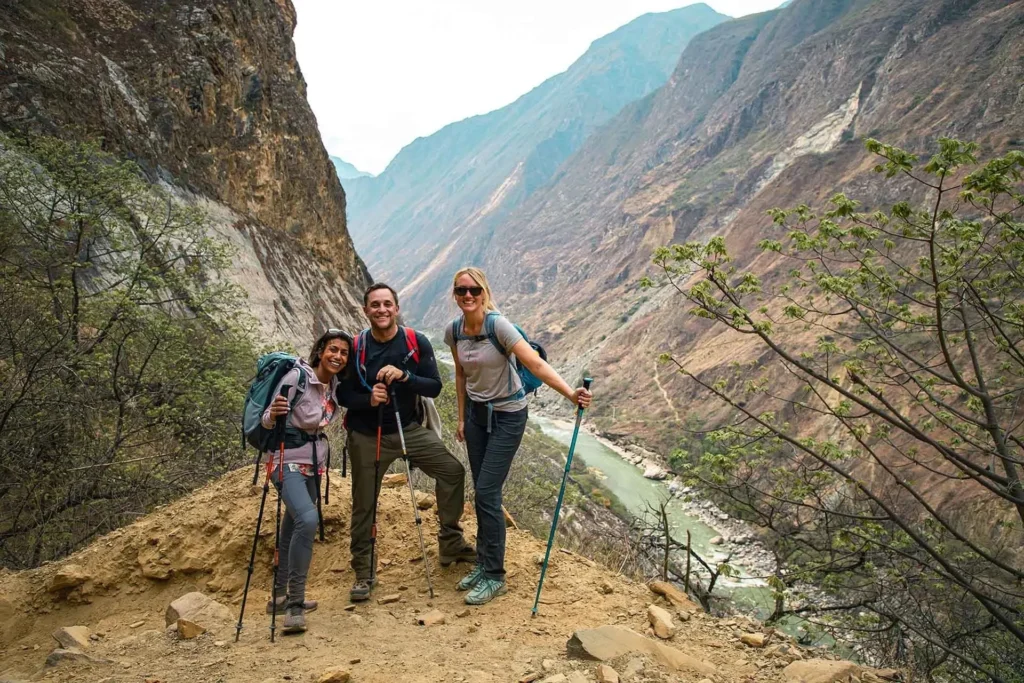
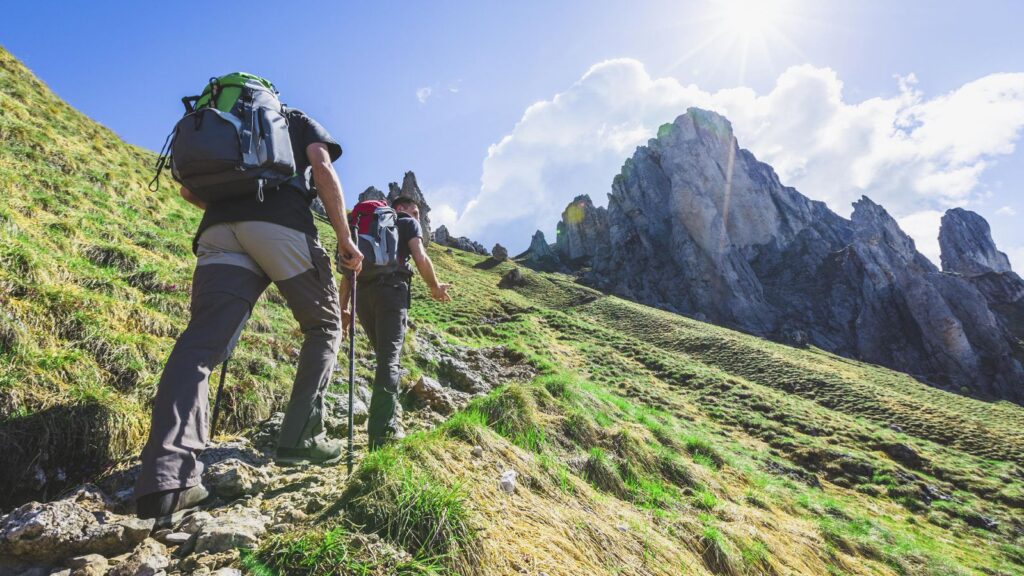
Choquequirao hiking
Choquequirao hiking

Strengthen your legs

During the Choquequirao trek, your legs will do much of the work. Having a good strength base can help you maintain a steadier pace on steep sections.

You do not need gym machines to prepare. There are simple exercises you can do using your own body weight.

Squats

Squats mainly work your legs and glutes.

Perform them slowly while maintaining a comfortable and controlled posture. Proper form should be your priority before increasing the number of repetitions.

Lunges

Lunges help strengthen each leg individually while also improving balance.

This exercise can be useful for preparing for uneven terrain where you need to constantly adjust your footing.

Step-ups

You can use a sturdy step or a surface designed for exercise.

Step up with one leg, complete the movement, and step back down in a controlled way. Then alternate legs.

It is a simple exercise that recreates part of the effort required during an uphill hike.

Calf raises

Your calves also work hard during long hikes.

Stand upright, slowly raise your heels, and lower them again. You can do this near a wall or another stable surface if you need support.

Improve your cardiovascular endurance

Leg strength is not the only thing that matters.

During long climbs, you will need to maintain a steady level of effort for an extended period. That is why gradually improving your cardiovascular endurance is also important.

Some useful activities include:

  • Brisk walking
  • Cycling
  • Swimming
  • Long hikes
  • Using stairs at a controlled pace.

You do not need to turn every training session into a speed challenge.

For Choquequirao, it is more useful to learn how to maintain a steady effort for a long period than to walk extremely fast for only a few minutes.

cardiovascular endurance
Cardiovascular endurance

Practice hiking on consecutive days

This is a part of preparation that is often overlooked.

Completing one long hike and resting for several days is one thing. Getting up the next morning and hiking again is very different.

On the Choquequirao trek, you will have consecutive days of physical activity. As your trip gets closer, consider doing moderate hikes on two consecutive days.

For example:

Saturday: a longer hike;

Sunday: a shorter, easier hike.

This helps you understand how your body responds when you are still carrying some fatigue from the previous day.

You do not need to do this every week. The idea is simply to include this type of training occasionally as part of your preparation.

Train for both uphill and downhill sections

Many people prepare by focusing only on climbing.

However, long descents can also place significant stress on your legs.

During a descent, your muscles must constantly control the movement of your body. If you are not used to this type of effort, you may notice considerable fatigue in your quadriceps.

For that reason, when you train on a hill or a route with elevation changes, do not think of the downhill section as simply the way back.

Walk down in a controlled manner, pay attention to your footing, and treat the descent as part of your training.

Train for uphill and downhill sections

Strengthen your core

Your abdominal and lower back muscles help provide stability while you walk, especially if you are carrying a small backpack.

You can add basic core-strengthening exercises to your routine.

You do not need long workout sessions. A few minutes after your leg exercises may be enough to complement your preparation.

A stable core can make it easier to maintain good posture during long hikes.

Practice with the backpack you plan to use

You do not want the first day of the trek to be the first time you discover what it feels like to walk for several hours with a backpack.

Once you have built some fitness, complete a few training hikes using the backpack you plan to take on the trip.

Start with a light load.

The goal is to get used to:

  • Walking with the backpack on
  • Adjusting the straps correctly
  • Identifying any areas that cause discomfort
  • Understanding how the backpack affects your balance on uphill and downhill sections.

You do not need to carry unnecessary weight simply to make your training more difficult.

Walking with a backpack

Wear your trekking shoes before the trip

Your feet also need preparation.

If you plan to wear specific hiking shoes or boots during the trek, use them on several of your training hikes beforehand.

This allows you to see whether they remain comfortable after several hours and helps you identify potential problems before reaching the trail.

Walking for several consecutive days in footwear that causes discomfort can significantly affect your experience.

That is why it is better to test your footwear in advance rather than wearing it for the first time at the beginning of the trek.

Example of physical preparation for Choquequirao

There is no single training routine that works for everyone, but this simple structure can serve as a useful reference.

First few weeks

Complete two or three walks or hikes during the week.

Start with comfortable distances and add basic leg exercises such as squats, lunges, and calf raises.

The initial goal is to build consistency.

Middle weeks

Gradually increase the duration of one of your weekly hikes.

Start looking for routes with hills or use stairs to complement your training.

You can also continue with two short strength-training sessions during the week.

Final weeks before the trip

Include a longer hike and, whenever possible, complete part of your training on terrain with elevation changes.

You can also occasionally practice hiking on two consecutive days.

Use the footwear and backpack you plan to take on the Choquequirao trek during these outings.

During the final days before your trip, avoid excessively intense training sessions. Arriving well-rested is also an important part of proper preparation.

Exercises for trekking

Do you need to go to the gym to prepare for Choquequirao?

Not necessarily.

The gym can be useful for strengthening your legs, but you can also prepare through hiking, stairs, and exercises that use your own body weight.

The important thing is to train consistently and choose exercises that relate to the type of effort you will experience during the trek.

Someone who only does strength training but never goes on long hikes may face different challenges than someone who is already used to walking for several hours.

Ideally, your preparation should combine endurance and strength training.

Can you hike to Choquequirao if you do not exercise regularly?

If you are currently not very physically active, it is best not to leave your preparation until the final days before the trip.

Starting in advance will help you understand how your body responds to longer hikes and allow you to gradually improve your endurance.

The traditional route requires traveling on foot across terrain with significant elevation changes, so having an appropriate level of fitness can help you complete the trek more comfortably.

If you have a medical condition, a previous injury, or any health issue that could be affected by strenuous physical activity, consult a healthcare professional before beginning a training program or attempting the trek.

Mistakes to avoid during your preparation

Training only on flat terrain

Hills are an important part of the physical challenge of Choquequirao. Gradually include them in your training hikes.

Starting too aggressively

Increasing distance or intensity too quickly can cause discomfort and make it harder to maintain a consistent training routine.

Not training for descents

Downhill sections also place significant demands on your legs. Practicing descents can help you arrive better prepared.

Wearing new footwear during the trek

Test your hiking shoes on several walks before your trip.

Comparing your pace with other hikers

Your preparation should match your own fitness level. Maintaining a steady pace is more important than trying to keep up with someone who walks faster.

How do you know if you are better prepared for Choquequirao?

A good sign is being able to complete a hike lasting several hours at a moderate pace and finish feeling tired, but not completely exhausted.

You should also begin to feel more comfortable on hills and notice that your body recovers more easily after longer hikes.

There is no exact test that can guarantee the trek will feel easy. Choquequirao remains a physically demanding hike.

Physical preparation simply helps your body become more accustomed to the type of effort you will experience along the route.

Prepare in advance to enjoy the Choquequirao trek

Physical preparation for Choquequirao does not need to be complicated.

Walking regularly, strengthening your legs, practicing on hills, and gradually improving your endurance can make a major difference before your trip.

Start according to your current fitness level and progress gradually. You do not need to become an athlete. You simply need to prepare your body to walk for several hours and repeat that effort over several consecutive days.

The better you understand your own pace before the trip, the easier it will be to manage your energy during the trek.

At Incredible Peru Tours, we recommend preparing for this trek in advance so you can arrive at Choquequirao with a level of fitness that matches the demands of the route.

Inicio » choquequirao

Choquequirao and Machu Picchu are two important Inca archaeological sites located in the Cusco region. Although both allow visitors to explore buildings, terraces, and spaces that were part of the Inca world, visiting them offers very different experiences.

The main difference is how you get there. Machu Picchu has a much more developed tourism system and several access options, while reaching Choquequirao still involves a multi-day hike on most traditional itineraries.

The physical effort, the amount of time needed, the services available, and the way each site is explored are also different.

So, if you are considering Choquequirao or Machu Picchu, understanding these differences can help you choose the option that best fits your schedule, fitness level, and travel style.

Choquequirao vs. Machu Picchu: main differences

Before looking at each point in detail, this table summarizes some of the most important differences.

AspectChoquequiraoMachu Picchu
Type of accessMainly by trekkingTrain, bus, and different trekking routes
Physical difficultyHighDepends on the access option you choose
Time requiredUsually requires several daysCan be visited as part of a shorter itinerary
Tourist servicesMore limited along the routeExtensive tourism infrastructure
Type of visitPart of a trekking experienceOrganized through designated circuits and routes
PlanningRequires more physical and logistical preparationMainly requires arranging transportation and tickets
Traveler profilePeople interested in a demanding hikeSuitable for a wider range of travelers
Overall experienceThe trek and archaeological visit are part of the same journeyThe archaeological site can be visited without completing a multi-day trek
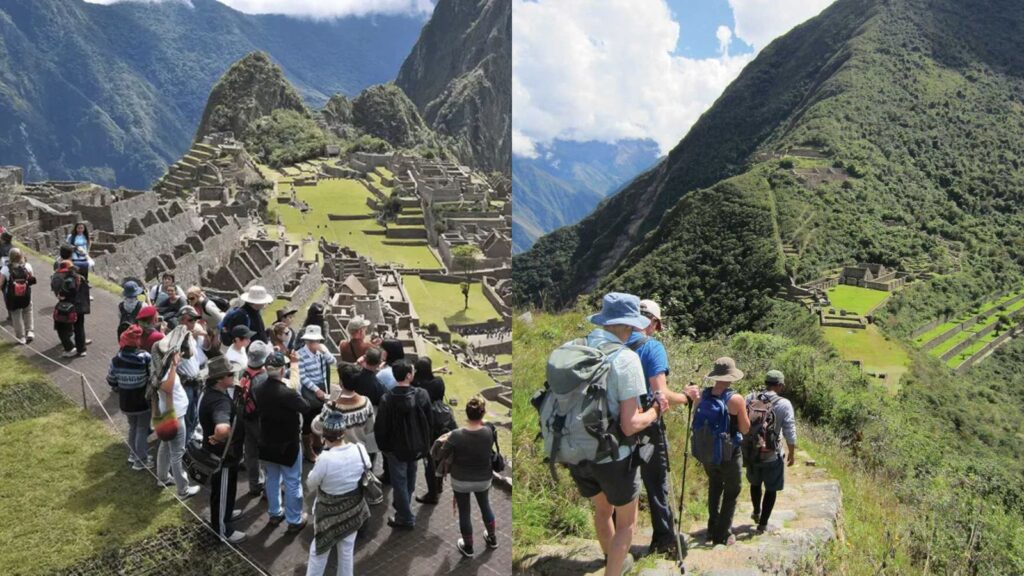
Choquequirao and Machu Picchu

Getting there is completely different

This is probably the most important difference between Choquequirao and Machu Picchu.

How do you get to Choquequirao?

Choquequirao is still mainly accessed on foot.

One of the most commonly used routes begins in the Cachora area. The trail descends toward the Apurímac River valley and then involves significant climbs before reaching the archaeological park.

The Cusco Decentralized Directorate of Culture also recognizes other access routes to the park, although parts of these routes still need to be completed on foot.

For this reason, visiting Choquequirao is not simply about reaching the archaeological site. The hike itself is a fundamental part of the journey.

How do you get to Machu Picchu?

Machu Picchu has a much more developed access infrastructure.

Many travelers arrive using a combination of train and bus, although there are also trekking routes that finish at Machu Picchu.

This makes it possible for travelers who do not want to complete a multi-day hike to visit the Inca city as well.

Therefore, if your goal is to visit an archaeological site with relatively easier access, Machu Picchu offers more options.

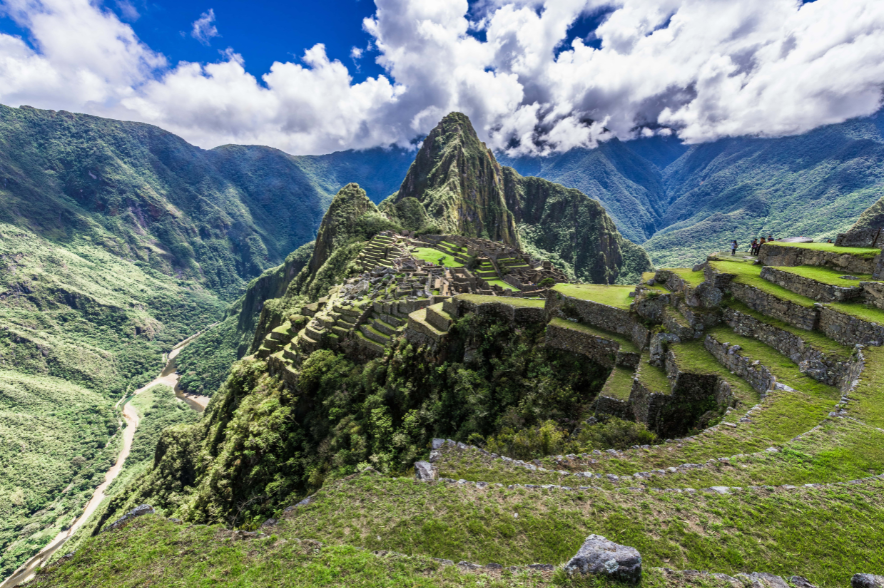
Machu Picchu

Choquequirao requires more physical preparation

The difference in access also affects the physical effort required.

Physical demands of Choquequirao

At Choquequirao, you should be prepared to walk for several hours and deal with considerable elevation changes.

The descents and climbs along the route keep your legs working constantly. In addition, the effort continues over several different days.

That is why it is a good idea to arrive with some physical preparation beforehand.

Walking regularly, training on hills, and strengthening your legs before the trip can help you handle the route more comfortably.

HIKE TO CHOQUEQUIRAO

Physical demands of Machu Picchu

The physical demands of Machu Picchu depend much more on how you choose to get there.

If you travel by train and bus, you do not need to complete a multi-day trek to enter the archaeological site.

Once inside, you will still need to walk, use stairs, and follow paths with elevation changes, but the overall physical effort can be considerably lower than what is required to complete the traditional route to Choquequirao.

There are also trekking options to Machu Picchu for travelers who want a more physically demanding experience.

The time needed for each trip is also different

The number of days you have available can be an important factor when choosing between Choquequirao and Machu Picchu.

How many days do you need for Choquequirao?

A visit to Choquequirao is usually part of a multi-day trekking itinerary, such as the 4-day Choquequirao and Machu Picchu tour.

You need to consider more than just the time spent exploring the archaeological park. You also need to account for the days required to reach the site and return afterward.

That is why Choquequirao works best for itineraries that allow several days specifically for the trek.

How much time do you need for Machu Picchu?

Machu Picchu can be included more easily in shorter itineraries.

Thanks to the available rail and road connections, travelers can organize a visit without spending several days hiking exclusively to reach the site.

This does not mean the visit always needs to be rushed. You can also spend more time in the area.

The main difference is that you have more flexibility when planning the length of your trip.

The number of visitors is different

Another difference travelers usually notice is the number of people visiting each site.

Machu Picchu receives significant tourist demand, and entry is organized through schedules, tickets, circuits, and visitor routes established by Peru’s Ministry of Culture.

Choquequirao operates differently.

Because of the physical effort and time required to reach it on foot, far fewer people complete the route compared with a destination that has train and bus connections.

This has a direct effect on the overall experience.

At Choquequirao, there may be parts of the journey where only a few other travelers are around, while Machu Picchu is much more structured to manage a steady flow of visitors.

Machu Picchu has designated visitor circuits

The way each archaeological site is explored is also different.

Machu Picchu currently uses an official system of circuits and routes.

Peru’s Ministry of Culture established three main circuits that include different visitor routes. The ticket you purchase determines which route you can follow inside the Inca city.

This means not every traveler visits exactly the same areas.

Before purchasing a ticket, it is important to review what each route includes and choose according to the places you want to see.

Is it the same at Choquequirao?

The Choquequirao experience is much more closely connected to the trek itself and exploring the archaeological park once you arrive.

It does not have the same tourism structure currently used at Machu Picchu, where different tickets are linked to specific visitor circuits.

This is an important difference to consider when organizing your trip.

Tourism infrastructure is more developed around Machu Picchu

Machu Picchu is located within an area with well-established tourism infrastructure.

Travelers can find different transportation services, accommodations, restaurants, tour operators, and connections from Cusco and other parts of the Sacred Valley.

Choquequirao requires different logistics.

During a multi-day trek, you will not have the same level of infrastructure that is available around Machu Picchu.

This makes advance planning more important.

You need to consider where you will stay each night, how your luggage will be transported, what food you will need during the route, and how you will organize each day of the trek.

tourism infrastructure
Tourism infrastructure

Choquequirao combines the destination with the trekking experience

To truly understand the difference between the two places, it helps to think about the entire journey rather than only the archaeological structures.

At Choquequirao, the hike is an essential part of the experience.

For several days, you follow a route with significant elevation changes before reaching the site.

This means that someone who chooses Choquequirao is usually also choosing to complete a trek.

At Machu Picchu, these two experiences can be separate.

You can visit the Inca city by train and bus, or you can choose to arrive on a trekking route.

This flexibility makes Machu Picchu suitable for many different types of travelers.

Both have Inca architecture, but they are not identical sites

Although Choquequirao and Machu Picchu are both part of Peru’s Inca archaeological heritage, it is better not to present one simply as a copy of the other.

Each site has its own layout and distinct sectors.

What will you find at Choquequirao?

Choquequirao includes plazas, enclosures, agricultural terraces, ceremonial areas, and terracing systems distributed across different levels of the terrain.

One of its best-known features is a sector where camelid figures are represented with differently colored stones built into the retaining walls of the terraces.

These figures are one of the most recognizable features of the site.

Camelid figures
Camelid figures

What will you find at Machu Picchu?

Machu Picchu also has agricultural, residential, and ceremonial sectors, along with different stone structures.

However, its layout, architecture, and organization reflect the specific characteristics of this settlement.

That is why it is better to appreciate both sites for what they represent individually rather than expecting one to offer exactly the same experience as the other.

Ticket planning is different

When visiting Machu Picchu, choosing the right ticket is an important part of the planning process.

The official system includes different circuits and routes, so it is useful to know which route you want to follow before purchasing your ticket.

It is also a good idea to check availability in advance, especially when your travel dates are already fixed.

At Choquequirao, planning is more focused on the overall logistics of the trek.

The route, number of days, fitness level, rest stops, and transportation before and after the trek are more important considerations.

Which one requires a higher fitness level?

If we compare the most common ways of visiting both sites, Choquequirao requires a higher level of physical fitness.

This is not only because of the distance.

The accumulated elevation gain and consecutive days of hiking are the main factors that increase the difficulty.

A traveler can visit Machu Picchu without completing a multi-day hike. In contrast, reaching Choquequirao by the traditional route requires preparation for a demanding trek.

This makes Choquequirao a better option for people who enjoy long hikes and have enough time to prepare.

Long hikes
Long hikes

Which one is easier to include in a trip to Peru?

For most travelers, Machu Picchu is easier to include in an itinerary.

There are well-developed tourism connections from Cusco and several options for arranging transportation.

Choquequirao requires more days.

In addition to the time needed to explore the archaeological site, you also need to consider the hiking days required to get there and return.

For this reason, travelers with limited time will usually find Machu Picchu easier to organize.

Travelers who have more time and want to complete a trekking route may prefer Choquequirao.

Is Choquequirao an alternative to Machu Picchu?

It can be for some travelers, but the two should not be treated as interchangeable destinations.

Choosing Choquequirao only because you expect a less crowded version of Machu Picchu can create the wrong idea about the experience.

The Choquequirao experience is closely connected to the physical effort required to reach the site.

Machu Picchu, on the other hand, allows you to choose between visiting with tourist transportation or arriving through different trekking experiences.

Rather than thinking about replacing one destination with the other, it is more useful to consider what kind of trip you want to have.

Choquequirao or Machu Picchu: which should you choose?

The answer mainly depends on your fitness level, the number of days you have available, and the type of experience you are looking for.

Choose Choquequirao if:

  • You enjoy multi-day treks;
  • You have an appropriate level of physical fitness;
  • You can dedicate several days to the route;
  • You want hiking to be an important part of the trip;
  • You are comfortable traveling with more limited services along some sections of the route.

Choose Machu Picchu if:

  • You have less time available;
  • You prefer having several transportation options;
  • You do not want to be required to complete a multi-day trek;
  • You prefer more developed tourism infrastructure;
  • You want to choose between different ways of visiting the site.

Is it worth visiting both Choquequirao and Machu Picchu?

Yes, as long as you have enough time and both destinations fit your travel style.

There is no need to choose one simply because it is supposedly “better” than the other.

Machu Picchu allows travelers to visit an Inca city with well-established tourism infrastructure and several access options.

Choquequirao makes the journey to the site itself an important part of the trip.

That is precisely one of the biggest differences between the two.

Inicio » choquequirao

Packing well for Choquequirao can make the difference between enjoying the trek and struggling along the way. This route takes you from the heat at the bottom of the Apurímac Canyon to the colder conditions of the higher elevations in a single day, with steep climbs and descents that can be physically demanding. Here’s everything you should bring, organized by category, so you can pack your backpack without forgetting anything important or carrying unnecessary weight.

Clothing: Layering Is Key

Because temperatures can change quickly throughout the day, dressing in layers is your best option. You can easily add or remove clothing as you climb or descend through the canyon.

Hiking Clothes

  • Quick-drying shirts; avoid cotton because it holds moisture
  • Lightweight hiking pants, preferably convertible
  • A fleece or lightweight jacket for higher elevations and cooler evenings
  • A waterproof and windproof jacket, especially during the rainy season
  • Thermal base layers for sleeping if you travel between May and August

Sun and Cold Protection

  • A wide-brimmed hat or cap for the heat in the canyon
  • A warm hat that covers your ears for cold evenings
  • A buff or neck gaiter for sun, dust, and wind protection
  • Lightweight gloves if you travel during the colder months

Footwear: One of the Most Important Parts of Your Gear

The steep and dusty trails can be hard on your feet. Wear hiking boots with good traction that you have already broken in, and never use brand-new footwear for this trek. It is also a good idea to bring sandals or lightweight shoes to relax at camp at the end of each day, along with several pairs of quick-drying hiking socks.

Backpack and Sleeping Gear

  • A 25- to 35-liter daypack with a waterproof rain cover
  • A sleeping bag suitable for temperatures down to 32°F (0°C) at higher elevations
  • Trekking poles, especially helpful on long descents
  • A headlamp with spare batteries
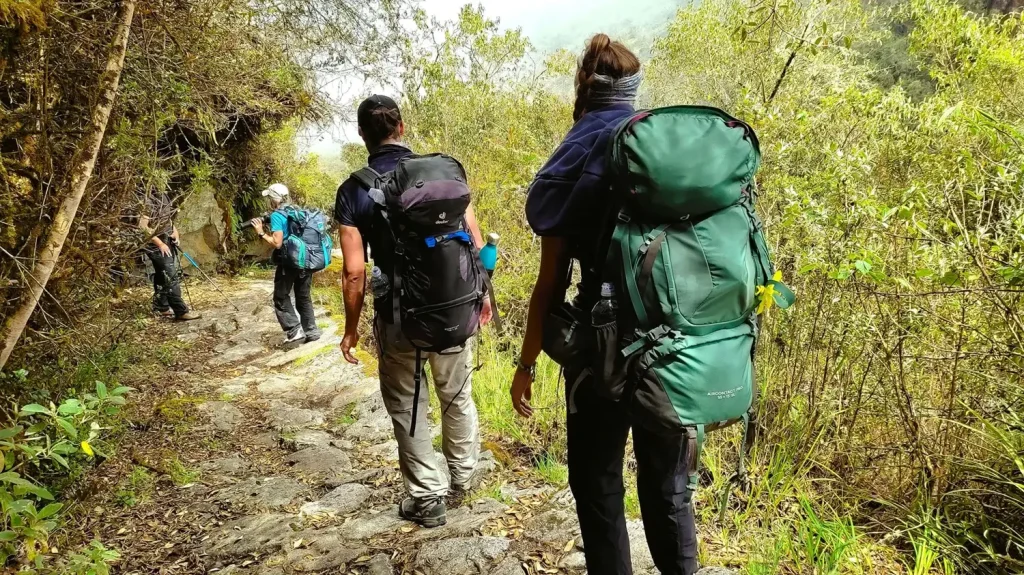
Backpack and trekking poles
Backpack and Trekking Poles

Hydration and Snacks

The physical effort and heat of the canyon can dehydrate you quickly, so carry at least two liters of water capacity between bottles and a hydration reservoir. Water purification tablets are also useful in case you need to refill along the trail. For extra energy between meals, pack nuts, granola bars, chocolate, and hard candy.

Health and Personal Hygiene

  • High-SPF sunscreen and lip balm with sun protection
  • Insect repellent, especially for lower-elevation areas
  • A personal first-aid kit with your medications, bandages, and any altitude medication recommended for you
  • Toilet paper, hand sanitizer, and bags for carrying out your trash
  • A quick-drying towel and basic toiletries

Documents and Other Essentials

Always carry your ID or passport, as it may be requested at the entrance checkpoint to the archaeological site. Bring some cash in Peruvian soles for purchases at campsites and tips, as well as a portable power bank for your phone because charging options along the route are limited.

Quick Packing Checklist Before You Go

CategoryEssentials
ClothingLayers, waterproof jacket, thermal clothing, warm hat, and sun hat
FootwearBroken-in hiking boots, sandals, hiking socks
Sleeping & GearSleeping bag, trekking poles, headlamp
Hydration2 liters of water capacity, water purification, snacks
HealthSunscreen, insect repellent, first-aid kit
DocumentsID or passport, cash, portable power bank

Frequently Asked Questions

How Much Weight Should I Carry on the Trek?

Try to keep your daypack between 13 and 18 pounds (6 to 8 kilograms). If you hire muleteers or pack animals, they can carry heavier equipment such as your sleeping bag and extra clothing.

Do I Need to Bring a Tent and Food?

If you are traveling with an organized tour, tents, meals, and camping equipment are usually included. You will mainly need to take care of your clothing, personal items, and snacks.

What Should I Pack During the Rainy Season?

Bring a good-quality waterproof jacket, a rain cover for your backpack, a rain poncho, and waterproof bags to keep your clothing dry. Hiking boots with strong traction become even more important when the trail is muddy.

Partners

Partners and Agreements

Backed by the world's best tourism organizations

Dircetur
Fodor's
Lonely Planet
PromPerú
TripAdvisor