
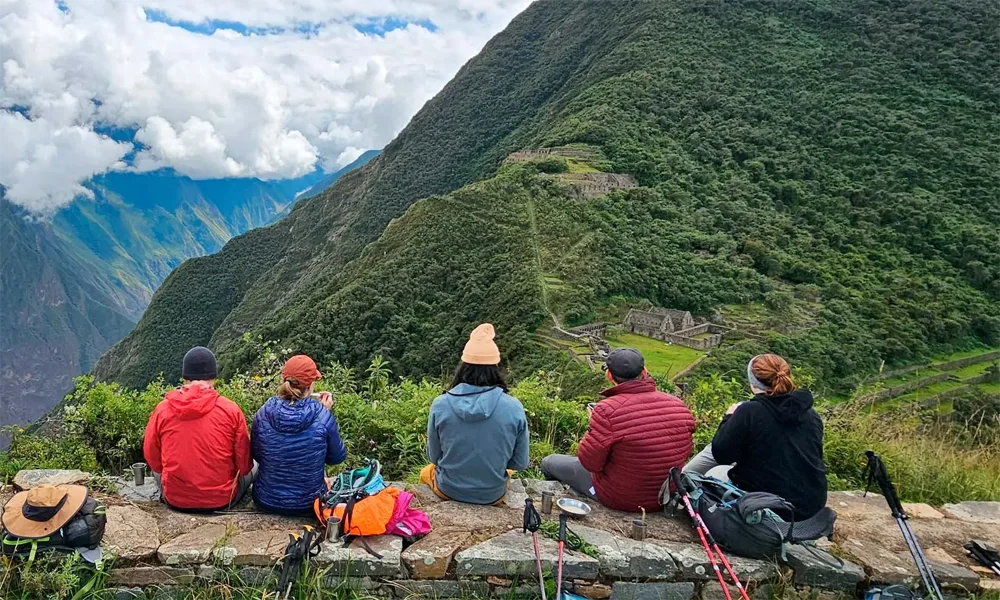
Packing well for Choquequirao can make the difference between enjoying the trek and struggling along the way. This route takes you from the heat at the bottom of the Apurímac Canyon to the colder conditions of the higher elevations in a single day, with steep climbs and descents that can be physically demanding. Here’s everything you should bring, organized by category, so you can pack your backpack without forgetting anything important or carrying unnecessary weight.
Clothing: Layering Is Key
Because temperatures can change quickly throughout the day, dressing in layers is your best option. You can easily add or remove clothing as you climb or descend through the canyon.
Hiking Clothes
- Quick-drying shirts; avoid cotton because it holds moisture
- Lightweight hiking pants, preferably convertible
- A fleece or lightweight jacket for higher elevations and cooler evenings
- A waterproof and windproof jacket, especially during the rainy season
- Thermal base layers for sleeping if you travel between May and August
Sun and Cold Protection
- A wide-brimmed hat or cap for the heat in the canyon
- A warm hat that covers your ears for cold evenings
- A buff or neck gaiter for sun, dust, and wind protection
- Lightweight gloves if you travel during the colder months
Footwear: One of the Most Important Parts of Your Gear
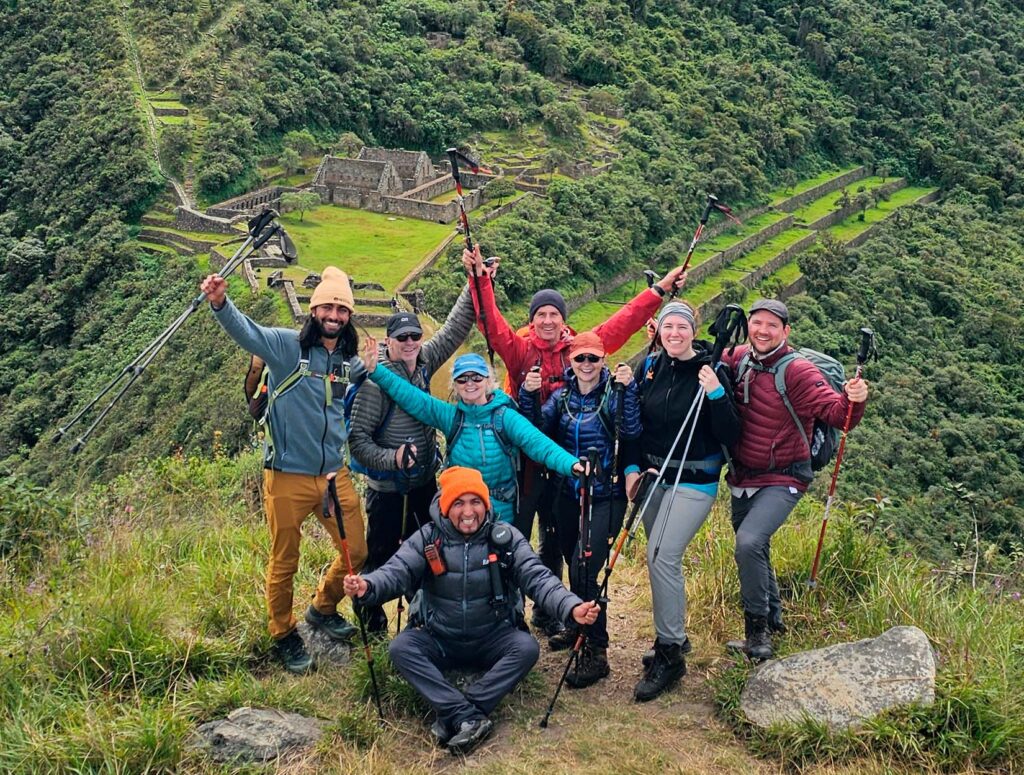
The steep and dusty trails can be hard on your feet. Wear hiking boots with good traction that you have already broken in, and never use brand-new footwear for this trek. It is also a good idea to bring sandals or lightweight shoes to relax at camp at the end of each day, along with several pairs of quick-drying hiking socks.
Backpack and Sleeping Gear
- A 25- to 35-liter daypack with a waterproof rain cover
- A sleeping bag suitable for temperatures down to 32°F (0°C) at higher elevations
- Trekking poles, especially helpful on long descents
- A headlamp with spare batteries
Hydration and Snacks
The physical effort and heat of the canyon can dehydrate you quickly, so carry at least two liters of water capacity between bottles and a hydration reservoir. Water purification tablets are also useful in case you need to refill along the trail. For extra energy between meals, pack nuts, granola bars, chocolate, and hard candy.
Health and Personal Hygiene
- High-SPF sunscreen and lip balm with sun protection
- Insect repellent, especially for lower-elevation areas
- A personal first-aid kit with your medications, bandages, and any altitude medication recommended for you
- Toilet paper, hand sanitizer, and bags for carrying out your trash
- A quick-drying towel and basic toiletries
Documents and Other Essentials
Always carry your ID or passport, as it may be requested at the entrance checkpoint to the archaeological site. Bring some cash in Peruvian soles for purchases at campsites and tips, as well as a portable power bank for your phone because charging options along the route are limited.
Quick Packing Checklist Before You Go
| Category | Essentials |
|---|---|
| Clothing | Layers, waterproof jacket, thermal clothing, warm hat, and sun hat |
| Footwear | Broken-in hiking boots, sandals, hiking socks |
| Sleeping & Gear | Sleeping bag, trekking poles, headlamp |
| Hydration | 2 liters of water capacity, water purification, snacks |
| Health | Sunscreen, insect repellent, first-aid kit |
| Documents | ID or passport, cash, portable power bank |
Frequently Asked Questions
How Much Weight Should I Carry on the Trek?
Try to keep your daypack between 13 and 18 pounds (6 to 8 kilograms). If you hire muleteers or pack animals, they can carry heavier equipment such as your sleeping bag and extra clothing.
Do I Need to Bring a Tent and Food?
If you are traveling with an organized tour, tents, meals, and camping equipment are usually included. You will mainly need to take care of your clothing, personal items, and snacks.
What Should I Pack During the Rainy Season?
Bring a good-quality waterproof jacket, a rain cover for your backpack, a rain poncho, and waterproof bags to keep your clothing dry. Hiking boots with strong traction become even more important when the trail is muddy.


