
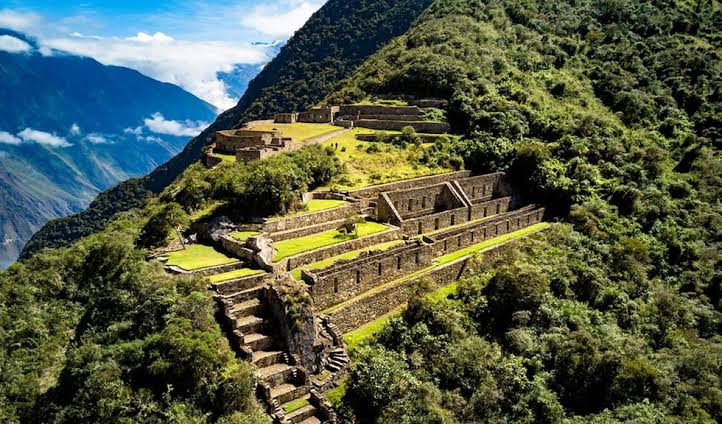
Choosing when to hike to Choquequirao can completely change your experience. This trek descends to the bottom of the Apurímac Canyon and climbs back up along steep trails, so the weather, temperature, and trail conditions matter much more than on many other routes in the region. Here, you’ll find everything you need to decide which month is best for your hike and what to expect in each season.
The Two Seasons That Define the Trek
The climate in this area is divided into two distinct seasons. The dry season runs from April to October, with clearer skies, a lower chance of rain, and firmer trails. The rainy season lasts from November to March, when the trail becomes more slippery, rivers rise, and fog can sometimes obscure views of the canyon.
Because much of the route descends to around 1,500 meters (4,921 feet) above sea level near Playa Rosalina and then climbs to the archaeological site at more than 3,000 meters (9,843 feet), you can experience significant temperature changes in a single day, no matter which season you choose.
When to Go Based on What You’re Looking For
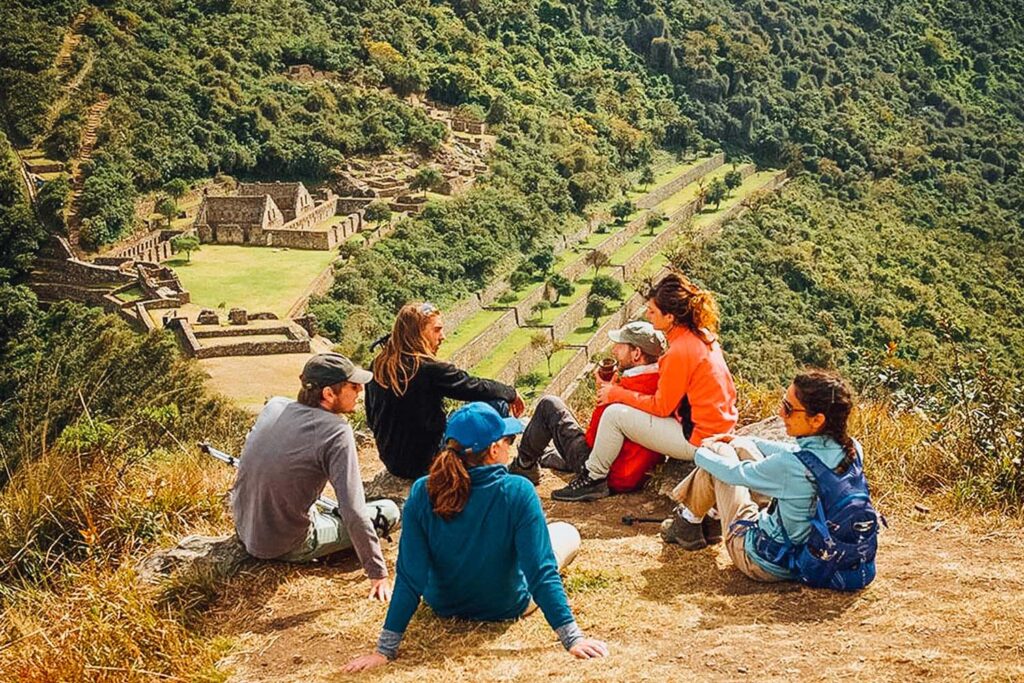
Best Time to Go: May to September
These are the ideal months for the trek. Rain is uncommon, the days are generally sunny, the nights are cool, and the trail stays dry and stable. You’ll have a better chance of enjoying clear views of the canyon and the archaeological complex. The main consideration is that midday temperatures at the bottom of the canyon can be intense, so starting early each day is recommended.
Shoulder Season: April and October
These transitional months offer an excellent balance. You may still experience an occasional rain shower, but the landscape is greener and there are usually fewer hikers on the trail. If you prefer a quieter experience and don’t mind a little uncertainty in the weather, April and October can be excellent choices.
The Most Challenging Season: November to March
This is the rainy season. The trail can become muddy and slippery on the steeper descents and climbs, the risk of landslides increases, and fog may cover parts of the canyon. Hiking during these months is still possible, but you’ll need reliable waterproof gear and should be prepared for more demanding trail conditions. January and February are typically the most challenging months.
Month-by-Month Comparison
| Month | Weather | Trail Conditions | Recommendation |
|---|---|---|---|
| January | Rainy season | Wet and muddy trail | Best for experienced travelers prepared for rainy conditions |
| February | Frequent rainfall | Wet and slippery trail | Better suited for travelers looking for a more adventurous experience |
| March | Rainfall begins to decrease | Wet trail | An interesting option if you prefer fewer visitors |
| April | Transitional weather with drier days | Trail in good condition | A very good time to begin the trekking season |
| May | Dry days and clear skies | Firm and dry trail | An excellent month to enjoy the hike |
| June | Dry weather and clear views | Firm and dry trail | One of the best times to visit Choquequirao |
| July | Dry days and excellent scenery | Firm and dry trail | Ideal for making the most of the trek |
| August | Dry weather and good conditions | Firm and dry trail | An excellent choice for trekking |
| September | Mostly dry and pleasant days | Firm and dry trail | A very good month for hiking and enjoying the scenery |
| October | Transitional weather | Trail in good condition | A good alternative before the rainy season begins |
| November | The first rains begin | Slightly wet trail | A good option for travelers who prefer fewer people on the trail |
| December | Rainfall increases | Wet trail with muddy sections | A greener, more natural experience for well-prepared travelers |
Frequently Asked Questions
What Is the Best Month to Trek to Choquequirao?
June, July, and August generally offer the most reliable conditions because of the dry and stable weather, although any month between May and September can provide excellent trekking conditions.
Can You Trek to Choquequirao During the Rainy Season?
Yes, but additional precautions are important. Between November and March, the trail can become more slippery and the risk of landslides increases, so waterproof gear and good physical conditioning are especially important.
Does It Get Very Cold During the Hike?
It depends on the elevation. The bottom of the canyon can be hot during the day, while temperatures in the higher sections can become cold at night. For that reason, dressing in layers is recommended at any time of year.


