
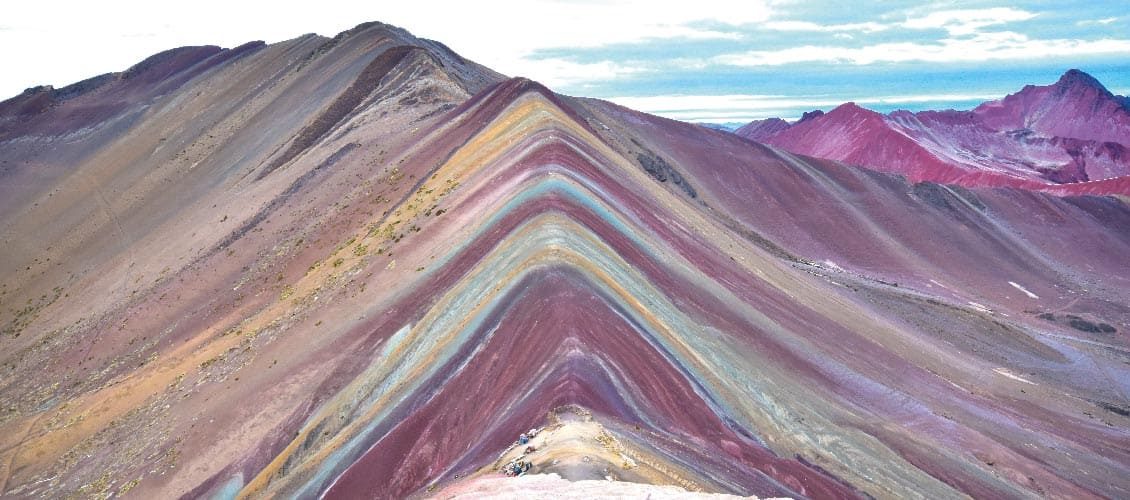
The best time to visit the Rainbow Mountain is usually the dry season, between May and September. During these months there is a lower chance of rain, the trail tends to be firmer, and the odds of seeing the landscape with good visibility are higher. However, Vinicunca is located at a high altitude and the mountain weather can change quickly at any time of year.
The choice of date also depends on your priorities. If you are looking for more stable conditions for walking, it is best to travel during the dry months. If you prefer to find fewer travelers and accept more variable weather, April, October, or even part of the rainy season can be suitable alternatives with good planning.
What Is the Best Time to Visit Vinicunca?
The most recommended time to visit Vinicunca is from May to September, especially for those doing the hike for the first time. The reduction in rain favors a more comfortable trek, decreases the presence of mud, and usually allows a better view of the mountain’s colors.
This season also coincides with a higher flow of visitors, especially between June and August. For that reason, although the weather conditions are usually favorable, it is advisable to book the tour in advance and be prepared to share the trail with other groups. Visibility is never guaranteed, even on dry days.
Best Months to Do the Hike
June, July, and August usually record the lowest chance of rain in the Vinicunca area. May and September also offer generally favorable conditions and can be good options for those who want to travel close to the dry season without necessarily coinciding with the period of highest demand.
In these months, the mornings may start with clearer skies, but the cold is intense before the sun comes up. It is not wise to assume there will be a completely clear day: clouds, wind, and sudden temperature changes can appear during the route.
Can It Be Visited Year-Round?
Vinicunca can be visited for much of the year, as long as the safety conditions allow the route to operate. The main difference lies in the weather, the state of the trail, and the visibility possibilities, which vary markedly between the dry season and the rainy months.
On days with intense precipitation, snow, hard frosts, or conditions that affect safety, access may have temporary restrictions. Before confirming the excursion, it is best to check with the operator on the updated state of the route and the recommendations for that day.
Dry Season on the Rainbow Mountain
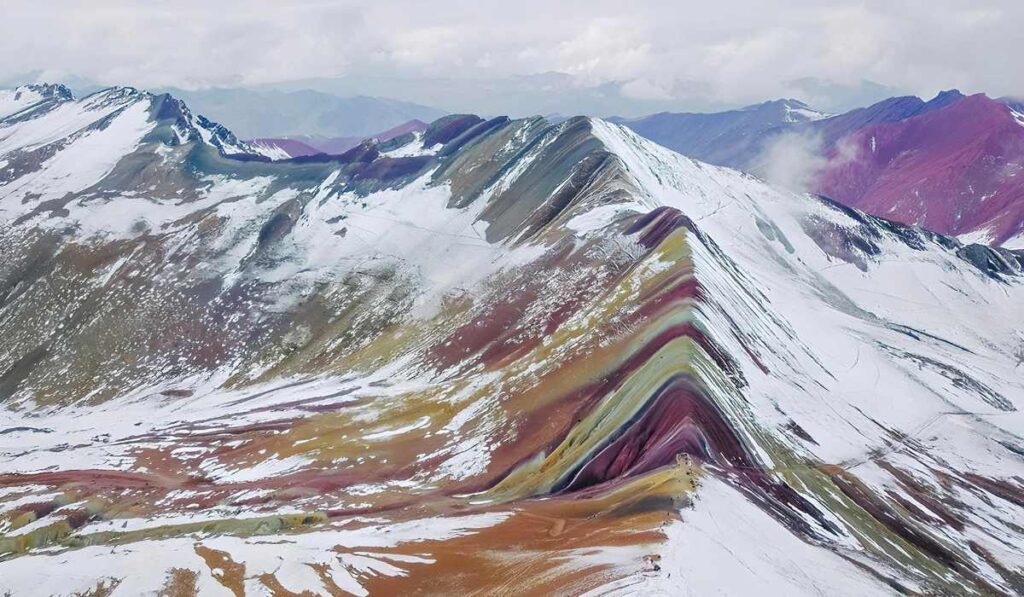
The dry season usually runs from May to September and is the favorite of many travelers who want to do the hike to the Rainbow Mountain. Rain is less frequent, so the terrain tends to stay more stable than during the first months of the year.
It is also a suitable period for those who want to combine Vinicunca with other outdoor tours from Cusco. Even so, the altitude requires proper preparation: the route exceeds 5,000 m s. n. m., so acclimatizing beforehand in Cusco is a necessary part of the planning.
Weather Between May and September
Between May and September, precipitation is usually less frequent. The early hours of the day are cold and frost may occur in high areas, while at midday the solar radiation can be strong if the sky stays clear.
The temperature difference between the morning, the time of the hike, and the return can be considerable. For this reason, an apparently dry day does not eliminate the need to bring warm clothing, sun protection, and a waterproof layer in case of possible weather changes.
Advantages and Number of Visitors
One of the main advantages of the dry season is that the trail usually has less mud and less slippery surfaces. In addition, the chances of having good visibility are higher, which helps to appreciate the tones of the terrain more clearly when clouds do not cover the area.
The disadvantage is the number of visitors. From June to August, especially during vacations and high-demand dates, there may be more groups at the rest points and at the viewpoint. Leaving early, organizing the tour ahead of time, and keeping your own pace helps you enjoy the route better.
Rainy Season in Vinicunca
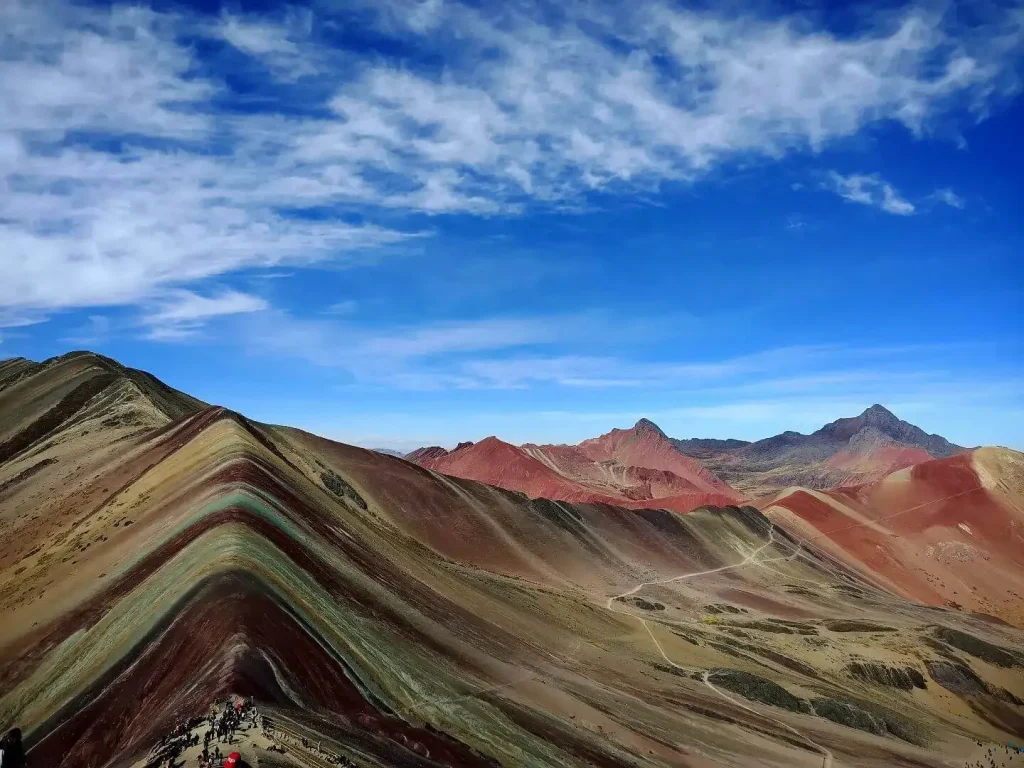
The rainy season in Vinicunca is concentrated mainly between November and March. During this period, precipitation can alter the conditions of the landscape and make the hike require greater caution, especially on the dirt stretches exposed to water.
Visiting during these months is possible if the weather and the route allow it, but it requires flexibility. Clouds can appear quickly, visibility can temporarily decrease, and the trail conditions change depending on the rain recorded in the previous days.
Weather Between November and March
Between November and March, rain, clouds, and sudden weather changes are frequent. This does not mean it rains all day long, since dry intervals, brief clear spells, and even moments of sun can occur before or after a downpour.
The mornings may start with acceptable conditions and change during the route. For this reason, this time is more suitable for travelers who can adjust their expectations to the weather and who bring adequate gear to walk in humidity, wind, and low temperatures.
Trail Condition and Visibility
With recurring rain, the trail can have mud, puddles, and slippery surfaces. Footwear with a good sole, a waterproof jacket, and protection for the backpack help you walk more safely and keep your clothes dry during the excursion.
Fog, low clouds, or rain can temporarily cover the mountain and limit the view from the viewpoint. In some cases, the landscape partially clears after a few minutes; in others, the conditions stay overcast. It is not advisable to plan the trip expecting total visibility.
Transition Months: April and October
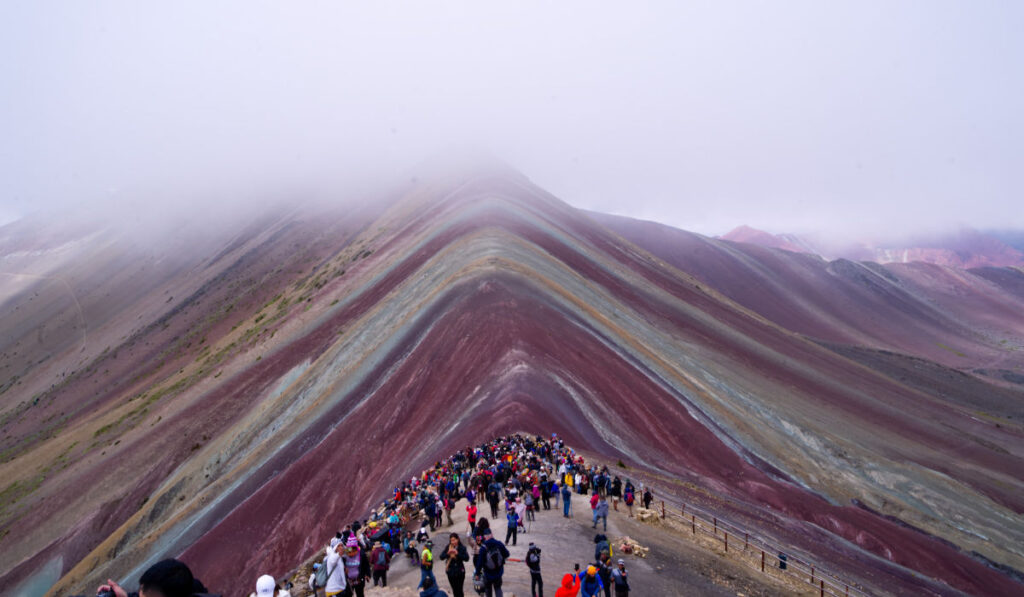
April and October fall between the rainy season and the dry season. They are months that can work well for those looking for a balance between relatively favorable weather and fewer visitors than during the months of highest demand.
The main consideration is variability. In April there may still be rain associated with the end of the wet season, while in October precipitation may reappear before the more marked rainy period. Preparing for both possibilities is key.
Weather and Flow of Tourists
In April and October it is possible to find dry days, mornings with good visibility, and occasional rain. The conditions are not as predictable as in June or July, but they can be convenient for travelers with flexible itineraries and a willingness to adapt to the forecast.
The concentration of travelers is usually lower than during the mid-year high season, though this can vary on holidays, school vacations, and special dates. Booking in advance is still advisable if you have limited travel days or need to coordinate transportation from Cusco.
Best Time of Day to Visit the Rainbow Mountain
Excursions to the Rainbow Mountain usually begin early because the transfer from Cusco is long and the hike requires several hours, depending on each person’s pace. Leaving before dawn makes it possible to reach the starting area with enough time to complete the route during the day.
The exact time depends on the operator, the pickup point, and the trail conditions. Rather than looking for a specific hour that ensures a perfect view, it is best to prioritize an organized departure, enough time to acclimatize, and a safe return before nightfall.
Advantages of Arriving Early
Arriving during the morning may allow you to cover part of the trail before the largest concentration of visitors. It also offers more margin to walk at a leisurely pace, take breaks because of the altitude, and stay a few minutes at the viewpoint without feeling so much pressure about the return schedule.
Another benefit is having more reaction time in case of weather changes. If clouds or light rain appear, the group can adjust the pace or wait briefly according to the guide’s instructions and the safety conditions of the area.
Visibility and Weather Conditions
The weather can change throughout the day, and there is no time that completely guarantees a clear view of Vinicunca. Some mornings have good visibility, but on others the clouds remain from early on or appear suddenly during the ascent.
The best decision is to leave early, check the forecast, and bring gear for various conditions. Solar radiation, wind, cold, and possible rain can all occur on the same day because of the altitude and the exposure of the route.
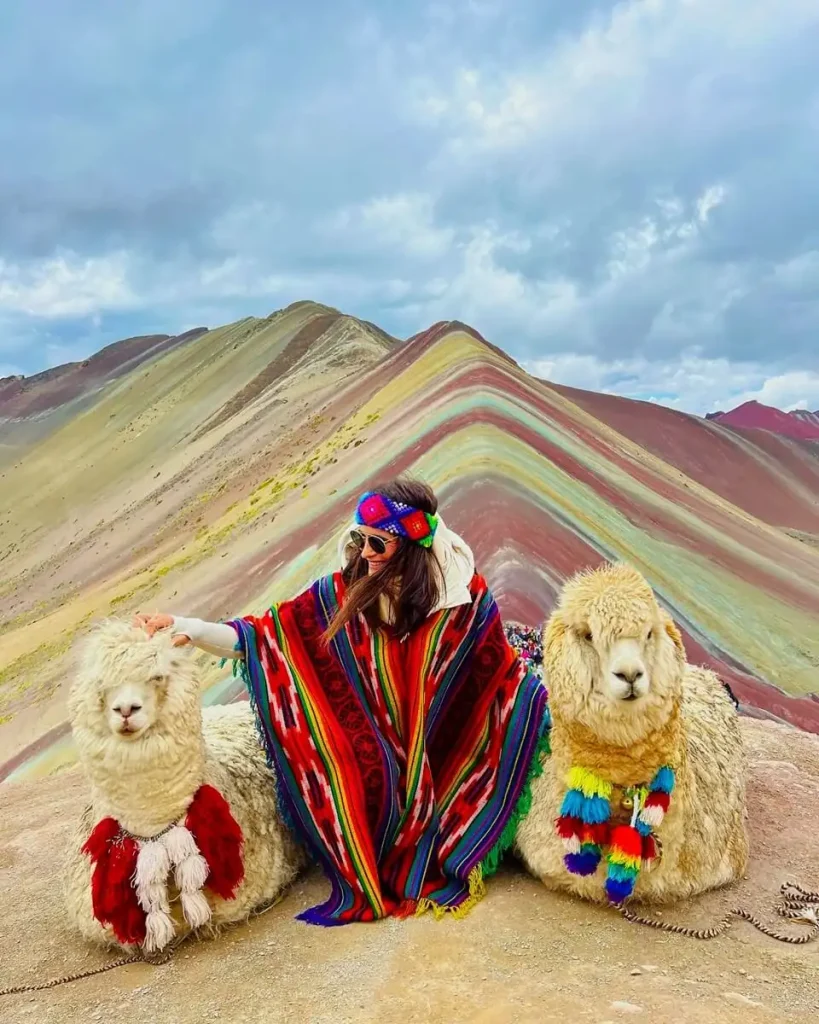
Tips for Choosing Your Travel Date
To choose when to visit the Rainbow Mountain, consider the weather, your tolerance for cold and rain, and the number of travelers you want to encounter. May to September is usually the most practical option for those who prioritize drier trails, while April and October can be alternatives with lower demand.
Do not schedule Vinicunca for your first day in Cusco. The altitude can affect even people in good physical shape, so it is better to spend at least a few days adapting before doing a hike that reaches an elevation above 5,000 m s. n. m.
Check the Weather Before the Tour
Check the weather forecast shortly before the excursion, but take it as a reference and not as a guarantee. In high-mountain areas, reports can change quickly and the local conditions do not always fully match the general forecasts.
Also confirm the state of the route with the tour operator before starting the tour. If you need to coordinate the date, transportation, or a departure that fits your itinerary in Cusco, the Incredible Peru Tours team can guide you on the available logistics.
Prepare for Sudden Changes
During a single day you may experience intense cold at the start, wind on the open stretches, strong sun near midday, light rain, or fog. Bringing only light clothing or relying solely on a sunny day is one of the most common mistakes when planning this visit.
Walk at a steady pace, stay hydrated, and pay attention to any discomfort related to the altitude, such as a severe headache, dizziness, or unusual shortness of breath. If the symptoms increase, tell the guide and avoid forcing the ascent.
Bring Appropriate Clothing for the Season
Dress in layers to adapt to the temperature changes. A comfortable base layer, a warm garment, and a waterproof jacket are usually a useful combination in both the dry season and the rainy months.
Include sun protection, a hat, gloves, UV-filter sunglasses, and footwear with good traction. The radiation can be strong even when it is cold or cloudy, while gloves and a hat are especially useful during the early departures.

Frequently Asked Questions
Your travel date influences the state of the trail, the visibility, and the number of people you will find in Vinicunca. These answers will help you choose the most suitable time according to your priorities and prepare for possible weather changes.
What Is the Best Month to Visit Vinicunca?
June, July, and August usually offer the driest conditions for the hike and a higher chance of good visibility. May and September are also good options, with generally favorable weather and, in some cases, a lower flow of visitors than in the central months of the dry season.
No month guarantees clear skies. The best date will depend on whether you prioritize less rain, fewer visitors, or greater flexibility in the face of weather changes.
When Are There Fewer Tourists?
There are usually fewer visitors during the rainy season, between November and March, and in the transition months, especially April and October. This can make the route feel less crowded than in June, July, and August.
On the other hand, the weather can be less stable and the trail can have mud or lower visibility. If you choose these dates, leave room in your itinerary for possible adjustments.
What Happens If It Rains on the Day of the Tour?
The excursion can continue if the rain is light and the route conditions are safe. In that case, having a rain jacket, adequate footwear, and warm clothing allows you to handle the route better.
If there is intense precipitation, storms, snow, or another risk to the group, the operator may modify, postpone, or cancel the departure. Confirm the policies and the state of the route before setting off.


