
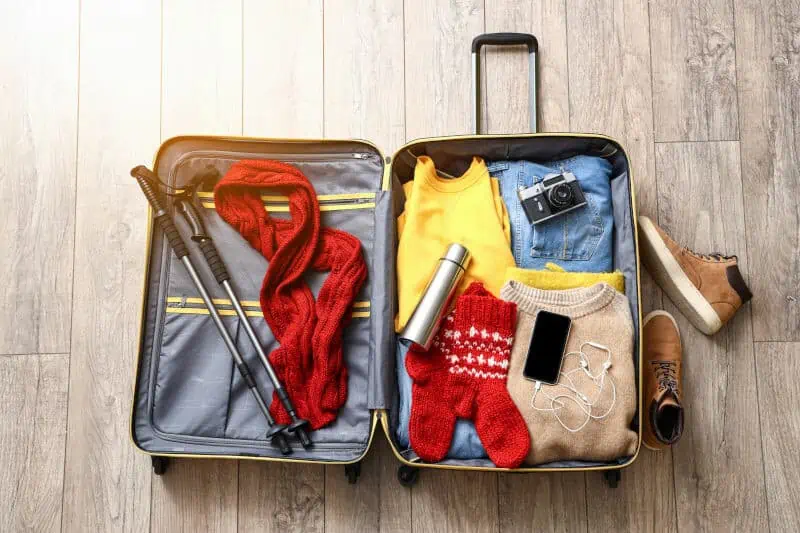
To know what clothes to bring to Vinicunca, focus on layered clothing, a waterproof jacket, footwear with good tread, and accessories for cold and sun. The high-mountain weather is cold and changeable, so a light backpack with water, snacks, sun protection, and rain gear helps you hike more comfortably. If you’re looking for an organized departure from Cusco, you can check out this 1-Day Rainbow Mountain Tour.
Vinicunca sits above 5,000 m (16,404 ft), where temperature, wind, and solar radiation can shift during a single outing. Preparing your clothing and gear properly keeps you from getting cold at the start of the excursion, overheating while hiking, or being caught out by sudden rain.
Recommended clothing for visiting Vinicunca
What you wear to Vinicunca should protect you from the early morning cold, the wind in open areas, occasional rain, and intense solar radiation. The most practical approach is comfortable clothing you can take off or put on easily during the hike.
Avoid heading out in a single heavy garment. At the start, temperatures are usually low, but physical effort and sun exposure may leave you needing to shed layers a few hours later.
Thermal clothing and the layering system
Use a breathable base layer, such as a thermal or quick-drying athletic shirt. This garment helps manage body moisture and prevents the chill that comes from a shirt soaked with sweat.
For the second layer, bring a fleece, a synthetic jacket, or a lightweight warm garment. The outer layer should protect against wind and moisture. This system lets you adapt to the temperature swings you’ll encounter along the way.
Waterproof and windproof jacket
A lightweight waterproof jacket is one of the most useful items for this visit. It protects against drizzle, strong wind, and sudden weather changes without taking up much space in your backpack.
Look for a model with a hood that packs away easily when you don’t need it. A very heavy jacket can feel uncomfortable on the climb, while a windbreaker without waterproofing may not be enough during the rainy season.
Comfortable hiking pants
Choose flexible, durable, quick-drying pants. Trekking, athletic, or synthetic-fabric pants let you move your legs comfortably on climbs, descents, and uneven ground.
Skip jeans, very tight garments, or heavy pants that hold moisture. If it rains or the trail is muddy, a fast-drying fabric will be far more comfortable for continuing the excursion and for the ride back to Cusco.
Proper footwear
Trekking shoes or boots with good support and a non-slip sole are the best option. The trail may have loose dirt, rocks, mud, or slippery sections depending on conditions that day.
There’s no need to break in new footwear for this hike. Wear a pair you’ve already tested and that doesn’t give you blisters. Athletic or thermal socks also help, preferably in moisture-wicking materials.
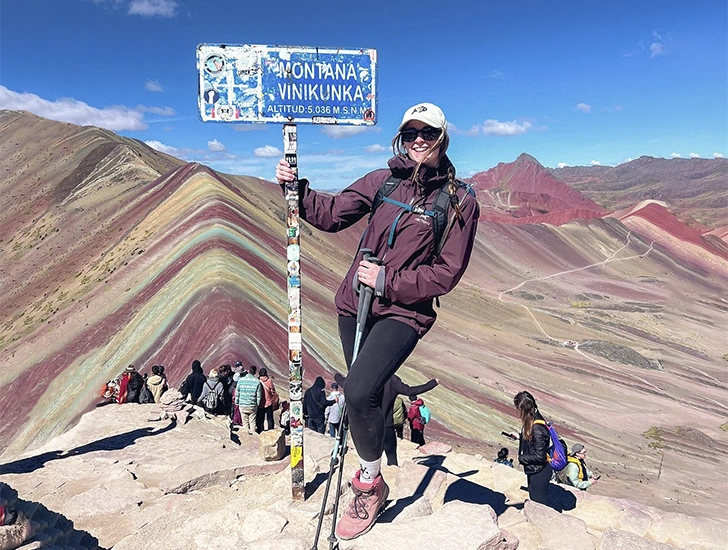
What to pack in your backpack
Your backpack should hold only what you need to complete the excursion comfortably and safely. Carrying too much weight can increase physical strain, especially given the altitude and the grade of some sections.
A practical selection includes hydration, light food, an extra warm layer, sun and rain protection, documents, and personal items. Keep the things you’ll use often in easy-access pockets.
Water and snacks
Bring enough water for the entire hike, based on your own needs and your operator’s guidance. Altitude can speed up dehydration, so it’s better to drink small amounts before you feel very thirsty.
Include light, easy-to-carry food such as fruit, energy bars, nuts, or crackers. Shops along the route can be limited, so it’s not a good idea to count on buying everything on the way.
Sun protection
Pack sunscreen, UV-protection sunglasses, and a cap or hat. Solar radiation is intense at high altitude, even on cloudy days or when temperatures are low.
Apply sunscreen before heading out and reapply during the day if you stay exposed for several hours. Sunglasses reduce glare discomfort, while a cap or hat protects your face and part of your neck.
Hat, gloves, and neck protection
A warm hat, gloves, and a buff or light scarf help protect you from cold and wind. These accessories are especially useful in the early morning hours, when the tour begins in low temperatures.
Choose gloves that let you handle zippers, bottles, or your phone without taking them off completely. Neck protection can also cover your mouth and nose if wind kicks up dust in some sections.
Rain poncho
A waterproof poncho can be useful during the rainy season or whenever rain is possible. It’s a lightweight option that can cover both your body and part of your backpack.
Keep it in an outside pocket or at the top of your pack so you can grab it fast. Even if you have a waterproof jacket, a poncho adds coverage if the rain lasts or if you want to protect your backpack.
Documents and cash
Bring your ID or passport, along with any booking confirmations you may need for the excursion. It’s best to keep them in a waterproof bag or a zippered case inside your backpack.
It’s also worth carrying cash for entrance fees, restrooms, food, or other local expenses. In rural areas, card acceptance and connectivity for digital payments can be limited.
Personal items
Include tissues, hand sanitizer, any personal medication, and a bag for your trash. These items take up little space and prove useful during an outing that lasts several hours.
If you’re on medication, bring the doses you need and keep them protected from moisture. Don’t leave wrappers, bottles, or food scraps on the trail; hold on to your trash until you find a proper place to dispose of it.
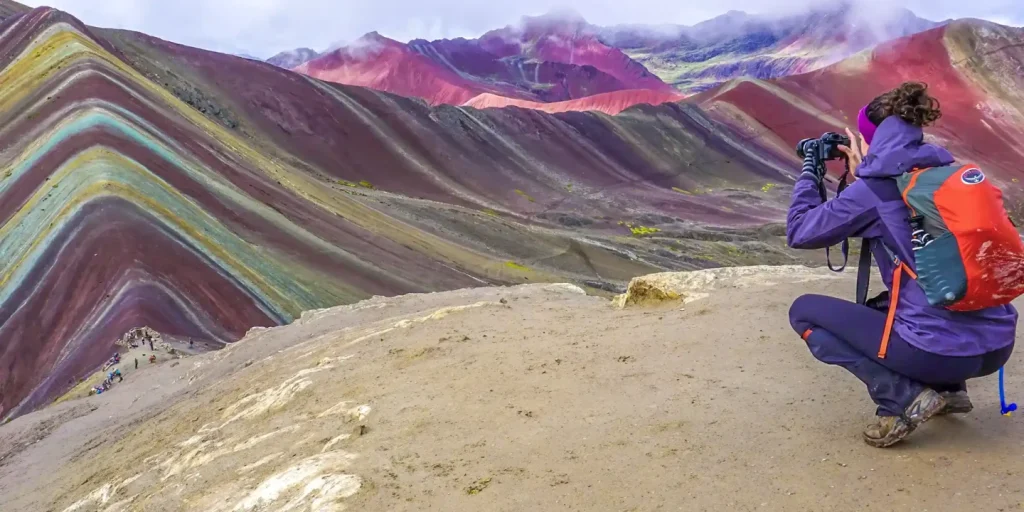
What to bring by season
What you pack for Vinicunca may vary slightly between the dry season and the rainy season. Still, at any time of year you should be ready for cold, wind, and sudden changes in weather conditions.
Checking the forecast before you go helps you choose better clothing, but it doesn’t replace the need for a waterproof layer and warm accessories. Conditions in Cusco aren’t always the same as those on the route to the mountain.
Packing for the dry season
Between May and September you can expect very cold mornings, strong solar radiation, and wind. For this period, bring thermal clothing, a warm layer, a hat, gloves, and broad-spectrum sunscreen.
Although rain tends to be less frequent, a lightweight windproof or waterproof jacket is still a good idea. Clear skies can make the sun feel more intense during the hike, so don’t leave sunglasses and a cap behind.
Packing for the rainy season
Between November and March you may run into rain, fog, and mud on the route. In this season, a waterproof jacket, poncho, and footwear with good traction are the top priorities in your pack.
Bring a backpack cover or waterproof bags to protect documents, your phone, and a change of clothes. It’s also useful to pack an extra bag for storing wet garments without soaking the rest of your belongings.
Recommended backpack size
A small or medium backpack is usually enough for Vinicunca, as long as it fits water, rain gear, snacks, sun protection, and personal items. For a one-day excursion there’s no need for a suitcase or bulky luggage.
A backpack that’s too heavy can make the hike harder and increase fatigue at high altitude. The goal is to carry what you need without losing mobility or balance on the trail.
How to distribute the weight
Place the heaviest items close to your back and in the middle of the pack. This distribution helps you keep better balance and keeps the weight from pulling backward as you walk.
Keep your waterproof jacket or poncho somewhere accessible, since you might need them without delay. Protect documents, cash, and electronics inside sealed bags or moisture-resistant cases.
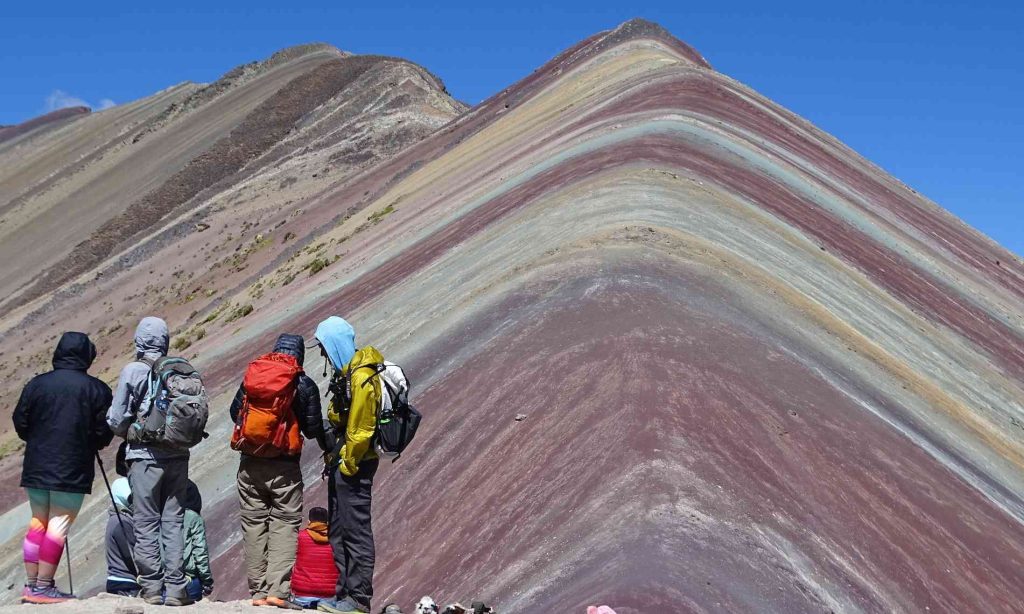
What not to bring to Vinicunca
Leaving certain items and garments behind makes the hike easier and reduces the risk of discomfort. This excursion doesn’t call for a lot of gear, just a functional selection of items suited to the weather and terrain.
Before you head out, go through each item in your pack and ask yourself whether you’ll really use it during the day. That decision cuts weight and leaves room for what you may actually need.
Heavy luggage
Skip suitcases, large backpacks, and anything you don’t need for a one-day outing. Carrying too much weight can affect your hiking pace and make it harder to move on steep sections.
There’s also no reason to carry several bulky warm garments if you can use a lightweight layering system. Plan your clothing around the expected weather and leave your main luggage at your accommodation in Cusco when possible.
Unsuitable clothing
Cotton garments aren’t recommended, since they can stay damp from sweat or rain and leave you feeling cold. You should also avoid smooth-soled shoes, clothing that’s too light, and garments that restrict movement.
Jeans, city sneakers, and jackets without wind protection tend to be impractical choices. Go with synthetic materials, technical wool, or fabrics designed for outdoor activity.
Unnecessary valuables
Don’t bring jewelry, delicate equipment, or expensive items you won’t use during the visit. Beyond adding worry about your belongings, they can be damaged by moisture, dust, or temperature changes.
If you bring a camera, phone, or another device, protect it with a case and use it only when needed. Keep the rest of your valuables somewhere safe before starting the excursion.
Tips for packing
Packing your backpack ahead of time lets you leave Cusco with fewer worries and reduces the chance of forgetting the basics. Simple organization also helps you find each item without emptying the whole pack along the way.
Keep in mind that many excursions start early, while it’s still dark. Getting everything ready the night before makes the departure easier and lets you focus on getting a good rest.
- Check the weather forecast
- Pack your backpack the night before
- Keep your load light
Frequently asked questions
These are some common questions about clothing and gear for visiting Vinicunca. Your needs may vary with the season, the weather that day, and your own tolerance for cold.
Do I need to bring thermal clothing?
Yes, it’s a good idea to bring at least a thermal base layer or a quick-drying garment. Mornings can be cold and the weather shifts during the tour. Thermal clothing helps you retain heat without relying on overly heavy garments.
Are hiking boots necessary?
They aren’t always required, but they’re a good choice if you already own a comfortable pair. What matters is wearing sturdy footwear with good support and a non-slip sole. Trekking shoes can work well in dry conditions.
What kind of backpack is recommended?
A light, small or medium backpack is usually enough for the visit. It should have room for water, rain gear, snacks, and personal items. Accessible pockets and adjustable straps that keep it stable are also useful.
Do I need to bring a poncho?
A poncho is especially recommended during the rainy season, between November and March. Even so, it can be useful year-round given how changeable the weather is in this area. It’s light, takes up little space, and helps protect your backpack too.
What clothing should I avoid?
Avoid city shoes with smooth soles, clothing that restricts movement, and garments that don’t protect against cold, wind, or rain. It’s also better not to use cotton as your main layer, since it holds moisture. Choose comfortable, flexible clothing suited to walking on uneven ground.


