
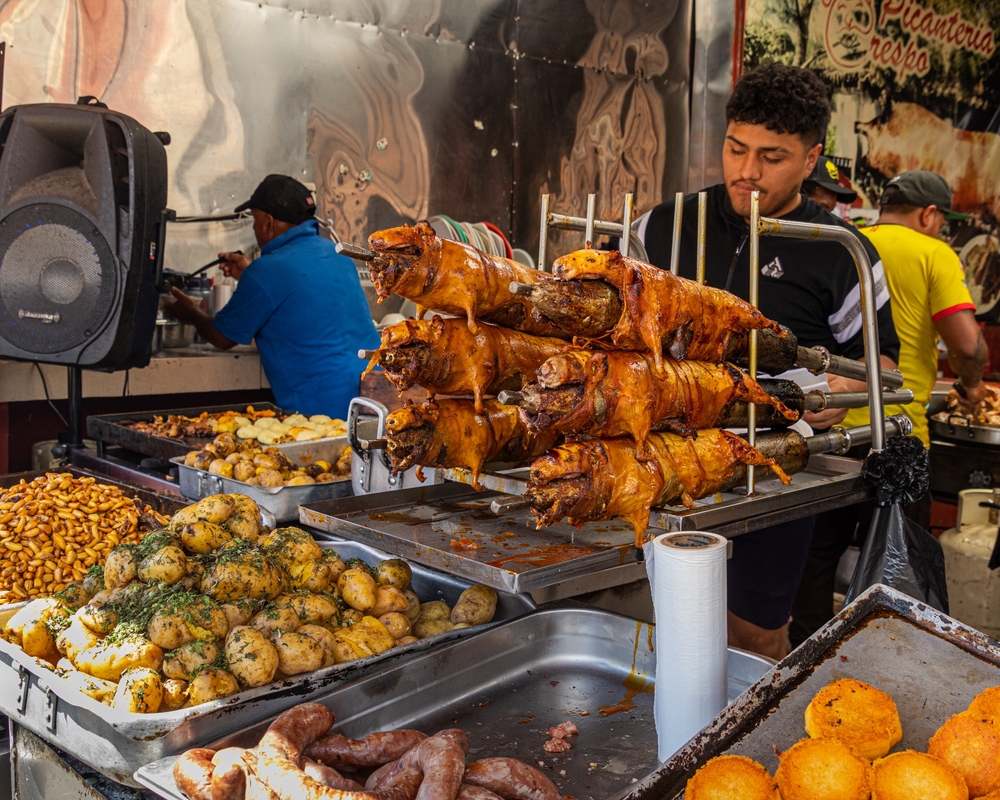
Cusco’s cuisine is rooted in high-altitude ingredients such as corn, potatoes, chuño, herbs, and meats traditionally prepared for celebrations. In the historic center, many restaurants have long menus designed for travelers arriving in the city that same day. At the market and in a picantería, the menu is shorter and dishes change depending on the time of day. Both options are useful. The key is knowing the difference so you do not end up eating the same type of dinner five nights in a row.
Three ways to eat in Cusco
Plaza de Armas and the arcades. Multilingual menus, all-day service, and views of the Cathedral. Ceviche, lomo saltado, alpaca, trout, and pisco sour are common choices. This is useful on the first night or when a group simply wants to sit down without searching through different neighborhoods. Part of the price reflects the location.
San Pedro Market. About a ten-minute walk from the Plaza de Armas. You will find corn, cheese, pan chuta, fresh juices, morning soups, and early chicharrón. Meals are usually eaten at the counter. The best time to go is between 7:00 and 10:00 a.m., when the market is busiest with local shopping and breakfast service.
Picanterías and neighborhood restaurants in San Blas, Santiago, and Wanchaq. Menus are shorter, chili sauces are placed on the table, and dishes may sell out once the day’s pot is finished. This is where you are more likely to find Sunday adobo, chairo, and, during the right season, chiriuchu.
Dishes that define Cusco cuisine
Chiriuchu
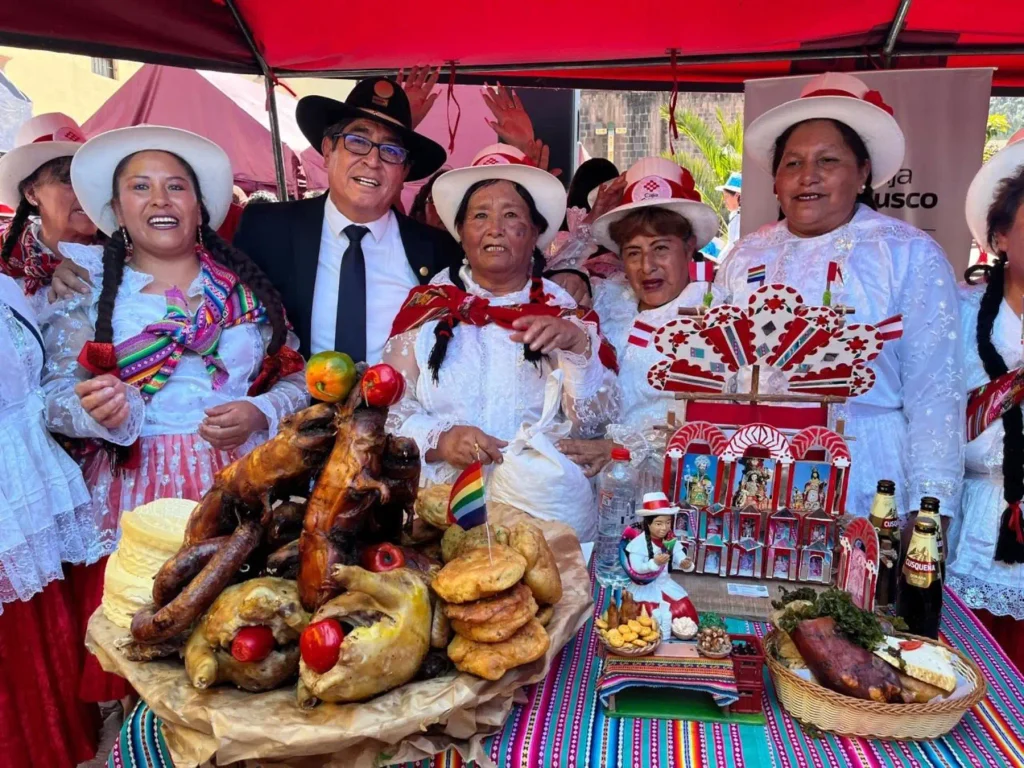
This cold dish is traditionally associated with Corpus Christi. It combines chicken, guinea pig, sausage, cochayuyo seaweed, egg, cheese, toasted corn, rocoto pepper, and a corn tortilla on the same plate. Only a few restaurants serve it throughout the rest of the year. It makes the most sense to try it in June around the festival or at a restaurant that specializes in preparing it, rather than ordering it as a quick appetizer.
Baked or chactado guinea pig
Baked guinea pig is usually served with crispy skin and potatoes. Cuy chactado is pressed and fried. A typical serving is either one whole guinea pig or half. It is best tried once during the trip, preferably at lunch rather than as your first heavy meal on the afternoon you arrive by plane.
Cusco-style adobo
Pork marinated in chicha de jora and chili peppers, then cooked slowly. In Cusco, adobo is traditionally a morning dish, especially on Sundays. If a restaurant offers it at night, it is worth asking when that batch was prepared.
Chairo
A hot soup made with chuño, fava beans, meat, potatoes, and herbs. It is warm and savory, making it a good option on the first or second day while your body is still adjusting to Cusco’s elevation of about 3,400 meters (11,150 feet).
Corn with cheese
Large-kernel corn from the valley served with fresh cheese. At San Pedro Market or in a Sacred Valley town, it works well as a simple lunch or snack. The kernels are large and starchy, very different from canned sweet corn.
Roast pork and chicharrón
Roast pork is common at fairs and weekend food stalls. Market-style chicharrón is usually eaten in the morning and served with mote and salad.
Mushroom or fava bean capchi
A stew prepared with milk and mint. It is less common on restaurant menus around the Plaza de Armas and makes a good lunch option when you want something other than grilled meat.
What you will usually find on restaurant menus in the historic center
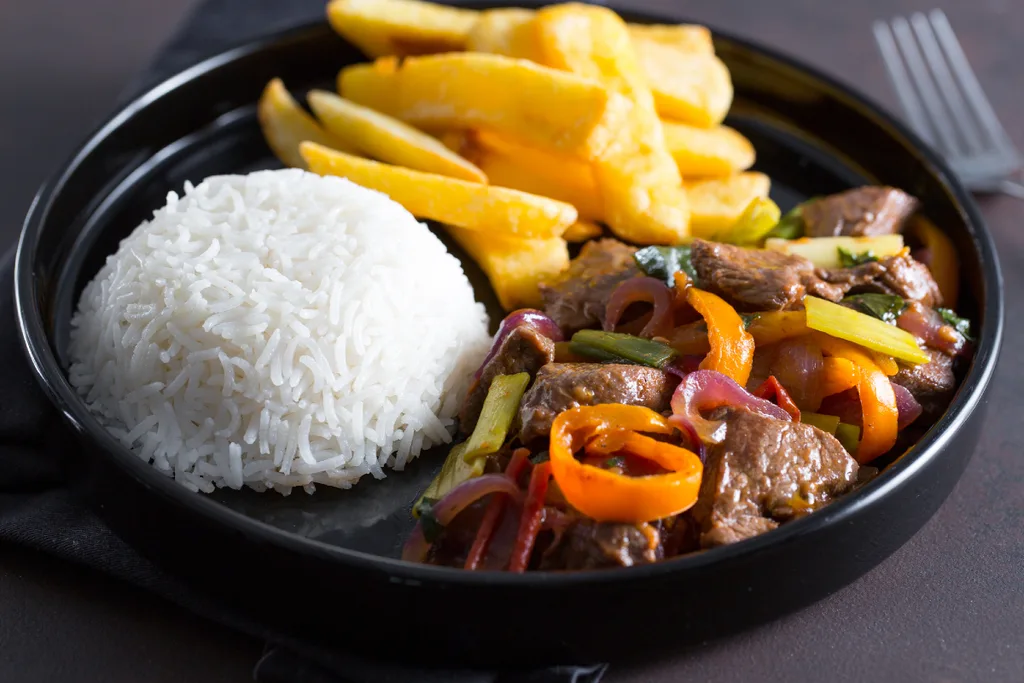
Menus around the Plaza de Armas tend to be similar from one arcade to another: ceviche, lomo saltado, alpaca with sauce, trout, and pisco sour. Ceviche and lomo saltado are more closely associated with Peru’s coast and Lima, but they are widely served in Cusco because travelers already know them. They are perfectly fine to order, but they are not representative of traditional picantería cooking.
Alpaca is part of Andean cuisine. A simple alpaca steak with potatoes often lets you appreciate the meat better than a dish covered in a heavy sauce. Trout is common in towns throughout the Urubamba River basin, although quality in restaurants around the square depends on the establishment.
These restaurants work well when you need flexible hours and a table where a group can sit together. For more traditional high-altitude cooking, San Pedro Market and local picanterías fill the gap.
What to drink
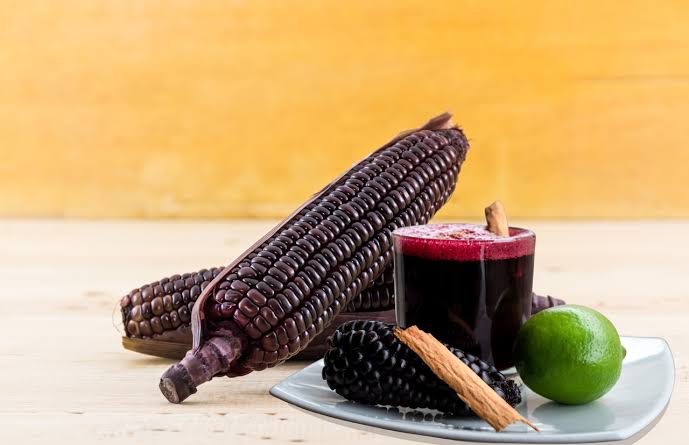
Chicha de jora is the traditional fermented corn drink of the region. It has a slightly sour flavor and is often served from large clay containers in places known for preparing a fresh daily batch. Chicha morada and pisco sour are now part of Peru’s national food culture and are just as easy to find in Cusco.
Coca tea is usually treated as an arrival drink rather than a cocktail. Coffee from La Convención and other cloud-forest growing areas is often served with more attention in San Blas cafés than the instant coffee commonly found at hotel breakfast buffets.
Market food, daily menus, and picanterías
A neighborhood lunch menu, usually including soup, a main course, and a drink, often costs between 10 and 18 soles. It is one of the most reliable and affordable ways to eat on the second and third days of your stay.
At a picantería, timing matters. Morning adobo will not necessarily still be available at 3:30 p.m. Arrive early or choose a different dish.
One morning visit to San Pedro Market is enough to see the local produce and have breakfast. By midday, the aisles are more crowded and some soups have already been simmering for several hours.
Food and altitude
On your first day, soup, potatoes, rice, and limited alcohol are usually easier on the body. Digestion at 3,400 meters can feel slower than your excitement about arriving in Cusco. Guinea pig and chicha de jora are better saved for the second day, after you have had at least one full night of rest.
How meals fit into tour days
The Full-Day Sacred Valley Tour includes lunch in the valley, which means you do not need to return to downtown Cusco at 2:00 p.m. looking for a restaurant. Corn and local village cooking fit naturally into a day visiting Pisac or Ollantaytambo, especially when the lunch stop is in a town rather than only at a roadside restaurant.
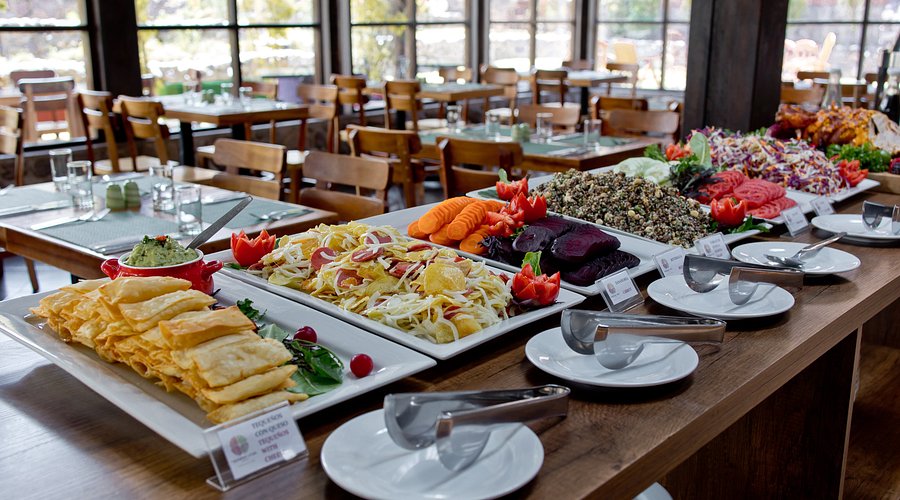
The Chinchero community experience with Moray and Maras includes lunch in a local community, where potatoes, fava beans, quinoa, or meat may be served depending on the household. It is a different kind of meal: shared home-style cooking rather than a multilingual restaurant menu.
Neither experience replaces a meal at a traditional picantería. They simply cover the days when your itinerary does not leave much time to choose a neighborhood restaurant.
How to plan your meals during your stay
- First night: choose a restaurant in the historic center or a simple menu near your hotel, without eating too heavily.
- Spend one morning at San Pedro Market.
- Have one lunch featuring adobo or chairo.
- Choose one celebratory dish, such as guinea pig or chiriuchu, during the entire stay.
- On Sacred Valley or Chinchero tour days, have the included lunch during the tour and a light dinner after returning to Cusco.
At Incredible Peru Tours, lunch on the Sacred Valley or Chinchero tour is confirmed when the reservation is made. If you want to visit a specific picantería, the city tour guide can recommend the right neighborhood and time of day once the tour ends.


