
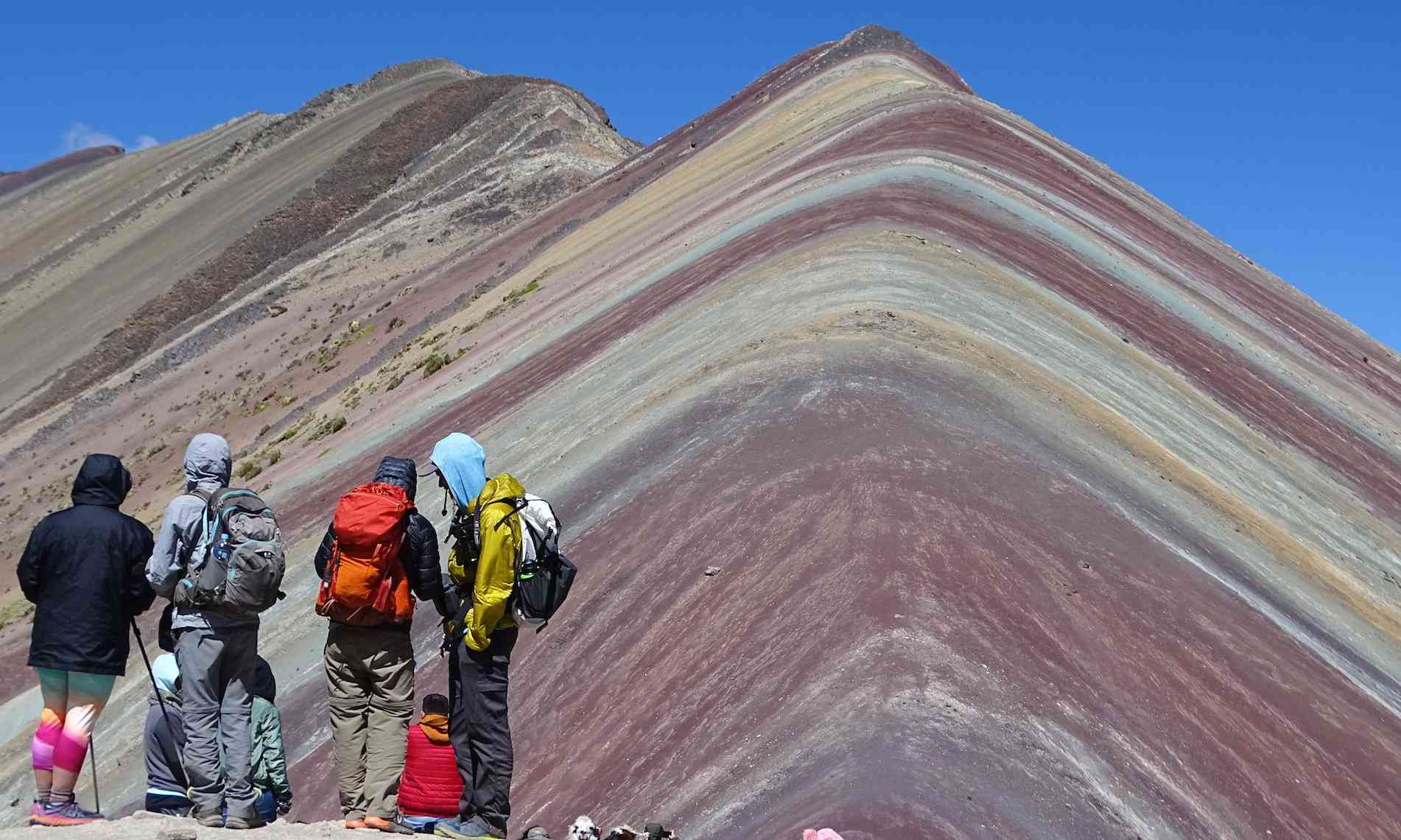
You will be hiking above 13,000 feet (4,000 meters) above sea level, so what you pack can make the difference between enjoying the day and having a difficult experience. Here is everything you need, explained in a simple and practical way.
Dress in Layers
The weather in these two mountain destinations can change quickly. You may leave in freezing temperatures before sunrise, start sweating during the hike, and feel cold again at the summit because of the wind. That is why the key is to wear layers that you can easily put on or remove as you go.
Base Layer
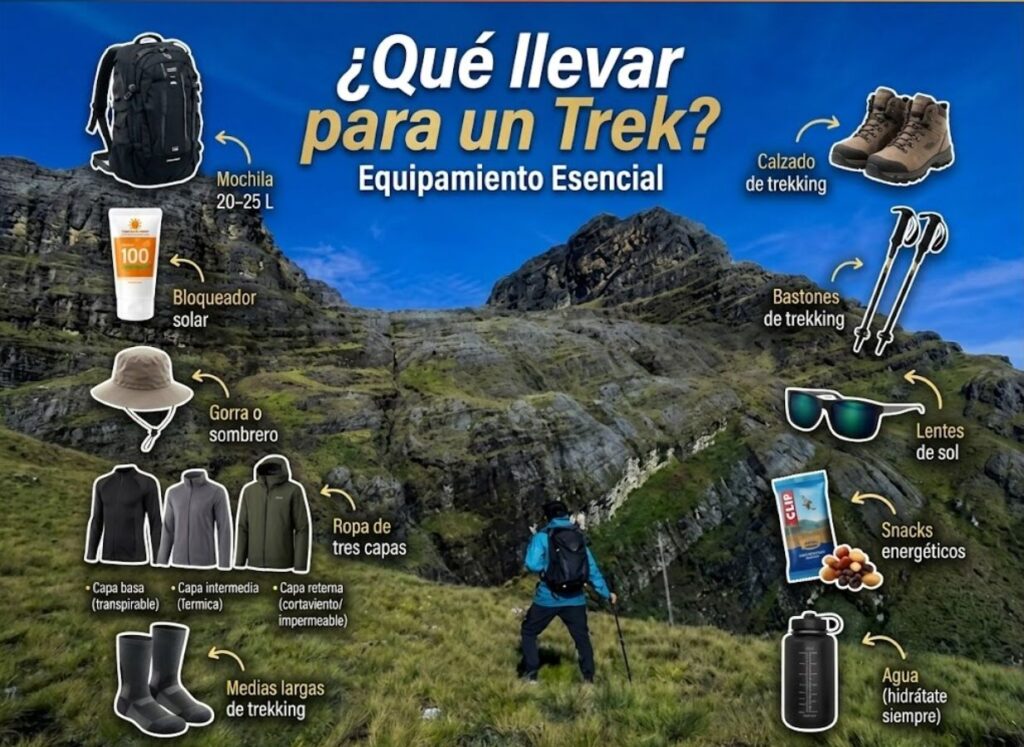
Wear a fitted, long-sleeved thermal shirt. Avoid cotton because it holds moisture and can make you feel colder. Choose synthetic fabrics or wool that dry quickly.
Mid Layer
Bring a fleece jacket or an insulated layer that will keep you warm during the hike and while resting.
Outer Layer
Wear a waterproof and windproof jacket over everything else. This layer will protect you from the strong winds at the summit and from unexpected rain.
Accessories
Do not forget gloves, a warm hat that covers your ears, and a buff or neck gaiter to protect your face. The wind can be very strong at the summit, and your hands are often the first part of your body to feel cold. For your lower body, comfortable hiking pants work well. If you have them, wear thermal leggings underneath during the early morning.
Proper Footwear
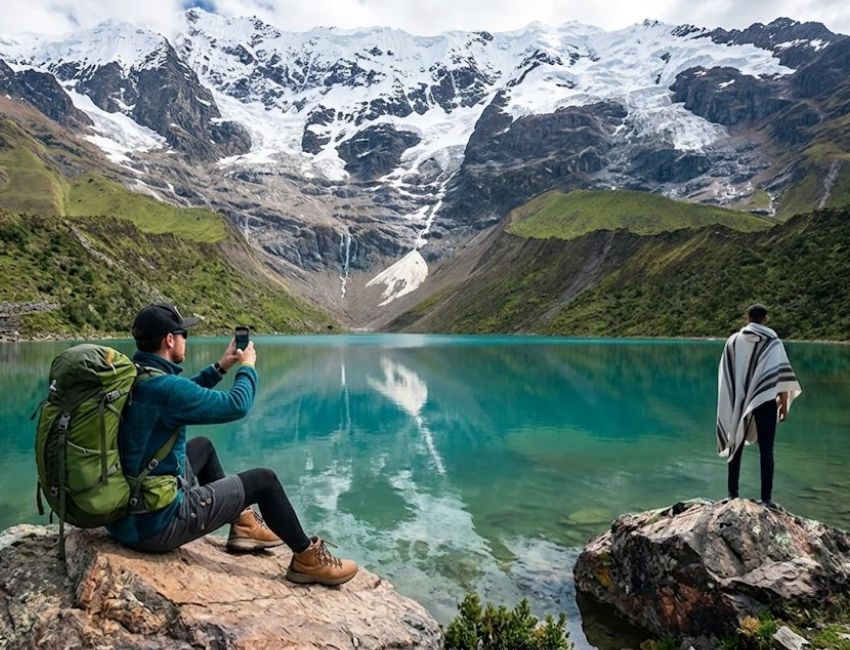
This is where many travelers make mistakes. You need hiking shoes or boots with good traction because the terrain includes loose dirt, rocks, and, depending on the season, mud or snow. Regular city sneakers can be slippery and may make the hike much more difficult.
Make sure you have already broken them in, and never wear brand-new shoes for the first time on the day of the hike. Also bring thick socks, preferably two pairs in case one pair gets wet.
Sun Protection
At this elevation, the sun is much stronger, even when the weather feels cool or cloudy. Bring high-SPF sunscreen and reapply it throughout the day, sunglasses with UV protection, and a cap or wide-brimmed hat. Lip balm with sun protection is also helpful because the cold, dry air can cause your lips to crack.
Hydration and Snacks
Drink water regularly before and during the hike because staying hydrated can help your body handle the altitude. Bring at least 1.5 to 2 liters of water. Pack quick-energy snacks such as nuts, chocolate, granola bars, or fruit. Coca leaves or coca candies are also commonly used as support for altitude-related discomfort.
Preparing for the Altitude
If you have just arrived in Cusco, give yourself one or two days to acclimatize before taking the tour. Keep altitude sickness medication with you if you are usually sensitive to high elevations, but speak with your doctor beforehand. You may also want to bring something for headaches. Walk slowly, avoid rushing, and take deep breaths.
Other Essentials
Pack your identification card or passport, some cash in Peruvian soles for purchases or restroom fees along the way, your phone or camera with a fully charged battery, a small bag for your trash, and, if available, trekking poles, which can be very helpful during both ascents and descents.
Final Tip
Travel light, but make sure you have everything you need. A 20- to 30-liter backpack is enough to carry your essentials without adding too much weight. Prepare everything the night before because departures are usually before sunrise, and you will not want to organize your gear at that hour.


