
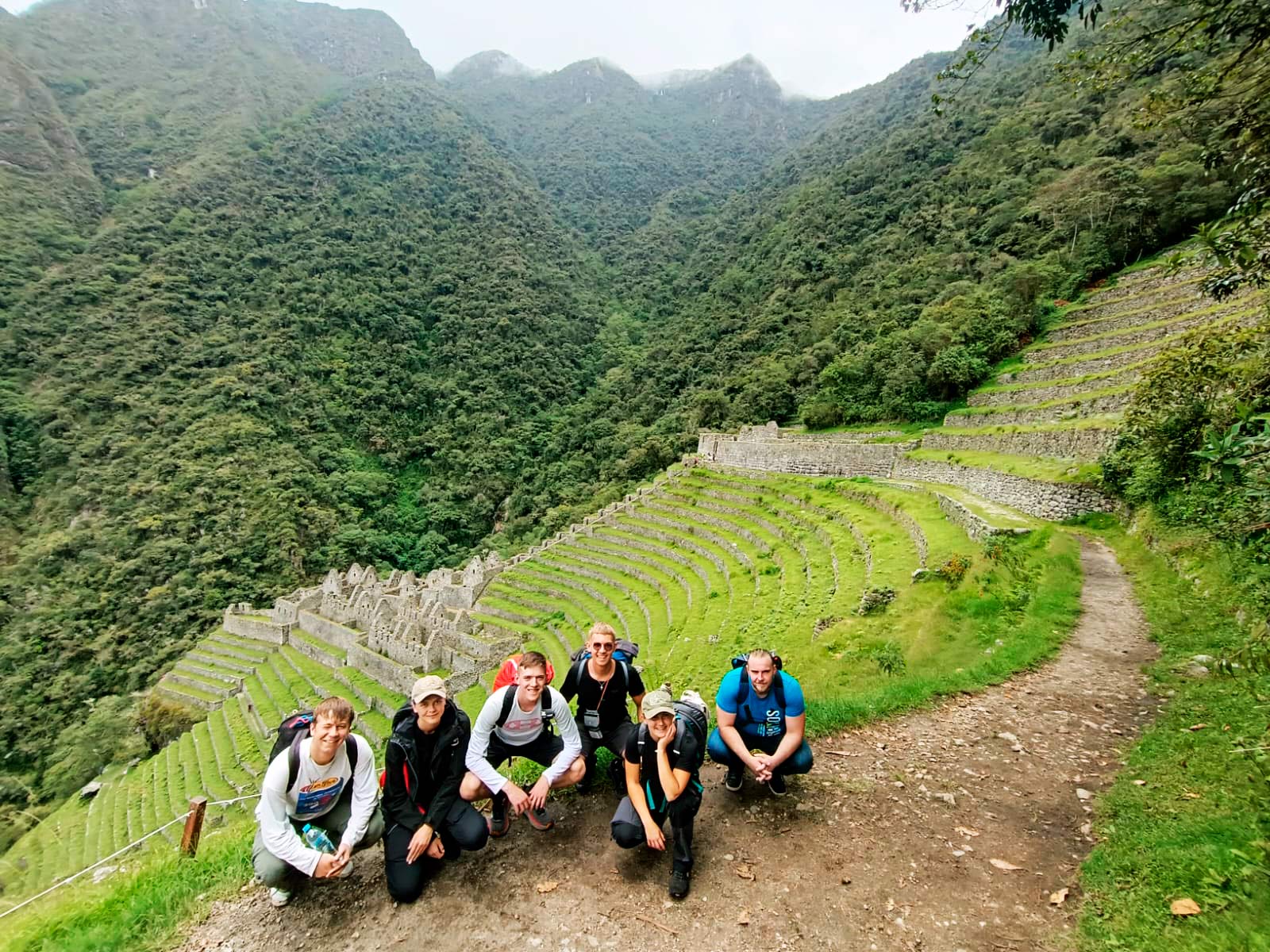
The Inca Trail is sold out, the month you need happens to be February, or you are simply looking for something different from Peru’s most famous route. None of those situations should leave you without a memorable trekking experience in the Cusco region. The problem is not a lack of options, but the fact that the fame of the Inca Trail overshadows routes that are equally extraordinary in many ways and, in some respects, even better.
This guide brings together the best alternatives to the Inca Trail departing from Cusco or the Sacred Valley, organized by type of experience and level of difficulty. All of them either end at Machu Picchu or pass through some of the most important archaeological sites in the region. None of them requires the regulated Ministry of Culture permit that makes the Inca Trail sell out during high season.
Salkantay Trek: the route of glaciers and extreme landscape change
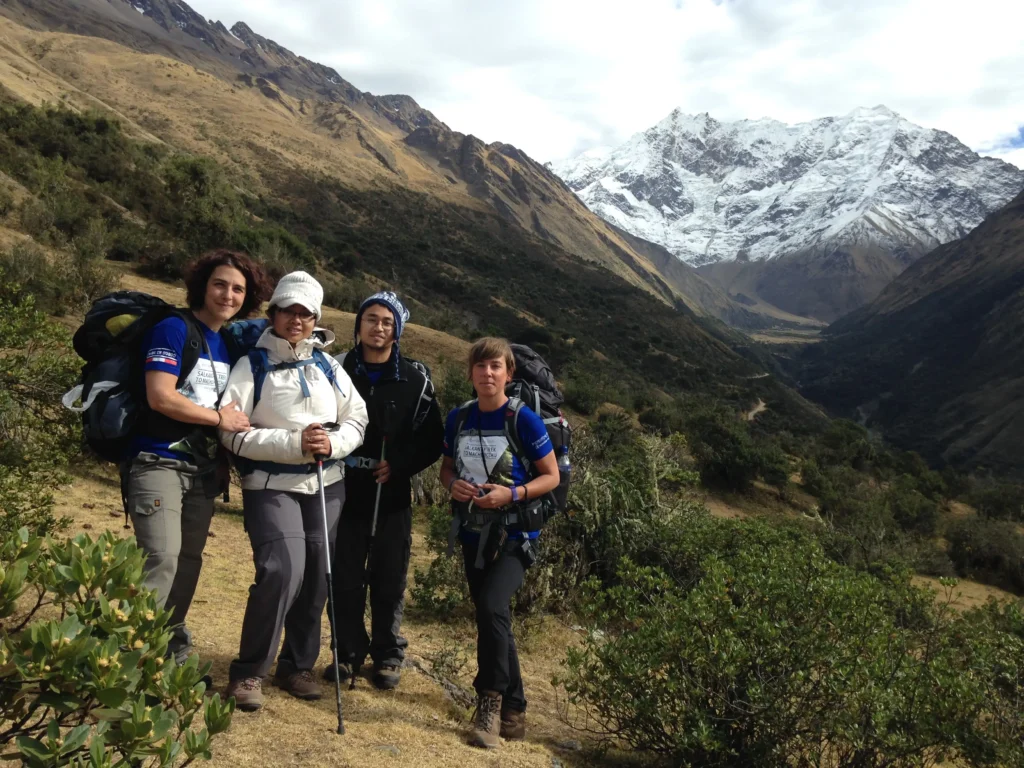
The Salkantay Trek is the most popular alternative to the Inca Trail and the one that comes closest to it in terms of reputation among travelers with mountain trekking experience. Its name comes from the snowcapped Salkantay peak, the second-highest summit in the Cusco department at 6,271 meters, under whose shadow the second day of the standard five-day trek takes place.
The route starts in the village of Mollepata and crosses the Salkantay Pass at 4,630 meters, the highest point of the entire trek and one of the most visually dramatic of any trek in Peru. The glaciers of the mountain lie just a short distance from the trail in that section, and the combination of ice, rock, and open sky creates a scene that is hard to find anywhere else in the region. From that pass, the trail descends over three days into the subtropical area of the Santa Teresa Valley, passing through completely different ecological zones before reaching Aguas Calientes.
It has no regulated quotas and requires no special permit, which means it can be arranged with very little advance notice. The difficulty is high because of the altitude of the pass, but the variety of landscapes over five days makes it one of the most complete treks available in the region for anyone with enough time and physical fitness.
Lares Trek: living communities and Andean textiles along the way
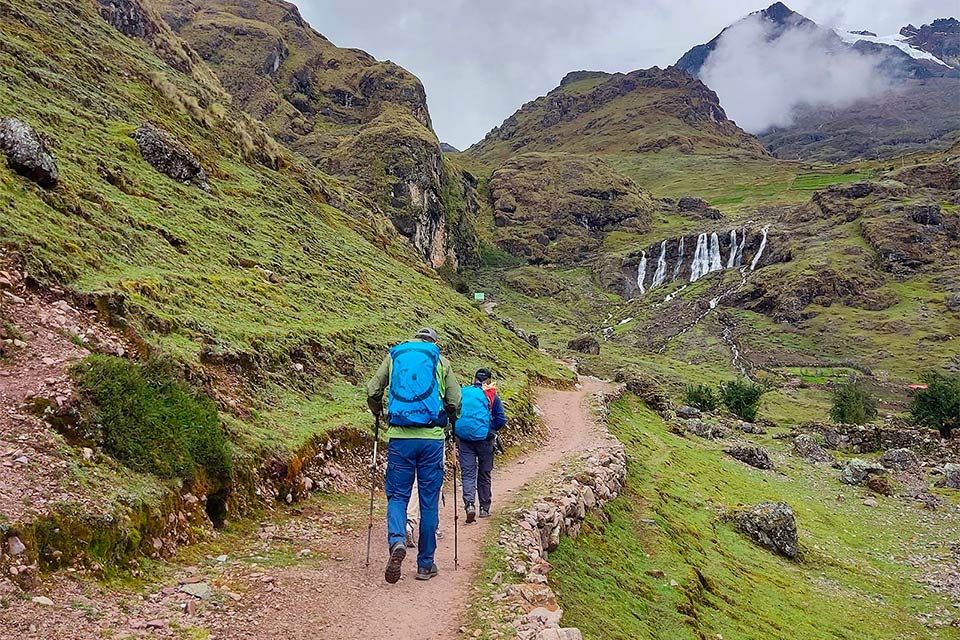
The Lares Trek is the most recommended alternative for travelers who value human and cultural contact as much as mountain scenery. This four-day trek passes through Quechua-speaking communities in the district of Lares, in Calca Province, where Andean life still unfolds in a way that mass tourism has not substantially transformed.
Along the trail, the group passes through villages where women weave using ancestral techniques, where children go to school in Quechua, and where shepherds head up each morning with their alpaca herds toward the higher slopes. That kind of contact, which the Inca Trail during high season cannot offer, makes Lares the best option for travelers who want to understand present-day Peru just as much as pre-Hispanic Peru.
The route ends in Ollantaytambo, where travelers take the train to Aguas Calientes. It does not reach Machu Picchu on foot like the Classic Inca Trail, but the visit to the citadel the next day has the same quality and impact as on any other route. The difficulty is moderate, and access does not require a special permit.
Inca Jungle Trail: biking, zip-lining, and hiking in three days
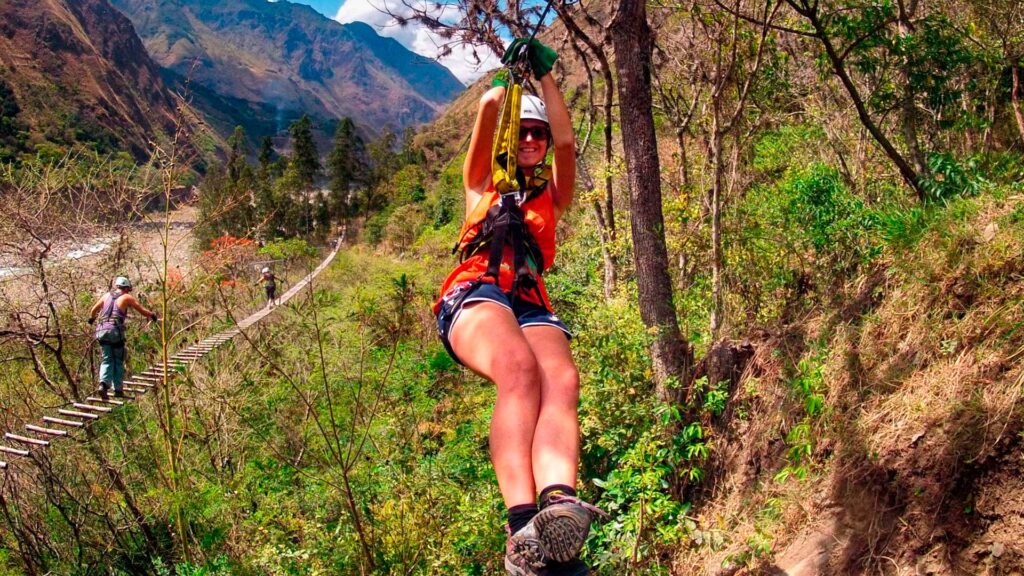
The Inca Jungle Trail is the perfect alternative for active travelers who want to reach Machu Picchu in a completely different way and do not mind combining trekking with other adventure activities. This three-day route combines mountain biking on the first day, hiking and optional rappelling and zip-lining on the second, and a walk along the final section of the Inca trail on the third.
The bike descent from Málaga Pass, at more than 4,300 meters above sea level, is one of the longest and most spectacular downhill rides you can do anywhere in Peru. Roughly 60 kilometers downhill on a road with views that shift from the frozen highlands to the subtropical zone in just a few hours. It does not require technical mountain biking experience, but it does require good overall fitness and a willingness for a long, active day.
It has no regulated quotas and does not require a special permit for the biking and hiking portion. The Machu Picchu entrance ticket is arranged separately. It is the most dynamic and intense of all the available alternatives and the one that packs the most adrenaline into the fewest days.
Huchuy Qosqo Trek: the Sacred Valley’s lesser-known route
Huchuy Qosqo, which in Quechua means “little Cusco,” is an Inca archaeological site located on a plateau at 3,600 meters above sea level with direct views over the Urubamba Sacred Valley. It is considerably smaller than Machu Picchu or Choquequirao, but its state of preservation is remarkable, and its location, with the valley fully spread out below and the snowcapped Ausangate peaks in the background on clear days, makes it one of the most visually valuable points in the entire Cusco region.
The trek to Huchuy Qosqo lasts between one and two days depending on the variation chosen. The most common route starts from the town of Lamay, in the Sacred Valley, and climbs along dirt paths and Andean grasslands to the plateau where the site is located. From there, the trail descends to Chinchero or Pisac to connect with transportation back to Cusco. It is a moderately difficult trek, accessible for people without previous high-altitude trekking experience, and it combines perfectly with other days of cultural visits in the Sacred Valley.
It does not end at Machu Picchu, but for anyone looking for a one- or two-day hike that reaches an archaeological site unknown to most tourists and offers views that are hard to match in the region, it is perhaps the best option available.

Ausangate Trek: the spiritual heart of the Peruvian Andes
Ausangate is the highest snowcapped peak in the Cusco department, at 6,384 meters above sea level, and one of the Apus, the sacred mountains, most revered by Quechua-speaking communities throughout the region. The trek that circles the entire Ausangate massif is one of the most demanding and most beautiful high-altitude routes in all of Peru, and also one of the least known outside the circles of travelers with serious altitude experience.
The standard trek lasts between five and six days and crosses passes above 5,000 meters several times between valleys. The landscape has a scale unlike anything else accessible without technical mountaineering gear: turquoise and crimson lakes beside glaciers, herds of vicuñas in the highland grasslands, and the snowcapped mountain dominating the horizon from every angle of the route. It is a landscape that belongs to another scale entirely, and you feel that in both the body and the emotions with every kilometer.
The section of the Ausangate route that passes through Vinicunca, the so-called Rainbow Mountain, has become one of the most visited attractions in the region in recent years. Anyone wanting to do the full Ausangate Trek can include Vinicunca as one of the trekking days without having to do a separate day trip from Cusco. The difficulty is high, and prior acclimatization is essential: this is not a route for people without experience above 4,500 meters.
Choquequirao Trek: the site mass tourism still has not reached
It already appears in the comparison with the Inca Trail, but it deserves a specific mention in this guide to alternatives precisely because it is the most radically different option of all those available in the region. Choquequirao is an archaeological site on the scale of Machu Picchu that receives between 30 and 50 visitors per day during high season. That number says everything.
The round-trip trek takes eight days and is the most demanding of all those listed in this guide, with descents and ascents of 1,500 meters of elevation change in both directions through the Apurímac canyon. It is not for beginners or for people with unresolved knee or ankle injuries. For those with the necessary fitness and experience, it is the most authentic and intense trekking experience Peru can offer right now.
It does not require a special access permit. It is organized through a local agency because of the logistical complexity of supplying an eight-day trek in the field, but it does not have the limited quotas of the Inca Trail. It is the ultimate alternative for the traveler who wants what Machu Picchu used to be before the whole world discovered it at once.

The Sacred Valley on foot: short routes with a lot to offer
Not every hike from Cusco has to last several days or end at a major archaeological site. The Urubamba Sacred Valley has a network of trails connecting villages, terraces, viewpoints, and smaller sites that most tourists overlook because they go straight from Pisac to Ollantaytambo by bus.
The hike from Pisac to Ollantaytambo along the ridge trails bordering the valley takes between two and three days at a relaxed pace and passes views of the Urubamba River and the mountains that cannot be seen from the road. The climb from Ollantaytambo to the archaeological site of the same name early in the morning, before the bus groups arrive, is a completely different experience from the standard tourist visit. The hike to the Chinchero viewpoint at sunset, with Inca terraces in the foreground and snowcapped peaks in the distance, is one of the best end-of-day experiences the region has to offer.
These short routes do not require an agency, permit, or specialized equipment. They are accessible with basic hiking shoes, enough water, and the right information about the starting and ending points of each section. For anyone who has only one or two days available and wants to really hike without the logistics of a multi-day trek, the Sacred Valley on foot is the most underrated option in the entire region.
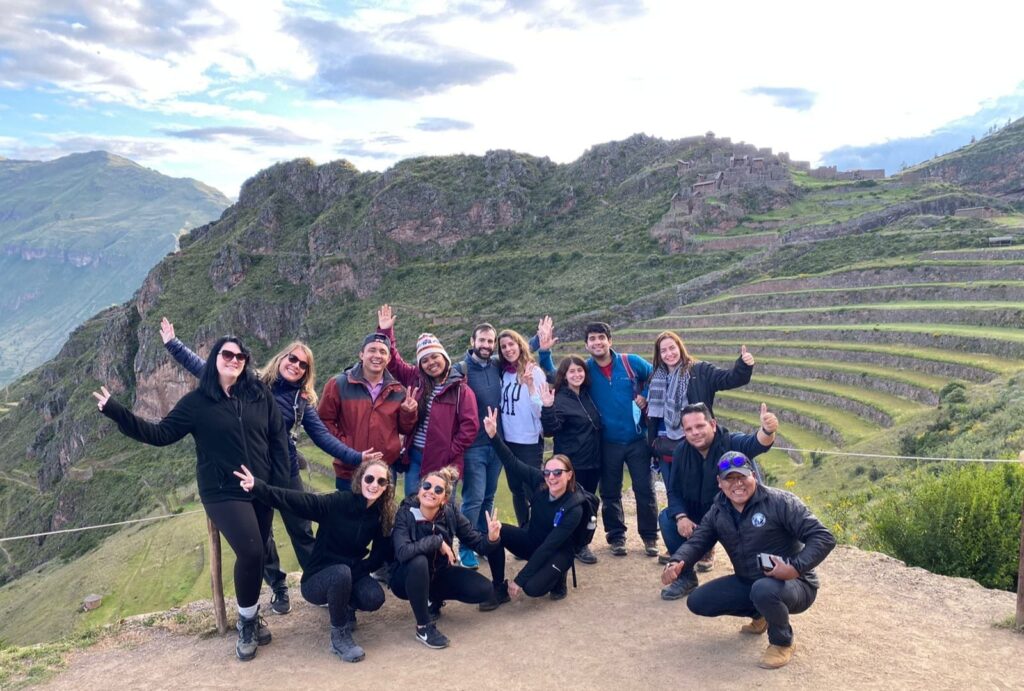
How to choose the right alternative for your situation
The choice should not be based only on how popular each route is or on what other travelers recommend without knowing your specific situation. There are three concrete questions that help identify the most suitable option in each case.
The first is the time available. For fewer than three days, the Sacred Valley routes or the one- or two-day Huchuy Qosqo trek are the best options. For three days, the Inca Jungle Trail or the Short Inca Trail. For four or five days, Salkantay or Lares. For eight days or more, Choquequirao or the full Ausangate Trek.
The second is your physical condition and previous experience. Without high-altitude trekking experience and without prior acclimatization, Lares, Huchuy Qosqo, and the Inca Jungle Trail are the most reasonable options. With moderate experience and good acclimatization, Salkantay and the Classic Inca Trail are accessible. With real mountain experience and time spent above 4,500 meters, Ausangate and Choquequirao open their doors.
The third is what you want from the experience. Archaeology and Inca history: the Classic Inca Trail or Huchuy Qosqo. Glacier scenery and high altitude: Salkantay or Ausangate. Contact with Andean communities: Lares. Adrenaline and adventure activities: the Inca Jungle Trail. Complete solitude and a non-crowded archaeological site: Choquequirao.
Would you like to know which of these routes best fits your dates, your fitness level, and what you want from the trip? At Incredible Peru Tours, we operate all the alternatives listed in this guide with guides specialized in each route and logistics handled from start to finish.


