
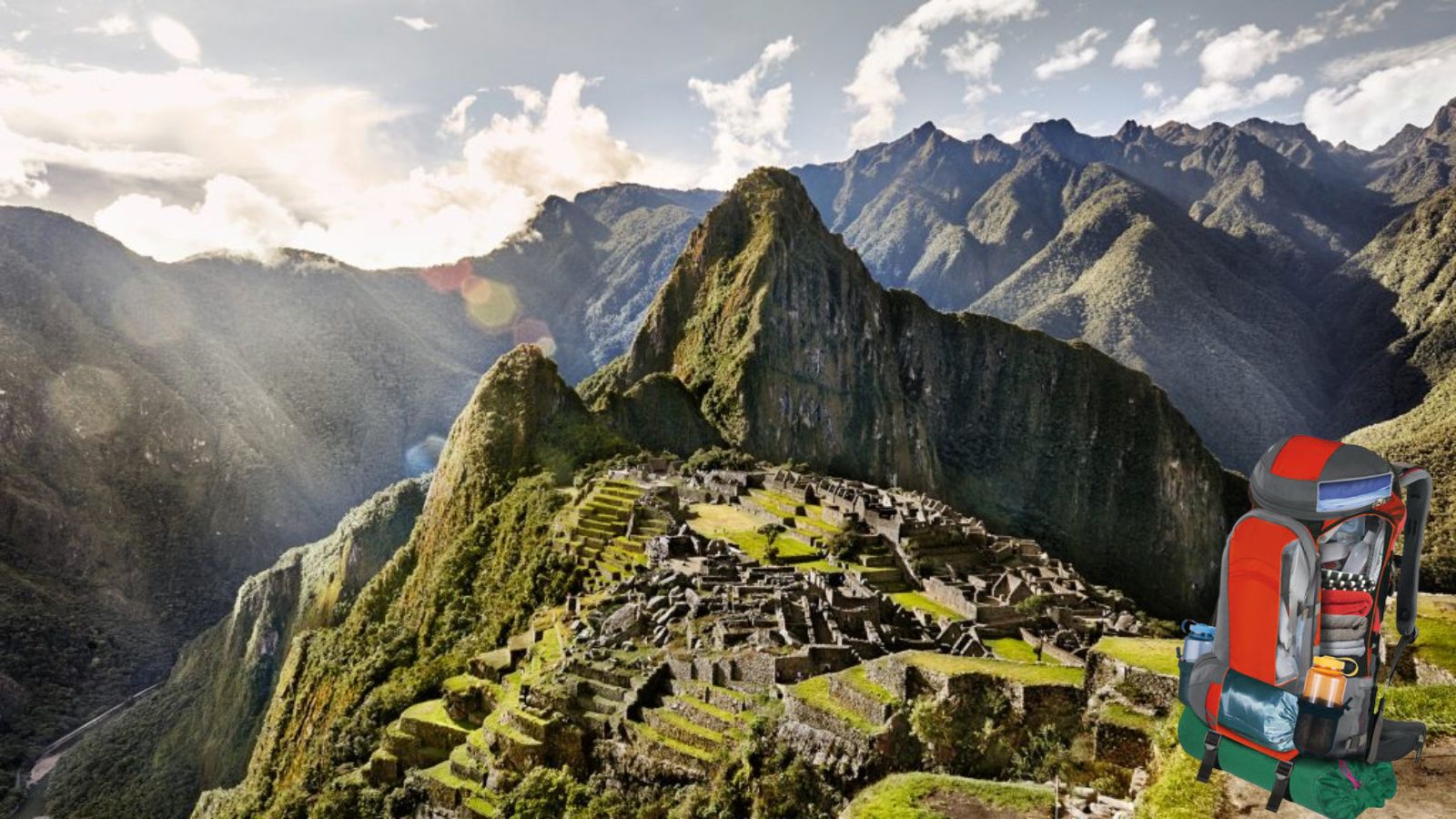
There is a huge amount of information about the Inca Trail on the internet. Most of it describes the route in enthusiastic terms, with photos of blue skies over Machu Picchu and texts that talk about a “transformational experience” and a “once-in-a-lifetime adventure.” That information is not false, but it is incomplete. There are a number of things about the Inca Trail that rarely appear in travel guides or tourism blogs, not because they are secrets but because no one considers them important to mention until you experience them on the trail and wonder why you didn’t know them beforehand.
This guide tells them.
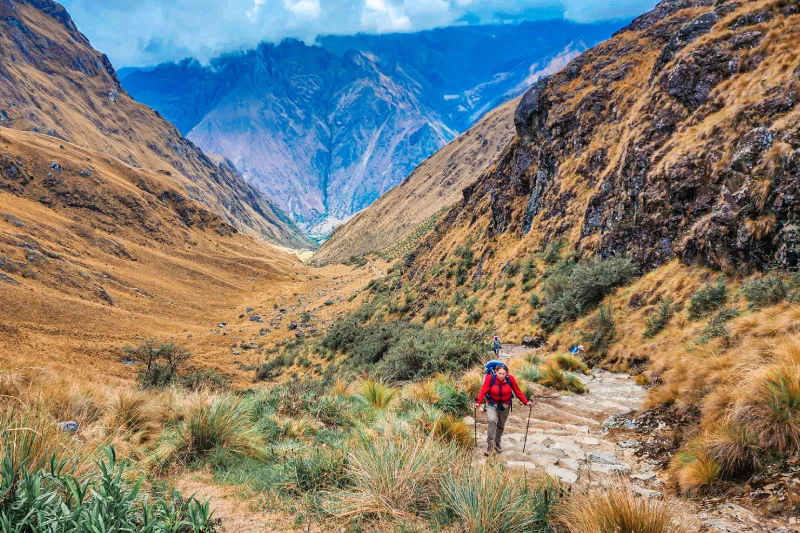
The second day is much harder than it looks on the map
All articles about the Inca Trail mention that the second day is the most difficult. What they don’t explain well is how much more difficult. The ascent to Dead Woman’s Pass at 4,215 meters is not a hill: it is a climb of several hours at an altitude where the available oxygen is approximately 40 percent lower than at sea level, with the fatigue from the previous day accumulated in your legs and the early morning cold still in your body.
Those who have underestimated that day because they “exercise regularly” are the first to recognize that the Inca Trail taught them something about respecting altitude that no gym can replicate. The fact that no one emphasizes enough is this: it doesn’t matter how good your physical condition is if you arrive without having spent at least two previous nights in Cusco. Altitude does not negotiate with muscle. It only negotiates with time.
The downhill staircases are harder than the climbs
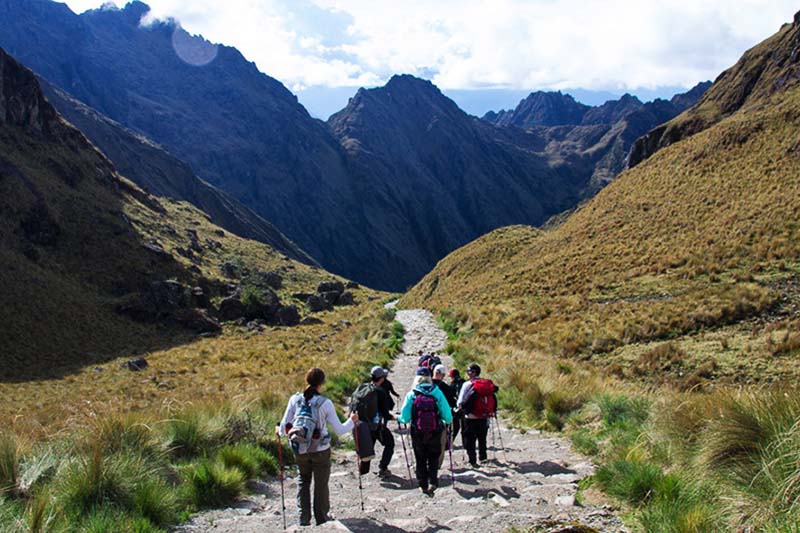
Instinct says that going up is hard and going down is rest. On the Inca Trail that instinct consistently fails. The Inca stone staircases that descend steeply between Phuyupatamarca and Wiñay Wayna on the third day are what cause the most damage to most participants’ knees. Not the climb to Dead Woman’s Pass: the descent of several hundred steps of different sizes and angles on rock that may be wet and covered with moss.
People who reach the fourth day with sore knees are almost always those who did not use trekking poles on the descents, or those who went down too fast because the end of the third day was already in sight. The lesson: the third day requires as much respect as the second, and poles are not optional on any long descent of the route.
The return train from Aguas Calientes can be exhausting
No one talks about the return. All Inca Trail stories end with the arrival at Machu Picchu. But after four days of hiking and visiting the archaeological site, there is still the bus descent to Aguas Calientes, the wait in town, the train ride back to Ollantaytambo, and the bus transfer to Cusco. That last stretch can take between four and six additional hours depending on the train schedule.
Arriving in Cusco at night, with legs that no longer remember what it feels like to be still and a nervous system still in mountain mode, is a transition the body handles better if anticipated calmly. Booking the return train with a specific seat from the beginning, bringing some food for the journey, and not planning any important activity for that same night in Cusco are the three things that make that return more manageable.
The llamas on the trail are much braver than you imagine
The llamas and alpacas that appear on the Inca Trail are not decorative or shy. On some sections of the first and second day, especially near grazing camps, they cross paths with the group on the trail and have no intention of moving aside. A group of llamas walking toward you on a narrow trail with a steep drop can be a situation that requires more negotiation than expected.
The unwritten rule that guides apply is to always let the llamas pass, not try to go around them on the cliff side, and not make sudden movements. Llamas can spit with considerable accuracy when they feel pressured. It is not something that ruins the experience, but it is something useful to know before coming face to face with one on the trail.
The archaeological sites along the trail are as valuable as Machu Picchu
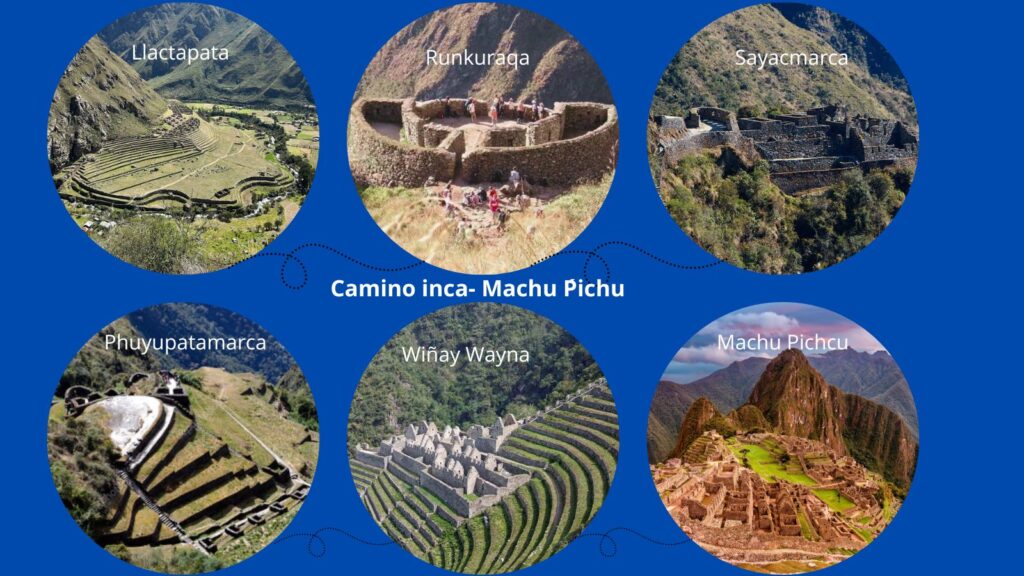
Machu Picchu is the destination, but the sites along the way Llactapata, Runkuraqay, Sayacmarca, Phuyupatamarca, and Wiñay Wayna are equally extraordinary and have something Machu Picchu no longer can: solitude. When the group reaches Phuyupatamarca with the mist moving through the Inca structures and no other group in sight in any direction, the experience of being in an archaeological site of that magnitude in complete silence is difficult to replicate anywhere else in Peru.
The most common mistake is rushing through these sites because “the best is at the end.” Those who spend real time at each one, ask the guide about their function and history, sit in one of the enclosures and simply observe, return describing the Inca Trail as something much richer than expected. Those who rush through still arrive at Machu Picchu, but with the feeling that they missed something along the way.
The night of the third camp is the most special
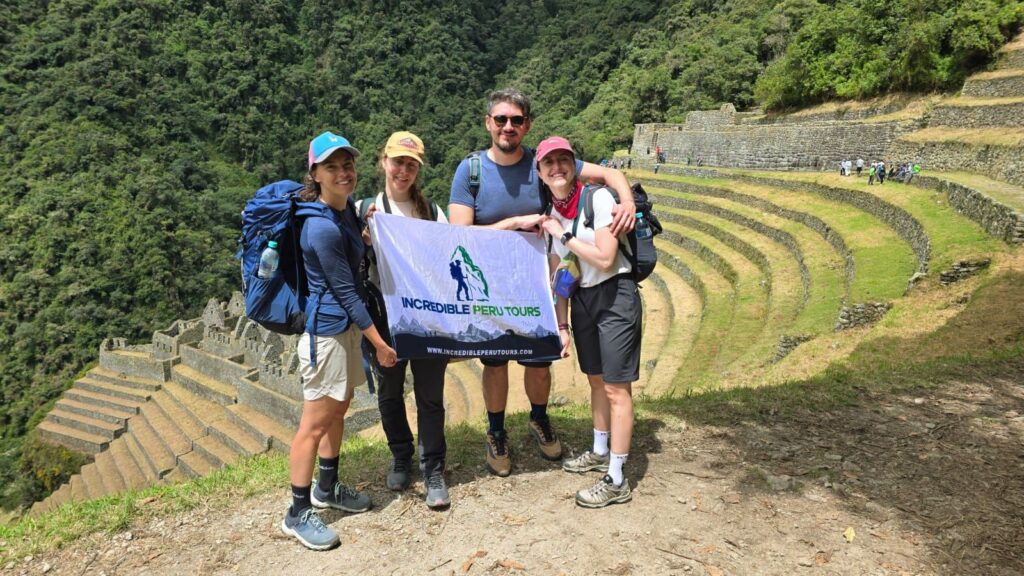
Wiñay Wayna, the last camp before Machu Picchu, has an atmosphere that no other point on the route produces. The group is exhausted from the third day, anticipation for the fourth is at its peak, and the awareness that tomorrow something ends with no return creates a quality of conversation at dinner that night that is rarely found in any other travel context.
Guides with many years on the Inca Trail mention that last camp night as the moment when groups truly get to know each other. Defenses drop with fatigue, personal stories emerge naturally, and the setting of the Wiñay Wayna archaeological site with the valley below and the starry sky above does the rest. It is one of those things that no itinerary describes because it cannot be captured in words, but those who have lived it know exactly what it means.
The fourth day wake-up call can feel cruel
Waking up at 3:30 or 4:00 a.m. after three days of intense physical effort is the moment when some participants silently wonder if it is really worth it. The answer comes around the moment when the headlamp lights the first section of the trail toward the Sun Gate and the group starts walking in the darkness with the early morning cold and the silence of the forest around them.
That night section toward Inti Punku, which on paper seems like simply the four-kilometer path to the viewpoint, is in practice one of the most memorable stretches of the four days. The darkness, the silence, the focus on the trail lit by the headlamp, and the anticipation of what lies ahead create a dimension of the experience that daylight cannot replicate. The cruel wake-up call of the fourth day is justified within the first ten minutes of walking.
Machu Picchu from the Sun Gate may be covered in fog
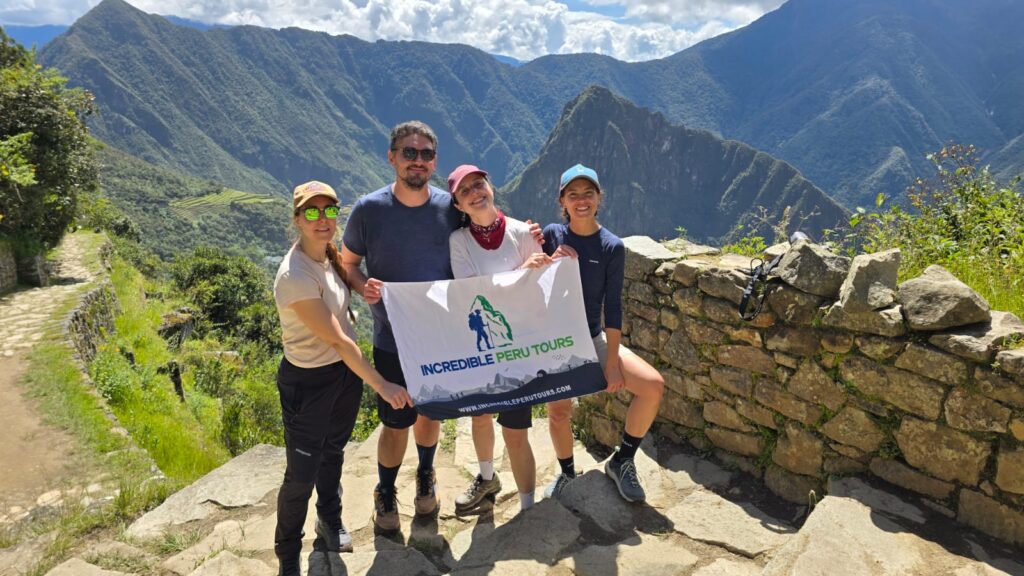
This fact is known in theory but rarely processed emotionally until it happens. After four days of effort, sleeping in the cold, waking up before sunrise, and walking the last kilometers in darkness, arriving at Inti Punku and finding the citadel completely covered in clouds is something you should be prepared for.
It happens more often than photos of blue skies over Machu Picchu suggest, especially during the wet season and transitional months. The correct way to experience it is not as a disappointment but as a wait. The fog over Machu Picchu moves. Sometimes in five minutes the sky clears and the citadel appears completely with a clarity that no cloudless day can produce. Sometimes the wait is longer. And sometimes the fog does not lift, and Machu Picchu appears and disappears among the clouds throughout the morning in a way that, when accepted, creates images and sensations that clear skies cannot provide.
Porters do something physically extraordinary that often goes unnoticed
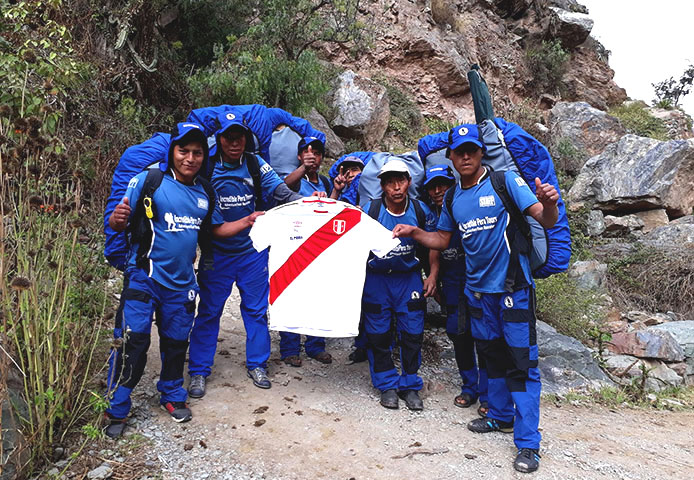
Most Inca Trail participants see the porters passing by during the trek without fully understanding what is happening. Porters leave after the group, carry between 15 and 20 kilograms of camping gear and food, and arrive at camp before the group. On the same terrain, with the same elevation gain and altitude, but faster and carrying more weight.
This reality does not fit into any description of the route focused only on the participant’s experience. But understanding it changes how you perceive each camp set up and each hot meal upon arrival. And it makes the tip at the end of the trek stop being a social formality and become a gesture that carries the weight it deserves for what those people have done over four days.
The Inca Trail changes how you remember time afterward
This is the hardest fact to believe before doing the trek and the most consistently confirmed by those who have already completed it. Four days without a phone, without news, without a schedule, and with attention focused entirely on the trail, the landscape, and the group create a perception of time that has no equivalent in everyday connected life. Each day feels longer than usual in the best possible sense: denser, fuller, more real.
Those who return from the Inca Trail usually need a few days to readjust to their normal pace, and many describe that readjustment period as something they did not expect and that made them reflect on their daily life in ways the trek does not directly create but certainly facilitates. It is a consequence that does not appear in any itinerary, and probably the most lasting one of the entire journey.
Do you want to do the Inca Trail with all the information you need to experience it without unnecessary surprises and with properly calibrated expectations? At Incredible Peru Tours we prepare each group with all the information prior to the trek, including what usually does not appear in guides.


