
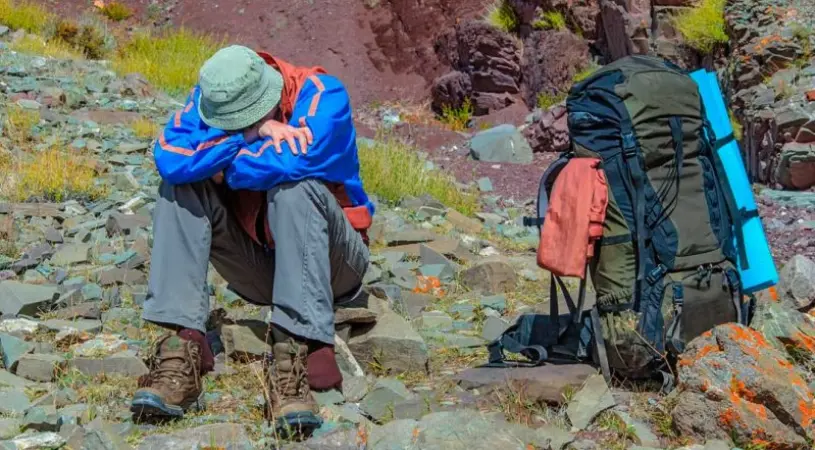
The Inca Trail is one of the most documented treks in the world, and even so, the same mistakes are repeated season after season with a consistency that is almost surprising. These are not beginner mistakes or mistakes made by unprepared people: they are mistakes made by intelligent people who trusted that their previous experience, their physical condition, or their ability to improvise would be enough for what the route demands. This guide lists them one by one, explains why they happen, and gives concrete solutions to prevent them before they become costly on the trail.
Mistake 1: not acclimatizing long enough in Cusco
It is the most common mistake and the one with the greatest impact on the second day. Many travelers arrive in Cusco one day before starting the Inca Trail convinced that their good physical condition will compensate for the lack of altitude adaptation. It does not work that way. Acclimatization is a biological process that requires time, not muscle. The body needs between 48 and 72 hours to begin producing additional red blood cells that allow it to function efficiently at 3,400 meters. This cannot be accelerated with willpower or pills.
The result of starting the trail without proper acclimatization is a second day of trekking turned into a survival experience: severe headache, nausea, fatigue that is disproportionate to the visible effort, and in some cases symptoms of altitude sickness that force an emergency descent. All of this with a paid permit, reserved train, and four days of accumulated expectations.
The solution: Plan at least two full nights in Cusco before the first day of the Inca Trail. Three nights for people over 55 or those with a history of altitude sensitivity. Use those days for short walks at lower altitude, proper hydration, and rest, not for intense activity or visiting higher altitude sites than Cusco.
Mistake 2: booking with too little advance notice
The Inca Trail has a maximum capacity of 500 people per day, including guides and porters. In high season, from May to August, that quota sells out four or five months in advance. Anyone who arrives in Cusco with fixed dates and the intention of booking for the following week discovers that there is no availability and that no agency can obtain it because the permit is personal and non-transferable.
It is one of the most painful misunderstandings in regional tourism: believing that by paying enough money or knowing someone with connections you can get an Inca Trail permit when quotas are sold out. That possibility does not exist. Permits are managed directly by the Ministry of Culture and there are no exceptions, legal resales, or alternative administrative access.
The solution: Book at least three to four months in advance for high season dates. For May, September, and October, two months is usually enough. For June, July, and August, four to five months is the prudent minimum. If dates are already confirmed and permits are not available, the Salkantay Trek is the most complete alternative without regulated quotas.
Mistake 3: wearing new shoes on the trail
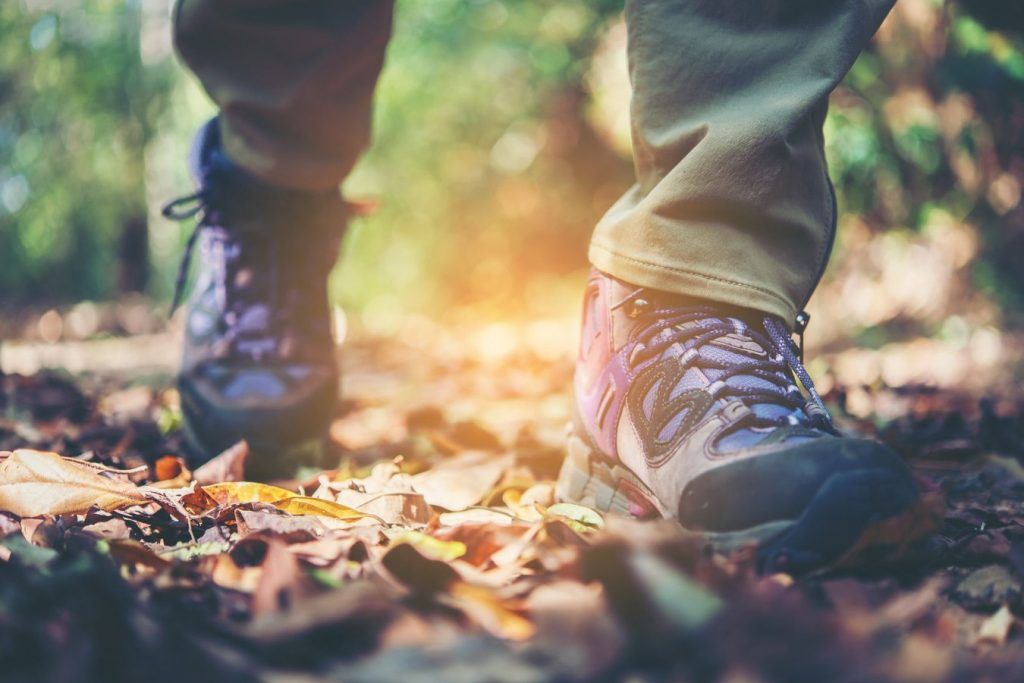
It happens more often than seems reasonable: someone buys new trekking boots a week before the trip and wears them for the first time at kilometer 82. The result is predictable: heel blisters from day one, toe friction from day two, and the last two days of the Inca Trail turning into an exercise in pain tolerance that no painkiller fully resolves.
Trekking boots need to be broken in before the trek. The leather or synthetic materials of a new boot have pressure points that only disappear when the material adapts to the specific shape of the wearer’s foot. That process requires several walks of increasing distance with the boots. There is no shortcut.
The solution: Buy your Inca Trail footwear at least one month in advance and do three or four two-hour walks with them before traveling. Also carry hydrocolloid blister pads such as Compeed in your daypack to apply at the first sign of friction, before a blister forms.
Mistake 4: not bringing trekking poles or putting them away after the first day
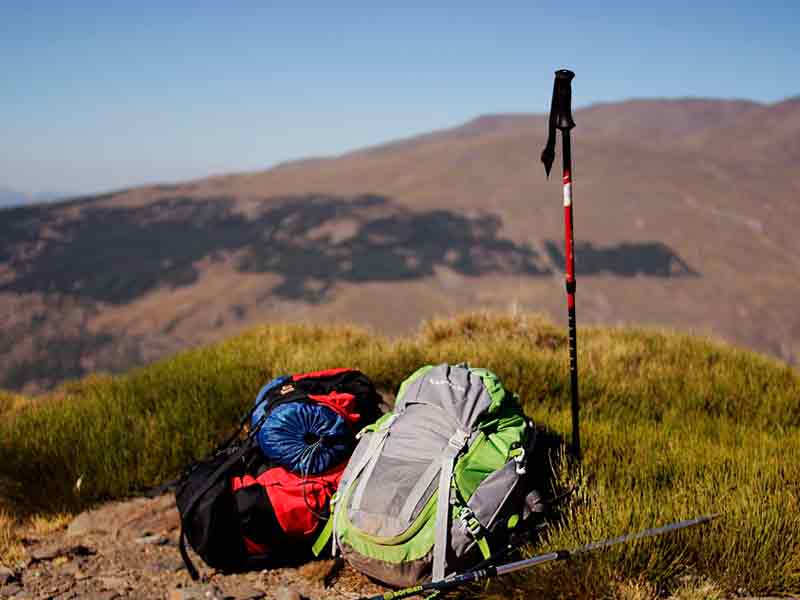
Many Inca Trail participants bring trekking poles at the beginning of the route and put them away in their backpack after the second day because they do not consider them necessary for the climb to Dead Woman’s Pass. The moment they will need them the most is exactly what comes after that decision: the downhill staircases of the third day between Phuyupatamarca and Wiñay Wayna, which generate the greatest impact on the knees of the entire trek.
Trekking poles on descents are not an accessory for experienced mountaineers or a sign of weakness. They are a biomechanical tool that distributes part of the body weight to the arms and reduces the impact on leg joints with each step downhill. That function has measurable practical value that becomes evident the next day in the condition of your knees.
The solution: Use poles on all steep downhill sections of the route without exception, especially on the third day. If you do not have your own, agencies usually offer rentals, and that small extra cost has one of the highest returns in physical comfort during the trek.
Mistake 5: not communicating your real physical or health condition to the guide
Some people arrive at the Inca Trail with previous knee injuries, blood pressure issues, poorly controlled diabetes, or other conditions that the guide needs to know to properly manage the day. Some do not mention it because they feel it might disqualify them from the trek. Others simply do not consider it relevant.
The certified Inca Trail guide is not a supervisor evaluating whether a participant deserves to do the trek. They are a professional whose role includes managing medical situations in the field, and to do that effectively they need prior information that only the participant can provide. Hiding it does not protect your permit: it puts your safety at risk and complicates the management of any incident that may occur.
The solution: Inform the guide during the pre-trek briefing of any relevant health condition, regular medication, history of altitude sensitivity, or previous injury that may affect performance or your body’s response during the trek. This information is handled with professional discretion and improves the quality of support throughout the four days.
Mistake 6: carrying too much weight in your daypack
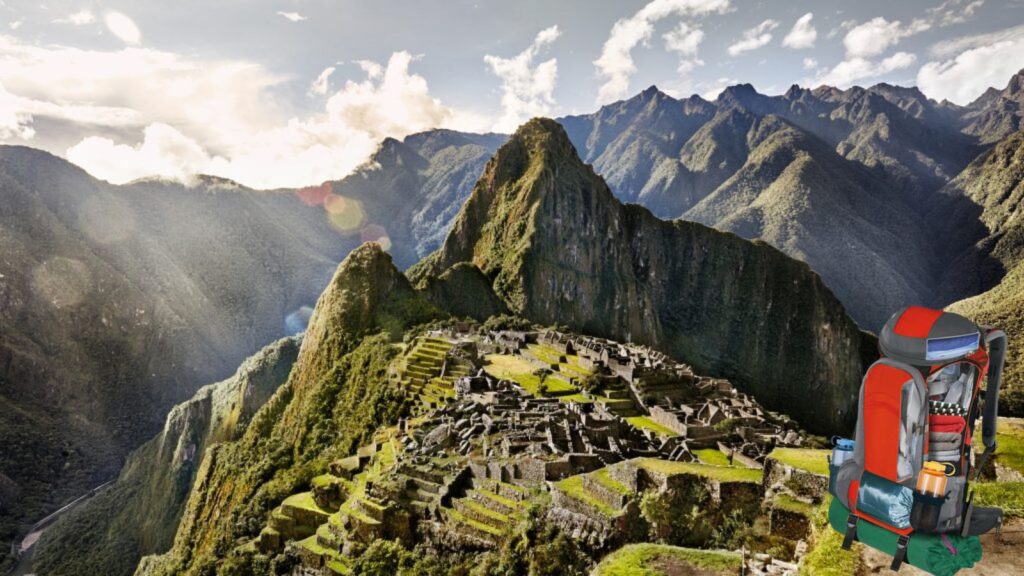
The backpack each Inca Trail participant carries during the hike only needs to include what is used during the walking hours: water, warm clothing, documents, a basic first aid kit, snacks, camera, and headlamp. Camping gear, tents, sleeping pads, and food are carried by porters. However, it is common to see participants on the second day with 10 or 12 kilogram backpacks because they included clothing for every possible scenario, books, full photography gear, and items they will not need on the trail.
Each additional kilogram in the backpack is an extra energy investment in every step during eight hours of hiking. That accumulated cost on the second day, with the altitude of Dead Woman’s Pass and the elevation gain, can make the difference between finishing the day with energy and finishing at your limit.
The solution: Limit your daypack to a maximum of 6 to 8 kilograms. Review its contents the night before each day and remove anything that does not have a specific function for that day. Items needed for the next day that cannot stay at camp can go in the duffel bag carried by porters if the operator allows it.
Mistake 7: not resting enough the day before the second day
The first day of the Inca Trail is the easiest of the route. That leads some groups to use it to walk faster than necessary, explore with more energy than advisable, stay up late at camp chatting, or simply not give nighttime rest the importance it deserves. The consequences are paid with interest on the morning of the second day.
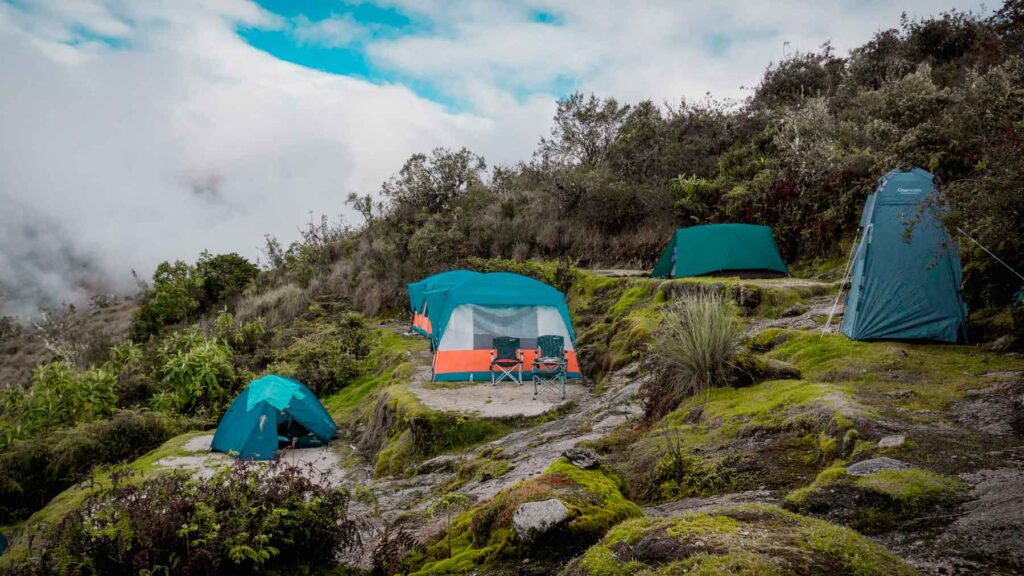
The Wayllabamba camp at the end of the first day is where you should arrive, eat well, prepare gear for the next day, and sleep. It is not the place for a long evening or for exploring until dark. The guide usually communicates this before reaching camp, and participants who follow that advice start the second day in significantly better condition than those who do not.
The solution: Treat the first day as what it is: a warm-up stage preparing your body for the second. Arrive at Wayllabamba camp, eat well, prepare your backpack, and sleep. That night’s rest is as much part of the Inca Trail as any kilometer of the route.
Mistake 8: not bringing cash in soles for the trek
On the Inca Trail there are no ATMs or card payment terminals. Restroom facilities at checkpoints charge one or two soles per use in cash. Some small stands at kilometer 82 and in Aguas Calientes sell emergency items in soles. Tips for the support team at the end of the trek are given in cash. Without soles from the start, these payments become impossible or uncomfortable.
The solution: Bring between 100 and 150 soles in cash from Cusco at the start of the trek, split between coins for restrooms and small bills for tips and minor emergencies. It is better to exchange dollars to soles in Cusco before departure than in Aguas Calientes, where the exchange rate is usually less favorable.
Mistake 9: underestimating nighttime cold at higher altitude camps
The most common equipment mistake on the Inca Trail is not footwear but the sleeping bag. Many people arrive with a summer sleeping bag or one with a comfort rating of 10 or 15 degrees, which is perfectly fine for coastal camping or mild climates, but clearly insufficient for temperatures at Wayllabamba camp at 3,000 meters or Pacaymayo at 3,600 meters, where nighttime temperatures can drop several degrees below zero depending on the season.
A night of intense cold in an insufficient sleeping bag is not just uncomfortable: it directly affects sleep quality, physical condition the next day, and the ability to enjoy the trek. It is one of the factors that most differentiates participants who remember the Inca Trail with satisfaction from those who remember it as something they endured.
The solution: Verify before booking that the sleeping bag provided by the agency has a comfort rating of 0 degrees or lower. If bringing your own, check the EN 13537 certification on the label. If there is any doubt whether the bag is sufficient for expected temperatures, always choose more warmth rather than less.
Mistake 10: not enjoying intermediate archaeological sites due to rushing
This is the quietest mistake of all because it has no physical or logistical consequences, but it does affect the quality of the experience you take away. Many groups pass through Sayacmarca, Phuyupatamarca, and Wiñay Wayna in a hurry because “Machu Picchu is the goal.” What they do not realize at that moment is that these sites are equally extraordinary and have something Machu Picchu can no longer offer: they are almost empty.
Phuyupatamarca with low clouds moving through the Inca structures and no other group in sight is an experience rarely replicated anywhere else in Peru. Wiñay Wayna with its terraces and ceremonial water fountains still flowing deserves more time than most groups give it. Those moments cannot be recovered once you reach Machu Picchu.
The solution: Ask your guide for dedicated time at each archaeological site along the route. Ask about their function and history. Sit in a quiet corner of each site for at least ten minutes and simply observe. The Inca Trail does not end until it ends, and the best moments are not always at the finish.
Do you want to do the Inca Trail with the right preparation and a guide who helps you avoid these mistakes before they happen? At Incredible Peru Tours, we provide a complete briefing before every departure that covers all the points in this guide and many more.


