
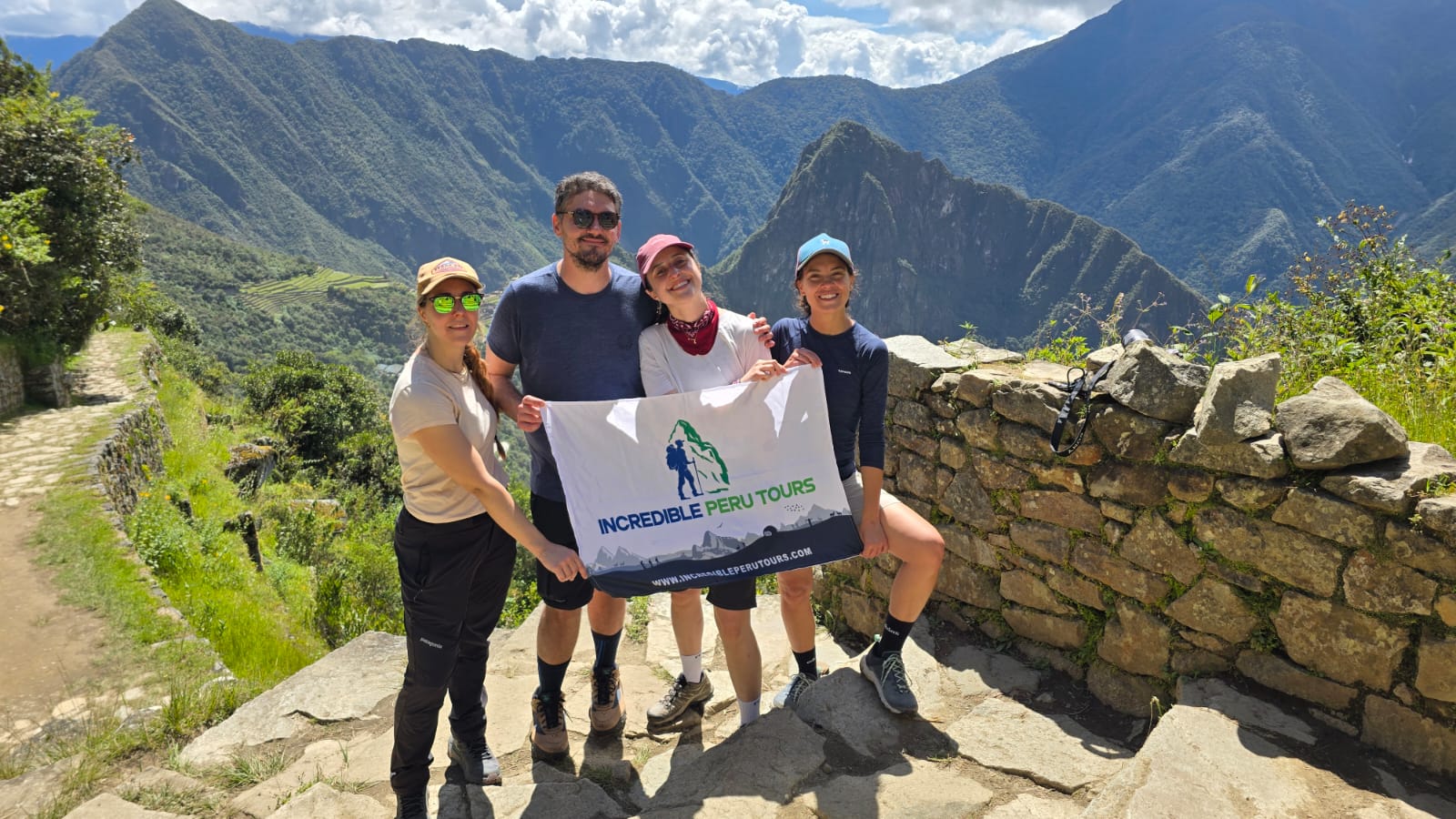
Tipping on the Inca Trail is not a spontaneous gesture of generosity or an optional add-on for those who want to round out the experience. It is a real and important part of the trekking economy for the people who make the journey possible: the porters, the cook, and the lead guide. For many of them, what they receive in tips during the trekking season represents a significant portion of their annual income.
The problem is that most travelers reach the last day of the Inca Trail without knowing exactly who to tip, what the appropriate range is, or how to handle that moment in a way that makes sense for everyone involved. This guide answers those questions clearly and directly.
Who receives tips on the Inca Trail
The support team on any Inca Trail trek includes at least three types of professionals with different roles, and tips are given to each of them separately.
Porters are responsible for carrying the camping equipment tents, sleeping pads, kitchen gear, and food from Kilometer 82 to the final campsite, day after day, under physical conditions that no one in the group experiences. They arrive at camp first, set up the tents, and prepare the space before the group arrives at the end of each day. They are also the least visible during the trek because their work happens before and after what travelers directly see. Tips for porters are the most important in terms of impact on their income.
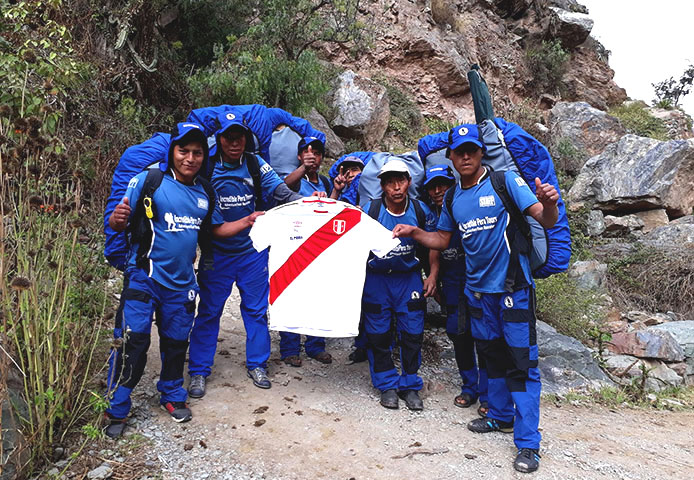
The cook deserves a separate tip, usually slightly higher than that of the porters, because their role combines physical effort with the added responsibility of preparing three quality meals per day in field conditions. A good cook is one of the key factors that turn the trek into a memorable experience rather than a test of endurance, and that recognition should be reflected in the tip.
The lead guide is the certified professional who accompanies the group throughout the four days, manages logistics, provides historical and archaeological context, coordinates the support team, and handles any emergencies or unexpected situations on the trail. Their training, certification, and level of responsibility are higher than the rest of the team, which is reflected in a higher tipping range.
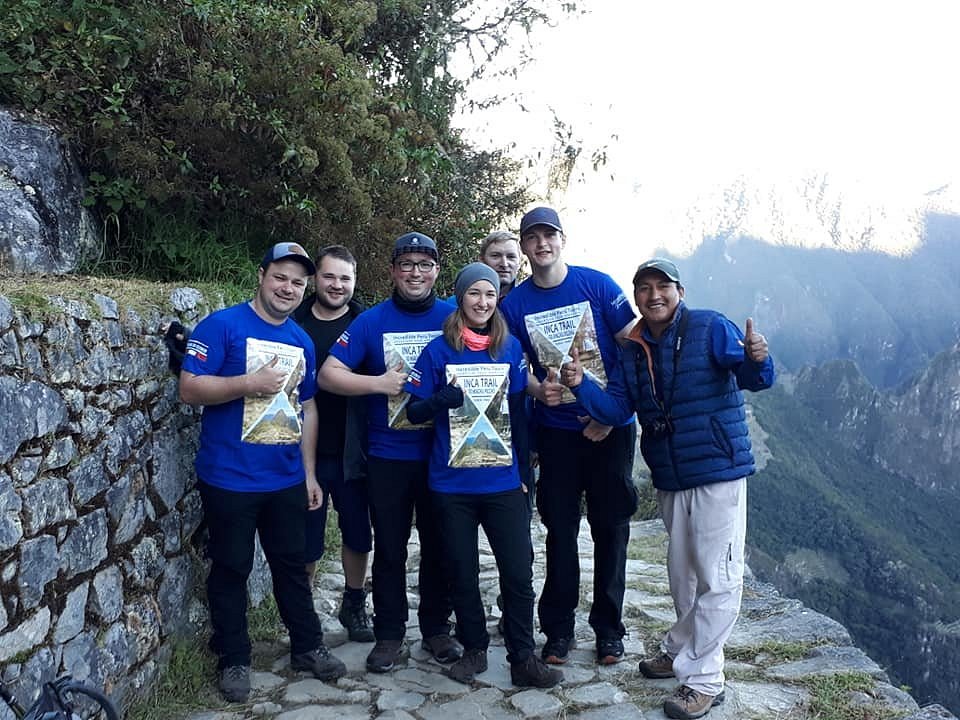
If the group also has an assistant guide common in groups of more than eight people that person should also be tipped, usually in a range between the porter and the lead guide.
How much to tip: suggested ranges by role and duration
The following ranges are commonly recommended by organizations that advocate for porter rights on the Inca Trail and are typically shared by responsible agencies before departure. They are guidelines, not mandatory amounts, and can be adjusted based on your actual experience.
For the Classic 4-day Inca Trail, the usual tipping ranges per traveler are:
- Per porter: between $15 and $25 USD per person in the group for the entire trek. If the group has eight hikers and four porters, each traveler contributes $15–$25, which is then distributed among the four porters.
- For the cook: between $20 and $30 USD per person for the entire trek.
- For the lead guide: between $25 and $40 USD per person for the entire trek.
- For the assistant guide: between $15 and $20 USD per person, when applicable.
For the Short 2-day Inca Trail, the ranges are proportionally lower:
- Per porter: between $8 and $15 USD per person.
- For the cook: between $12 and $20 USD per person.
- For the lead guide: between $15 and $25 USD per person.
These ranges are expressed in U.S. dollars because that is the most commonly used currency for tips in international tourism on the Inca Trail. However, tipping in Peruvian soles is perfectly acceptable and sometimes preferable, since recipients will spend the money locally. If you convert currency, use the current market exchange rate, not airport rates.
When and how to give tips
The usual time to give tips is on the final day of the trek, typically before arriving in Aguas Calientes or at the entrance to Machu Picchu, before the support team boards their return train. Some groups prefer to do it the night before at the last campsite, which allows for a more personal and relaxed moment.
The lead guide usually helps organize this moment. In some groups, the guide collects individual contributions and distributes them to the team. In others, each traveler gives tips directly to each team member. Both methods are valid the important thing is that the tips reach the right people and that the moment reflects proper recognition.
If possible, place tips in individual envelopes labeled with each person’s name or role. This small detail shows that their work was recognized individually rather than as part of a general group payment, and it is often appreciated.
Bring tip money in cash from Cusco. While there are ATMs in Aguas Calientes, availability is not always reliable, and the end of the trek is not the best time to handle that logistics. Preparing envelopes the night before is the most practical approach.
What if the service was not good?
This is a question many travelers have but rarely ask openly. The answer depends on the situation.
If the issue was with the agency poor logistics, inadequate equipment, or miscommunication this should not affect tips for the field team. Porters and cooks are not responsible for the company’s decisions, and their effort remains the same. In that case, tips should be maintained, and complaints directed to the agency.
If the issue was specifically with the guide such as lack of knowledge, poor attitude, or communication problems then it is reasonable to reduce the tip or even withhold it if the impact was significant. Tipping should reflect service quality, not just the existence of service.
Why tipping matters more than it seems
Most Inca Trail porters are Quechua-speaking men from communities in the Sacred Valley and surrounding areas. Their base daily wage is regulated by law, but it is often not enough to support a stable household income. The trekking season from March to January is their main source of income, and tips can represent between 20% and 40% of their annual earnings.
This puts tipping into perspective. It is not arbitrary generosity it is part of a real economic system. Treating it seriously is part of responsible travel in a region where adventure tourism directly impacts local livelihoods.
Frequently asked questions about tipping
Can I tip in dollars or does it have to be in soles? Both are accepted. Dollars can be easily exchanged, but soles are often more convenient for the recipient.
Does the guide distribute tips or do I give them individually? It depends on the group. The guide often organizes a group moment, but you can also give tips individually if you prefer.
What if I don’t have cash? Some groups arrange transfers through the agency, but this requires trust in proper distribution. Cash is always the most direct option.
Is tipping mandatory? There is no legal obligation, but it is a widely expected and economically important practice. Not tipping without a valid reason has real consequences for people with relatively low wages.
Do you want more information about how we handle tipping in our groups? At Incredible Peru Tours, we provide clear guidance before each trek so travelers arrive fully prepared for the final day.


