
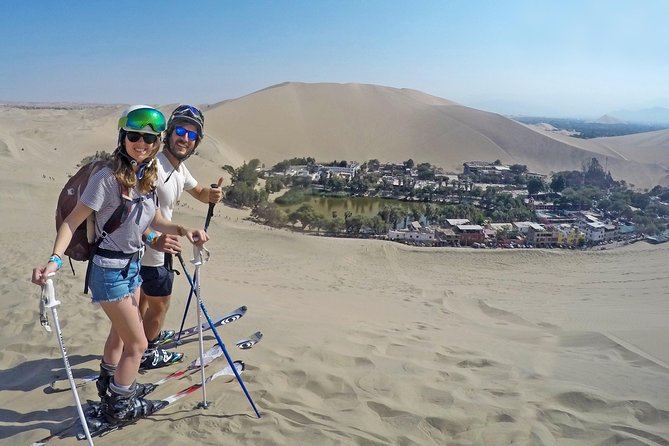
If you’re traveling through southern Peru, one of the first decisions you’ll need to make is where to start: the coast (Paracas, Ica, and Nazca) or the Andes (Cusco, the Sacred Valley, and Puno). The order affects how you adjust to the altitude, how many hours you spend on the road, and which flights make the most sense to book. In this guide, we compare both options, including elevations, approximate travel times, and sample itineraries so you can choose the route that best fits the number of days you have.
The short answer: which route order works best
If you have 12 days or more and want to include the coast, start there and gradually work your way up: Lima, Paracas, Ica, Nazca, Arequipa, Puno, and Cusco. Your body gains altitude little by little, so by the time you reach Cusco, you’re already better acclimated.
If you have limited time or Machu Picchu is your top priority, start in the Andes by flying from Lima to Cusco and spend your first nights in the Sacred Valley, which is about 500 meters lower than the city of Cusco. From there, continue to Puno and Arequipa, and if you still have time, finish your trip on the coast.
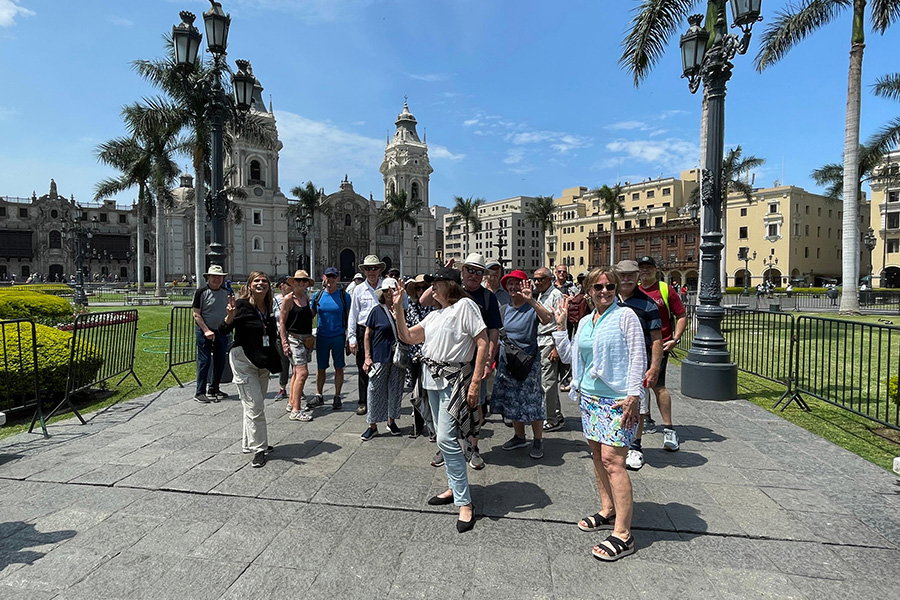
The two ways to travel through southern Peru
Southern Peru works well as a loop. The Pan-American Highway connects Lima with Paracas, Ica, and Nazca; from Nazca, the road climbs toward Arequipa, and from there the route continues through the Colca region and the highlands to Puno and Cusco. You can travel the circuit in either direction, and each option has its own logic.
From the coast to the Andes: a gradual climb
You leave Lima by land, travel through the coastal desert, and gradually gain elevation in stages: Arequipa sits at 2,335 meters above sea level, the Colca region rises above 3,600 meters, and Puno is at 3,827 meters. By the time you arrive in Cusco at 3,399 meters, you’ve already spent several days above 3,000 meters, which can help you enjoy the city and Machu Picchu with more energy.
The main drawback is the amount of time spent on the road. The trip from Nazca to Arequipa takes about 9 to 10 hours by bus, and most travelers do it overnight. You also leave the best-known part of the trip until the end, when accumulated travel fatigue may start to set in.
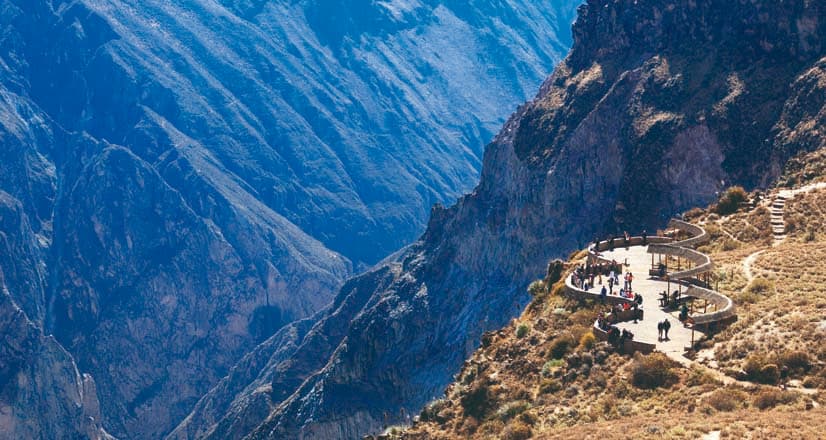
From the Andes to the coast: starting in Cusco
You fly from Lima to Cusco, a flight of around 1 hour and 20 minutes, and travel down to the Sacred Valley the same day, to an elevation of about 2,870 meters in Urubamba. From there, you visit Machu Picchu at 2,430 meters, return to Cusco, and continue to Puno, the Colca region, and Arequipa. You can finish the trip on the coast, where the lower elevation and warmer temperatures make for a more relaxing ending.
The disadvantage is the sudden change in altitude: you go from sea level to more than 2,800 meters in just a few hours. That’s why your first two days should be easy-paced, without long hikes or demanding activities.
Elevation at each stop along the route
This table helps you see how the elevation rises and falls depending on the order you choose. The figures are approximate and refer to the city or main point of interest.
| Destination | Approximate elevation |
|---|---|
| Lima and Paracas | Sea level |
| Ica and Huacachina | 406 m above sea level |
| Nazca | 520 m above sea level |
| Arequipa | 2,335 m above sea level |
| Chivay (Colca Canyon) | 3,635 m above sea level |
| Patapampa Viewpoint (between Arequipa and Colca) | 4,910 m above sea level |
| Puno and Lake Titicaca | 3,827 m above sea level |
| Cusco | 3,399 m above sea level |
| Urubamba (Sacred Valley) | 2,870 m above sea level |
| Machu Picchu | 2,430 m above sea level |
If you have a heart or respiratory condition, or if you are pregnant, consult your doctor before deciding on the order of your route. Altitude acclimatization varies greatly from person to person.
Coast first or Andes first: comparison
| Factor | Coast first | Andes first |
|---|---|---|
| Altitude acclimatization | Gradual, in several stages | Sudden, so you need easier days at the beginning |
| Recommended trip length | 14 to 16 days | 8 to 12 days (more if you add the coast) |
| Time spent on buses | More, especially from Nazca to Arequipa | Less, and you can finish with a flight from Arequipa |
| Machu Picchu | Near the end of the trip | During the first few days |
| End of the trip | In Cusco, followed by a flight to Lima | In Arequipa or on the coast, with warmer weather |
| Best suited for | Travelers with enough time who want to see both the desert and the highlands | Travelers with fewer days or those prioritizing Machu Picchu |
Not sure which option fits your trip? At Incredible Peru Tours, we design your southern Peru itinerary around your travel dates, preferred pace, and available entrance tickets.
What determines the order of your route
How many days you have
With fewer than 10 days, including the coast by land means spending too many hours on buses. In that case, it makes more sense to focus on the Andes or choose only Paracas as a short side trip from Lima. With two weeks or more, the complete circuit starting on the coast makes more sense.
The time of year
In the Andes, the dry season runs from May through October, while the rainy season generally runs from November or December through March. The Inca Trail closes throughout February for maintenance. Along the southern coast, the climate is dry and desert-like almost year-round, while Lima shifts from a sunny summer between December and March to a gray and humid winter from June through September.
If you’re traveling during the rainy season, starting on the coast allows you to leave Cusco until late March or April, when rainfall is generally decreasing.
The date of your Machu Picchu ticket
Tickets are limited and may sell out weeks or months in advance during high season. In many cases, the available date determines the rest of your itinerary: if you can only get a ticket for your third or fourth day in Peru, starting in the Andes may become the most practical option. We explain how to prioritize your purchases in our guide on what to book first for a trip to Peru.
Where you enter and leave the country
Most international flights arrive in and depart from Lima. If you’re completing the full circuit, consider booking a one-way domestic flight, such as Lima to Cusco or Arequipa to Lima, so you don’t repeat sections of the route. This helps you avoid backtracking by road.
Sample itineraries based on the number of days you have
15 days from Lima to Cusco via the coast
- Day 1: arrive in Lima.
- Day 2: bus to Paracas (3.5 to 4 hours) and afternoon at the National Reserve.
- Day 3: Ballestas Islands in the morning, when the sea is usually calmer, followed by a transfer to Huacachina (about 1 hour).
- Day 4: Nazca and a flight over the Nazca Lines; overnight bus to Arequipa.
- Days 5 and 6: Arequipa and the Santa Catalina Monastery.
- Days 7 and 8: Colca Canyon and continue to Puno.
- Day 9: Lake Titicaca (Uros and Taquile).
- Day 10: sightseeing bus from Puno to Cusco with stops along the way (about 10 hours).
- Days 11 to 14: Cusco, the Sacred Valley, and Machu Picchu.
- Day 15: flight from Cusco to Lima.
12 days starting in Cusco and ending in Arequipa
- Day 1: arrive in Lima.
- Days 2 and 3: fly to Cusco and transfer directly to the Sacred Valley.
- Day 4: Machu Picchu.
- Days 5 and 6: Cusco.
- Day 7: bus from Cusco to Puno (7 hours on a direct service).
- Day 8: Lake Titicaca.
- Days 9 and 10: travel from Puno to Colca, visit the Cruz del Cóndor viewpoint, and arrive in Arequipa.
- Day 11: Arequipa.
- Day 12: flight from Arequipa to Lima (about 1 hour and 30 minutes).
If you have extra days, you can add Paracas at the end by taking a bus from Lima. It’s a good way to finish the trip at a lower elevation and in warmer weather.
8 days in the Andes only
With only one week, save the coast for another trip. Fly to Cusco, spend two nights in the Sacred Valley, visit Machu Picchu, dedicate two days to Cusco, and finish with two nights in Puno to explore Lake Titicaca. Your return flight to Lima departs from Juliaca, about 45 kilometers from Puno.
Where Arequipa, Colca, and Lake Titicaca fit into the route
These three destinations form the link between the coast and Cusco, and the most efficient way to visit them is in sequence. Colca lies along the route between Arequipa and Puno, so you can take a two-day tour that starts in Arequipa and ends in Puno, or vice versa, without returning to your starting point.
On the route from Arequipa to Colca, you cross the Patapampa Viewpoint at nearly 4,910 meters above sea level. If you’re coming from the coast, spend at least two nights in Arequipa before traveling higher. To see travel times and transportation options for each leg, check out our guide on how to get around southern Peru.
Frequently asked questions about planning the route
Is it better to start the trip in Lima or fly directly to Cusco?
It depends on how many days you have. If you have two weeks, starting in Lima and traveling along the coast gives you a more gradual adjustment to the altitude. If you have one week, flying to Cusco and going directly to the Sacred Valley saves time.
Can I travel from Nazca to Cusco without going through Arequipa?
Yes. There are direct buses via Abancay that take about 13 to 15 hours. The road climbs above 4,000 meters in just a few hours, so it may not be the best option if you haven’t yet acclimated to the altitude.
How many days do I need to combine the coast and the Andes?
Ideally, allow 14 to 16 days to visit Paracas, Ica, Nazca, Arequipa, Colca, Puno, Cusco, and Machu Picchu without rushing.
Can I visit Lake Titicaca as a day trip from Cusco?
It’s not practical. Puno is about 7 hours from Cusco by road, so you’ll need to spend at least one night in Puno to visit the lake at a comfortable pace.
Is it a good idea to finish the trip on the coast?
Yes, especially if you start in the Andes. Finishing in Paracas or Arequipa allows you to rest at a lower elevation before your international flight.
Plan your southern Peru itinerary with us
At Incredible Peru Tours, we’re a travel agency based in Cusco. We help you decide the best order for your trip, book bus, train, and flight connections, and secure your Machu Picchu tickets for the date that best fits your itinerary. Tell us how many days you have and what you want to see, and we’ll send you a proposal with no obligation.


