
Puno sits at more than 12,500 feet (3,800 meters) above sea level. Lake Titicaca is at a similar elevation. Travelers arriving from Lima, Arequipa, or even Cusco often feel the change within the first few hours: breathing feels harder, the heart beats faster, the head feels heavy, and sleep may not come as easily. That does not mean the trip is ruined. It simply means your body needs time.
What Is Altitude Sickness in Puno?
Altitude sickness, known locally as soroche, can appear when you ascend quickly and your body has not yet adapted to the lower oxygen levels. In Puno, it is common during the first night. Symptoms may include headache, shortness of breath while walking, nausea, loss of appetite, and insomnia. In a small number of cases, fever or confusion may occur. If that happens, stop what you are doing and seek medical help.
How to Acclimatize from Your First Night
The best approach starts before you even get off the bus or plane. If your itinerary allows it, do not schedule Uros and Taquile for the same day you arrive. A quiet day in the city can make a big difference for the rest of your trip. Walk only a little, eat light meals, drink water, and go to bed early. Your body adjusts better when it is not being asked to climb stairs, spend hours in the sun, and sit on a boat all at the same time.
Staying Hydrated While Acclimatizing
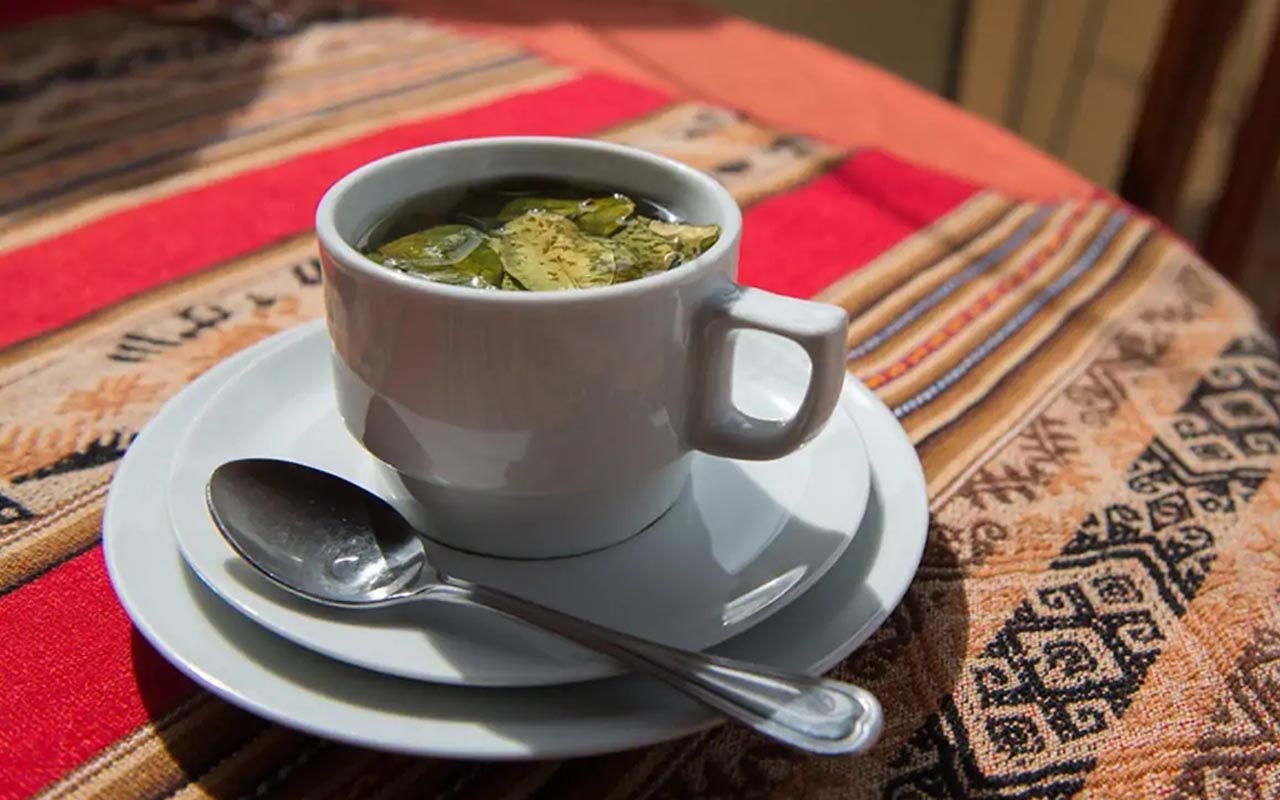
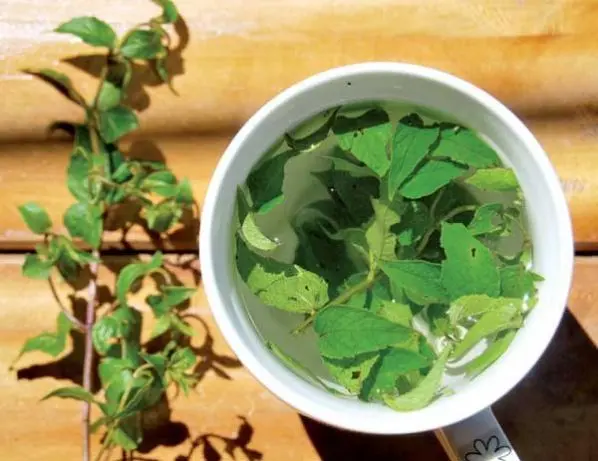
Hydration matters more than many travelers expect. At high altitude, you can lose fluids more quickly, and you may not always feel thirsty. Sip water throughout the day. Avoid alcohol on your first night and be cautious with coffee. Coca tea helps many people, as does muña tea. They are not miracle remedies, but they may help settle the stomach and make the first hours at altitude feel more manageable.
What to Eat During Your First Hours in Puno
Eat without putting too much strain on your stomach. In Puno, common options include trout, soup, potatoes, and quinoa. Start with small portions. Heavy dinners and greasy foods often do not sit well while your body is still adjusting to the altitude. If you are not hungry, do not force yourself to eat. In most cases, your appetite returns the next day.
How to Rest on Your First Night
Sleep during the first night may be short or restless. That is common. Ventilate the room if your hotel allows it, avoid using too many pillows, and do not go to bed immediately after a large meal. If your headache does not improve, a simple pain reliever may help. Do not self-medicate with altitude sickness pills without consulting a medical professional first, especially if you have high blood pressure, heart problems, or are pregnant.
What to Wear for Puno’s Climate
Clothing also makes a difference. Puno gets cold as soon as the sun goes down. Spending a cold night without enough layers can make you feel worse. Bring a thermal base layer, a fleece, and a windbreaker. During the day, the sun can be very strong. A hat and sunscreen help protect you and keep your body from working harder than necessary.
How to Know If You Are Ready to Visit Lake Titicaca
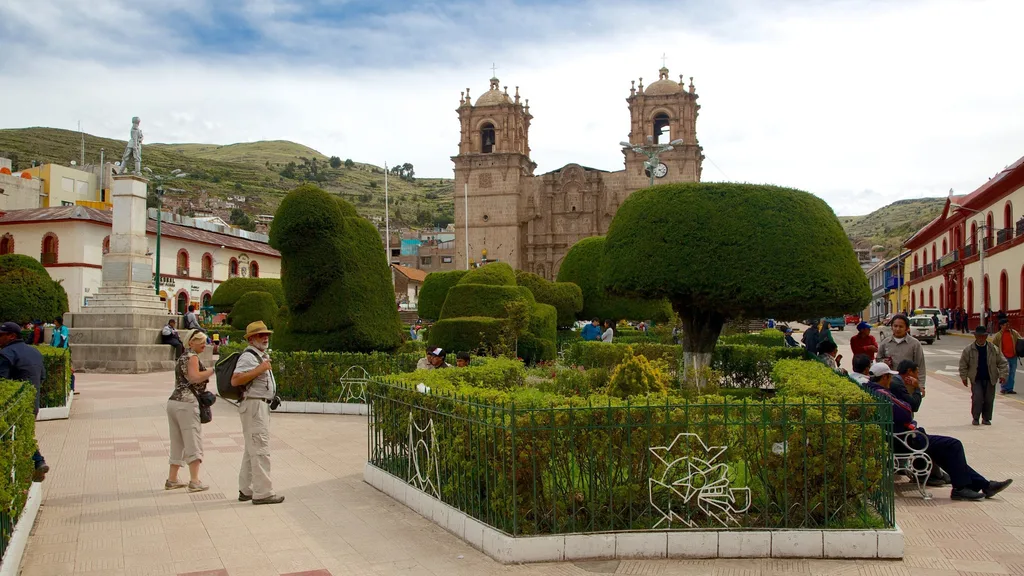
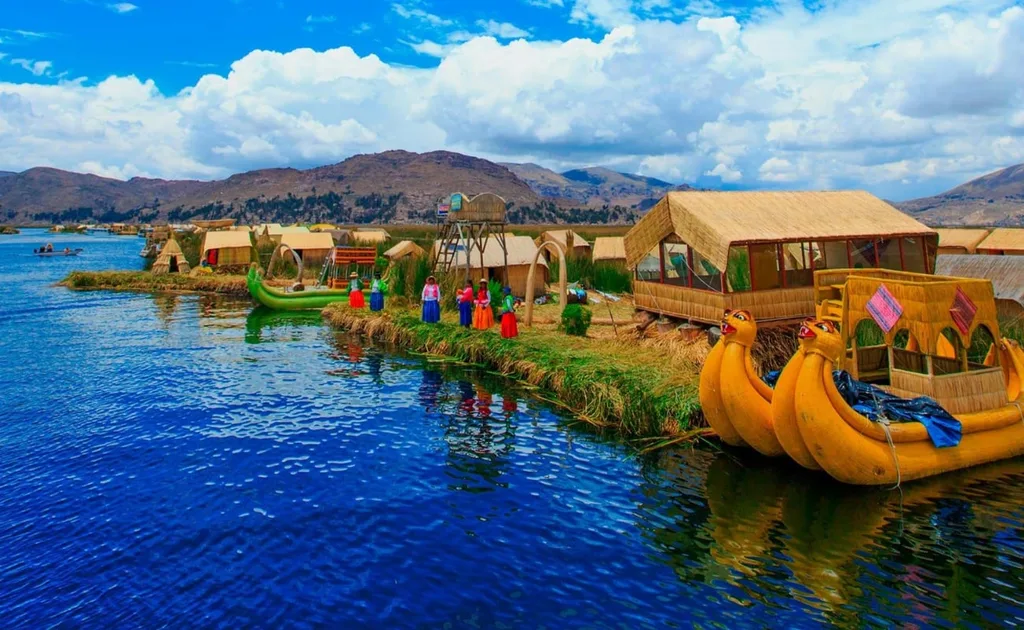
The next day, see how your body responds. A short walk around the main square or along the waterfront is enough to tell whether you are ready to head out onto the lake. If walking uphill for a couple of blocks leaves you unusually short of breath or your headache becomes intense, stay in town. Lake Titicaca is not going anywhere. Uros and Taquile are much more enjoyable when you can walk around Taquile without struggling with every step.
Does the Altitude Feel the Same If You Arrive from Cusco?
Travelers arriving from sea level usually feel the change more than those who have already spent time in Cusco. Even so, being acclimatized in Cusco does not guarantee that you will feel fine in Puno. Some travelers feel well in the Sacred Valley but become lightheaded in Puno. Every body reacts differently. That is why your itinerary should include some flexibility: an extra day in Puno is better than forcing yourself through a tour when you do not feel well.
How We Organize Lake Titicaca Tours
At Incredible Peru Tours, we plan Lake Titicaca excursions with altitude in mind. If you arrive at night, we schedule the excursion for the following day. If you are experiencing discomfort, we can adjust the schedule or slow down the pace. Our guides know the warning signs and will not push anyone who is not ready to continue climbing.
Acclimatizing Well to Enjoy Puno and Lake Titicaca
Puno and Lake Titicaca require a slower pace during the first few hours. Water, simple food, warm clothing, and an unhurried first night are often enough to help you feel better the next day, when the lake can be enjoyed the way it should be: wide, calm, and ready to explore. Let us know how you are arriving and where you are coming from. We can help coordinate your first night so the rest of your trip is spent exploring rather than recovering.


