
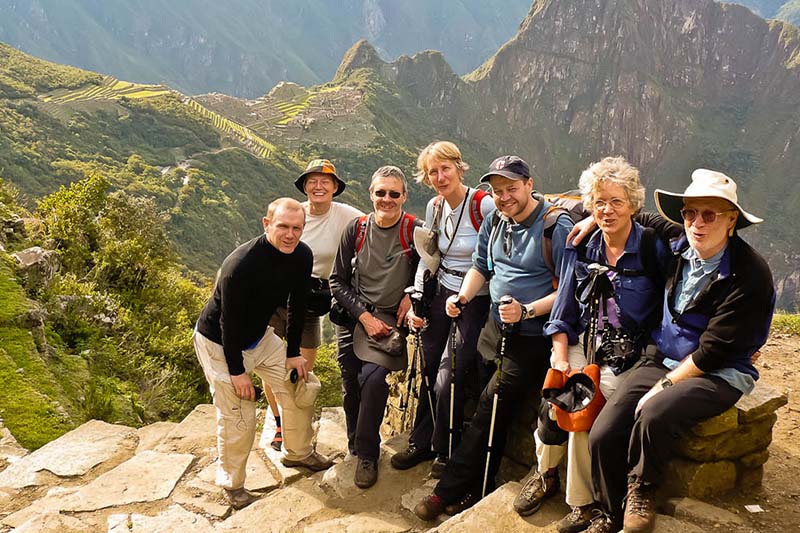
Southern Peru can be explored at age 65, 70, or even 80 if the trip is planned at a comfortable pace. Age itself is not usually what makes the journey difficult. What is most exhausting is getting off a flight, suddenly going above 3,000 meters, and taking a long tour on the same day.
Altitude: where you feel it and how to organize your days
- Lima, Paracas, and Ica are at or near sea level. Altitude sickness is not an issue there.
- Arequipa is at 2,300 meters. It is a good first step for acclimatization.
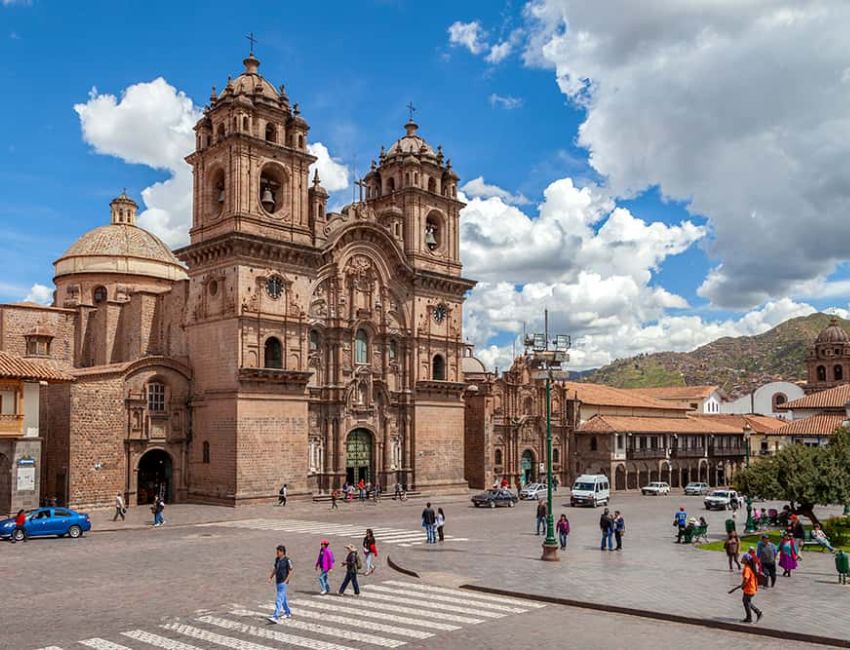
- Cusco is at 3,300 meters.
- Puno and Lake Titicaca are at 3,800 meters. This part of the trip can feel much harder if you arrive directly from the coast.
- The Cruz del Cóndor viewpoint is close to 4,000 meters. The visit is brief, but the thin air is noticeable.
Recommended order:
Lima or Paracas first, followed by Arequipa with at least two nights, then Colca with an overnight stay in Chivay, followed by Cusco with two relaxed nights before Machu Picchu, and Puno at the end. Not at the beginning.
Flying from Lima to Puno on the first day and heading out to the lake that same afternoon is not recommended. That kind of schedule often leaves travelers exhausted for the following days.
During the first 48 hours in the highlands: walk slowly, eat light meals, drink plenty of water, and avoid climbing steep streets just to “see how you feel.” Coca tea works well for some people, but it does not replace rest. If you have high blood pressure or heart or lung conditions, talk to your doctor before buying your tickets.
A daily pace that is easier to manage
One full-day tour can be manageable. Two consecutive days starting at 5:00 a.m. usually are not.
A practical schedule:
One travel day between cities, arriving at the hotel before 4:00 p.m.
One sightseeing day with hotel pickup around 7:30 or 8:00 a.m., rather than before sunrise.
Half a free day after Colca or after Puno.
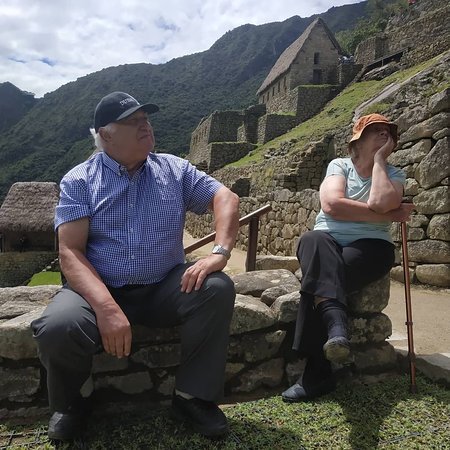
For Machu Picchu: take the train and choose a short or moderate circuit. There is no need to climb Huayna Picchu or Machu Picchu Mountain. The bus from Aguas Calientes to the entrance avoids the uphill walk. The most suitable circuit should be considered when booking the entrance ticket, since not all routes involve the same number of stairs.
In Colca, the departure to see the condors is early and the mornings are cold. Bring proper warm clothing. If an early-morning outing is not suitable, the canyon can also be enjoyed from Chivay or Yanque.
At Lake Titicaca, a half-day visit to the Uros Islands or another nearby island may be enough. Taquile involves the pier, a boat ride, and an uphill walk. For many older travelers, that can be too demanding.
Transportation between cities
Distances are long. You can feel them in your back and knees.
Lima to Paracas: about 4 hours by road. It is a manageable trip if you stop every couple of hours.
Paracas to Ica: a short transfer.
Ica to Arequipa by road: a full day. It is better to sleep in a hotel afterward. An overnight bus is not a good choice if you have trouble sleeping while seated or experience back pain.
Arequipa to Puno, or Cusco to Puno: between 6 and 10 hours. A tourist bus with stops can be manageable. Flying, if schedules and budget allow, can make the journey much easier.
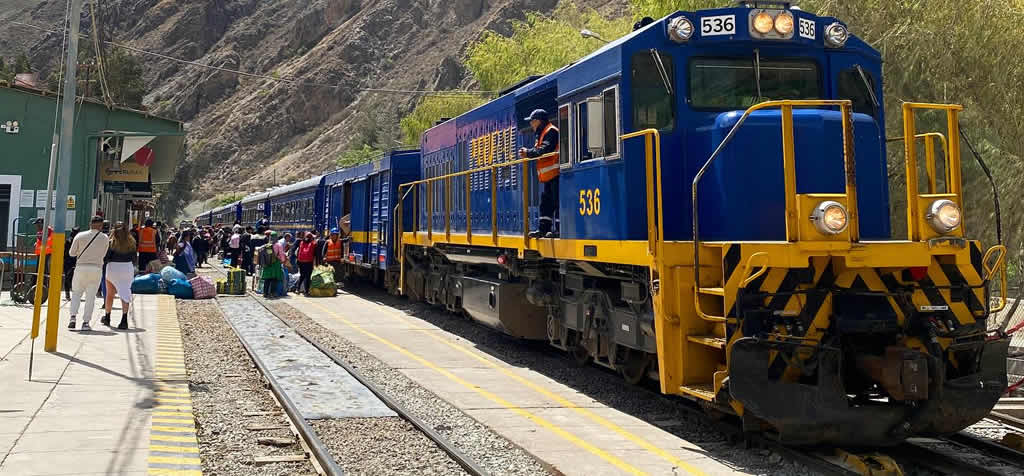
Cusco to Machu Picchu: by train. This is the most comfortable section. A morning departure is usually better than taking the earliest train of the day.
For luggage: let someone else carry it upstairs. In Cusco and Arequipa, look for hotels with elevators. Being “two blocks from the main square” in Cusco can sometimes mean a steep cobblestone street.
What to include and what to leave out
Good options
A short city tour in Lima.
The Ballestas Islands, without adding swimming or long walks in the dunes.
Exploring Arequipa on foot in flatter areas, with breaks at the monastery.
The Sacred Valley by car, with two or three stops rather than five sites in a single day.
Machu Picchu by train and bus.
Better to avoid, unless the traveler is already comfortable walking at high altitude
The Classic Inca Trail, Salkantay Trek, Rainbow Mountain as a day trip from Cusco, and the long descent to the bottom of Colca Canyon.
Rainbow Mountain is sometimes presented as an easy hike. In practice, the altitude is very high, temperatures can be cold, and the trail surface can be loose. For this type of trip, it is often not a good choice.
Health and small details that help avoid problems
Travel insurance that covers high-altitude activities.
Keep medications in your carry-on bag, not in checked luggage.
Bring sunscreen and sunglasses: in Puno, the sun can be intense even when the wind feels cold.
If you need a walking cane, make sure it has a rubber tip. Metal tips are not allowed at Machu Picchu.
Carry 1- and 2-sol coins for restrooms along the road.
Cusco and Puno have clinics with oxygen. Do not buy loose pills from strangers at bus or train stations.
If two older adults are traveling on their own, a private transfer from the airport to the hotel can be more valuable than spending extra on dinner. At night, with cold weather and luggage, getting into a taxi without clear information can become one of the weakest points of the trip.
How to spread out 10 to 13 days without feeling exhausted
Days 1 to 3: coast. Give your body time to arrive and rest.
Days 4 to 6: Arequipa and Colca, with an additional night if necessary.
Days 7 to 10: Cusco, Sacred Valley, and Machu Picchu. Do not visit the citadel on the same day you arrive by plane.
Days 11 to 13: a short stay in Puno, or fly out from Cusco if Lake Titicaca feels like too much.
One extra hotel night costs less than dealing with altitude sickness that disrupts the rest of the trip.
If you want an itinerary already organized with hotel stays, gradual travel from the coast to the highlands, and Machu Picchu without demanding hikes, take a look at this 13-day tour through the coast, Colca, Lake Titicaca, and Machu Picchu and request later departure times on the highest-altitude days.


