The Salkantay Trek doesn’t require you to be an athlete, but you do need to prepare your legs, lungs, and knees for several consecutive days of hiking. The good news is that with two months of consistent training, you’ll notice the difference from your very first day on the trail. In this guide, we’ll walk you through a week-by-week training plan, the most useful exercises, and the fitness tests you should complete before traveling to Cusco.
What You’re Training For
Effective training starts with understanding the physical demands of the trek. On the Salkantay Trail, you’ll face three main challenges:
- High-altitude climbing: Salkantay Pass rises above 15,090 feet (4,600 m), where there’s less oxygen available and every step feels more demanding.
- Long descents: After crossing the pass, you’ll descend for hours toward the cloud forest. This downhill section puts the greatest strain on your knees and quadriceps.
- Consecutive hiking days: This isn’t a single-day hike. Your legs need to recover from one day to the next.
If you’d like to learn what each day involves and which section is the most challenging, check out our guide to Salkantay Trek difficulty. Here, we’ll focus on how to prepare physically.
How Many Weeks of Training Do You Need Based on Your Fitness Level?
| Your Starting Point | Recommended Training Time | Main Focus |
|---|---|---|
| You don’t exercise regularly | 10–12 weeks | Build a walking routine, then add strength training |
| You exercise once or twice a week | 8 weeks | Increase hiking duration and practice downhill walking |
| You regularly run, cycle, or play sports | 4–6 weeks | Long hikes with a backpack and leg strength training |
The training plan below is designed to last eight weeks. If you’re starting from scratch, repeat the first two weeks before moving forward.
Week-by-Week Salkantay Trek Training Plan
| Weeks | Cardio | Strength Training | Long Weekend Hike |
|---|---|---|---|
| 1 and 2 | 3 sessions of 30–40 minutes of brisk walking or cycling | 2 bodyweight sessions focused on legs and core | 2 hours on hilly terrain |
| 3 and 4 | 3 sessions of 45 minutes, including stairs or hills | 2 sessions with light weights | 3 hours with a backpack weighing 9–11 lbs (4–5 kg) |
| 5 and 6 | 3–4 sessions of 45–60 minutes with intervals | 2 sessions emphasizing downhill control | 4–5 hours with a backpack weighing 11–13 lbs (5–6 kg) |
| 7 | 3 sessions of 60 minutes | 2 sessions | Two consecutive days of 4–5 hours of hiking |
| 8 | 2 easy sessions of 30 minutes | 1 light session | A short 2-hour hike to test your gear |
Reduce your training intensity during the final week so you arrive in Cusco well rested.
Cardio: Building Endurance for the Climb to Salkantay Pass
Brisk walking, cycling, swimming, and light jogging are all effective options. What matters most is consistency. Starting in Week 5, include interval training: three minutes at a challenging pace followed by two minutes at an easy pace, repeated several times. This is similar to what you’ll experience while climbing toward Salkantay Pass, where demanding sections alternate with short breaks.
Strength Training: Legs and Core
Strong legs help you hike with less effort and support your knees. Your core muscles, including your abdominals and lower back, provide stability when carrying a backpack and walking on uneven terrain.
Long Hikes With a Backpack
No gym workout can fully replace spending several hours hiking outdoors. Look for hills, parks with elevation changes, or hiking trails near your city. Carry the backpack you’ll use on the Salkantay Trek with approximately the same weight you expect to carry on the trail, and wear the same hiking boots.
The Best Exercises to Prepare for the Salkantay Trek
You don’t need a complicated workout routine. These exercises, performed twice a week, cover the essentials:
- Squats: 3 sets of 12–15 repetitions. Strengthen your quadriceps and glutes for uphill climbs.
- Forward and reverse lunges: 3 sets of 10 repetitions per leg. Mimic the movement of climbing stone steps.
- Step-ups onto a bench or step: 3 sets of 12 repetitions per leg. Add a backpack starting in Week 3.
- Slow step-downs: Lower yourself over three seconds while keeping your knee controlled. This is one of the most useful exercises for preparing for the descent after Salkantay Pass.
- Calf raises: 3 sets of 20 repetitions. Help strengthen your calves for long climbs and may reduce muscle fatigue.
- Front and side planks: 3 sets of 30–45 seconds. Improve core stability while carrying a backpack.
If you have an injury or experience knee or back pain, consult a physical therapist to adapt these exercises to your needs.
How to Train if You Live at Sea Level
You can’t replicate high-altitude conditions in your hometown, but you can improve your cardiovascular fitness, which will help. Climbing stairs, walking up hills, and doing interval workouts are some of your best training options.
What really makes a difference is acclimatization. Arrive in Cusco, located at approximately 11,155 feet (3,400 m) above sea level, at least two days before starting the trek. No amount of physical training can replace the time your body needs to adjust to the altitude.
Test Your Hiking Gear During Training
Training is also an opportunity to identify potential gear problems before your trip. Use your longer hikes to:
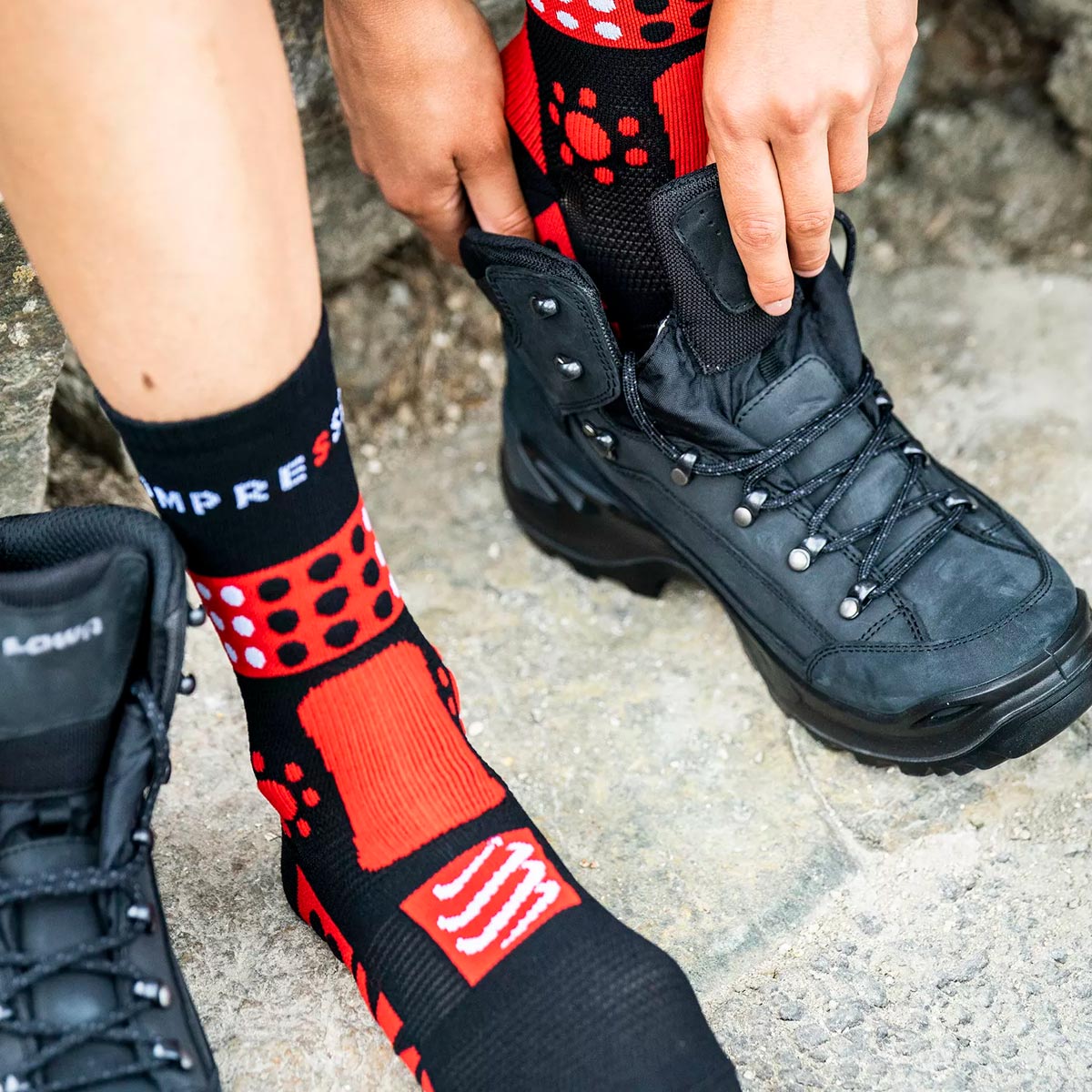
- Break in your new hiking boots. Wearing brand-new boots on the trek is one of the most common causes of blisters.
- Adjust your backpack and check whether it rubs against your shoulders or hips.
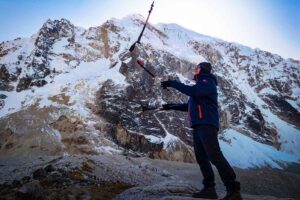
- Get comfortable using trekking poles, which can be especially helpful on downhill sections.
- Test the hiking socks and quick-drying clothing you plan to bring.
What to Do During Your First Days in Cusco
Once you arrive in Cusco, stop doing intense workouts. Your body is already working to adjust to the altitude. Take easy walks around the city, get plenty of sleep, stay hydrated, and eat light meals. A relaxed half-day walk to a nearby attraction is enough to keep your legs moving without exhausting yourself.
Signs You Should Adjust Your Training Plan
Two or three weeks before your trip, try this fitness test: hike for four to five hours with your loaded backpack on terrain that includes both uphill and downhill sections. If you can go for another walk the following day without significant pain, you’re on the right track.
If you finish completely exhausted or experience knee pain, don’t ignore it. You have three options: extend your training period, choose a longer Salkantay Trek itinerary that spreads the physical effort over more days, or talk to your tour operator about support services, such as horseback assistance on the highest sections.
Frequently Asked Questions About Training for the Salkantay Trek
Can I Do the Salkantay Trek Without Training?
Many travelers complete the trek without a formal training plan, but they often find it much more physically demanding. With a few weeks of preparation, you’ll be able to enjoy the scenery instead of counting every step.
How Far in Advance Should I Start Training?
Ideally, start training eight weeks before your trip. If you don’t exercise regularly, begin 10–12 weeks in advance.
Is Working Out at the Gym Enough?
Gym workouts help, but they’re not enough on their own. Combine strength training with long hikes on real trails, carrying a backpack and wearing the boots you’ll use during the trek.
What Should I Do if I Have Knee Problems?
Consult your doctor or physical therapist, strengthen your quadriceps, and practice controlled downhill movements. Use trekking poles throughout the trek, especially during descents.
Should I Stop Training Before My Trip?
Yes. Reduce your training intensity during the final week so you arrive well rested. Once you’re in Cusco, stick to easy walks while your body acclimatizes.
Arrive Prepared and Enjoy Every Day on the Trail
Eight weeks of consistent training can help turn the Salkantay Trek into a rewarding adventure rather than a physical challenge you simply want to finish. Start with regular walks, add strength training, test your gear, and allow enough time to acclimatize in Cusco. Once you’ve chosen your travel dates, explore our 5-Day Salkantay Trek to Machu Picchu and book in advance.