
Humantay Lake is located at 14,108 feet (4,300 meters) above sea level, and Rainbow Mountain reaches an even higher elevation. If you arrive from a city at sea level and ascend too quickly, you are very likely to experience altitude sickness, locally known as soroche. Symptoms may include headaches, fatigue, nausea, or shortness of breath. The good news is that acclimatizing properly is simple as long as you give your body enough time. Here, we explain how to do it step by step.
Why Acclimatization Is So Important
At higher elevations, less oxygen is available in the air. Your body needs time to adapt to these conditions. If you skip this process and travel directly to 14,108 feet (4,300 meters) above sea level, you risk feeling unwell on the very day you want to enjoy the most. Acclimatization is not a luxury; it can make the difference between a memorable trip and one affected by altitude sickness.
Arrive in Cusco Ahead of Time
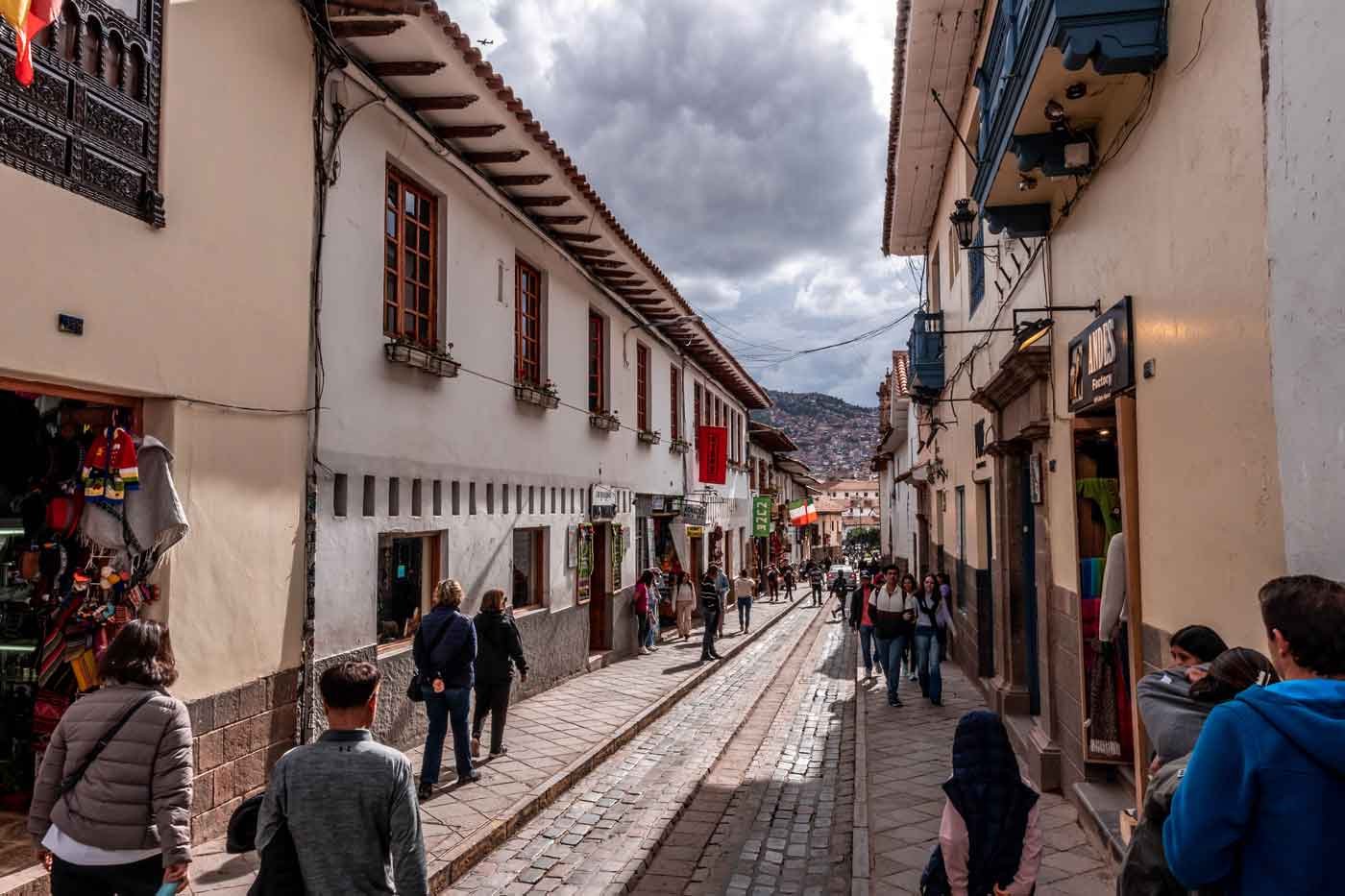
This is the most important recommendation: arrive in Cusco at least one or two days before your hike. The city is already located at approximately 11,152 feet (3,400 meters) above sea level, so spending time here helps prepare your body for the higher elevations you will encounter during the tour.
Ideally, schedule Humantay Lake and Rainbow Mountain toward the end of your stay rather than on your first day. Use your first few days in Cusco for less demanding activities, and save the high-altitude hikes until your body has had time to adjust.
Take It Easy During Your First Few Days
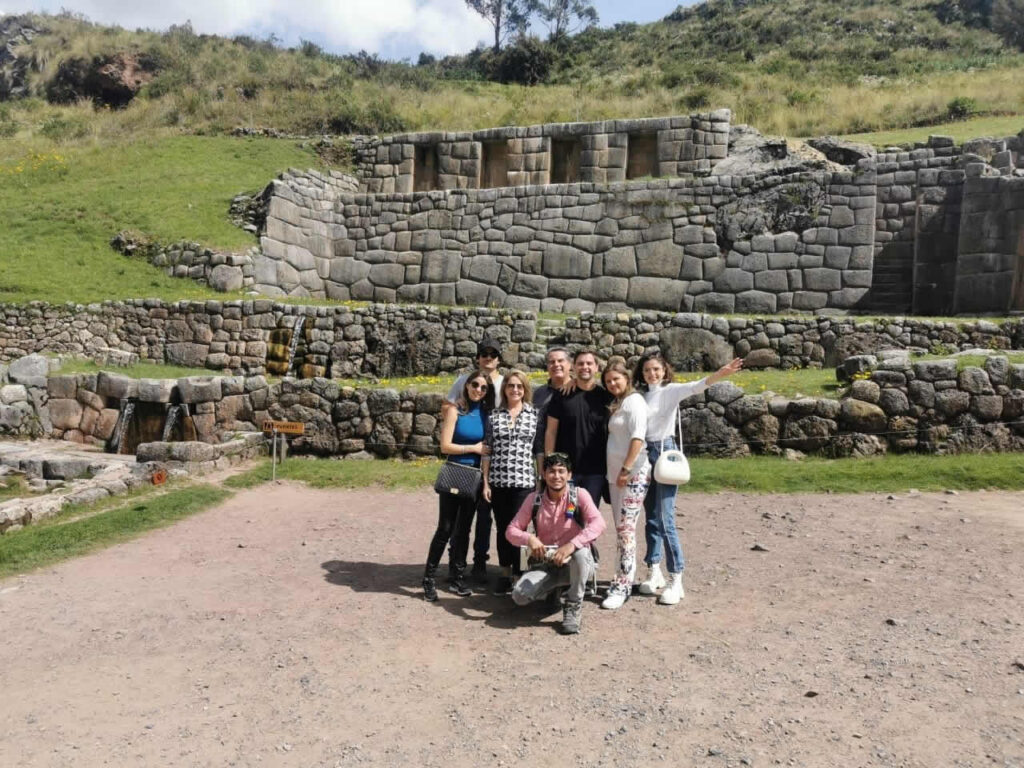
During your first 24 to 48 hours in Cusco, avoid intense physical activity. Do not run, carry heavy items, or rush up stairs. Walk slowly and rest whenever you need to.
Many travelers arrive feeling energetic and want to explore everything on their first day, but doing too much can make the acclimatization process more difficult. Give your body the time it needs to adjust.
Stay Well Hydrated
Drink more water than usual because your body can become dehydrated more quickly at high elevations. Staying hydrated can support the acclimatization process and may help reduce some symptoms of altitude sickness. Always keep a bottle of water with you and drink regularly, even when you do not feel thirsty.
Be Careful About What You Eat and Drink
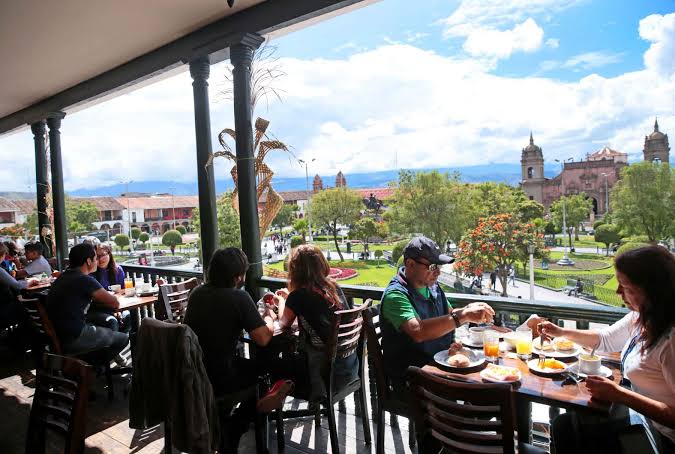
During your first few days, it is best to eat light meals. Avoid very heavy or large meals, especially at night, because they can be more difficult to digest at high elevations.
You should also limit alcohol while acclimatizing because it can worsen symptoms and contribute to dehydration. Save the celebrations until after your hikes.
Consider Traditional Local Remedies
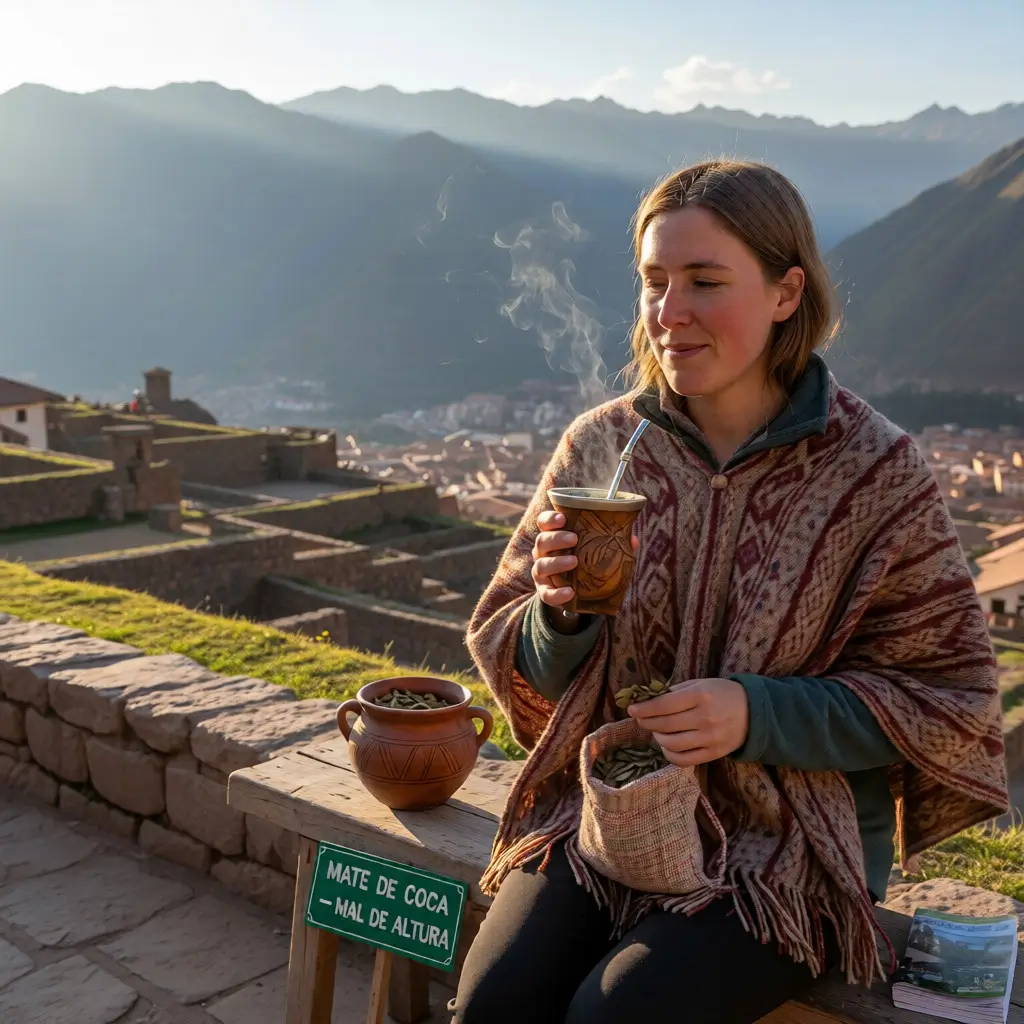
Coca tea is a traditional option commonly used in Cusco for altitude-related discomfort. It is prepared as an herbal infusion, and most hotels offer it free of charge. You can also find coca candies and coca leaves, which some travelers use for additional support throughout the day.
If you know that you are sensitive to high elevations, speak with your doctor before traveling about medication for altitude sickness. Obtain any medication with the appropriate prescription and carry it with you as a precaution.
Rest and Get Enough Sleep
Sleeping well during the nights before your hike helps your body recover and adjust. If you have trouble sleeping during your first night, this can happen at high elevations and often improves over the following days. Prioritize rest instead of going out late at night.
Listen to Your Body During the Hike
Once you begin the hike, move at your own pace. There is no reward for arriving first. Walk slowly, breathe deeply, and take breaks whenever you need them. If you experience discomfort, tell your guide. On these tours, guides usually carry an oxygen tank and a first-aid kit, so assistance is available throughout the excursion.

Warning Signs You Should Not Ignore
A mild headache or some fatigue can occur during the initial acclimatization period. However, if severe symptoms appear, such as persistent vomiting, significant difficulty breathing, confusion, or intense dizziness, you should take them seriously. In these situations, the best course of action is to rest, descend to a lower elevation when possible, and immediately notify your guide or seek medical assistance.


