
Peru has a coast, highlands, and Amazon region, and each one brings different ingredients to the table: Pacific fish, hundreds of varieties of potatoes and corn, fruits, and river fish. Added to this are centuries of influence from Spanish, African, Chinese, and Japanese cuisines. The result is one of the most diverse cuisines in the world and one of the best reasons to travel around the country.
In this guide, we introduce you to 18 typical Peruvian dishes organized by region, along with desserts and drinks you should not miss.
Typical dishes from the Peruvian coast
Lima and the coastal cities are home to the dishes best known outside the country. Here, lime, chili peppers, and fresh fish are the main ingredients.
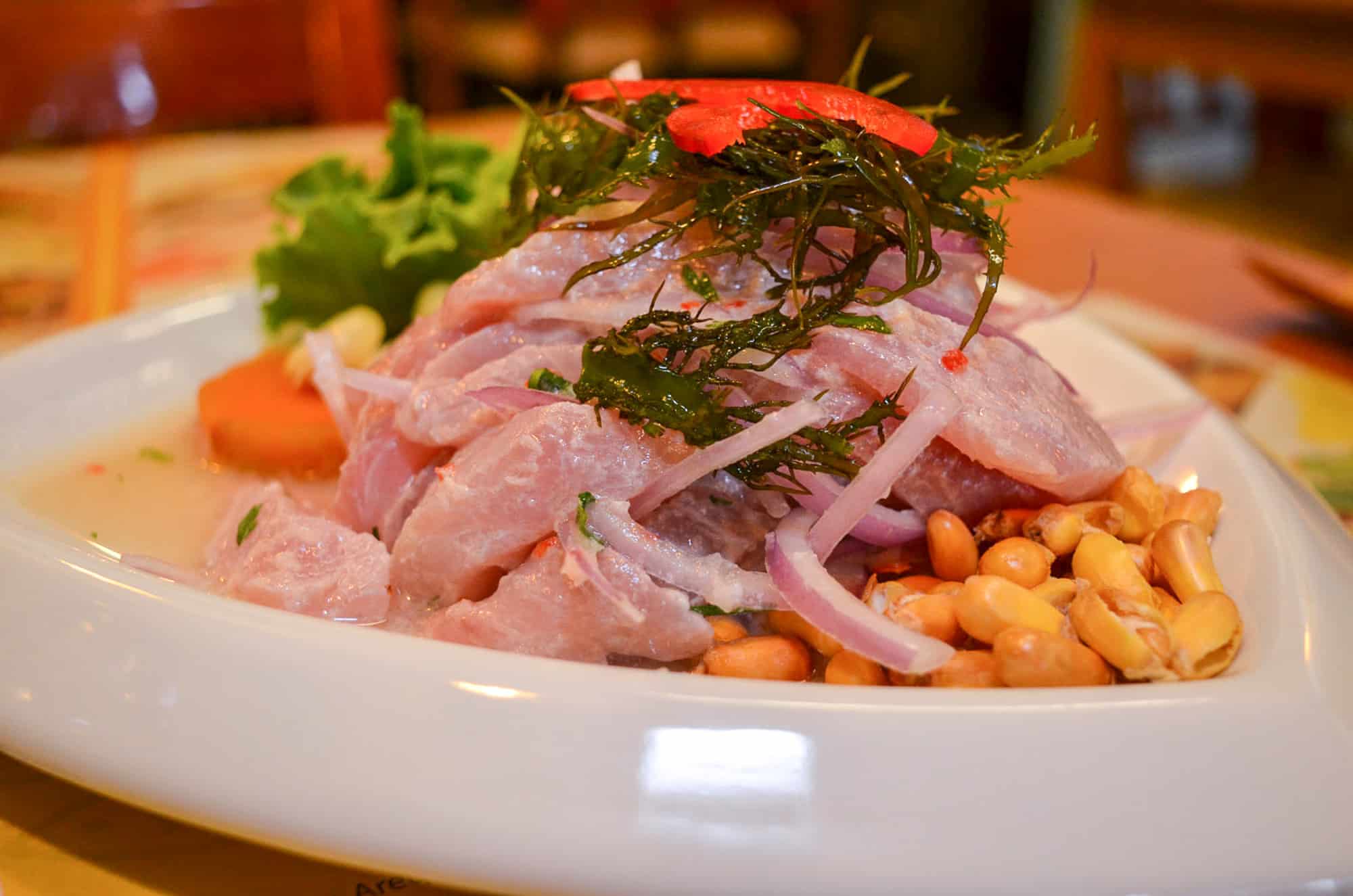
1. Ceviche
Raw white fish cut into cubes and marinated for a few minutes in lime juice with red onion, ají limo, salt, and cilantro. It is served with sweet potato, corn, and toasted corn. It is Cultural Heritage of the Nation and even has its own day, June 28. Order it at lunchtime: in Peru, ceviche is a lunch dish, not a dinner dish.

2. Tiradito
A cousin of ceviche, but with Japanese influence. The fish is cut into thin slices, like sashimi, and topped with a creamy yellow chili pepper and lime sauce. It does not contain onion, so the flavor of the fish stands out more.
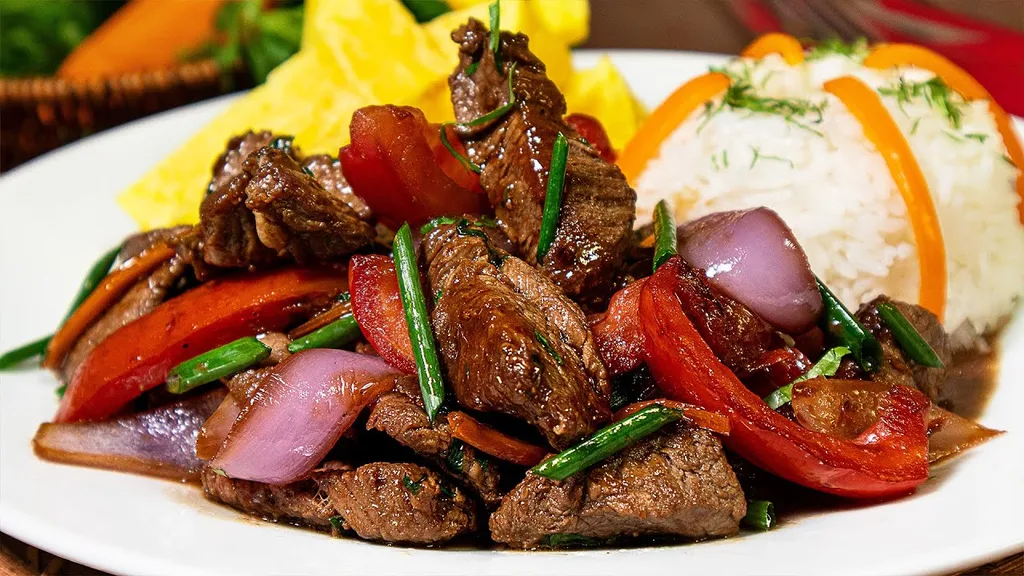
3. Lomo saltado
Strips of beef stir-fried in a wok over high heat with onion, tomato, yellow chili pepper, and soy sauce. It is served with French fries and white rice. It is the best example of chifa cuisine, the fusion of Chinese culinary traditions with Peruvian ingredients.
4. Ají de gallina
Shredded chicken in a thick sauce made with yellow chili pepper, bread soaked in milk, cheese, and pecans. It is served with rice, yellow potatoes, egg, and botija olives. It is creamy and only mildly spicy, making it ideal for a first introduction to Peruvian chili peppers.
5. Causa limeña
A chilled yellow potato mixture seasoned with lime and yellow chili pepper, layered with a filling of chicken, tuna, shrimp, or avocado. It is served as an appetizer, and each restaurant has its own presentation.

6. Anticuchos
Beef heart skewers marinated in ají panca, vinegar, cumin, and garlic, then grilled over charcoal. They are a nighttime food: you will find them at street carts and food stalls, served with golden potatoes, corn, and a chili pepper sauce.
7. Arroz con pato
The signature dish of northern Peru, especially Chiclayo and Lambayeque. The rice is cooked with cilantro, dark beer or chicha de jora, and chili pepper, giving it a deep green color. It is topped with a tender and juicy piece of duck.
8. Seco de cabrito
Also from northern Peru. It is a stew made with goat meat slowly cooked with cilantro, chicha de jora, and chili pepper, served with beans and rice. If you travel to Trujillo or Chiclayo, you will find it in almost every traditional picantería.
Typical dishes from the Peruvian highlands
In the highlands, cuisine revolves around potatoes, corn, grains, and meats cooked for hours. These are dishes made for cold weather.
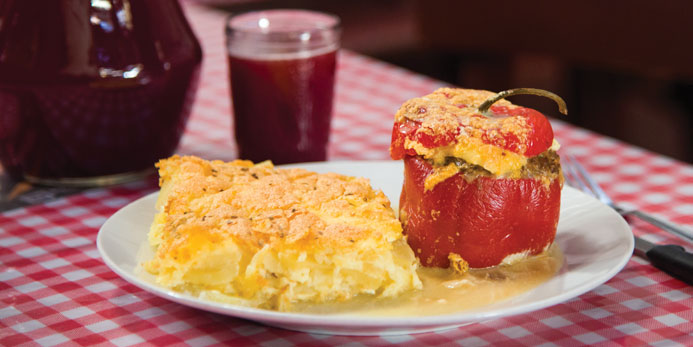
9. Rocoto relleno
Arequipa’s signature dish. Rocoto, a large and fleshy chili pepper, is boiled several times to reduce its spiciness and then stuffed with ground meat, peanuts, raisins, and olives. It is topped with cheese and baked. It is served with potato casserole.
10. Chupe de camarones
Another Arequipa specialty: a thick river shrimp soup with potatoes, fava beans, corn, milk, cheese, and a poached egg. It is a hearty dish traditionally eaten on Fridays in Arequipa.
11. Papa a la huancaína
Its name comes from Huancayo. It consists of slices of boiled potato covered in a sauce made with fresh cheese, yellow chili pepper, milk, and crackers, served with egg and olives. It is a cold appetizer served throughout the country.
12. Pachamanca
More than a dish, it is a cooking method. Stones are heated in a hole in the ground, and marinated meats, potatoes, sweet potatoes, fava beans, and humitas are placed on top, all covered with herbs and soil. It is prepared for celebrations and family gatherings, especially in the central highlands.
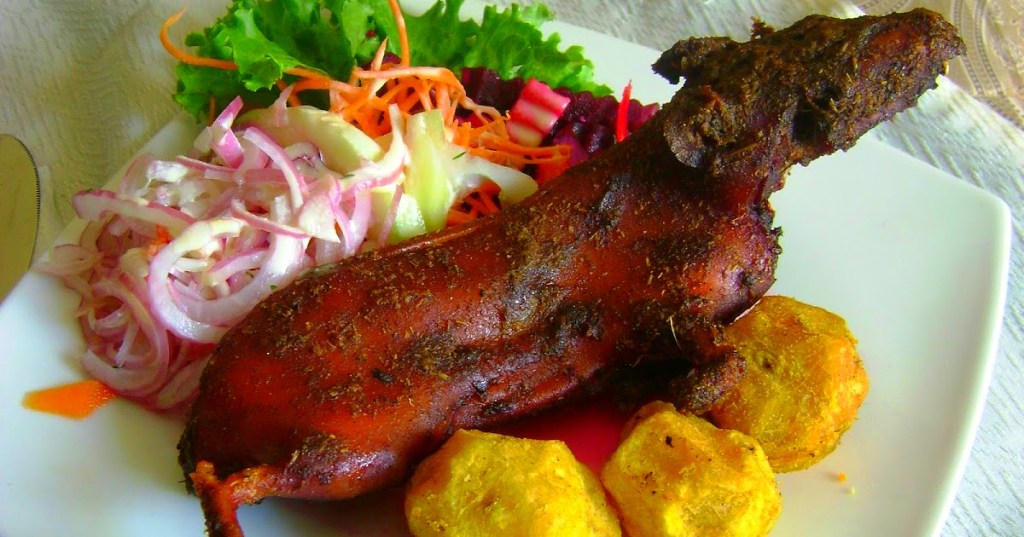
13. Cuy al horno
Guinea pig has been eaten in the Andes for thousands of years and remains a traditional celebration food. It is prepared baked, fried, or “chactado,” depending on the region. If you want to know where to try it, check out our guide to typical dishes from Cusco.
14. Fried trout
In Puno and the highland lakes, trout is an everyday fish. It is served whole and fried, with potatoes, rice, and salad. Along the shores of Lake Titicaca, it is the most common option in restaurants.
Typical dishes from the Peruvian Amazon
The rainforest provides plantains, cassava, fruits such as camu camu, and river fish such as paiche. Many of its dishes are wrapped in leaves and cooked over charcoal.
15. Juane
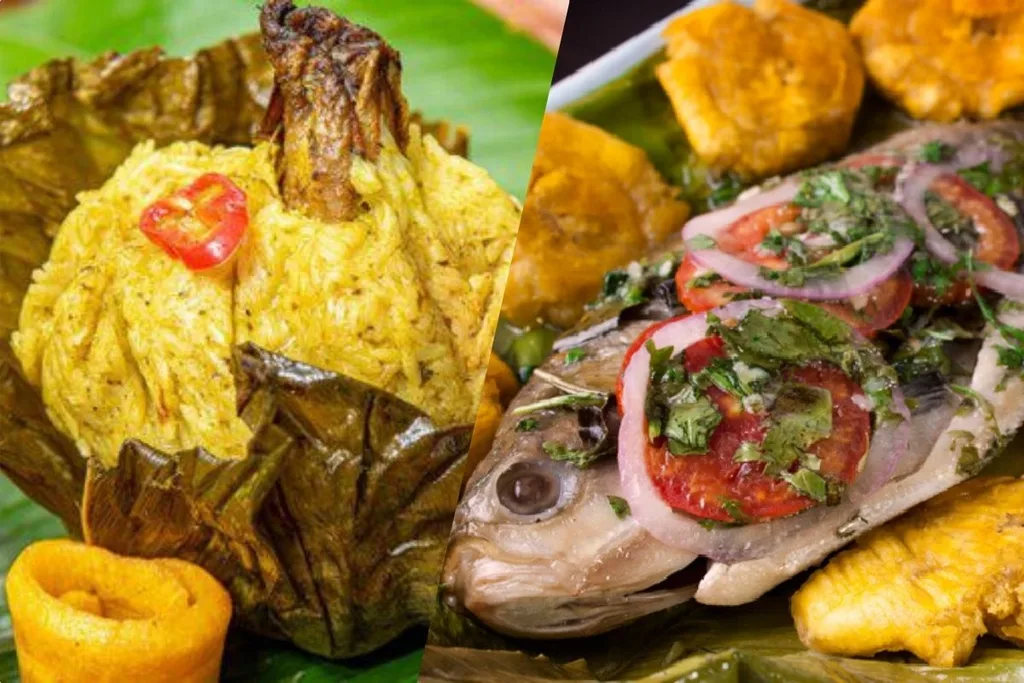
Rice seasoned with turmeric, chicken, egg, and olives, wrapped in bijao leaves and boiled. It is the traditional dish of the Festival of San Juan, celebrated every June 24, when it is prepared throughout the Amazon region.
16. Tacacho con cecina
Balls of roasted green plantain mashed with pork fat, served with cecina, a salted and smoked pork meat. It is a typical breakfast in cities such as Tarapoto and Iquitos.
17. Patarashca
River fish seasoned with sweet chili pepper, sachaculantro, and onion, wrapped in bijao leaves and grilled over charcoal. When the leaf is opened, the fish is juicy and infused with the aroma of the herbs.
Peruvian desserts to finish your meal
18. Suspiro a la limeña and picarones
Suspiro a la limeña is a dulce de leche-style cream topped with port wine meringue, very sweet and smooth. Picarones are fried rings made from squash and sweet potato dough, covered with chancaca syrup. You can find them at street stalls, especially in the afternoons. If you still have room, try mazamorra morada as well.
Drinks that go with Peruvian food
- Pisco sour: the national cocktail, made with pisco, lime juice, simple syrup, egg white, and Angostura bitters.
- Chicha morada: a non-alcoholic drink made from purple corn boiled with pineapple, cinnamon, and cloves.
- Inca Kola: the yellow soda often served with lomo saltado and chifa food at many Peruvian tables.
- Chicha de jora: a fermented corn drink consumed in the highlands since pre-Hispanic times.
How to plan a food route during your trip to Peru
If your trip includes several cities, you can try the best dishes from each region in their place of origin:
- Lima: ceviche, tiradito, causa, anticuchos, and chifa cuisine. It is the ideal city for trying a little of everything in just a few days.
- Arequipa: rocoto relleno, chupe de camarones, and traditional picanterías.
- Cusco: baked guinea pig, chicharrón, and dishes associated with local celebrations.
- Puno: trout from Lake Titicaca and quinoa soups.
- Iquitos or Tarapoto: juane, tacacho con cecina, patarashca, and Amazonian fruit juices.
On our Peru tours, we combine Lima, Cusco, and Machu Picchu with stops to try the food from each destination. If you are interested in gastronomy, we can include cooking classes or market visits in your itinerary.
Frequently asked questions about Peruvian food
What is Peru’s signature dish?
Ceviche. It is the most recognized Peruvian dish both inside and outside the country and was declared Cultural Heritage of the Nation.
Is Peruvian food very spicy?
It depends on the dish. Chili peppers are widely used, but in most recipes they add more flavor than heat. If you are not used to spicy food, ask for the chili sauce on the side.
What is chifa food?
It is a cuisine that developed from Chinese immigration to Peru beginning in the 19th century. It combines techniques such as wok stir-frying with Peruvian ingredients. Lomo saltado and arroz chaufa are its most popular dishes.
Are there vegetarian options in Peruvian food?
Yes. Papa a la huancaína, causa with avocado, vegetable tamales, and many quinoa-based dishes do not contain meat. Lima and Cusco also have vegetarian and vegan restaurants.
How much does it cost to eat in Peru?
It varies greatly. A daily set menu at a local restaurant, including an appetizer, main course, and drink, is inexpensive, while fine-dining restaurants in Lima have international-level prices. At local markets, you can eat well without spending much.


