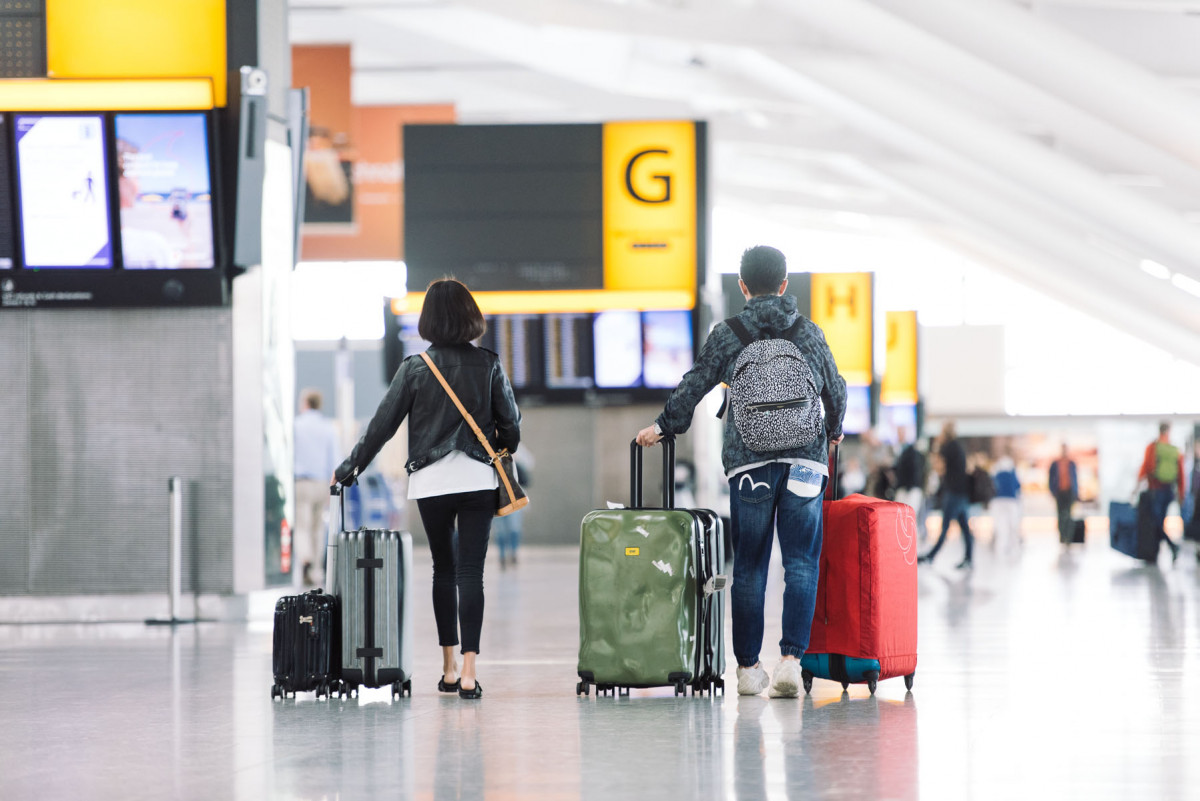
Almost every problem on a first trip to Peru starts months before you board the plane. Machu Picchu tickets sold out, a domestic flight cut too close, insurance that doesn’t cover altitude, a suitcase packed for one climate when the country has three. None of these can be fixed once you land. This checklist organizes everything by deadline, from six months out to your first twenty-four hours in the country, so you arrive with everything locked in and nothing left to improvise that can’t be improvised.
How to Use This Checklist
It’s built as a five-stage countdown: six months, three months, one month, one week, and the day of your flight.
The first two stages are the ones almost nobody sticks to, and the ones that ruin the most trips. Everything in them has limited availability, a waitlist, or a domino effect if you put it off.
The last three are about execution. If you handled the first two well, these take a couple of afternoons.
If you have less than six months left, don’t skip stages: do all of them, just compressed, starting with whatever has limited availability.
Six Months Before
This stage isn’t optional. This is where you lock in your passport, your entry into the country, and the three bookings that sell out: the Inca Trail, Machu Picchu, and the train. If you get this wrong, the rest of the itinerary has to be rewritten from scratch.
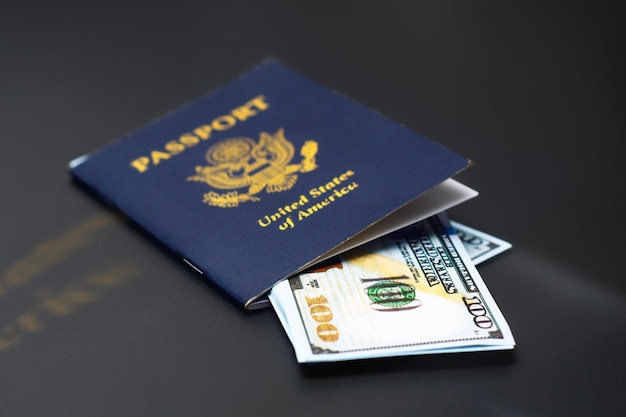
Passport and Minimum Validity
Check the expiration date before anything else. Peru requires a passport valid for at least six months from your date of entry.
If yours expires within the year, renew it now. Processing times vary widely by country and get longer during peak season.
Also make sure it has blank pages for the entry stamp.
Entry Requirements by Nationality
Most countries in the Americas and Europe don’t need a visa for tourism. Entry is granted for a set period decided by the immigration officer on the spot, and it may be shorter than what you asked for.
What you should carry, printed or on your phone, is your onward ticket out of the country and your first hotel reservation. They don’t always ask for them, but when they do, it’s at the airline counter, before you board.
Check the current rules with the Peruvian consulate in your country, because requirements change and no guide replaces the official source.
What Sells Out First: Machu Picchu, Trains, and the Inca Trail
This is the most important item on the entire checklist.
Inca Trail. It has a limited daily quota that includes guides and porters. For June, July, and August, it sells out early in the year, sometimes in January. If this trek is part of your trip, check Inca Trail availability before buying any flights, because your permit date drives everything else. The trail closes in February for maintenance.
Machu Picchu. Entry works through circuits and time slots with a daily cap. Between May and September, the morning slots disappear weeks in advance.
Trains to Aguas Calientes. Same pattern. The convenient departure times go first, leaving pre-dawn or late-night departures.
The right order is to book in this sequence: trek permit if it applies, Machu Picchu entry, train, and only then flights and hotels. Doing it the other way around forces you to redo everything.
International Flights
With six months of lead time, you’ll find better fares and, more importantly, better flight times.
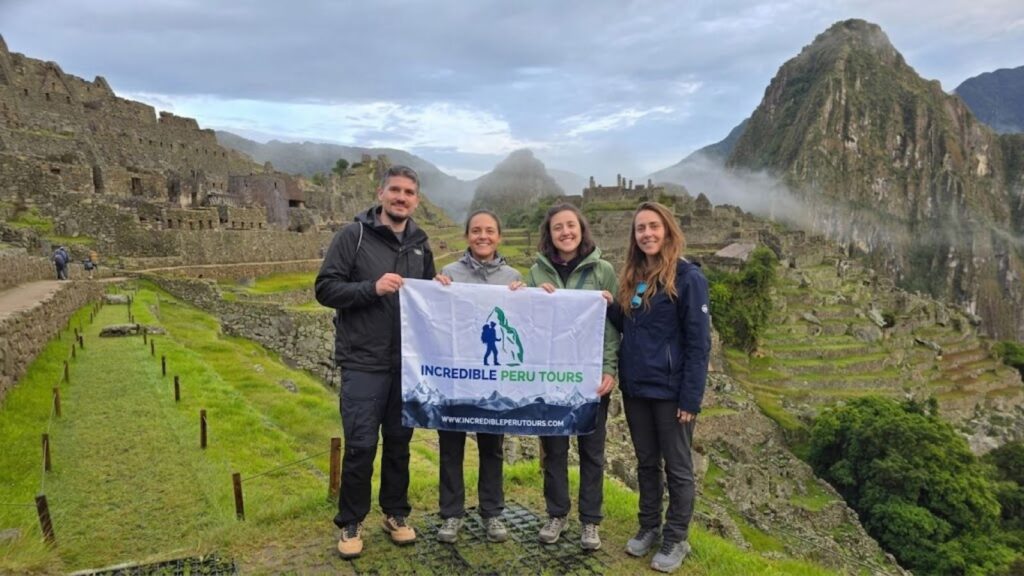
Nearly all international flights arrive and depart through Lima. If your itinerary starts in Cusco or Arequipa, you’ll need an additional domestic flight, which is best booked separately and with care, as you’ll see in the three-month stage.
Avoid landing in Lima in the middle of the night if it’s your first day. Paying for a night at a hotel and starting out rested goes further than saving money on a flight that drops you off at 3 a.m.
Three Months Before
With your permit and international flight already secured, this stage covers health, domestic connections, insurance, and peak-season hotels. This is when you avoid the costly mistake: a Cusco–Lima flight on the same day as your international one.
Doctor’s Visit and Recommended Vaccines
No vaccines are required to enter Peru from most countries. Yellow fever is recommended if your itinerary includes lowland jungle areas, and it must be given at least ten days before your trip to be effective.
Beyond vaccines, if you have asthma, high blood pressure, a heart condition, anemia, or any respiratory condition, this appointment is the most important part of your preparation. Altitude can destabilize these conditions, and your doctor may prescribe preventive medication or suggest adjusting the pace of your itinerary.
Bring a written summary of your medical history and a list of your medications by generic name, not brand name. Brand names change from country to country.
Domestic Flights and Connection Buffers
This is where the most expensive first-trip mistake happens.
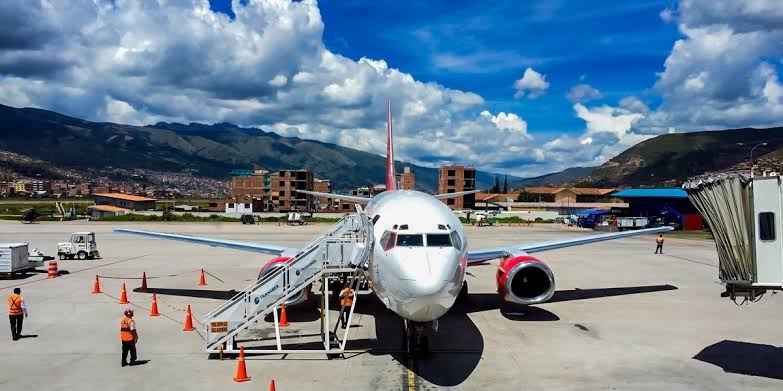
Cusco’s airport shuts down because of fog fairly often between December and March, and occasionally the rest of the year. If your Cusco to Lima flight is canceled and your international flight is that same day, you lose the ticket.
The rule of thumb is to never schedule your international flight on the same day as your flight out of Cusco. Spend a night in Lima. That hotel costs far less than reissuing a transatlantic ticket.
If your route includes several cities, look at how southern Peru is connected first, because some legs are better done overland than by air.
Buying Travel Insurance
Now is the time, not the week before. Trip cancellation coverage only kicks in if you buy the policy well ahead of your travel date.
At a minimum, make sure it covers altitudes above the highest point on your itinerary, includes mountain rescue if you’re trekking, and offers direct billing with clinics outside Lima.
Don’t buy the cheapest policy without reading the fine print. Check what travel insurance for Peru covers and excludes before you pay, because altitude exclusions are the rule, not the exception.
Booking Hotels in Peak Season
Between June and August, and over the year-end holidays, hotels in Cusco, the Sacred Valley, and Aguas Calientes fill up.
Aguas Calientes is the most critical, since supply is limited and demand is concentrated. If you’re staying there the night before Machu Picchu, book it together with your train.
Outside peak season, you can safely leave hotels for the one-month stage.
One Month Before
You’re no longer booking things that sell out. Now you’re preparing for day-to-day travel: money, connectivity, maps, and driving documents if needed. The goal is to land and get around without relying on Wi-Fi on day one.
Money, Cards, and Notifying Your Bank
The currency is the sol. US dollars are accepted at hotels, tour agencies, and some restaurants in tourist areas, but beyond those you’ll need soles.
Tell your bank your travel dates so they don’t block your card for foreign use. Bring at least two cards from different issuers and keep them in separate places.
Exchange money at established exchange offices or withdraw from bank ATMs, never on the street. ATMs charge a fee per transaction, so it’s better to take out mid-sized amounts rather than make repeated small withdrawals.
Carry some cash in small bills. At markets, in taxis, and in rural towns, people don’t always have change for large bills.
Local SIM, eSIM, or Roaming
Cell coverage is good in cities and spotty in the mountains, no matter what technology you use.
You can buy a local SIM card at the airport or any carrier store by showing your passport, and it’s the cheapest option for longer stays. An eSIM is activated before you travel and works well if your phone supports it. Your carrier’s international roaming is the convenient, expensive option.
For a two-week trip, an eSIM purchased before you leave usually offers the best balance.
Apps and Offline Downloads
Download offline maps of Lima, Cusco, the Sacred Valley, and any other city on your route. You’ll need them in Sacred Valley towns and on mountain routes.
Install one of the ride-hailing apps that operate in the country. They work in Lima, Cusco, and Arequipa, and they’re safer than hailing a taxi on the street.
Save on your phone, and also on paper: your insurance assistance number, reservations, policy number, and emergency contact.
Driver’s License If You Plan to Rent a Car
Renting a car isn’t common on the southern circuit and generally isn’t necessary, because the transportation network covers everything and mountain roads come with their own challenges.
If you still plan to drive, you’ll need your valid national driver’s license and, depending on the issuing country, an International Driving Permit. Apply early, because it isn’t issued overnight.
One Week Before
This week is about packing, your first-aid kit, and copies. You’re not booking anything new: you’re putting together what you’ll carry and what you can’t afford to lose if your checked bag is delayed.
Packing by Altitude Zone
Peru has three climates at once, and your suitcase has to handle all three. The rule that works is to dress in layers, not in bulky clothing.
Coast
Lima and Paracas are mild and humid. From May to November, the sky is overcast almost every day and it feels cool, even though it isn’t truly cold.
Pack light clothing, a windbreaker, and comfortable shoes. You don’t need a heavy coat for this region.
Highlands Above 3,000 m (9,800 ft)
What catches people off guard here is the temperature swing. A June day in Cusco can hit 68°F (20°C) at noon and drop close to freezing before dawn.
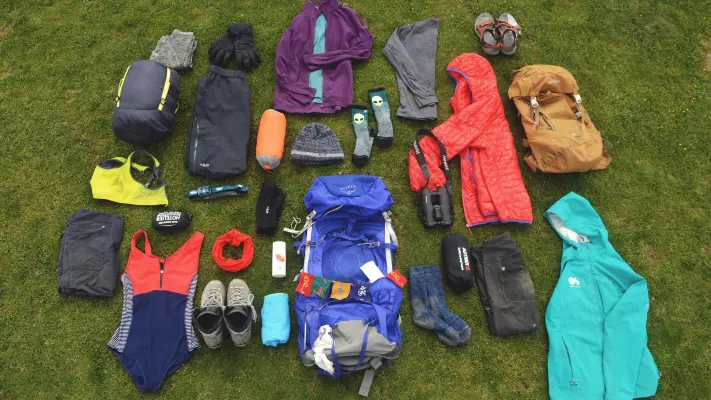
Bring a thermal base layer, a fleece or sweater, a waterproof, windproof jacket, a beanie, gloves, and a neck gaiter. Quick-dry pants instead of jeans, which are heavy and don’t dry.
Footwear is the key item. Hiking shoes with grippy soles, already broken in before the trip. Wearing brand-new boots on the Inca Trail is a guaranteed recipe for blisters.
High-SPF sunscreen and sunglasses. UV radiation at altitude is intense even under cloud cover, and almost everyone underestimates it.
If your itinerary includes day trips above 4,000 m (13,100 ft), such as Humantay Lake, add another warm layer for the early morning hours.
Jungle
Hot and humid year-round. Pack lightweight long-sleeved clothing to protect yourself from insects, high-concentration insect repellent, a rain poncho, and shoes you don’t mind getting wet.
Long sleeves and heat aren’t a contradiction. It’s what the people who live there wear.
Travel First-Aid Kit
Bring enough of your regular medication for the entire trip, in its original packaging and with the prescription.
Add a pain reliever, an anti-inflammatory, an antihistamine, oral rehydration salts, an anti-diarrheal, adhesive bandages, hand sanitizer, and sunscreen. If your doctor prescribed something preventive for altitude, include the recommended dose.
Everything important goes in your carry-on, never in checked luggage. A delayed bag is an inconvenience; a delayed bag with your medication inside is a different story.
Document Copies and Digital Backups
Take photos of your passport, insurance, vaccination card, reservations, and tickets. Store them in the cloud and also offline on your phone.
Leave a copy with someone you trust back home and share your basic itinerary: which city you’ll be in each week and the contact details for your hotels.
Carry two paper photocopies of your passport in different places in your luggage.
Flight Day and Your First 24 Hours
The last stage is all execution: what goes in the cabin, how you get out of Lima, and how you get through your first day at altitude without pushing your body.
Flight Day
Your carry-on holds everything you can’t replace: passport, cards, cash, medication, chargers, power bank, a change of clothes, and your warm layer.
Lithium batteries and power banks must travel in the cabin by regulation. Don’t put them in checked luggage.
If your arrival in Lima connects to a domestic flight the same day, leave at least four hours between them. You’ll need to collect your bags, clear immigration, and check in again.
Bring an empty water bottle and fill it after security. At altitude you’ll need to drink more water than usual, and it’s a habit worth starting on the plane.
Your First 24 Hours in the Country
Day one is not for improvising an itinerary. Sort out your transfer, exchange a little money, and let your body land, especially if Cusco is your first stop.
Lima Airport: Currency Exchange and Taxis
Exchange only what you need at the airport, because the rate there is worse than in the city. Enough for your transfer and first day is plenty.
To leave the airport, use the authorized taxis inside the terminal or a ride-hailing app from the marked pickup area. Avoid anyone offering you a ride at the door.
If your connection to Cusco is the next day, there are hotels a few minutes from the airport that save you the trip to Miraflores.
If Your First Stop Is Cusco
The city sits at 3,399 m (11,152 ft), and you shouldn’t plan anything for day one.
The best decision you can make is to head straight down to the Sacred Valley on the day you arrive. Urubamba and Ollantaytambo sit more than 500 m (1,600 ft) lower, you’ll sleep better, and your body will adjust faster. Save Cusco city for the end, once you’re acclimatized.
If you stay in Cusco, day one is hotel, a light meal, and rest. Day two, a short outing close by.
Drink more water than your body asks for. The dry highland air dehydrates you without making you feel thirsty.
If you have a mild headache, loss of appetite, or trouble sleeping, rest and don’t push yourself. If you have repeated vomiting, shortness of breath at rest, or drowsiness that won’t go away, seek medical attention. Cusco hotels have agreements with local clinics, and many offer oxygen at the front desk.
What to Eat and Avoid on Day One
Light, frequent meals work better than three big ones. Save fried food and large portions for day three.
Tap water is not safe to drink. Always drink bottled or boiled water, and in rural areas use it even to brush your teeth.
Ceviche is safe at busy restaurants with high turnover, but don’t order it on your first day at altitude. Your digestion is already dealing with something else.
Coca tea helps some people and not others. It’s a hot herbal drink that can help you feel better, not a treatment.
What to Bring and What to Buy There
There’s no point in stuffing your suitcase with things that cost less and work better in Cusco and Chinchero. Bring from home what you can’t improvise: medication, broken-in footwear, and your base layer. Everything else you can pick up along the way.
| Bring from Home | Buy in Peru |
|---|---|
| Prescription medication | Bottled water |
| Broken-in hiking shoes | Alpaca beanie, gloves, and scarf |
| High-SPF sunscreen | Disposable rain poncho |
| Plug adapter | Insect repellent |
| Power bank | Snacks for day trips |
| Thermal base layers | Trekking pole |
| UV-protection sunglasses | Basic toiletries |
Alpaca textiles in Cusco and Chinchero cost a fraction of what you’d pay back home, and they’re better quality. Don’t fill your suitcase with warm clothes: bring your base layer and jacket, and buy the rest there.
Common First-Timer Mistakes
These eight mistakes show up on almost every first trip. Avoiding them is worth more than any packing tip.
- Spending your first night in Cusco instead of heading down to the Sacred Valley.
- Scheduling Machu Picchu for day two of the trip, without acclimatizing.
- Buying flights before securing your trek permit or Machu Picchu entry.
- Taking your international flight on the same day as your flight out of Cusco.
- Packing for a single climate.
- Wearing brand-new hiking boots on the trip.
- Buying travel insurance three days before you leave.
- Underestimating UV exposure because the sky is cloudy.
Frequently Asked Questions
Do I Need a Visa to Enter Peru?
For tourism, most nationalities from the Americas and Europe don’t need a visa. The length of stay is granted by immigration upon arrival and may be shorter than requested. Always confirm with the Peruvian consulate in your country, because requirements change and official regulations are the only valid source.
How Much Cash Should I Bring?
Between $100 and $200 in cash to exchange for soles when you arrive, plus cards for everything else. In tourist areas nearly everything takes cards, but markets, taxis, tips, and rural towns run on cash. Withdraw from bank ATMs during the trip instead of carrying large amounts on you.
Can I Drink the Tap Water?
No. Always drink bottled or boiled water, anywhere in the country. In rural areas, also use bottled water to brush your teeth and rinse fruit.
How Many Days Do I Need for a First Trip?
Eight to ten days is a reasonable minimum for Lima, the Sacred Valley, Machu Picchu, and Cusco without rushing. With fifteen days, you can add Puno and Arequipa. If you have fewer than eight, focus on the Cusco region and don’t attempt a long route, because acclimatization is the first thing that gets sacrificed, and it’s exactly what you shouldn’t cut.
When Is the Best Time to Go for a First Trip?
April to October is the dry season in the highlands, with clear days and cold nights. April, May, September, and


