
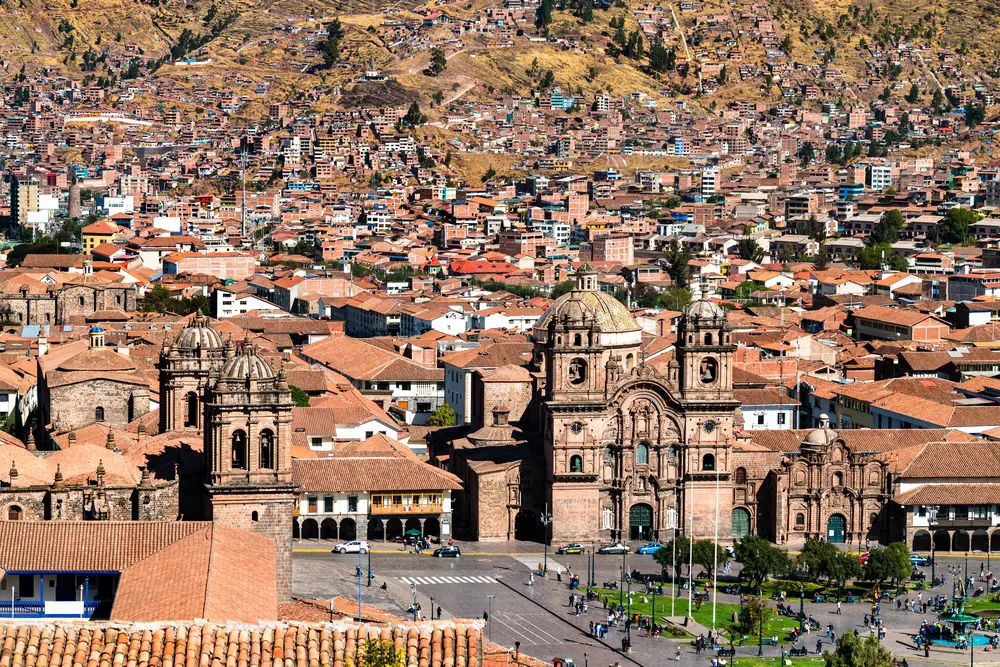
Planning a trip through Lima, Arequipa, Puno, and Cusco involves more moving parts than it may seem: long distances, changing weather, local holidays, and reservations that depend on one another. Most of the problems we see travelers run into are not caused by bad luck, but by decisions made during the planning stage. These are the most common mistakes and what you can do to avoid them.
1. Trying to fit too many cities into too few days
On a map, Paracas, Nazca, Arequipa, Puno, and Cusco may look close to one another. In reality, every change of city takes away half a day or more between checking out of your hotel, traveling, and settling in again. If you change destinations every night, you end up spending more time in transit than actually exploring.
As a general guideline, plan for at least two nights per destination and three or four nights in Cusco if you are also including the Sacred Valley and Machu Picchu. If you do not have enough days, it is better to remove one city than rush through all of them. An itinerary for visiting Peru in 10 days is a good starting point for seeing how much you can realistically fit into that amount of time.
2. Not leaving any buffer time
In southern Peru, flight delays, road closures caused by rain, or regional strikes can block roads for one or several days. An itinerary with no flexibility can fall apart because of a single unexpected event.
Leave one or two days without fixed activities, ideally in Cusco. If you do not need them, you can use them for something short, such as a half-day tour to Moray and the Maras Salt Mines. If something does go wrong, you will have time to rearrange your plans without missing the most important parts of your trip.
3. Connecting to your international flight on the same day
This is one of the most expensive mistakes you can make. If your flight from Cusco to Lima is delayed by a few hours, you could miss your international flight and have to purchase a new ticket. Airlines are not always responsible when the flights were booked separately.
The safest option is to spend your final night in Lima. If that is not possible, leave at least five or six hours between the arrival of your domestic flight and the departure of your international flight.
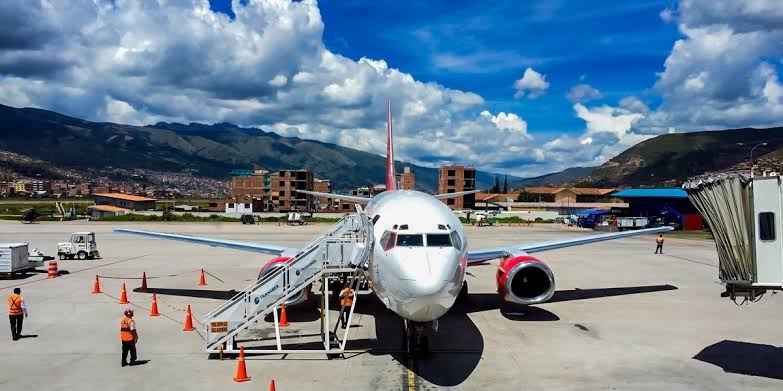
4. Filling your schedule on the day you arrive at high altitude
Many travelers land in Cusco or Puno and book a tour or hike for that same afternoon. Your body needs time to adjust, and pushing yourself too hard on the first day can affect the days that follow. Use your arrival day to rest, walk slowly, and eat light meals. If you want to understand how the order of the cities affects acclimatization, check whether it makes more sense to start on the coast or in the highlands.
5. Not checking the festival and holiday calendar
Local festivals can be one of the highlights of your trip or a complication, depending on how you plan around them. During these dates, hotel prices increase, streets become crowded, and some services operate on different schedules.
- February: the Festival of the Virgin of Candelaria in Puno, with thousands of dancers performing over several weeks.
- March or April: Holy Week, when domestic tourism increases throughout the country.
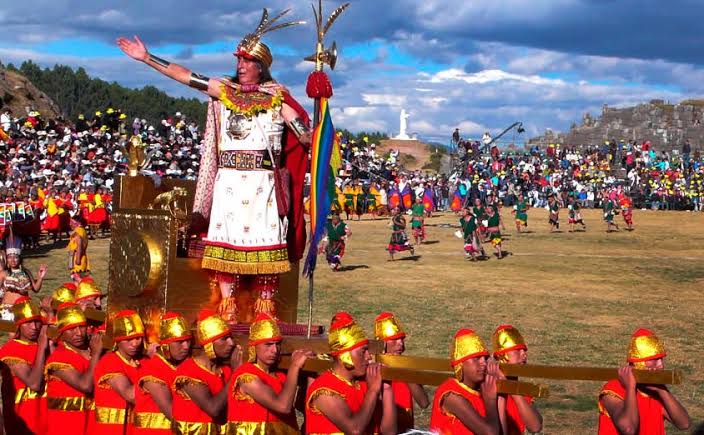
- June: Corpus Christi and Inti Raymi on June 24 in Cusco.
- July: the Virgin of Carmen festival in Paucartambo in mid-July, and Peru’s Independence Day celebrations on July 28 and 29 throughout the country.
If your trip overlaps with one of these events, decide whether you want to experience it or avoid the crowds, and adjust your reservations well in advance. In our guide on what to book first for your trip to Peru, we explain how to prioritize reservations during high-demand dates.
6. Traveling with a different document than the one used for your reservations
Machu Picchu entrance tickets and train tickets are issued using the document number you provided when booking, and you are required to present the original document at the checkpoint. If you renewed your passport after making your reservation, or booked with one document and travel with another, you may have trouble entering.
Before you travel, make sure your passport number matches the information on all of your reservations. If it has changed, contact your travel agency or train company as soon as possible so they can update it.
7. Relying only on credit or debit cards
In Lima, Arequipa, and Cusco, you can pay by card at most hotels and restaurants. However, markets, small towns, taxis, public restrooms, and many communities around Lake Titicaca accept cash in Peruvian soles only.
Always carry some cash in small bills and coins. Make sure the bills are not torn or heavily worn, since it is common for damaged bills to be refused in Peru. Withdraw cash in larger cities before traveling to smaller destinations.
8. Choosing tours based only on price
Two tours with the same name can be very different. One may include entrance tickets, the train, the shuttle bus up to Machu Picchu, and an official guide, while another may include only transportation. The price difference is often explained by what is not included, and the cheaper option may end up costing more once you add extra expenses along the way.
Always compare what is included and what is not, confirm that the agency is formally registered, and ask about the group size. If you prefer a service without large groups, look at private options such as the Short Inca Trail in private service.
9. Traveling without insurance or basic health precautions
Travel insurance is not mandatory


