
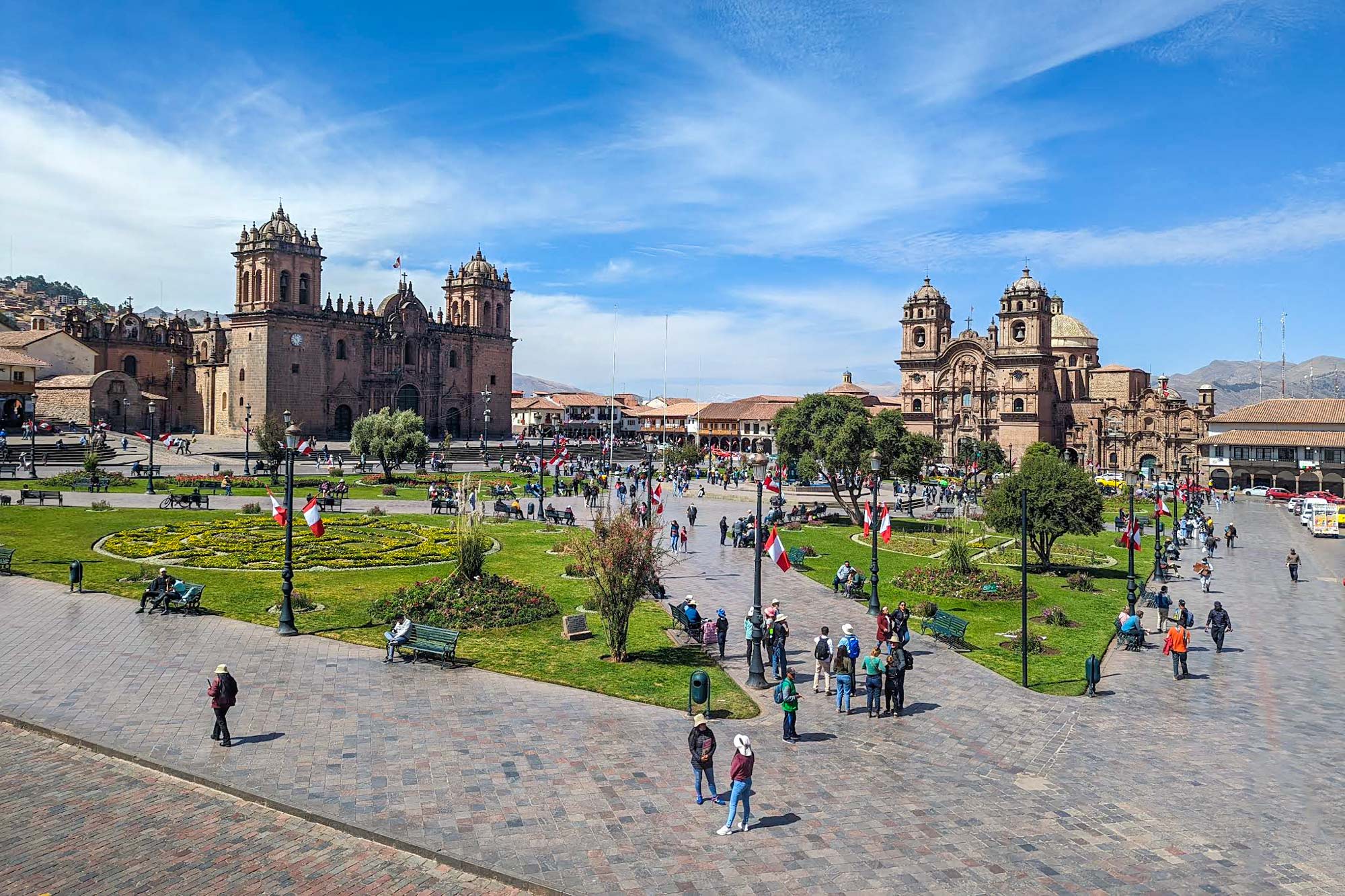
The city of Cusco sits at approximately 3,400 meters above sea level, measured at the Plaza de Armas. At this altitude, each breath provides about one-third less oxygen than at sea level, which is why almost all travelers notice some changes during their first few hours: climbing stairs feels more tiring, your heart beats faster, and sleeping can be difficult on the first night.
For most people, the body adjusts within two or three days. What makes the biggest difference isn’t your physical fitness but how you plan your trip: where you spend your first few nights and the order in which you visit places based on their elevation. This guide explains how to do that, including the altitudes of the destinations you’re most likely to visit.
How High Is Cusco?
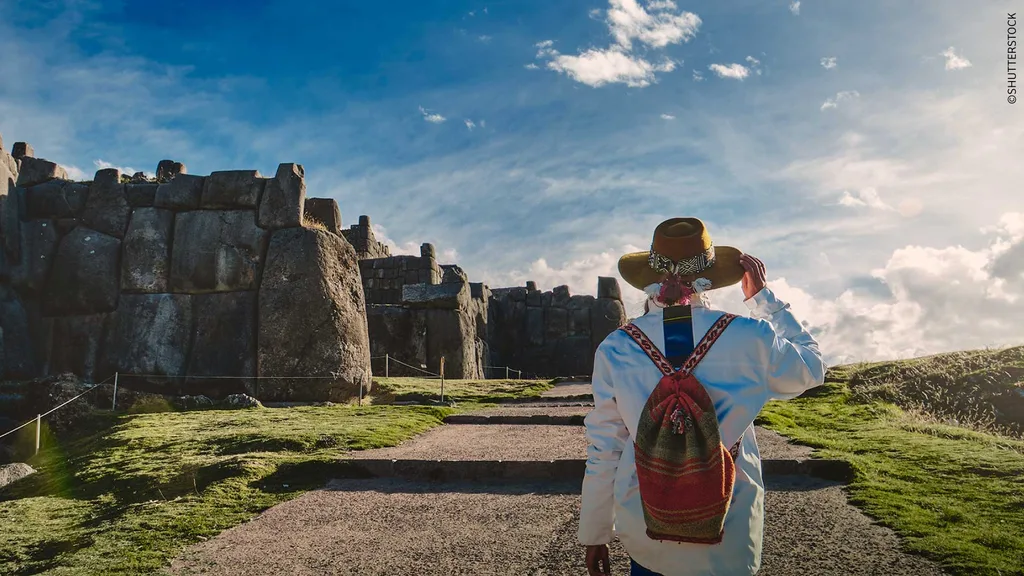
The commonly cited elevation of 3,400 meters above sea level refers to the historic center, but Cusco is built in a valley surrounded by hillsides. Neighborhoods such as San Blas and the area around Sacsayhuaman are higher up, which is why walking uphill from the Plaza de Armas feels considerably more demanding than walking on flat ground.
To plan your trip properly, it’s helpful to compare Cusco’s elevation with the places you’ll visit nearby. Many are at lower elevations and can help you acclimatize, while others are significantly higher and are best saved until your body has adjusted.
| Location | Approximate Elevation (Meters Above Sea Level) | Compared to Cusco |
|---|---|---|
| Aguas Calientes | 2,040 | Lower |
| Machu Picchu | 2,430 | Lower |
| Ollantaytambo | 2,790 | Lower |
| Urubamba | 2,870 | Lower |
| Pisac | 2,970 | Lower |
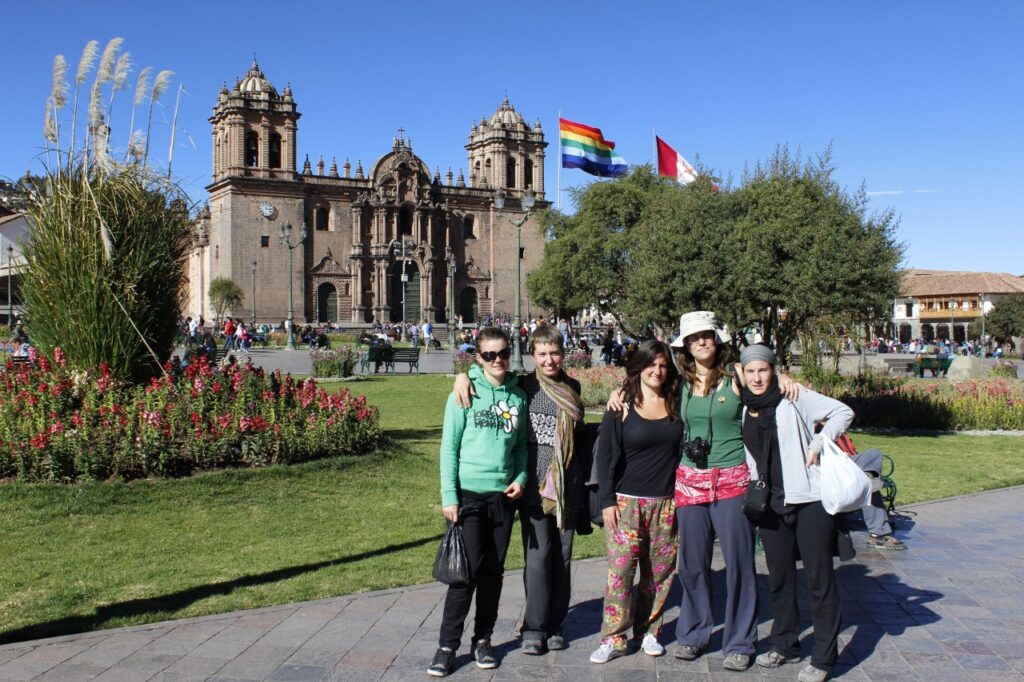
| Cusco, Plaza de Armas | 3,400 | Reference elevation |
| Chinchero | 3,760 | Higher |
| Puno | 3,830 | Higher |
| Humantay Lake | 4,200 | Much higher |
| Salkantay Pass | 4,630 | Much higher |
| Rainbow Mountain | Over 5,000 | Much higher |
The practical takeaway is that almost the entire Sacred Valley and Machu Picchu are between 400 and 1,300 meters lower than Cusco. The region’s most famous nature excursions, on the other hand, take you to much higher elevations.
What Cusco’s Altitude Means for Your Body
The air in Cusco contains the same percentage of oxygen as the air along the coast, but the atmospheric pressure is lower. Each breath delivers less oxygen to your body, which compensates by making you breathe faster and increasing your heart rate until you adjust.
What You’ll Notice During the First Few Hours
The most common experience is feeling short of breath when climbing stairs or walking up steep streets, even if you can walk comfortably back home. It’s also normal to notice a faster resting heart rate, some fatigue, and, for some people, a mild headache.
These symptoms usually appear between 6 and 12 hours after arrival, rather than at the airport. Many travelers feel fine when they land, head out for a walk, and start noticing the effects later in the afternoon.
Why You May Sleep Poorly During the First Few Nights
At high altitude, your breathing can become irregular while you sleep. You may experience brief pauses in breathing and wake up feeling short of breath. This is a common reaction and usually improves by the second or third night.
Spending your first few nights at a lower elevation, such as in the Sacred Valley, can significantly reduce this effect.
The Sun, Cold Weather, and Dry Air Also Matter
At this elevation, solar radiation is more intense, and you can get sunburned quickly, even on cloudy days. Nights are cold for most of the year, and the air is dry, so you lose moisture through breathing without even realizing it.
None of these conditions is altitude sickness, but they can add to your fatigue and make symptoms feel worse. Sunscreen, a warm layer for the evening, and keeping water handy are just as important as taking things slowly.
Who Is More Likely to Feel the Effects of Altitude?
There’s no way to know for certain how your body will react, but some factors increase the likelihood of experiencing discomfort:
- Arriving by plane from the coast or sea level, because the altitude change is immediate.
- Having experienced altitude sickness on previous trips.
- Doing intense physical activity on the same day you arrive.
- Getting too little sleep the night before your flight.
Being physically fit doesn’t protect you. Regular athletes can feel the effects of altitude just like anyone else, and sometimes even more so because they trust their endurance and push themselves too hard on the first day.
If you’re pregnant, traveling with a baby, or have a heart or respiratory condition, consult your doctor before traveling. This is the only way to determine which precautions are appropriate for your individual situation.
How to Plan Your Itinerary Around the Altitude
The best way to acclimatize is to follow an itinerary that gradually takes you to higher elevations. By keeping the altitude chart in mind, you can organize your trip so your body adjusts without losing valuable travel days.
Start at a Lower Elevation: Visit the Sacred Valley First
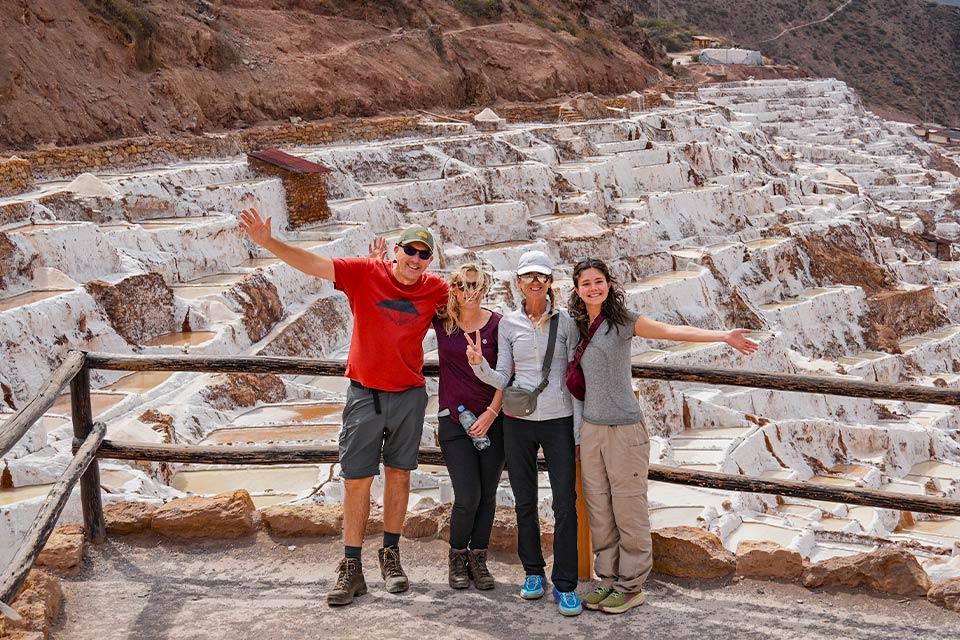
If you’re arriving by plane, consider spending your first night somewhere other than Cusco. From the airport, you can head directly to the Sacred Valley, which is between 400 and 600 meters lower, spend one or two nights there, and continue to Machu Picchu, which is at an even lower elevation.
By the time you return to Cusco after visiting Machu Picchu, you’ll already have spent several days at moderate altitude, making the city much more comfortable to explore. This is the itinerary we most often recommend for travelers who have limited time to acclimatize.
Arriving Overland from Arequipa or Puno
If your route takes you through southern Peru, arriving in Cusco at the end of your journey has an advantage: Arequipa sits at about 2,300 meters above sea level, while Puno is over 3,800 meters above sea level. By the time you arrive from these destinations, your body has already gone through the adjustment process, so Cusco’s altitude won’t affect you the same way it affects someone flying directly from Lima.
Save Excursions Above 4,000 Meters for the End of Your Trip
Humantay Lake, Rainbow Mountain, and the Salkantay route take you to elevations much higher than Cusco. Schedule these excursions once you’ve spent at least two or three days in the region and feel comfortable walking around the city.
For help planning your first few hours after landing, check out our guide on what to do in Cusco on your first day.
Warning Signs That Require Medical Attention
Fatigue, a mild headache, or shortness of breath when climbing stairs can be part of the adjustment process and usually improve with rest. However, the following symptoms are not normal and require immediate medical attention:
- Shortness of breath even while resting, sitting, or lying down.
- A severe headache that doesn’t improve with rest or common over-the-counter pain relievers.
- Confusion, extreme drowsiness, or difficulty walking in a straight line.
- A persistent cough, especially if accompanied by mucus or chest pain.
Cusco has medical clinics experienced in treating altitude-related problems, and your hotel or tour agency can direct you to the nearest one. If you’re planning hikes in high-altitude areas, also read our guide on how to prevent altitude sickness in Cusco before setting out.
Frequently Asked Questions About Cusco’s Altitude
Is Cusco Higher Than Machu Picchu?
Yes, almost 1,000 meters higher. Cusco sits at approximately 3,400 meters above sea level, while Machu Picchu is at around 2,430 meters. That’s why many travelers feel better at the archaeological site than in the city.
How Many Days Does It Take to Acclimatize to Cusco?
Most people start feeling comfortable by the second or third day. For excursions above 4,000 meters, it’s best to wait at least that long before attempting them.
Can I Take a Tour the Day After Arriving in Cusco?
Yes, if it’s an easy excursion at a lower elevation, such as a visit to the Sacred Valley. However, a high-altitude hike like Rainbow Mountain isn’t a good idea so soon after arriving.
Is Cusco’s Altitude a Problem for Children?
Most children adjust well if the pace of the trip is relaxed. Since they may not always be able to explain how they’re feeling, watch for increased irritability or loss of appetite, and consult their pediatrician before traveling.


