
What Is the Route of the Sun?
The Route of the Sun is a tourist bus journey between Cusco and Puno, on the shores of Lake Titicaca. Instead of traveling directly, the bus stops at colonial towns, Inca sites, and high-altitude viewpoints, with a guide who explains each stop.
It’s a way to turn a travel day into a sightseeing day. You leave Cusco in the morning and arrive in Puno in the late afternoon, after crossing the Andean highlands and watching the landscape change from valleys to open plains.
Route of the Sun: Key Facts
| Information | Details |
|---|---|
| Route | Cusco to Puno (also available in reverse) |
| Approx. distance | 390 km |
| Approx. duration | 10 hours with stops |
| Departure | Early in the morning |
| Highest point | La Raya Pass, at 4,335 m above sea level |
| Arrival | Puno, at 3,827 m above sea level, beside Lake Titicaca |
| Usually includes | Guide, buffet lunch, and sightseeing stops along the route |
Services and included entrance tickets vary by company, so check what’s included before booking.
Stops Along the Route of the Sun Between Cusco and Puno
Andahuaylillas
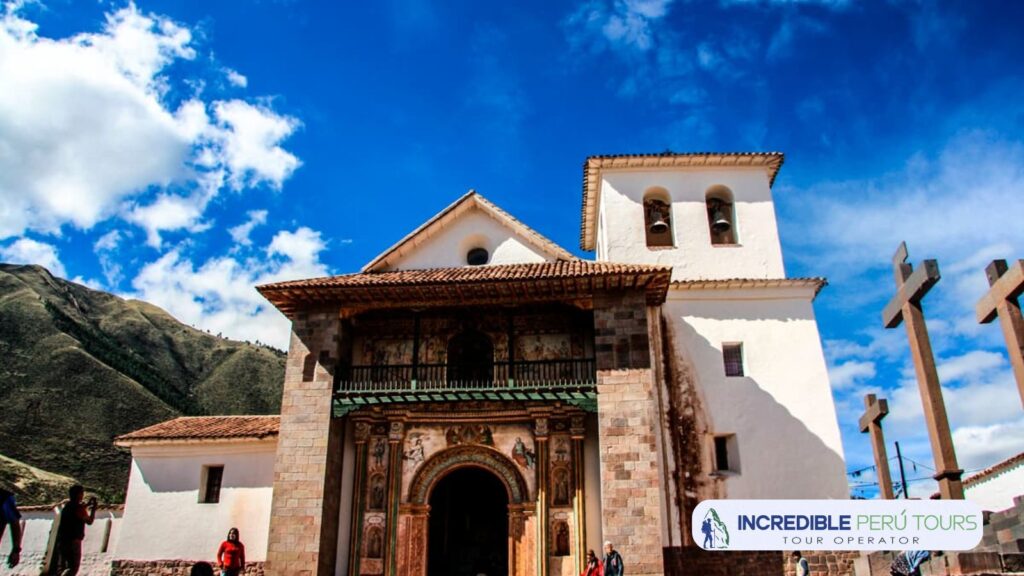
Less than an hour from Cusco is the Church of San Pedro Apóstol in Andahuaylillas, known as the Sistine Chapel of the Americas. The exterior is simple, but inside you’ll find painted ceilings, murals, and altarpieces covered in gold leaf. It’s the first stop and one of the most surprising.
Raqchi
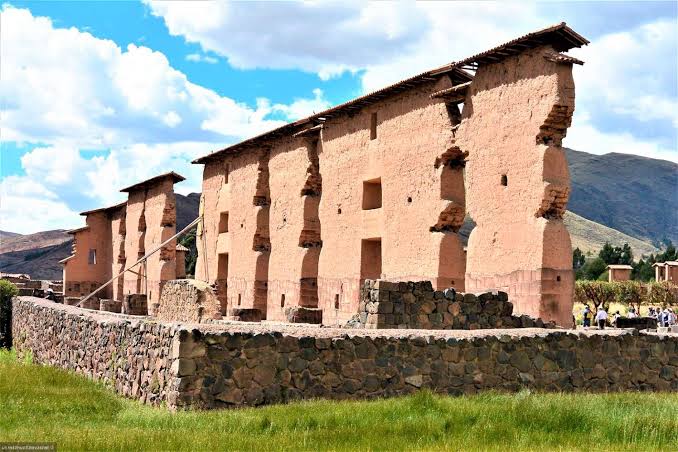
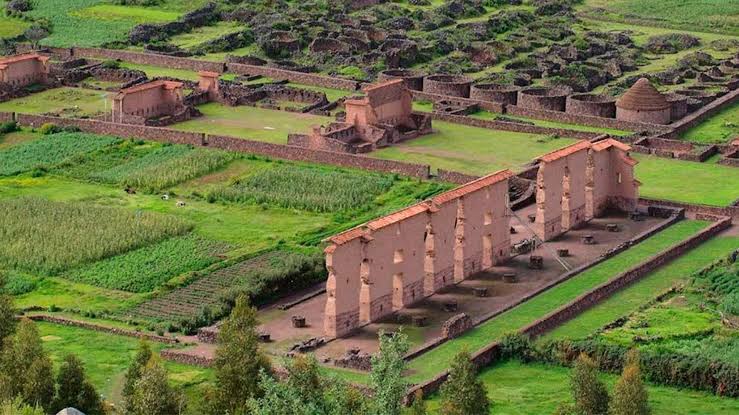
Here you’ll see the remains of the Temple of Wiracocha, with a large central adobe wall built on an Inca stone foundation. Around it are dozens of collcas, circular storage buildings where food was kept. At the entrance, local artisans sell pottery made in the area.
Lunch Along the Route
About halfway through the journey, near Sicuani, the bus stops at a restaurant for a buffet lunch. It’s a good opportunity to try local dishes and stretch your legs before heading up into the highlands.
La Raya Pass
This is the highest point of the journey, at 4,335 m above sea level, and marks the boundary between Cusco and Puno. From the viewpoint, you can see snow-capped mountains, high-altitude wetlands, and herds of alpacas and llamas. The stop is short, so keep your camera handy.
Pucará
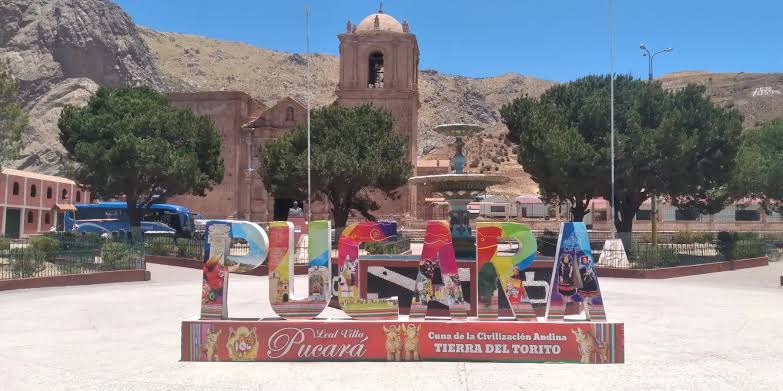
The last stop is Pucará, a town with a stone sculpture museum dedicated to the pre-Inca Pucará culture. It’s also the birthplace of the famous Pucará bulls, ceramic figures you’ll see on the rooftops of many homes in southern Peru.
Tourist Bus vs. Regular Bus: Which Is Better for You?
If you just need to get to Puno, the regular bus is faster. If you want to make the most of the day and explore the places along the way, the Route of the Sun is worth it.
| Route of the Sun (tourist bus) | Regular bus | |
|---|---|---|
| Approx. duration | 10 hours | 7 hours |
| Sightseeing stops | Yes, four or five | No |
| Guide | Yes | No |
| Lunch | Included | Not included |
| Best for | Travelers who want to explore the route | Travelers with limited time |
How to Include the Route of the Sun in a 12-Day Peru Trip
The Route of the Sun fits perfectly at the end of a trip that starts in Lima and continues through Cusco. First, you explore the capital and its cuisine, then head up to Cusco, visit the Sacred Valley, and discover Machu Picchu. Once you’ve adjusted to the altitude, you continue overland to Puno to explore Lake Titicaca.
This order has a practical advantage: Puno is higher than Cusco, so you arrive with your body already adjusted to the altitude. That’s why many southern Peru itineraries follow this sequence, such as this 12-day trip through Lima, Cusco, and Puno, which includes the Route of the Sun between the two cities.
What to Do When You Arrive in Puno
The day after you arrive, you can take a boat ride on Lake Titicaca and visit the Uros Floating Islands, made from totora reeds, and Taquile Island, known for its textiles. It’s the perfect way to end a trip that brings together the coast, mountains, and Andean highlands.
Tips for Enjoying the Journey
- Dress in layers: it’s cold when you leave Cusco, the sun warms things up around midday, and the wind picks up at La Raya Pass.
- Bring sunscreen and sunglasses: UV radiation is strong in the highlands, even on cloudy days.
- Carry cash in Peruvian soles: you’ll need it for handicrafts in Raqchi and Pucará and for entrance fees that aren’t always included.
- Drink water and eat light meals: this helps you feel better when you arrive in Puno.
- Book at least one day in advance: seats fill up quickly during the high season.
If you prefer to have everything arranged, from flights to transfers and tours, you can check out this Lima, Cusco, and Lake Titicaca travel package, which includes the Route of the Sun.
Frequently Asked Questions
How Long Does the Route of the Sun from Cusco to Puno Take?
About 10 hours, including sightseeing stops and lunch. You leave in the morning and arrive in Puno in the late afternoon.
What Places Do You Visit Along the Route of the Sun?
The usual stops are Andahuaylillas, Raqchi, lunch near Sicuani, La Raya Pass, and Pucará.
Is the Route of the Sun Worth It Compared to a Regular Bus?
Yes, if you have a full day available. The journey takes a few hours longer, but the transfer becomes a guided tour through towns and sites you wouldn’t otherwise visit.
Can You Take the Route of the Sun from Puno to Cusco?
Yes, the route operates in both directions, with the same stops but in a different order.
What Is the Best Order to Visit Lima, Cusco, and Puno?
The most comfortable order is Lima first, then Cusco, and finally Puno. This way, you gradually gain altitude and arrive at Lake Titicaca already acclimatized.


