What Is the Inca Trail and Where Does It Come From?
The Inca Trail to Machu Picchu is the best-known section of the Qhapaq Ñan, the network of roads the Incas built to connect their territory. This network stretches over 30,000 km, crosses six present-day countries, and has been a UNESCO World Heritage Site since 2014.
Along the trail, you’ll find stone stairways, lookout posts on hilltops, agricultural terraces, and small ceremonial centers. Everything was built with cut stone, and much of it is still in use.
Today, several of these paths are used as trekking routes. In this guide, you’ll learn about the main routes to Machu Picchu, how they differ, and how to choose the right one for you.
Trekking Routes to Machu Picchu: Quick Comparison
If you’re looking for Inca history along every section of the trail, the Classic Inca Trail is the standard. If you prefer high-mountain landscapes without depending on permits, Salkantay and Lares are the most popular alternatives.
| Route | Days | Approx. distance | Approx. highest point | Difficulty | Limited availability |
|---|---|---|---|---|---|
| Classic Inca Trail | 4 | 42 km | 4,215 m above sea level | Moderate to challenging | Yes |
| Short Inca Trail | 2 | 12 km | 2,700 m above sea level | Easy to moderate | Yes |
| Salkantay | 5 | 60 to 75 km | 4,600 m above sea level | Challenging | No |
| Lares | 3 to 4 | 30 to 35 km | 4,400 m above sea level | Moderate | No |
| Choquequirao to Machu Picchu | 8 to 9 | Over 100 km | 4,600 m above sea level | Very challenging | No |
These figures are approximate and vary depending on the operator and the specific route variation.
Routes to Machu Picchu, One by One
4-Day Classic Inca Trail
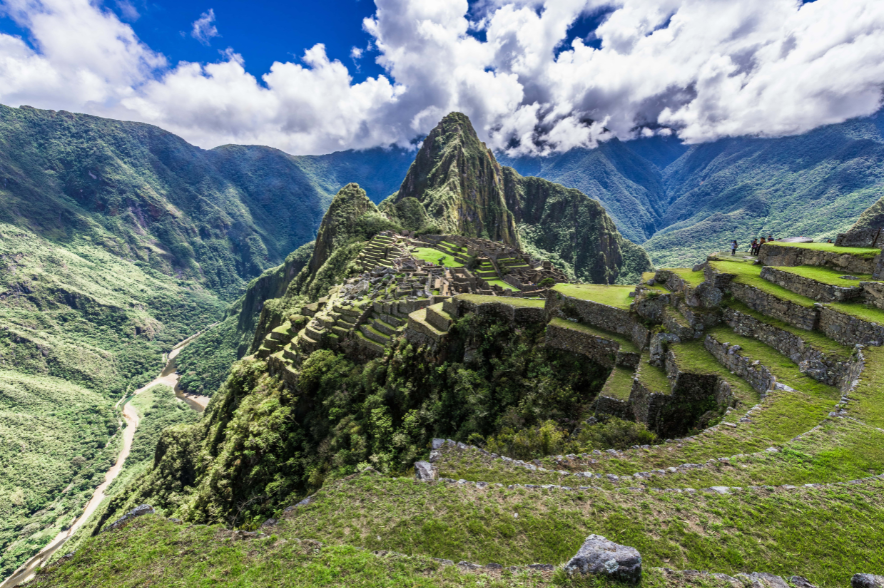
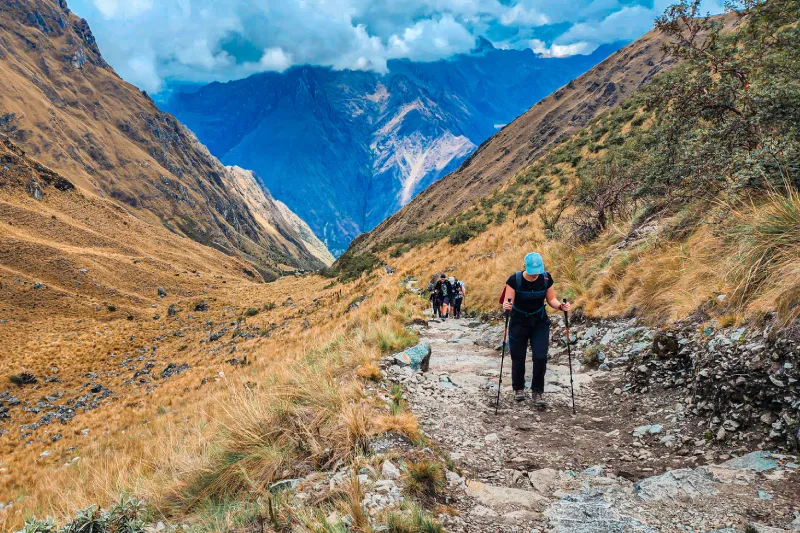
This route follows the original trail to Machu Picchu and is the only one that takes you through the Sun Gate (Inti Punku), with the citadel below you. Over approximately 42 km, you’ll pass archaeological sites that can only be reached on foot, including Runkurakay, Sayacmarka, Phuyupatamarka, and Wiñay Wayna.
The highest pass is Warmiwañusca, at 4,215 m above sea level, on the second day. After that, the trail descends through cloud forest and stone stairways to the entrance of Machu Picchu.
What You Should Know Before Booking
Permits are sold for specific dates and have a daily limit, so it’s best to book several months in advance, especially from May to September. The trail closes every February for maintenance. If this is your choice, you can check the detailed itinerary of the 4-day Classic Inca Trail to see what each day includes.
2-Day Short Inca Trail
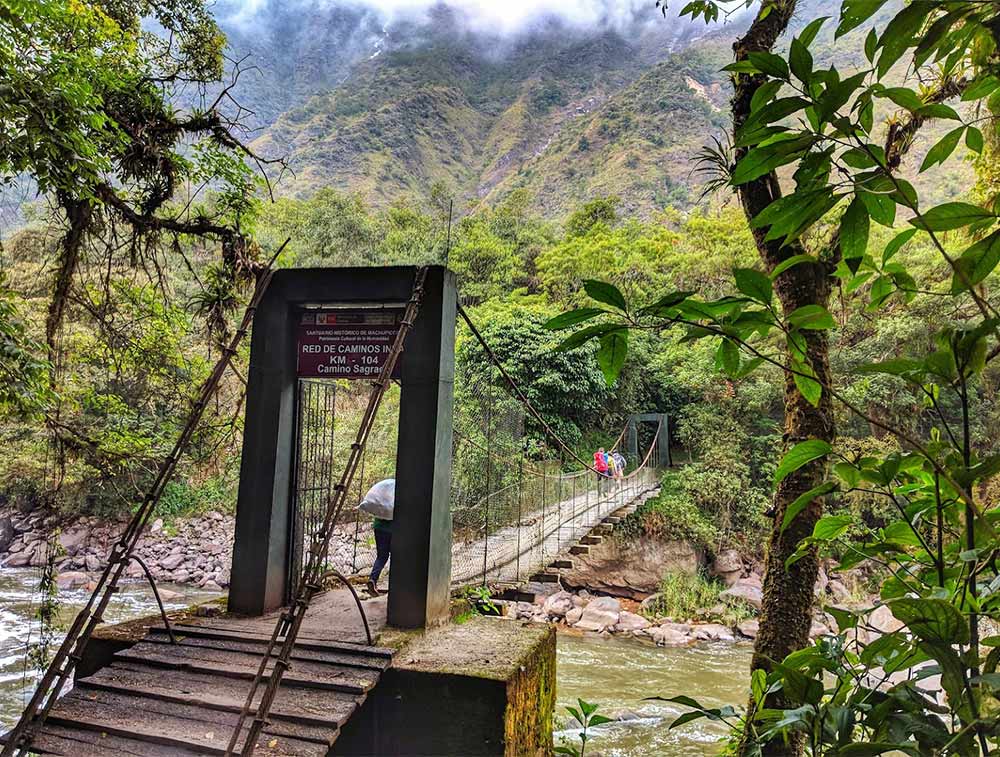
This is a good alternative if you have limited time or prefer an easier hike. It starts at kilometer 104 of the railway, climbs to Wiñay Wayna, and enters Machu Picchu through the Sun Gate that same afternoon.
You spend the night in Aguas Calientes and explore the citadel at a relaxed pace the following day. This route also requires a permit, so book in advance.
Salkantay Trek
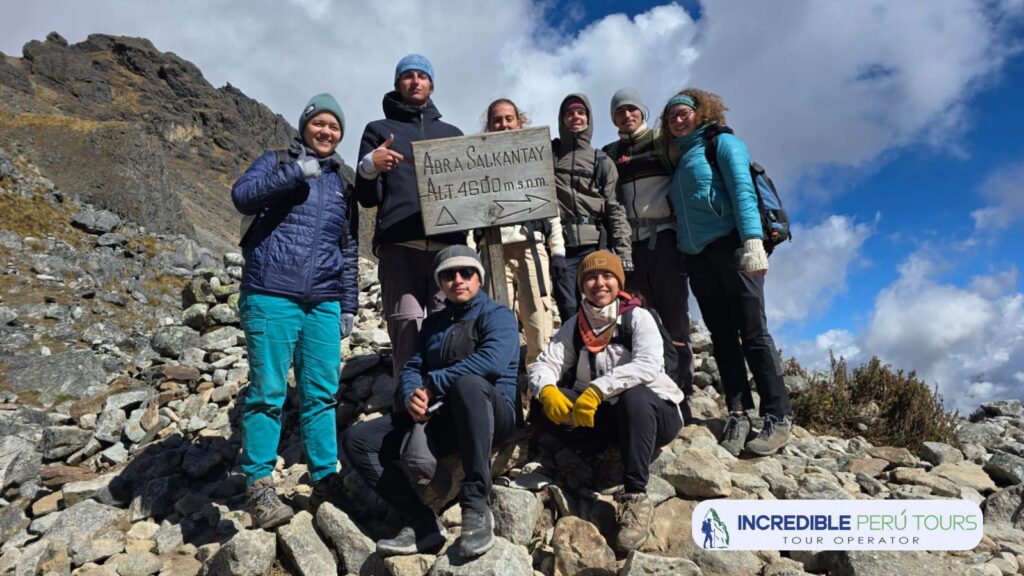
This is the most popular route when Inca Trail permits are no longer available. Over 5 days, you’ll hike between 60 and 75 km at the foot of snow-capped Salkantay Mountain, which rises to 6,271 m above sea level, passing from turquoise lakes such as Humantay to warm valleys with coffee plantations.
Its highest point is around 4,600 m above sea level, so it requires more effort than the Inca Trail. In return, you’ll see glaciers, high jungle, and rural villages in just a few days. Check the full itinerary of the 5-day Salkantay Trek to see how each stage is organized.
Choquequirao to Machu Picchu Trek
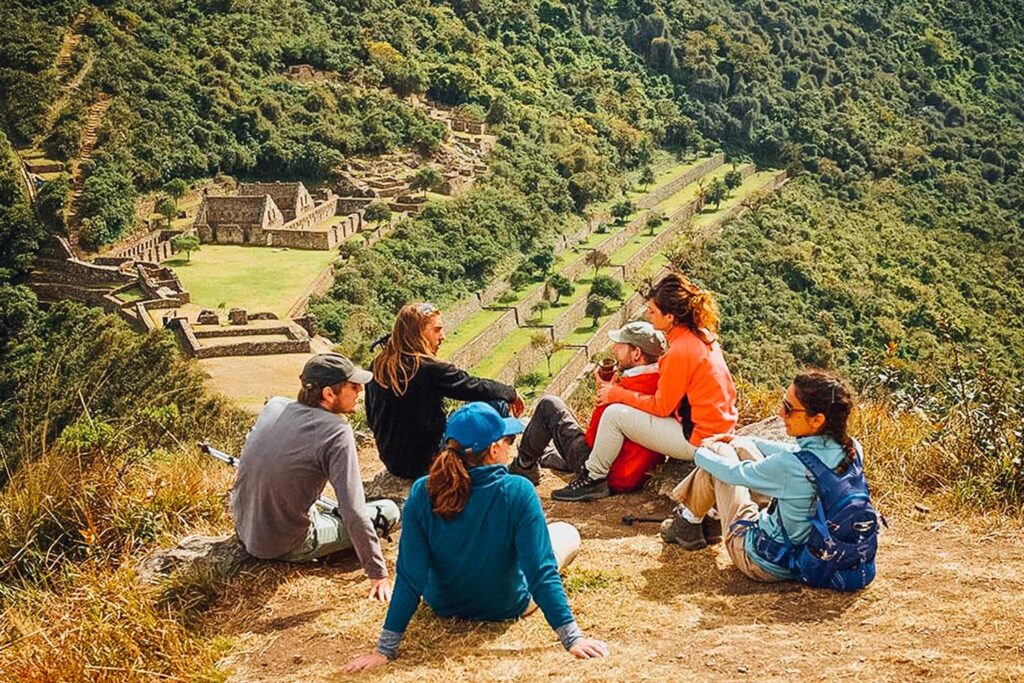
Choquequirao is an Inca complex built above the Apurímac Canyon, at approximately 3,050 m above sea level. It’s known as the sacred sister of Machu Picchu and receives very few visitors, so you can explore its terraces with hardly anyone around.
The complete route to Machu Picchu takes between 8 and 9 days and covers more than 100 km. It’s the longest trek on this list and is intended for travelers who already have experience with multi-day hikes.
Lares Trek
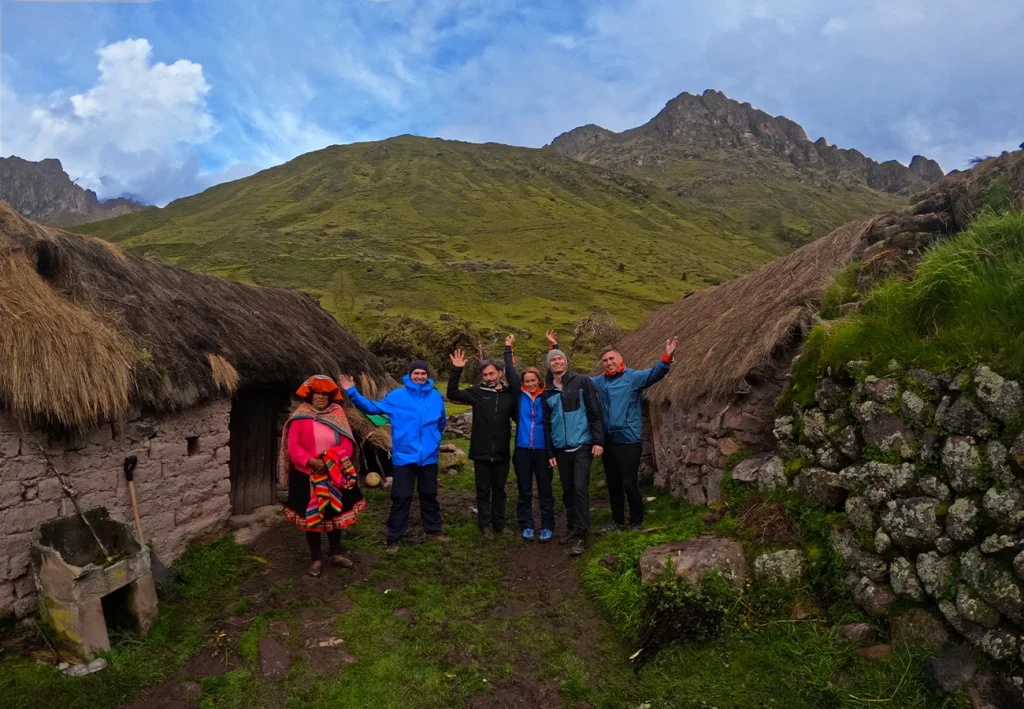
The Lares Trek follows trails still used by local Quechua communities. You’ll hike past lakes, waterfalls, and villages where families raise alpacas and weave using traditional techniques passed down through generations. Some itineraries also include the Lares hot springs.
It lasts 3 to 4 days, including the visit to Machu Picchu, and usually ends with a train ride from Ollantaytambo to Aguas Calientes. It’s a moderate trek and doesn’t require a special permit.
How to Choose the Right Route for Your Trip
The best route depends on three things: how many days you have, your hiking pace, and what interests you most.
- You want Inca history and to enter through the Sun Gate: Classic Inca Trail.
- You have limited time or it’s your first hike: 2-day Short Inca Trail.
- You couldn’t get permits or want snow-capped mountains and lakes: Salkantay.
- You’re interested in community life and a moderate pace: Lares.
- You have experience and want a less-traveled route: Choquequirao.
The dry season, from May to September, brings clear skies and is the most popular time. April and October are good months if you prefer fewer people on the trail.
Tips for Preparing for Your Trek
Book in Advance
Inca Trail permits sell out fastest during the dry season. If you’re traveling between May and September, reserve your date several months in advance. Your tour operator will handle the permit process using your passport.
Allow Time to Acclimatize
Spend at least two days in Cusco, at 3,399 m above sea level, before starting. Walk at a relaxed pace, drink coca tea, and eat light meals. If you experience a headache or unusual fatigue, let your guide know.
What to Pack in Your Backpack
- Trekking boots you’ve already worn before the trip
- Layered clothing: thermal shirt, fleece, and waterproof jacket
- Sunscreen, sunglasses, and a hat
- Reusable water bottle and energy snacks
- Headlamp and trekking poles
- Original passport, required at the entrance checkpoint
During the Trek
Drink water frequently, even if you’re not thirsty. Carry your trash until the next campsite and follow the regulations of the Historic Sanctuary of Machu Picchu and your guide’s instructions.
Protecting the Inca Trail Is Also Part of the Journey
The Inca Trail remains in good condition because it’s protected throughout the year. Daily visitor limits reduce wear on the trail, and the February closure allows for trail repairs, campsite cleaning, and signage inspections.
You can also do your part: stay on marked paths, don’t move stones from the walls, and choose tour operators that treat their porters well. This way, the routes you explore today will remain open for future travelers.
Frequently Asked Questions
How Many Days Does the Inca Trail to Machu Picchu Take?
The classic route takes 4 days and 3 nights. If you have less time, the Short Inca Trail takes 2 days.
How Far in Advance Should I Book the Inca Trail?
For travel between May and September, it’s best to book 4 to 6 months in advance. Other months usually have more available dates.
What Route Can I Take If Inca Trail Permits Are Unavailable?
Salkantay and Lares don’t require special permits and also end at Machu Picchu. You only need your entrance ticket to the citadel.
Do I Need Experience to Hike the Inca Trail?
You don’t need technical experience, but you do need good physical fitness. Going on hikes for a few weeks before your trip will help you enjoy the experience more.
What Is the Best Time of Year to Hike to Machu Picchu?
From May to September, you’ll have clear skies and dry days. From November to March, there’s more rain, the landscape is greener, and the Inca Trail closes for maintenance in February.