
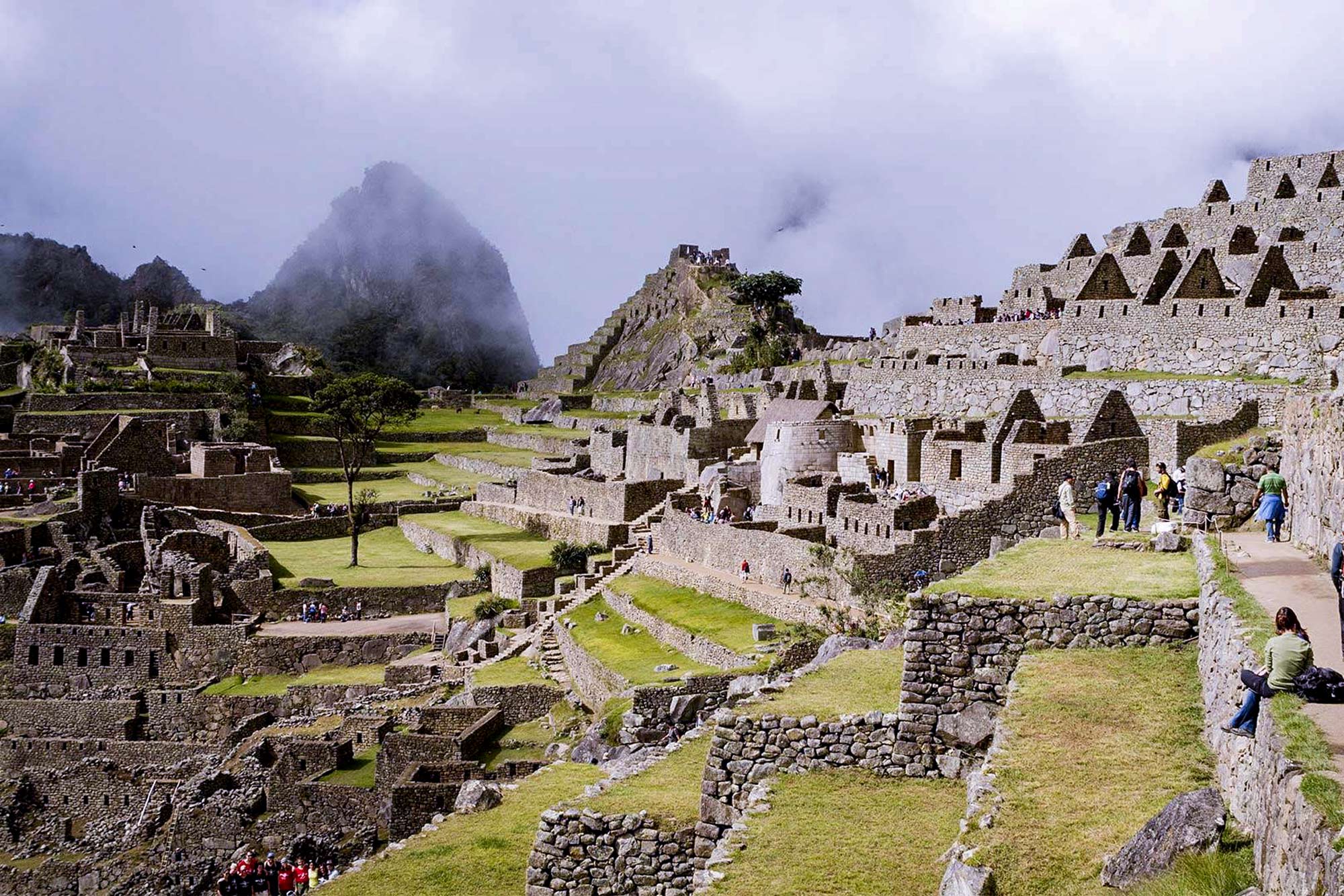
There are seven treks that take you to Machu Picchu, and choosing the right one depends on three things: how many days you have, how well you handle high altitude, and how much you want to spend. If you’re short on time or this is your first trek, the 2-Day Short Inca Trail lets you complete the journey without crossing high mountain passes. If you booked months in advance and want the full experience, the 4-Day Classic Inca Trail remains the only multi-day route that lets you enter the citadel on foot through the Sun Gate.
If you couldn’t get a permit or prefer snowcapped mountain scenery, the Salkantay Trek is the alternative most travelers choose. Lares, Inca Jungle, and Choquequirao cater to more specific interests: connecting with local communities, combining different adventure activities, and completing a long-distance trek.
In this guide, you won’t find a day-by-day itinerary for every route. Instead, you’ll compare the options using practical criteria so you can make a decision before requesting tour quotes.
Which Treks Currently Lead to Machu Picchu?
The routes fall into two groups: those that enter the citadel on foot and those that finish in Aguas Calientes, where you spend the night before heading up the following day. That difference has a greater impact on your arrival experience than almost any other detail.
Routes That Enter on Foot Through the Sun Gate
Only the Inca Trail routes finish at Intipunku, approximately 2,720 meters above sea level, with Machu Picchu spread out below you. It’s the only way to see the citadel from above before stepping inside, and it’s what makes booking so far in advance worthwhile.
These routes have three nonnegotiable requirements: you need a personalized permit subject to daily availability, you must travel with an authorized tour operator, and you must always hike with an official guide. You can choose the 4-day version, the 2-day option with an overnight stay in Aguas Calientes, or the 1-day version that follows the same final stretch.
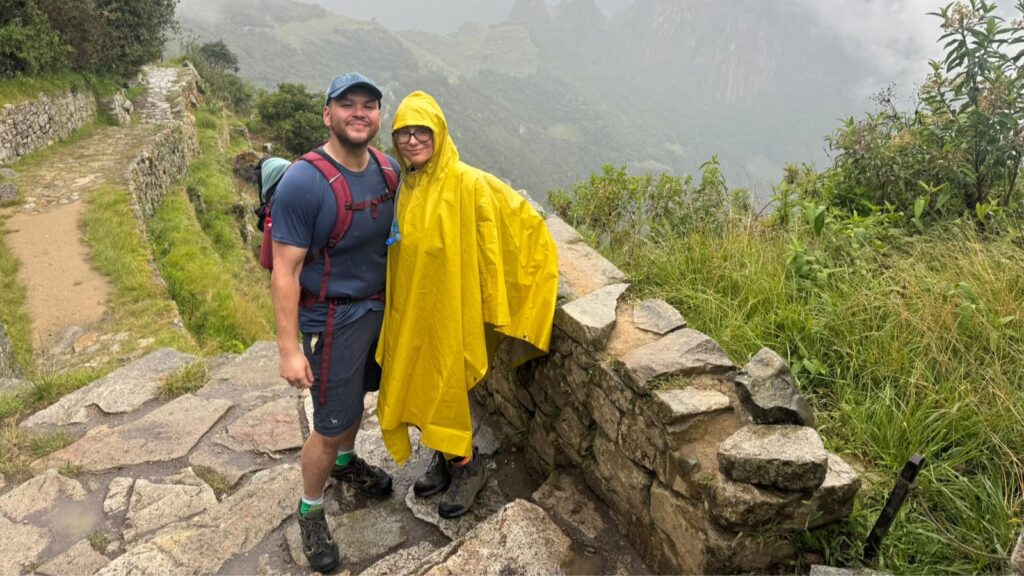
Routes That Finish in Aguas Calientes and Visit the Citadel the Next Day
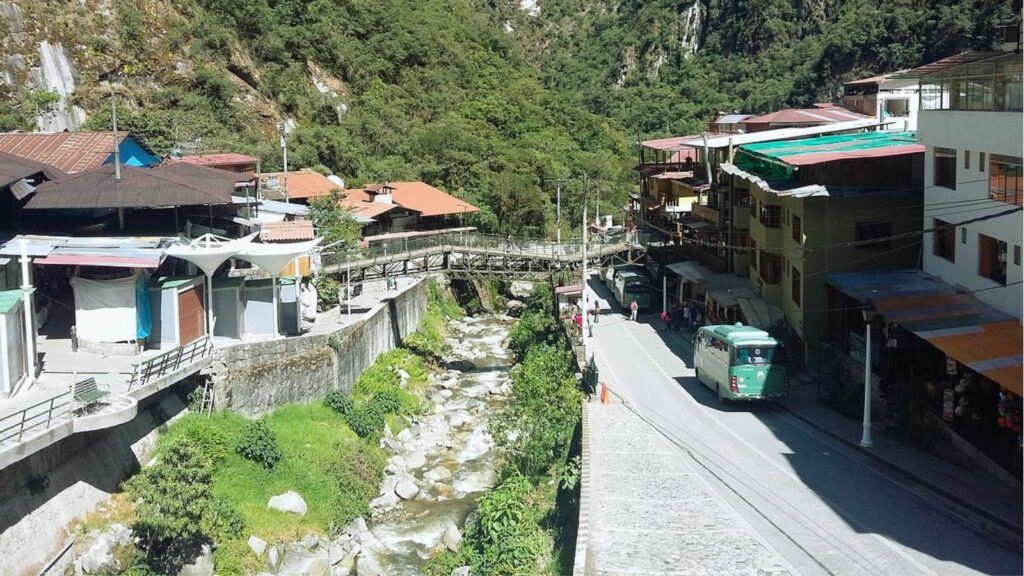
Salkantay, Lares, Inca Jungle, and Choquequirao do not enter through the Sun Gate. You finish your trek in Aguas Calientes, approximately 2,040 meters above sea level, spend the night in a hotel, and take a bus or climb the stairs on foot to the entrance the following day.
In return, these routes don’t depend on limited-entry trail permits, take you through very different landscapes, and generally cost less. On the Lares Trek, the final stretch to Aguas Calientes is also completed by train from Ollantaytambo.
| Route | Days | Highest Point (Meters Above Sea Level) | Limited-Entry Permit | How You Reach the Citadel |
|---|---|---|---|---|
| Classic Inca Trail | 4 | 4,215 (Warmiwañusca) | Yes | On foot through Intipunku |
| Short Inca Trail | 2 | 2,720 (Intipunku) | Yes | On foot through Intipunku |
| 1-Day Inca Trail | 1 | 2,720 (Intipunku) | Yes | On foot through Intipunku |
| Salkantay Trek | 4 or 5 | 4,630 (Salkantay Pass) | No | From Aguas Calientes |
| Lares Trek | 4 | Over 4,400 | No | By train, then from Aguas Calientes |
| Inca Jungle | 3 or 4 | Approx. 4,300 (Abra Malaga, by bicycle) | No | From Aguas Calientes |
| Choquequirao to Machu Picchu | 7 to 9 | Over 4,600 | No | From Aguas Calientes |
Elevations are approximate and may vary depending on the route variation offered by each tour operator.
Choose Based on How Many Days You Have Available
Count your days starting from when you land in Cusco, not from when you begin hiking. Any route that crosses mountain passes above 4,000 meters requires some time in the city beforehand to acclimatize, and that adjustment period is often the first thing travelers cut when their itinerary is tight.
If You Only Have 1 or 2 Days for Hiking
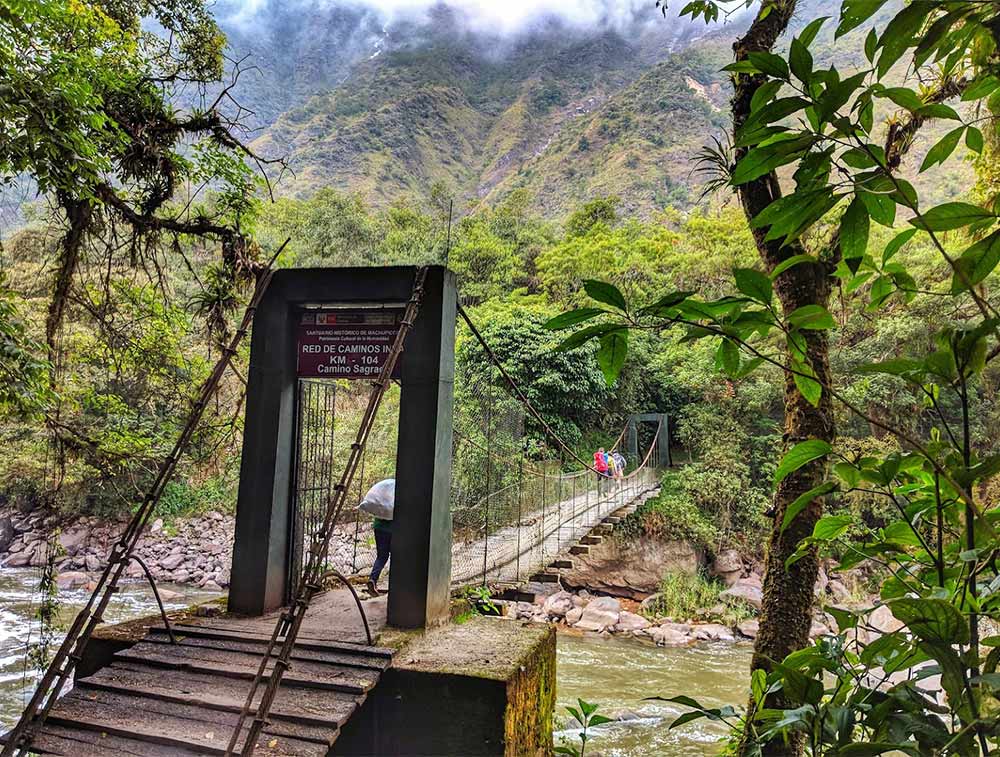
Your best option is the Short Inca Trail. It starts at Kilometer 104 of the railway, in Chachabamba, passes through the Wiñay Wayna archaeological complex, and reaches Intipunku after approximately 12 km of stone-paved trails.
The 2-day version lets you spend the night in Aguas Calientes and explore Machu Picchu at a relaxed pace the following morning. The 1-day version covers the same section, but you arrive tired and have less time to explore the citadel. If your schedule allows it, the 2-day option is worth the extra night.
If You Have 4 or 5 Days in Your Itinerary
This is where you’ll find the most options. If you have a permit, the Classic Inca Trail takes exactly 4 days. Without a permit, the 5-day Salkantay Trek spreads out the physical effort better than the 4-day version, which combines the mountain pass crossing with a very long descent on the same day.
The Lares Trek fits into 4 days at a more relaxed pace. Inca Jungle can be completed in 3 or 4 days and is the only route in this group that replaces part of the hiking with cycling.
If You’re Looking for a Long Trek of One Week or More
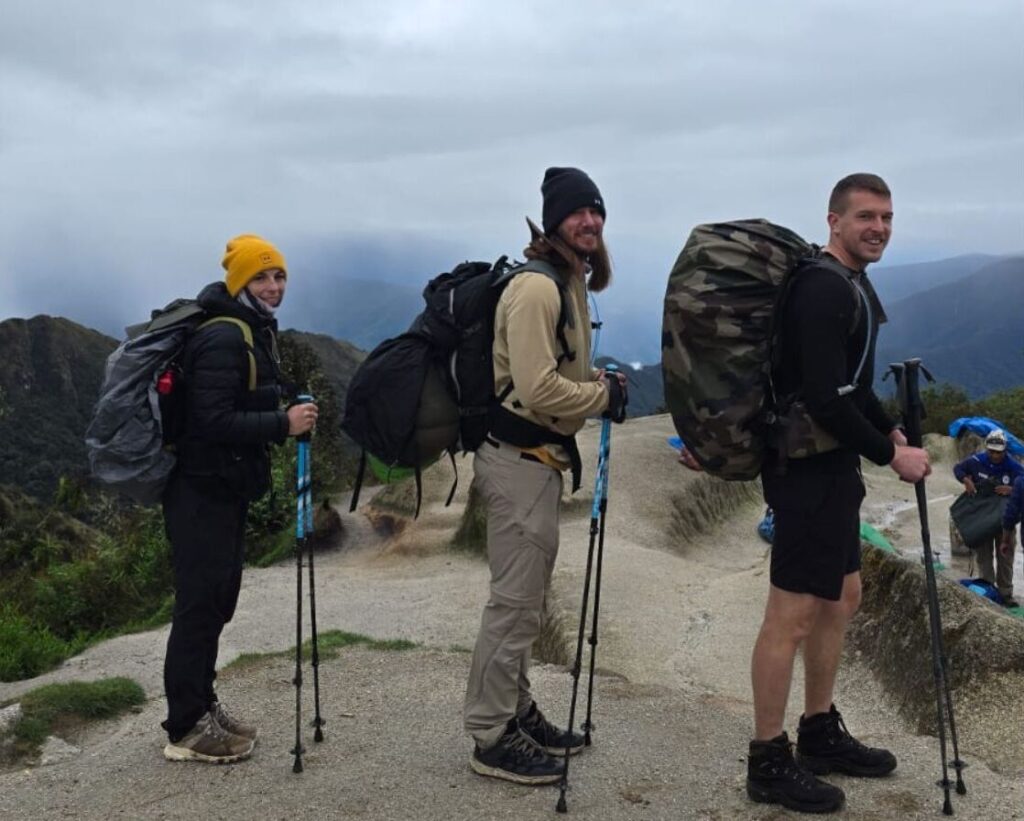
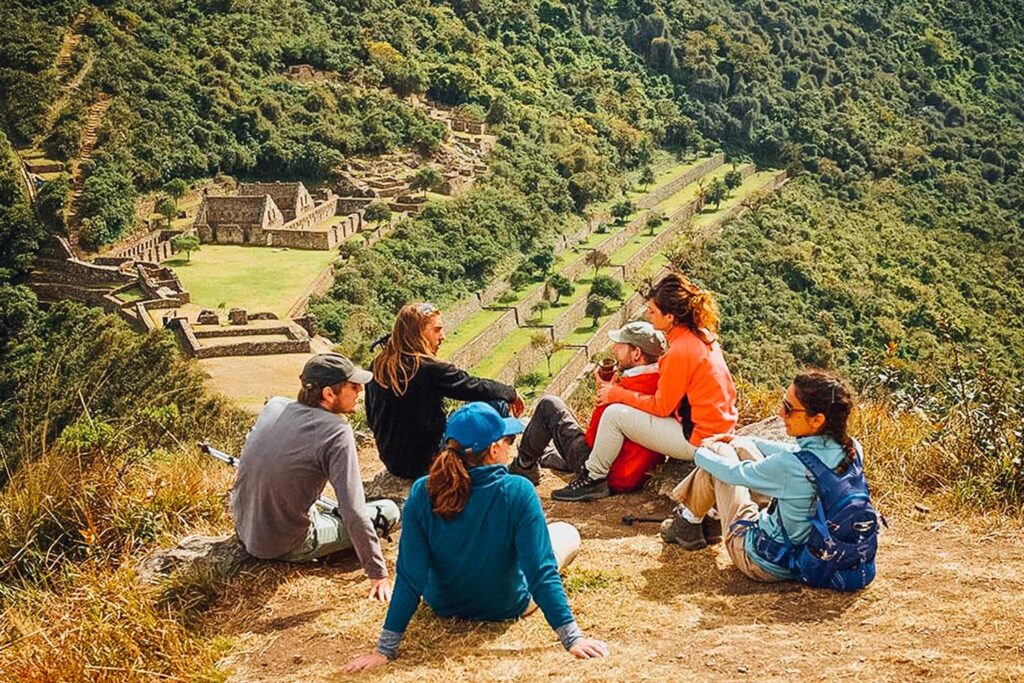
The Choquequirao to Machu Picchu route connects two Inca cities over 7 to 9 days, crossing the Apurimac Canyon and several high mountain passes. You’ll encounter very few people along the way and arrive at Machu Picchu with a perspective no other route offers: you’ll have already explored its sister city.
This is a journey in itself. It’s not advisable to squeeze it into an itinerary that includes other destinations in Peru if you have less than three weeks.
How Many Acclimatization Days You Should Add
Cusco sits at approximately 3,400 meters above sea level. For these routes, allow at least the following number of days before starting:
- Short Inca Trail: 1 day, ideally spending the night in the Sacred Valley, which is lower than Cusco.
- Inca Jungle: 1 or 2 days, because the first day starts above 4,000 meters even though you descend by bicycle.
- Classic Inca Trail, Lares, and Salkantay: At least 2 days.
- Choquequirao to Machu Picchu: 2 to 3 days, preferably including a short practice hike.
If you’d like more specific guidance on this, check how many days we recommend in our acclimatization guide before hiking the Inca Trail.
Choose Based on Your Fitness Level and Trekking Experience
On these routes, altitude has a greater impact on difficulty than distance. The hardest day on each trek is almost always the day you cross a mountain pass, so pay more attention to that particular day than to the total number of kilometers.
Routes for First-Time High-Altitude Hikers
The Short Inca Trail is the most manageable route. It doesn’t go above 2,720 meters, and the main challenge is the stone steps rather than the thinner air. If you exercise regularly, you should be able to complete it without major problems.
Inca Jungle also works for beginners, with one important consideration: the first day involves a long downhill bike ride on a road, while the second includes several hours of hiking in hot and humid conditions. If you’re not comfortable riding a bicycle, this isn’t the route for you.
Moderately Challenging Routes with a Single Mountain Pass
The Classic Inca Trail concentrates most of the effort on the second day, with the climb to Warmiwañusca and a long descent down stone steps that puts considerable strain on your knees. Lares has mountain passes at similar elevations, but with fewer people and gentler dirt trails that are easier on your legs.
The Salkantay Trek also falls into this category, although at the upper end of the difficulty range. Its mountain pass is the highest among the commonly traveled routes, and the day you cross it can involve more than nine hours of hiking. If you’ve already completed a day hike above 4,000 meters, you’re better prepared for the challenge.
Routes for Experienced High-Altitude Trekkers
The Choquequirao to Machu Picchu trek demands both physical and mental endurance. You’ll descend and climb elevation differences of more than 1,400 meters in a single day, cross several mountain passes, and spend nights at very remote campsites. It’s worthwhile only if you’ve already completed multi-day treks while carrying gear and know how your body responds to accumulated fatigue.
| Route | Most Challenging Day | What Makes It Difficult | Hiking Hours That Day |
|---|---|---|---|
| Short Inca Trail | Day 1 | Stone steps between Chachabamba and Wiñay Wayna | 6 to 7 |
| Inca Jungle | Day 2 | Long stretch through the hot, humid cloud forest | 6 to 8 |
| Lares Trek | Day 2 | Mountain pass above 4,400 meters | 6 to 7 |
| Classic Inca Trail | Day 2 | Climb to 4,215 meters and descent down stone steps | 7 to 8 |
| Salkantay Trek | Day 2 | Mountain pass at 4,630 meters and long descent toward the jungle | 9 to 10 |
| Choquequirao to Machu Picchu | Days 1 to 3 | Elevation changes of more than 1,400 meters in the Apurimac Canyon | 8 to 10 |
Hiking times are approximate and depend on the group’s pace. For details about each section, check our guides on Inca Trail difficulty and Salkantay Trek difficulty. If you’ve never been trekking before, start with our Inca Trail for beginners guide.
Choose Based on Your Budget
The price of a trek depends less on the number of days and more on what’s included: permits, return train tickets, accommodation type, and group size. For group tours, Inca Jungle and Salkantay are generally the most affordable options, while the Classic Inca Trail is the most expensive per day.
Why Some Treks Cost More Than Others
The Inca Trail has expenses that other routes don’t: the official permit, the requirement to travel with an authorized operator, and regulated working conditions for porters. That’s why, for the same number of days, it always costs more.
On the other routes, the price increases based on four decisions you can control:
- The return trip from Aguas Calientes: Taking the train costs considerably more than walking to Hidroelectrica and returning by bus.
- Accommodation along the route: Tents, cabins, domes, and ecolodges can make a big difference in price, especially on the Salkantay Trek.
- The type of service: A group of 12 people shares fixed costs, while a private group covers those expenses on its own.
- Extras: A mule to carry your luggage, a personal porter, trekking poles, or a sleeping bag rated for colder temperatures.
Budget-Friendly Options Without Compromising Safety
If you’re on a tight budget, combine a group Salkantay or Inca Jungle trek with a return trip through Hidroelectrica. This is the approach most backpackers use, and it works well.
What you shouldn’t cut back on is a licensed guide, a first-aid kit with oxygen, enough food, and insurance that covers high-altitude activities. A price far below the average almost always means something has been reduced in one of these areas. Before paying, read our guide on how to choose an Inca Trail tour operator; the same criteria apply to any trekking route.
When Is Glamping or a Private Tour Worth the Extra Cost?
Domes on the Salkantay Trek are worth considering if you’re concerned about the cold. Temperatures near the snowcapped mountain drop below freezing at night, and sleeping in a proper bed beneath a transparent roof can make a big difference to your rest. Private tours are worthwhile if you’re traveling with children, older adults, or a group with very different hiking paces.
On the Inca Trail, hiring an additional porter allows you to hike with just your daypack, something you’ll appreciate during the climb to Warmiwañusca. To compare both options, check out our guide to group vs. private Inca Trail tours.
The Inca Trail Permit and How It Affects Your Decision
The Inca Trail is the only route on this list with a controlled daily visitor limit, and that determines when you can book. The permit is issued in your name and linked to your passport number, cannot be transferred, and must be arranged through an authorized tour operator. For travel dates between May and August, permits often sell out months in advance.
If your travel dates are already fixed and no permits are available, don’t try to force the itinerary. Choose another route instead. You’ll find details about the application process in our Inca Trail permits guide.
Routes That Don’t Require Inca Trail Permits and Can Be Booked on Short Notice
Salkantay, Lares, Inca Jungle, and Choquequirao don’t have daily entry quotas for their trails. You can book them just a few weeks in advance, even during the peak travel season.
What does sell out is what comes afterward: admission to Machu Picchu for your preferred circuit and return train tickets at convenient departure times. Ask your tour operator to confirm both before paying for the trek. If the Inca Trail is already fully booked, check our guide on what to do when Inca Trail permits sell out.
Which Treks Remain Open When the Inca Trail Closes in February?
The entire Inca Trail network closes for maintenance throughout February, including the shorter versions. Salkantay, Lares, and Inca Jungle continue operating, although this is the height of the rainy season. If February is the only month you can travel, our guide to the Inca Trail in February explains how to reorganize your trip.
How Each Trek Changes Between the Dry and Rainy Seasons
Between April and October, all the routes generally offer good hiking conditions. From November through March, rain affects some routes more than others, which can influence your decision if you’re traveling during those months.
Routes That Hold Up Well During the Rainy Season
Both the long and short versions of the Inca Trail handle wet weather better because much of the route is stone-paved and the campsites are established. You’ll get wet, and the stones can become slippery, but the trail doesn’t turn into a muddy path.
Lares is also a reasonable option. The mountain passes are cold and cloudy, but the paths between communities are relatively stable, and there’s less risk of trail closures.
Routes Where Mud and Snow Make Hiking More Difficult
On the Salkantay Trek, snow can fall at the mountain pass, while the descent toward the jungle becomes muddy. Inca Jungle depends on roads exposed to landslides, and rafting activities are often suspended when river levels rise.
Choquequirao is the most affected route. Its dirt descents become extremely slippery, and several tour operators don’t operate the trek between January and March. To plan your trip by month, check our guides to the best time to hike the Inca Trail and the best time to do the Salkantay Trek.
Which Machu Picchu Trek Best Matches Your Travel Style?
Once you’ve considered your available days, fitness level, and budget, you’ll usually have two or three possible routes left. The final decision often comes down to who you’re traveling with and what kind of experience you want along the way.
Traveling as a Family with Children
The 2-Day Short Inca Trail is the best fit: relatively low elevation, just one day of hiking, and an overnight stay in a hotel. For longer routes, check the recommended ages and precautions in our guide to hiking the Inca Trail with children before booking.
Traveling as a Couple or with Friends
For couples, a Salkantay Trek with overnight stays in domes combines physical adventure with comfortable rest and clear night skies. A group of active friends will often enjoy Inca Jungle more, with cycling, zip-lining, and hot springs all included in the same trip. If you prefer the classic experience, check out what it’s like to hike the Inca Trail as a couple.
Traveling Solo and Wanting to Join a Group
Salkantay and Inca Jungle offer almost daily departures with groups of travelers from many different countries, making it easy to join one. On the Inca Trail, you’ll also hike in a group, although availability depends on the permits for your chosen date. Everything you need to know is covered in our guide to the Inca Trail for Solo Travelers.
Interested in Connecting with Quechua Communities
Lares is the route for you. You’ll pass through communities where people practice traditional weaving techniques passed down for centuries, cross llama and alpaca grazing areas, and encounter very few tourists. If you’re deciding between the two, our Inca Trail vs. Lares Trek comparison can help you choose.
Looking for Snowcapped Mountains and Turquoise Lakes Along the Way
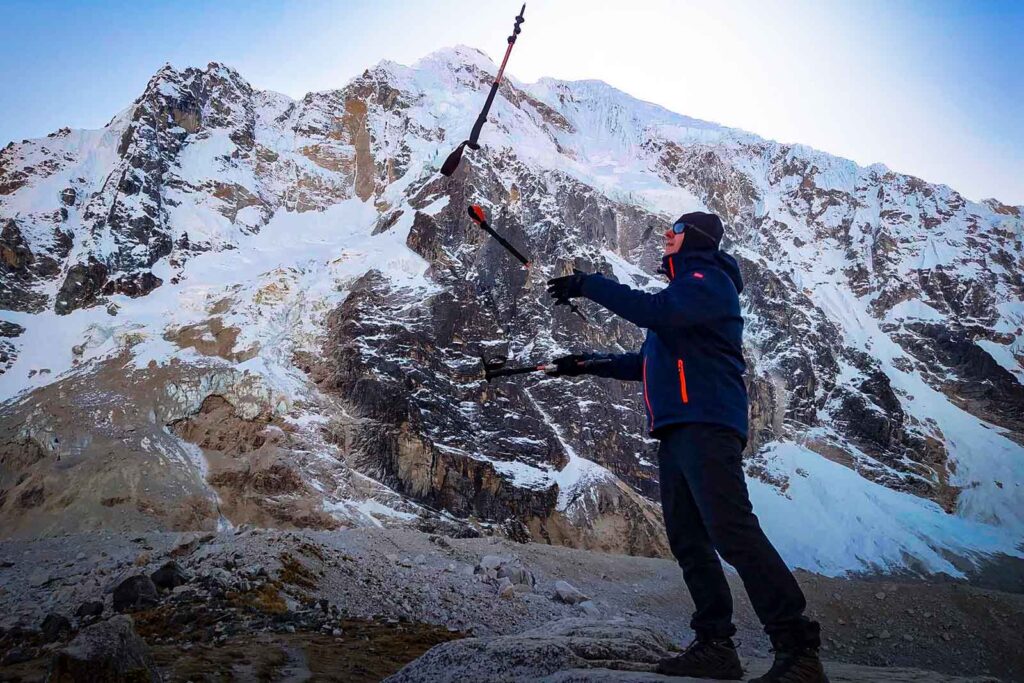
The Salkantay Trek offers views of the snowcapped mountain that gives the route its name, rising more than 6,200 meters above sea level, and many itineraries include Humantay Lake on the first day. In just a few days, you’ll travel from icy mountain landscapes to the cloud forest. To see how it compares with the classic route, check our Inca Trail vs. Salkantay Trek guide.
Prefer to Combine Hiking with Cycling and Zip-Lining
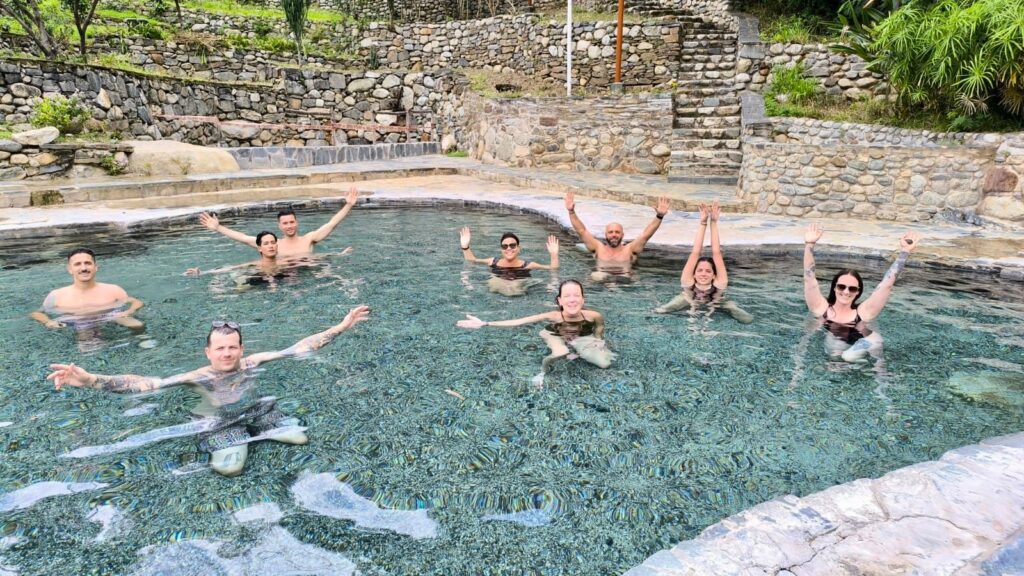
Inca Jungle combines a downhill bike ride from Abra Malaga, optional rafting, zip-lining in Santa Teresa, and a visit to the Cocalmayo Hot Springs. You’ll spend less time hiking than on the other routes and enjoy a wider variety of activities. Our Inca Trail vs. Inca Jungle Trek comparison explains what you gain and what you give up with each option.
Your Best Trek at a Glance Based on Your Travel Profile
Find the situation that best describes you in the first column, and you’ll see the route that fits you best, along with a second option in case your first choice isn’t available.
| If You Are… | Your Best Option | Alternative |
|---|---|---|
| A first-time trekker with limited time | 2-Day Short Inca Trail | Inca Jungle |
| Wanting to enter through the Sun Gate and booked months ahead | 4-Day Classic Inca Trail | 2-Day Short Inca Trail |
| Unable to get an Inca Trail permit | Salkantay Trek | Lares Trek |
| Looking for high-altitude mountain scenery | Salkantay Trek | Choquequirao to Machu Picchu |
| Traveling with children or older adults | 2-Day Short Inca Trail | Train and guided tour |
| Traveling on a tight budget | Inca Jungle | Group Salkantay Trek |
| Interested in local communities and fewer crowds | Lares Trek | Salkantay with an ecolodge stay |
| An experienced trekker with a full week available | Choquequirao to Machu Picchu | 5-Day Salkantay Trek |
| Only able to travel in February | Salkantay Trek | Lares Trek |
Frequently Asked Questions About Treks to Machu Picchu
What Is the Easiest Trek to Machu Picchu?
The 2-Day Short Inca Trail. It covers approximately 12 km without going above 2,720 meters, and you spend the night in a hotel before visiting the citadel. The main challenge is the stone steps, not the altitude.
Can You Hike to Machu Picchu Without an Inca Trail Permit?
Yes. Salkantay, Lares, Inca Jungle, and Choquequirao don’t require an Inca Trail permit. However, you always need an entrance ticket to Machu Picchu, which can be purchased separately or included in your tour package.
Which Trek Has the Best Mountain Scenery?
The Salkantay Trek, thanks to its snowcapped mountain, the 4,630-meter pass, and the transition into the jungle over just a few days. If you’re looking for deep canyons and solitude, the Choquequirao to Machu Picchu route offers an even more remote and rugged landscape.
Is the Machu Picchu Entrance Ticket Included in Trekking Tours?
It’s included in most tour packages, but check which circuit is covered and whether Huayna Picchu Mountain or Machu Picchu Mountain requires an additional fee. Ask for a written breakdown before booking.
What Is the Cheapest Way to Hike to Machu Picchu?
A group Salkantay or Inca Jungle trek, returning on foot to Hidroelectrica and then by bus to Cusco instead of taking the train. This lets you save money without giving up a guide, meals, or safety.
Can I Do Any of These Treks Without a Guide?
Not the Inca Trail. Regulations require you to travel with an authorized tour operator and an official guide. Salkantay and Lares can be completed independently if you have experience and know how to navigate mountain trails. First, read our guide on whether hiking the Salkantay Trek without a guide is really a suitable option for you.


