
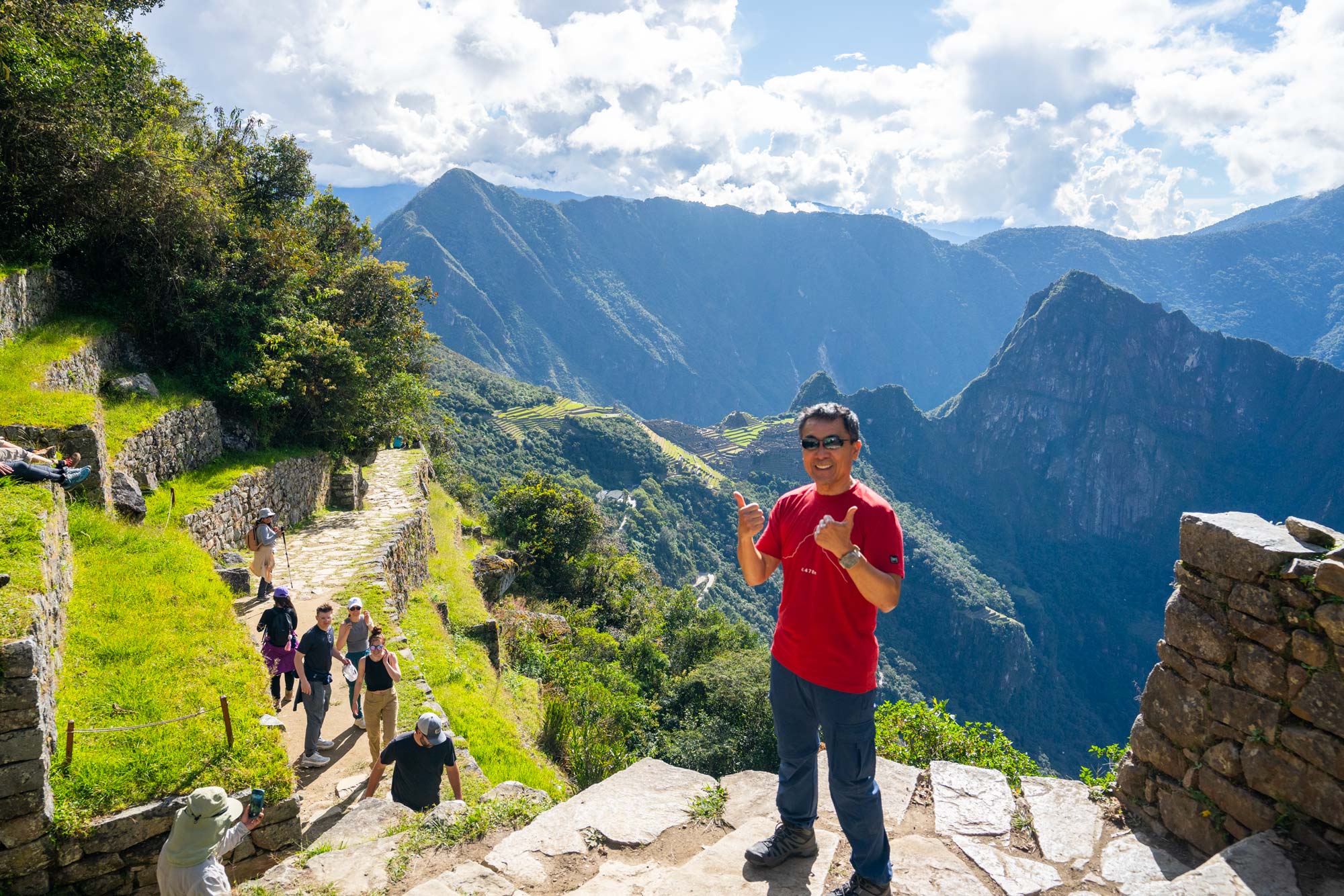
The Inca Trail is one of the most popular treks in the world among solo travelers, and it’s no coincidence. The four days of the route combine something that few tourist destinations can offer to someone traveling alone: a logistical structure that works without needing anyone else, an experience that becomes more intense the more present the traveler is, and the dynamics of shared groups that turn the journey into an organic way to meet people from all over the world in a context that encourages genuine connections.
This guide explains how the Inca Trail works for someone arriving alone, what to expect from a shared group, the real advantages of doing this trek solo, and what you should know before confirming your booking.
How booking works for a solo traveler
The Inca Trail cannot be done completely independently because the official permit from the Ministry of Culture can only be processed through authorized agencies, and a certified guide is mandatory. For a traveler arriving alone, this means booking through an agency that operates the trek in a group format, where each person purchases their spot individually and the final group is formed with all participants who have booked the same dates.
This is the most common way solo travelers do the Inca Trail, and also the most affordable, because the fixed costs of the guide, porters, and camping equipment are shared among all participants. For high season dates, from May to August, booking individually several months in advance is necessary because permits sell out quickly. In low season, availability is higher, but it’s still recommended not to wait until the day before you want to depart.
What Inca Trail groups are like: who you’ll meet
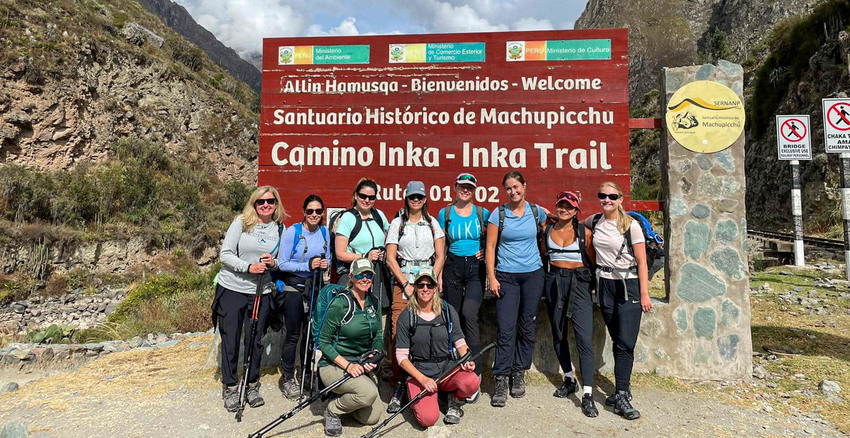
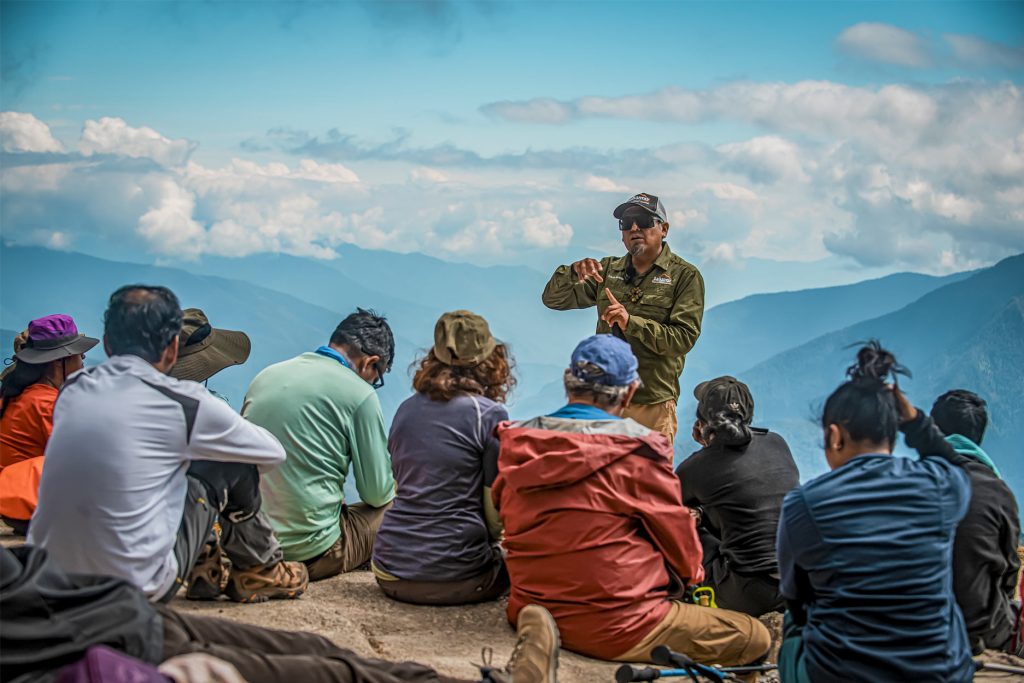
Shared Inca Trail groups are unpredictable mixes that have the route in common and almost nothing else. A single group might include an Australian couple on their honeymoon, a twenty-year-old American student traveling through South America for the first time, a forty-year-old German professional who has been trekking for years, and a Chilean teacher who has always wanted to see Machu Picchu. That diversity is part of the character of the Inca Trail in group format and creates a dynamic that, in most cases, pleasantly surprises first-time participants.
The typical size of shared groups ranges between six and sixteen people, depending on the operator and the season. Smaller groups allow for a more personal experience both with the guide and among participants. Larger groups have a different collective energy, with more voices and stories, but also require more coordination during stops and regrouping moments.
The social dynamic: what happens over four days of camping
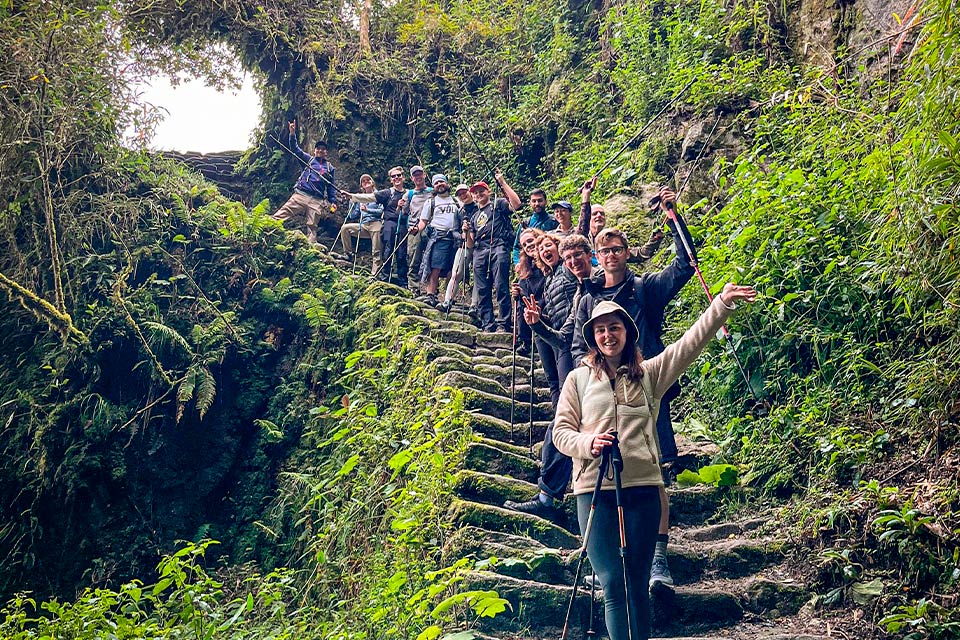
Most people who do the Inca Trail in a group and arrive alone describe it the same way afterward: by the end of the fourth day, the group of strangers from the first campsite has become something hard to define with a single word. Not exactly friends, not exactly travel companions, but not strangers anymore either. Something in between that shared effort, cold nights, and miles walked together naturally create without anyone planning it.
Conversations at camp at the end of the second day, after crossing Warmiwañusca and as the body begins to recover on the sleeping pad, have a different quality than those in any hostel or traveler bar. Shared exhaustion lowers defenses in a way that makes honesty easier. People talk about what they really think, what they do with their lives, and why they are on that specific trail at that specific moment. It doesn’t happen in every group, but it happens often enough to be one of the things solo travelers mention most when describing the experience.
The advantages of doing the Inca Trail solo
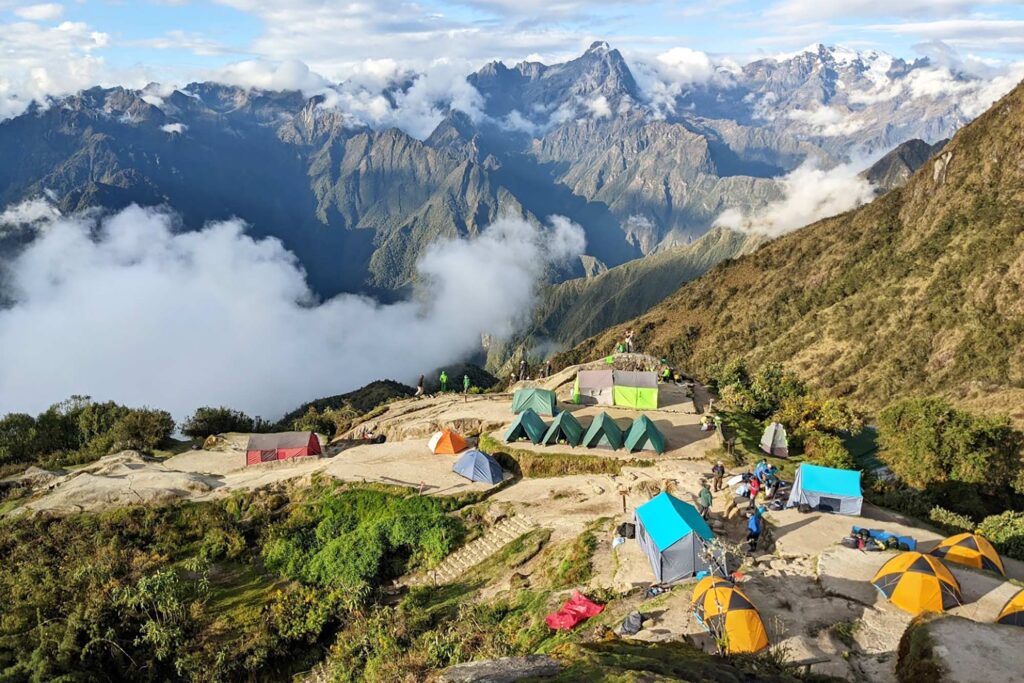
There are concrete advantages to doing the Inca Trail without prior company that are not always obvious before booking.
The first is freedom of attention. Without the need to manage another person’s experience, a solo traveler can move completely at their own emotional and intellectual pace during the trek. If they want to spend fifteen minutes in silence in front of the water fountains of Phuyupatamarca, they do. If they want to ask the guide for half an hour about the astronomical function of the Intihuatana, they do. If they simply want to walk without talking to anyone for a long stretch on the third day, they do that too. This freedom creates a way of experiencing the trek that is difficult to achieve when sharing it with someone who has their own needs for pace and attention.
The second is openness to the group. Someone who arrives at the Inca Trail as part of a couple or a group of friends has a pre-established social bubble that often reduces interaction with others. A solo traveler doesn’t have that bubble and is naturally more open to the group dynamic, which in practice means more conversations, more exchanges, and a richer social experience overall.
The third is ownership of the memory. The Inca Trail creates specific and intense memories that are entirely personal when experienced alone. There’s no one else remembering the same moment in the same way, no shared version of what happened at Dead Woman’s Pass. What you take from the trek belongs entirely to you.
Safety considerations for solo travelers
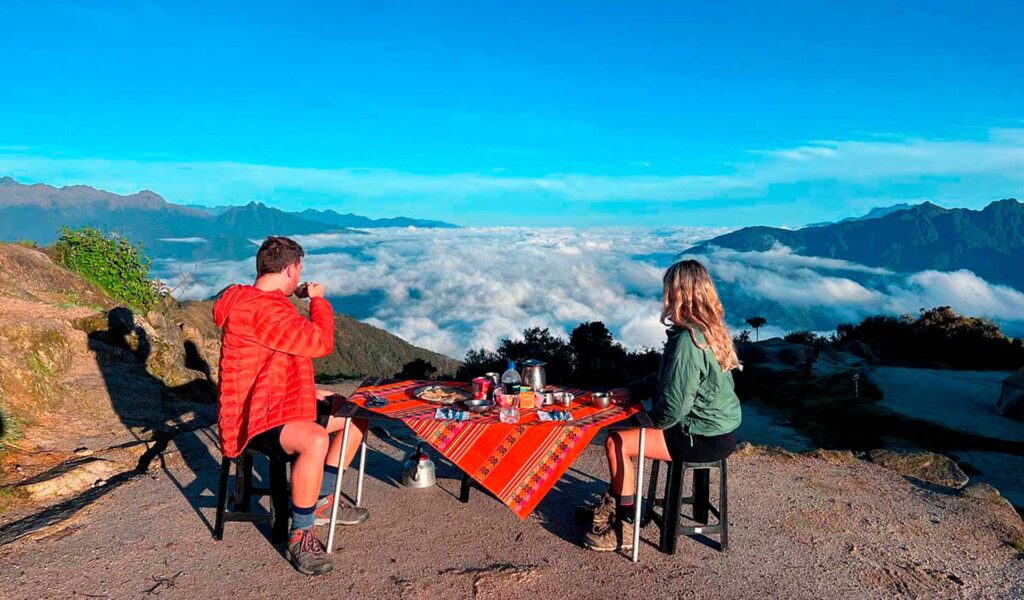
The Inca Trail in a group has a safety structure that especially benefits solo travelers. The certified guide is present throughout the four days and knows the physical condition of each participant. Park rangers from the Ministry of Culture are present at control points along the trail. The team of porters moves with the group and maintains coverage throughout the route, significantly reducing the risk of isolation in case of unforeseen situations.
For someone traveling alone with a relevant health condition, such as a history of high blood pressure, diabetes, or a recent joint injury, communicating this to the guide at the start of the trek is especially important. On the Inca Trail, there’s no one else who can inform the support team if the traveler is unable to do so at that moment.
Single tent supplement in camps
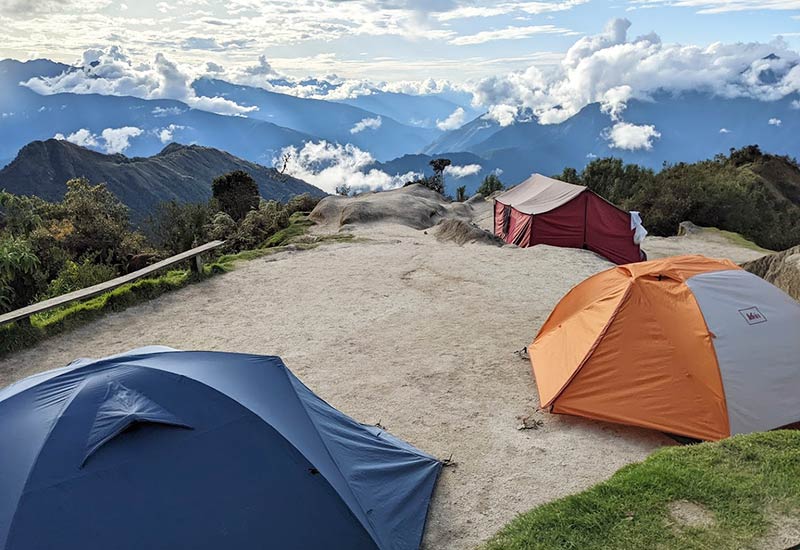
In group packages for the Inca Trail, solo participants usually share a tent with another person of the same gender. This reduces the overall cost but means spending four nights with someone you didn’t know before the trek. In most cases, this arrangement works perfectly well: daily fatigue makes time in the tent minimal, and sleep comes quickly.
However, some travelers prefer a private tent for reasons of privacy, sleep routines, or personal preference. Some operators offer a single tent supplement for solo travelers at an additional cost ranging between $20 and $40 per night, depending on the operator. For those who value that personal space at the end of each day, the extra cost makes sense. For those who don’t mind sharing, it’s not necessary.
What to ask your agency before booking as a solo traveler
There are specific questions a solo traveler should ask before confirming a booking in a shared Inca Trail group.
The first is the maximum group size for your dates. A group of eight is very different from one of sixteen, and that difference directly affects the social experience and pace of the trek.
The second is whether a single tent option is available and what the supplement cost is.
The third is the agency’s policy if the group ends up with very few participants or even just one. Some operators guarantee departures regardless of group size, while others cancel if they don’t reach a minimum.
The Inca Trail as a way to reconnect with yourself
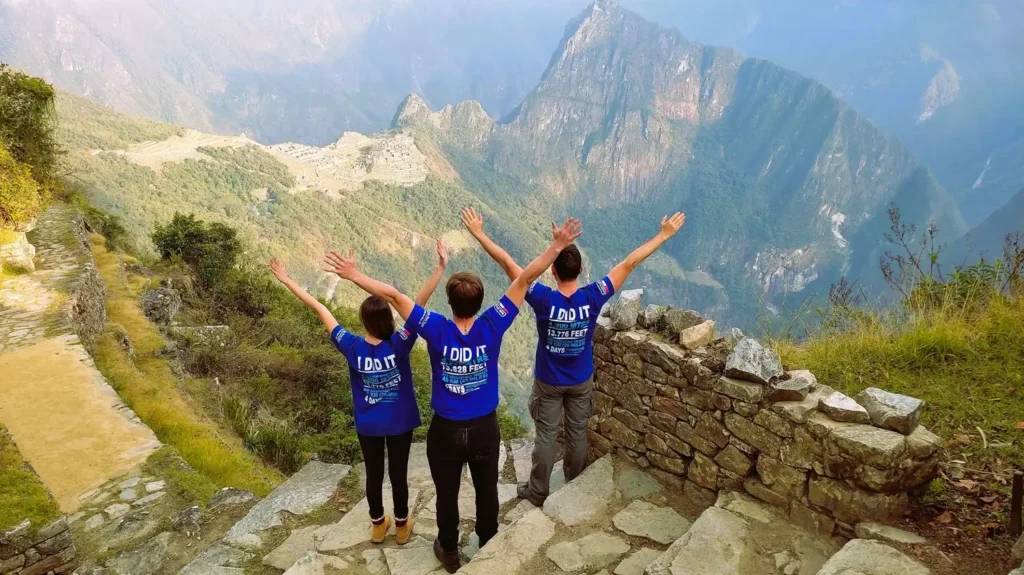
There’s something solo travelers who complete the Inca Trail mention frequently: the four days of the trek gave them back something that everyday connected life had taken without them noticing the ability to be fully present in a place without screens, schedules, or demands from others.
The Inca Trail doesn’t create this for everyone. But for those who arrive alone and open to the experience, these four days offer a level of depth that no shared trip can replicate in exactly the same way.
Do you want to hike the Inca Trail as a solo traveler and need information about available dates, group sizes, and single tent options? At Incredible Peru Tours, we welcome solo travelers in all our shared groups and manage every detail of individual bookings with the same attention as for larger groups.


