
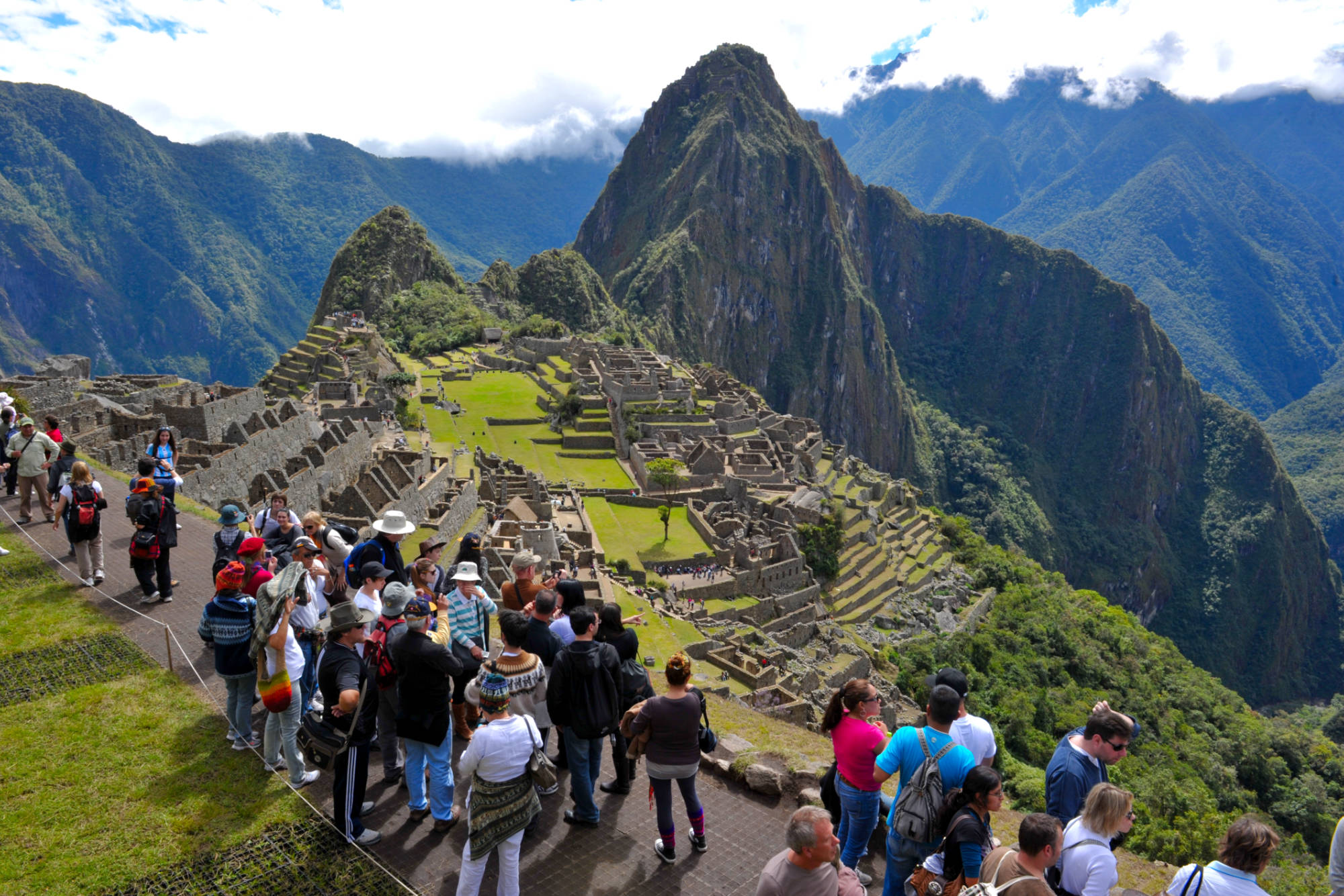
Machu Picchu’s high season, from June to August, is the time of year when the site receives the highest number of visitors, tickets sell out faster, trains are full, and hotels in Aguas Calientes reach their highest prices of the year. Paradoxically, it is also the season when most people choose to travel because the weather is more stable and the days are clearer. This guide explains how to organize your trip under these conditions so the experience is what it should be, instead of becoming a last-minute struggle with lines and limited availability.
The Most Costly Mistake: Organizing the Visit in the Wrong Order
During high season, the correct order for planning is the opposite of what most people instinctively do. The most common sequence is to look for the flight, book a hotel in Cusco, and then take care of the Machu Picchu ticket and the train. During high season, that order can leave you with a paid flight and a confirmed hotel, but no way to enter the archaeological site on your planned dates because tickets are already sold out.
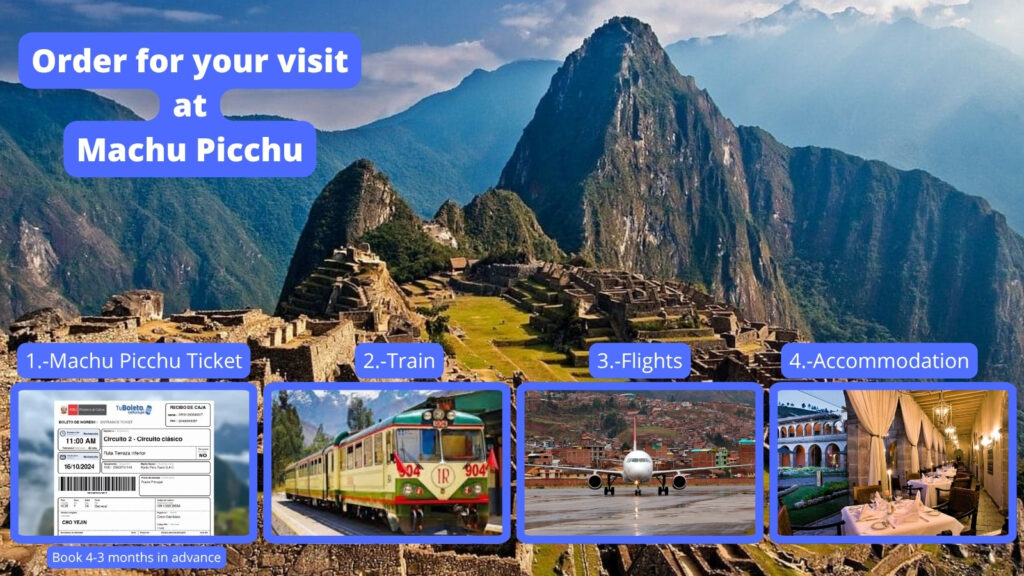
The correct order during high season is: first, check the availability of Machu Picchu tickets for your possible dates; then confirm the train; and only after that commit to flights and accommodation. This order may seem counterintuitive, but it is the only way to make sure every part of the itinerary fits together before any reservation becomes difficult or impossible to recover.
How Far in Advance to Book During High Season
Tickets for Circuit 2, the most requested route, especially for the 6:00 a.m. and 7:00 a.m. entry times in July and August, can be sold out 4 months before the travel date during high season. The weeks with the highest demand, such as those that include Inti Raymi on June 24 or the peak weeks of July, may sell out even earlier.
Train departures at the most convenient morning times from Ollantaytambo also fill up in advance during high season, although with slightly less urgency than entrance tickets to the site. In general, booking both the train and the Machu Picchu ticket 4 months in advance for dates in June, July, and August is the minimum reasonable timeframe. Four months is the lead time that gives you the best chance of securing your preferred circuit and entry time.
For the Inca Trail, permits for June, July, and August open for sale in October of the previous year and sell out within months. Anyone who wants to hike the Inca Trail during high season needs to secure the permit in October or November of the previous year, without exception.
Which Entry Time to Choose: The Decision That Most Affects the Experience
During high season, the entry time you choose has a greater impact on the overall experience than at any other time of year because the difference in visitor flow between time slots is much more noticeable.
The first 6:00 a.m. entry time is the most valuable during high season because the lower number of tour groups, the early morning light, and the morning mist create the closest experience to what the site can offer when it is not overcrowded. To secure that time slot in July or August, you need to be among the first to purchase tickets when availability opens for those dates.
The 9:00 a.m. and midday entry times are usually easier to find, but they also come with a higher number of visitors gathered at the most popular points. During those time slots, the upper viewpoint with the classic Machu Picchu view may have groups waiting their turn to take photos, and the narrower sections of the circuit can become congested in some areas. This does not prevent you from enjoying the site, but it does change the quality of the time you spend at the most in-demand spots.
The First Bus from Aguas Calientes: How Not to Miss It
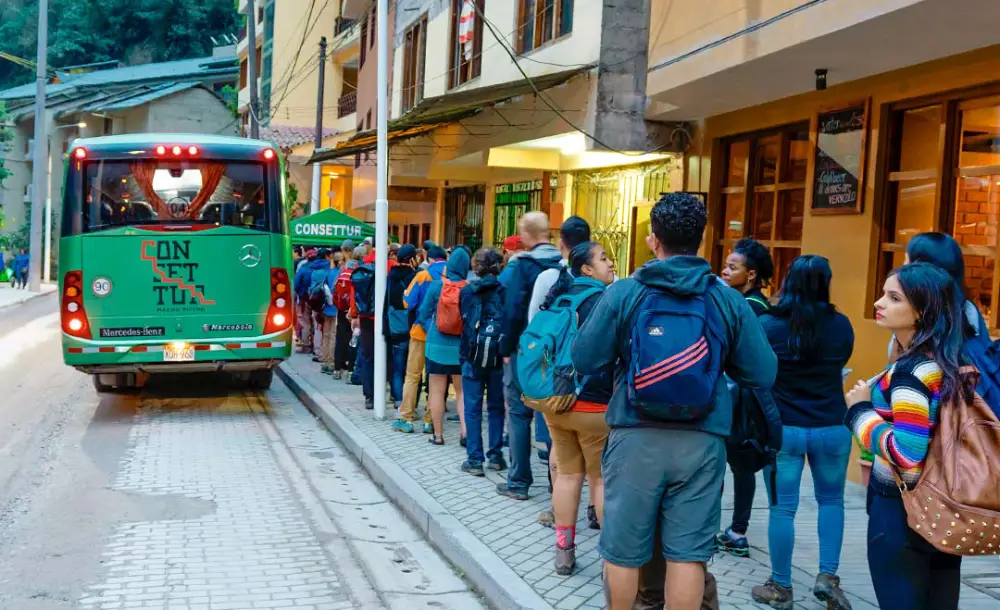
The first bus from Aguas Calientes to the entrance of Machu Picchu leaves at 5:30 a.m. During high season, the line for that first bus can start forming before 5:00 a.m., with organized groups arriving with their guides before the ticket point opens. For travelers with a 6:00 a.m. entry ticket who want to make the most of that early time slot, being in the bus line before 5:00 a.m. is the only way to ensure you do not arrive late at the site’s entrance checkpoint.
The alternative to the bus is hiking up the trail, which takes between 40 and 60 minutes. During high season, this option has the advantage of avoiding the bus line and allowing you to arrive at the site with your body active and your mind clear from the exercise. The downside is the extra time it requires and the energy it takes before beginning the actual circuit inside Machu Picchu.
How to Manage Crowds Inside the Site
During high season, your strategy inside the site has a greater impact on the quality of the experience than at any other time of year because the difference between moving against the flow of groups or following the same route as everyone else is clearly reflected in the waiting time at the most photographed spots.
Most groups entering during the first time slot go directly up to the upper viewpoint as soon as they enter the site, because it is the best-known location and the place everyone wants to photograph first. Visiting the urban sector, the Temple of the Sun, or the Intihuatana first before going up to the viewpoint allows you to explore those areas with fewer groups around and reach the viewpoint after the first wave of visitors has already passed, when the crowd level is slightly lower.
At the busiest points, such as the upper viewpoint or the entrance to the urban sector from the agricultural terraces, waiting patiently for ten minutes until the flow redistributes can give you better access to the space and a clearer photo without groups in the frame. Trying to push your way through crowds will not give you the same result.
Accommodation in Aguas Calientes During High Season: Book Early
Hotels in Aguas Calientes have significantly higher prices during high season than during the rest of the year, and availability during the busiest weeks can be limited, especially in the most requested categories. Booking accommodation in Aguas Calientes with the same level of advance planning as the Machu Picchu ticket, between one and two months ahead, is the best way to secure your preferred category at the most reasonable available price.
For travelers with flexibility, spending the night in Ollantaytambo instead of Aguas Calientes and visiting Machu Picchu as a same-day round trip using the morning and afternoon trains is an alternative that can save the extra cost of an overnight stay in Aguas Calientes during high season. The trade-off is that this itinerary does not allow for the 6:00 a.m. entry time because trains from Ollantaytambo arrive in Aguas Calientes too late for that slot.
Trekking Packages During High Season: The Most Urgent Reservations of All
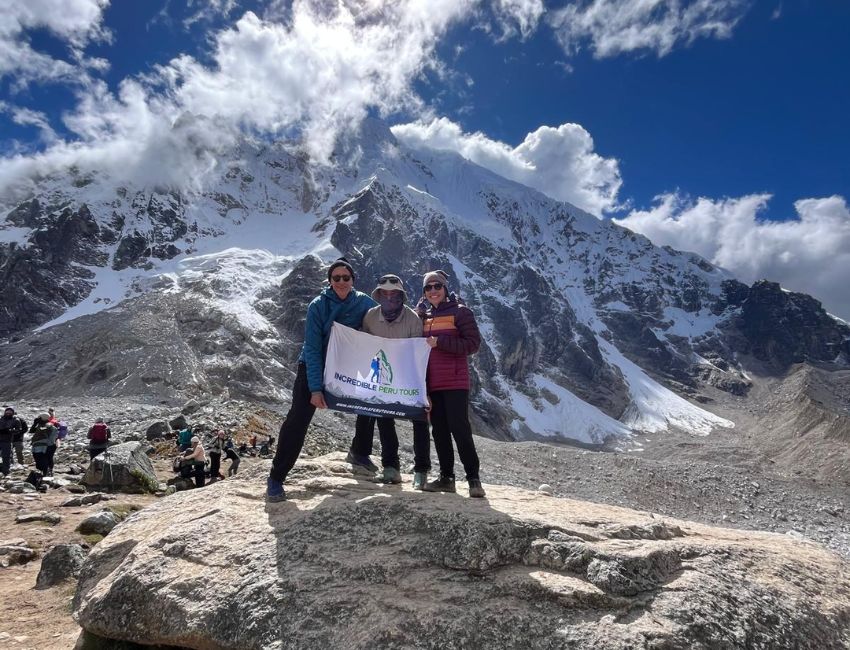
For travelers who want to reach Machu Picchu through the Inca Trail or the Salkantay Trek during high season, the required advance planning is greater than for any other part of the trip.
Inca Trail permits for June, July, and August sell out four to six months in advance. For those months, anyone who has not secured a permit before February has a low chance of finding availability for their preferred dates. The Salkantay Trek does not have the same level of regulated urgency, but the higher-end dome lodges and the most reputable guides also have their schedules booked well in advance during those months.
At Incredible Peru Tours, we manage Inca Trail permits for the following season as soon as they open in October, and we organize Salkantay Trek packages during high season with the logistics this time of year requires. For groups planning to travel in July or August, reaching out in October or November of the previous year is the right time to secure availability.
What High Season Offers That Other Times of Year Cannot Guarantee
Despite all the planning that high season requires, there is something this time of year offers in Machu Picchu that the low season cannot guarantee: a higher chance of clear skies on the day of your visit. The Andean dry season, which coincides with the tourism high season, brings the days with the least rain and the bluest skies of the year in the region.
This has a real impact on the visual experience of Machu Picchu. A completely clear day at the site, with Huayna Picchu outlined against a cloudless blue sky and the morning side light falling over the stone terraces, produces the cleanest photographs and the sharpest landscapes of the year. The morning mist of the rainy season, which creates images with its own charm, is not guaranteed during the dry season, but blue skies are much more likely than during the rainy months.
For travelers who prioritize these visual conditions over the smaller crowds and lower prices of the low season, a well-organized high-season trip is still the best time to visit Machu Picchu.
Do you have high-season travel dates and want to make sure every part of your itinerary is properly coordinated before buying any flights? At Incredible Peru Tours, we check ticket, train, and trekking package availability for your specific dates and design the itinerary in the right order so nothing is left unconfirmed after your flight has already been paid for. Send us your travel dates, and we will start with what sells out first.


