
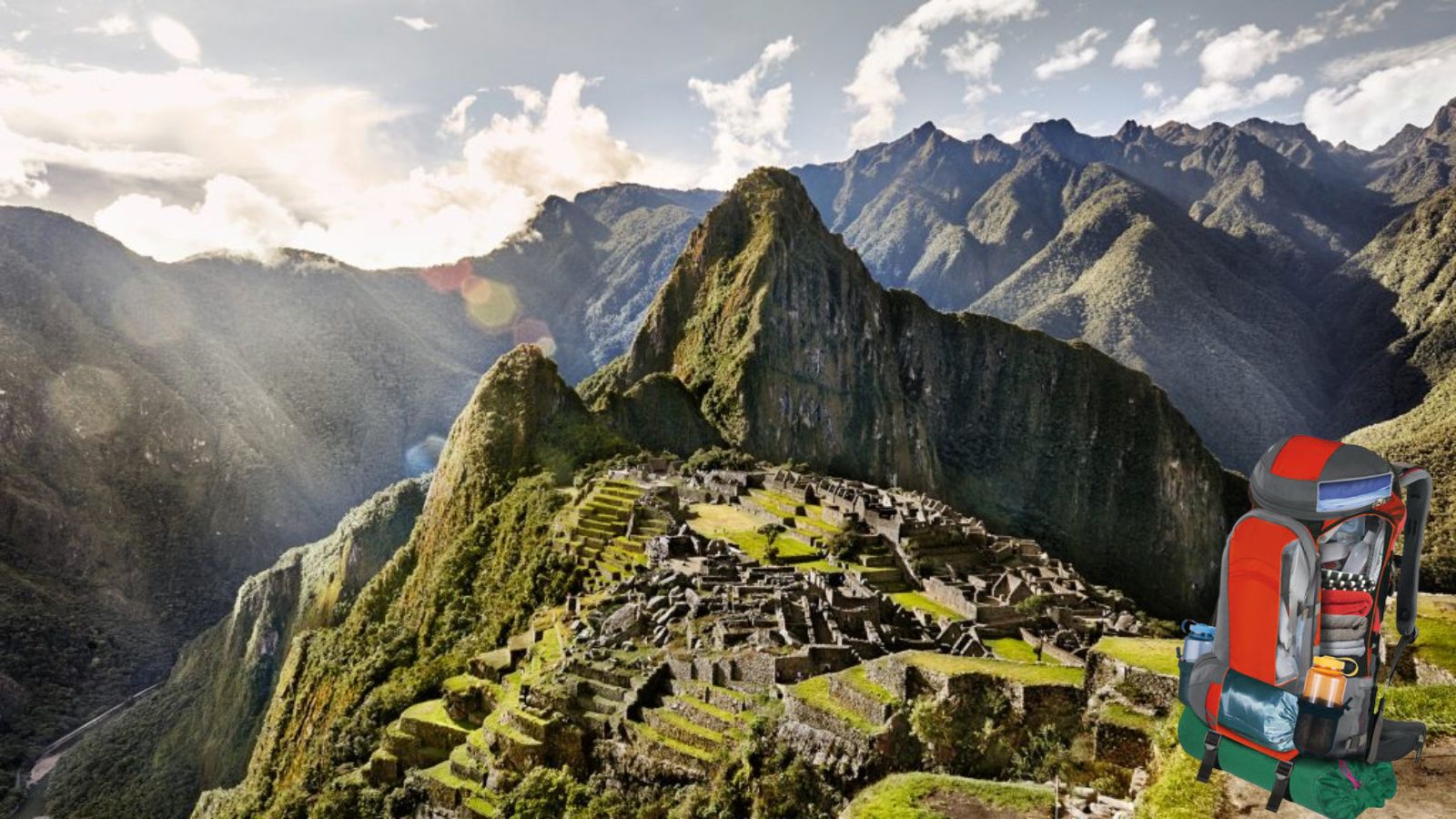
Machu Picchu is located at 2,430 meters above sea level, in an area with highly variable weather where the morning can begin with fog and end under intense sun, where Inca stone wet from morning dew can be slippery, and where once inside the site there are no stores, restaurants, or ways to get anything you did not bring with you. Properly preparing what goes into your backpack before heading up from Aguas Calientes is one of those small decisions that determines whether the visit is enjoyed or simply managed.
This guide gives you the complete list of what you should bring, what is not allowed inside, and the practical details many visitors discover too late.
Documents: what you absolutely cannot forget
The original passport is the essential document required to enter Machu Picchu. Photocopies are not accepted, photos of the passport on your phone are not accepted, and no other identification document can replace it for foreign visitors. The access control verifies the entrance ticket linked to each visitor’s passport number, and if the name or document number does not exactly match what appears on the ticket, entry may be denied.
It is best to have your entrance ticket downloaded with offline access on your phone because the signal near the site entrances is not always stable. Having the QR code available without needing internet access avoids the problem of not being able to display it at the checkpoint precisely when large groups are waiting.
Footwear: the most critical piece of equipment
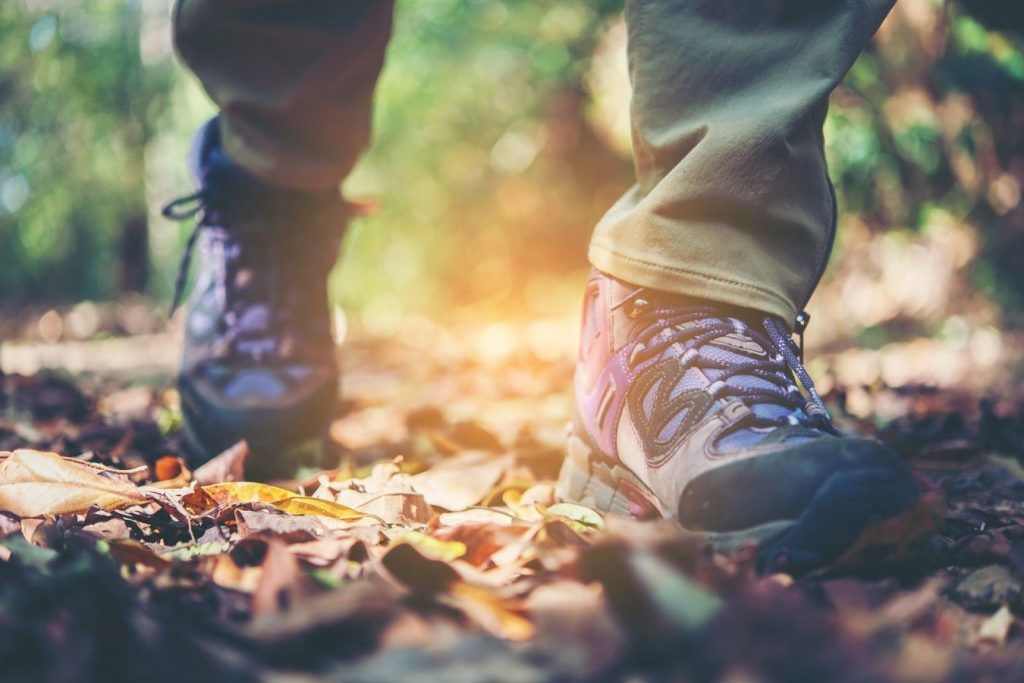
The terrain at Machu Picchu is uneven, with Inca stone blocks of different heights and angles, stairways with irregular steps, and some sections that may become wet and slippery on rainy days or during the morning dew. The right footwear for these conditions is one with a firm-grip sole, not a smooth sole, and with closed toes that protect your feet from the inevitable impacts against the edges of the stone.
Standard sneakers work in dry conditions but do not provide the grip required on wet stone. Sandals, high heels, or shoes with smooth soles are real risks at the site, and in some cases park rangers may restrict access to certain sectors for visitors wearing clearly inappropriate footwear. Hiking boots are the safest option in any weather condition, especially if your visit takes place after rainfall.
Clothing: the layering system for changing weather
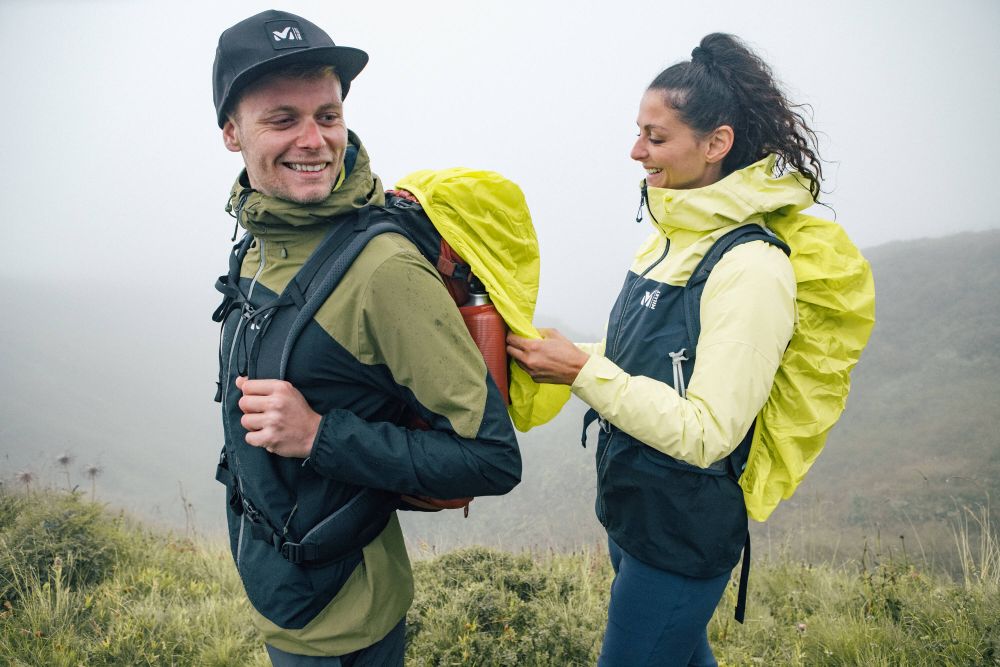
The weather at Machu Picchu can change dramatically within a few hours. The most common scenario is a cool or foggy morning, a late morning with sunshine and pleasant temperatures, and an afternoon with possible rain during the wet months. A layering system is the only strategy that works for this type of variability without carrying too much.
A short-sleeve technical shirt as a base layer, a lightweight mid-layer such as a thin fleece or long-sleeve shirt, and a foldable waterproof outer layer that fits easily in your backpack without taking up much space are the three garments that cover practically every possible condition at the site. The waterproof layer is the most important: it weighs almost nothing when folded in the backpack, but once it starts raining inside the site, not having it becomes the factor that most affects the continuation of your visit.
Comfortable hiking pants or quick-dry pants work better than jeans, which become heavier when wet and take much longer to dry. For women, skirts or dresses without secure lower coverage can become uncomfortable on stair sections where wind may be a factor.
Water and food: what is allowed and what is not
Sealed bottled water is allowed inside the site. Bringing at least one liter per person is the basic recommendation for a visit lasting between two and four hours, especially on warmer days or if your itinerary includes hiking to Inti Punku or one of the mountains. Dehydration at 2,430 meters happens faster than it seems because the physical effort of the visit and the heat during the middle hours of the day increase fluid consumption beyond what most people are used to.
Food is not allowed inside the archaeological site. This is one of the rules many visitors only discover at the entrance checkpoint when guards ask to inspect backpacks. Snacks, energy bars, fruit, and any other food items must be consumed before entering or left in the luggage storage outside the site. If you need to eat during your visit, you must leave to the external access area, eat there, and then re-enter with your ticket.
Outside the site, in the access area before the checkpoint, there is a designated space with tables and trash bins where it is possible to eat before entering. For travelers with small children who need to eat regularly, planning this stop before crossing the checkpoint is the most efficient way to handle the situation.
Sunscreen and insect repellent: essential even if it does not seem like it
Machu Picchu’s altitude reduces atmospheric filtering and significantly increases UV radiation intensity compared to sea level. Many visitors arriving on cloudy days underestimate this radiation because the overcast sky hides the sun, but UV rays still penetrate the clouds and can cause burns. SPF 50 sunscreen applied before entering the site and reapplied halfway through the visit is the minimum reasonable protection.
A hat or cap is the most practical accessory for the sections with the greatest sun exposure inside the site, especially at the upper viewpoint and the agricultural terraces where there is no shade available. At Incredible Peru Tours, we always recommend bringing a hat regardless of the weather forecast because the site’s climate variability makes previous-day forecasts unreliable.
Insect repellent is not essential inside the archaeological site itself, but it is useful if your itinerary includes the trail to Inti Punku or the path to the suspension bridge, where denser vegetation may harbor mosquitoes during the wet months.
The backpack: what size and what must not enter
Backpacks larger than 25 liters are not allowed inside the archaeological site. If you bring a large travel or trekking backpack, you must leave it in the storage facilities available in the access area before the checkpoint, which charge a fee in soles. Only a small daypack with the essentials for the visit may enter the site.
Photography tripods are also not allowed inside the site. The use of drones is completely prohibited throughout the Machu Picchu area and its surroundings. Trekking poles are allowed only if they have rubber tips instead of metal ones. Umbrellas with pointed metal structures may attract attention at the checkpoint, although enforcement regarding umbrellas varies depending on the guard on duty.

Other practical items that make a difference
- Cash in soles: For the bus ride down from the site to Aguas Calientes, which costs approximately half the price of the uphill ride and is paid directly at the boarding point. Also for the restroom facilities in the access area, which charge a small fee in soles.
- Waterproof bag for your camera or phone: If rain is expected or if your itinerary includes humid vegetation areas such as the Inti Punku trail, protecting your photography equipment is a precaution that takes almost no space in your backpack and can prevent an expensive problem.
- Toilet paper and antibacterial gel: The restroom facilities in the access area do not always have toilet paper available. Carrying a small amount in your backpack pocket is one of those small details that becomes valuable at the right moment.
- Rain gear for children: If traveling with minors, a child’s rain jacket is just as important as an adult’s. Children have less body mass to handle the cold caused by wet clothing, and the site visit may last longer than expected if there are areas they want to explore at a slower pace.
What you cannot bring under any circumstances
In addition to the previously mentioned food and drones, there are other prohibited items visitors should know about before reaching the checkpoint to avoid surprises. Untreated wooden objects, live plants, and animal-origin products are prohibited for phytosanitary control reasons. Pets are not allowed inside the site, except for properly accredited guide dogs. Bicycles and scooters are also prohibited.
Respect for the archaeological structures inside the site is not about what you carry but about the attitude with which you enter. Not climbing on the stones, not continuously touching the walls with your hands, and staying within the marked paths are rules that park rangers enforce with varying strictness but that have real consequences when violated: in the most serious cases, visitors may be removed from the site without the possibility of re-entry and without a refund of the ticket.
Would you like Incredible Peru Tours to organize your visit to Machu Picchu with the best circuit and schedule for your itinerary? We handle the entrance ticket, the shuttle bus, and all access details so you only have to focus on enjoying the site.


