
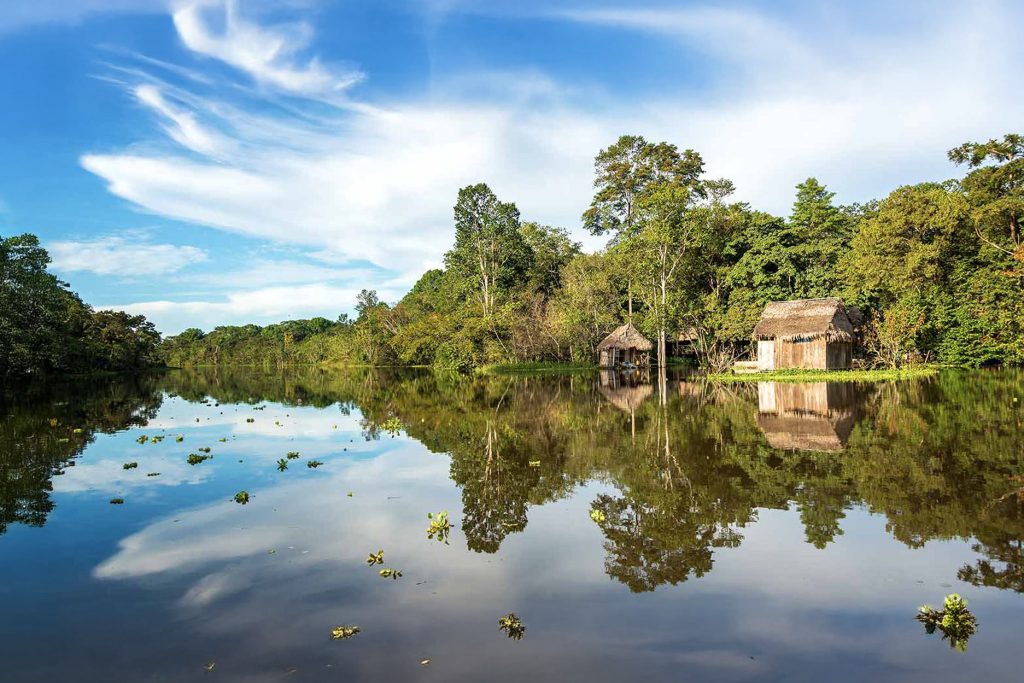
The Peruvian Amazon has a hot and humid climate throughout the year, with temperatures generally ranging from 22°C to 33°C and humidity often exceeding 80%. Rather than summer and winter, there are two main seasons: a rainy season from November to April and a drier season from May to October.
The Amazon covers more than half of Peru’s territory, and its climate varies with altitude. The tropical heat of Iquitos or Puerto Maldonado is quite different from the milder conditions in Oxapampa or Santa Teresa, at higher elevations.
In this guide, you’ll learn what temperatures to expect in each destination, what Amazonian rainfall is like, and which months are best for traveling based on the experience you’re looking for.
What Is the Climate Like in the Peruvian Amazon?
The Amazon rainforest is close to the equator and receives intense sunshine almost every day. This heat, combined with the vast amount of vegetation and rivers, creates a humid environment full of life.
A Hot and Humid Climate All Year
In the lowland rainforest, temperatures change very little from month to month. During the day, they generally range from 30°C to 33°C, while at night they drop to around 20°C to 23°C, making it comfortable to rest.
Humidity is high at any time of year, so it often feels hotter than the thermometer indicates. Mornings and evenings are the most pleasant times to go exploring.
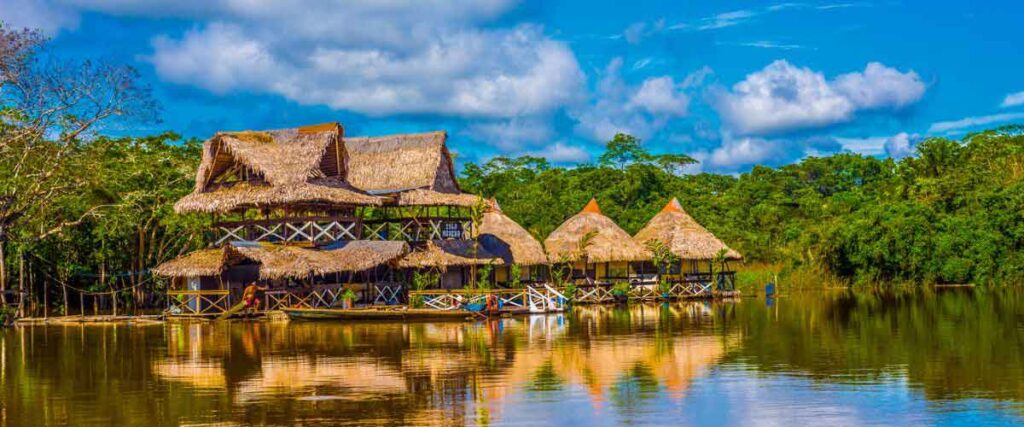
Why Does It Rain So Much in the Amazon?
The heat causes water from rivers and vegetation to evaporate quickly. This moisture rises, forms clouds, and falls again as rain, creating a cycle that keeps the Amazon green. In the lowland rainforest, annual rainfall can exceed 2,000 mm.
This climate is very different from that of other regions of the country. If you’re planning to explore several areas, it will also be useful to learn about the climate in the Peruvian Andes, where altitude completely changes the temperatures.
Highland and Lowland Rainforest: Two Different Climates
The Peruvian Amazon is divided into two main zones based on altitude. This difference affects temperatures, rainfall, and the type of landscape you’ll encounter.
Lowland Rainforest: Tropical Heat
Located below 500 meters above sea level, this area forms the vast Amazonian plain, with wide rivers and extensive forests. Destinations such as Iquitos, Pacaya Samiria National Reserve, Puerto Maldonado, and Tambopata are found here. It is the hottest and most humid part of the rainforest.
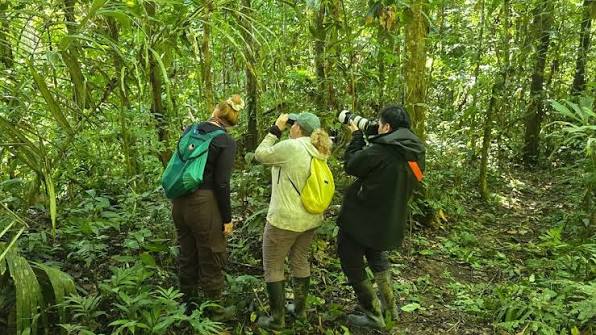
Highland Rainforest: A Milder Climate
Also known as the “ceja de selva,” or cloud forest region, it lies on the eastern slopes of the mountains, approximately between 500 and 3,500 meters above sea level. Days are warm, and nights are cool. Destinations such as Tarapoto, Quillabamba, Santa Teresa, and Oxapampa feature waterfalls, coffee plantations, and cloud forests.
Dry Season in the Amazon: May to October
Although it can rain at any time in the Amazon, rainfall is less frequent and shorter between May and October. Trails are firmer, days are sunny, and it’s easier to plan hikes and excursions.
As river levels drop, sandy beaches appear along their banks, and animals gather near the water, making them easier to observe.
What Is a Friaje?
Between May and August, masses of cold air can arrive from the south of the continent. This phenomenon is called “friaje,” or a cold spell, and can cause temperatures in areas such as Puerto Maldonado to drop to around 12°C to 16°C for a few days.
It usually lasts between two and five days before the heat returns. For many travelers, it’s a welcome break from the heat, so bringing a light warm layer is enough if you’re traveling during these months.
Rainy Season in the Amazon: November to April
This is when the rainforest looks its greenest and most full of life. Rainfall is often heavy but brief, and the sun comes out again afterward. Many trees bear fruit during these months, attracting birds and monkeys.
Lodges and tour agencies organize their activities around the weather, so you can enjoy hikes, boat rides, and wildlife watching throughout the season.
High-Water and Low-Water Seasons in Amazonian Rivers
In the lowland rainforest, especially around Iquitos, the year is organized according to river levels. During the high-water season, from December to May, rivers rise and flood parts of the forest, allowing you to navigate by canoe among the trees. During the low-water season, from June to November, more walking trails and beaches along the riverbanks become accessible.
Climate in the Main Amazon Destinations
Each Amazonian destination has its own climate depending on its altitude. These approximate values will help you choose the one that best suits your trip.
| Destination | Altitude | Daytime | Nighttime | Rainiest Months |
|---|---|---|---|---|
| Iquitos | 106 m above sea level | 30°C to 32°C | 21°C to 23°C | December to May |
| Puerto Maldonado and Tambopata | 183 m above sea level | 30°C to 33°C | 19°C to 22°C | December to March |
| Tarapoto | 356 m above sea level | 30°C to 32°C | 20°C to 22°C | November to April |
| Quillabamba | 1,050 m above sea level | 28°C to 32°C | 16°C to 19°C | December to March |
| Santa Teresa | 1,550 m above sea level | 24°C to 28°C | 14°C to 17°C | December to March |
| Oxapampa | 1,814 m above sea level | 22°C to 25°C | 12°C to 14°C | November to March |
When to Visit the Amazon Based on Your Travel Interests
You can visit the Amazon throughout the year. The best time depends more on what you want to do than on the weather itself.
For Hiking and Wildlife Watching
From May to October, trails are dry, and animals come closer to the rivers, making it easier to spot birds, monkeys, caimans, and otters. It’s an ideal time to visit Tambopata and Manu.
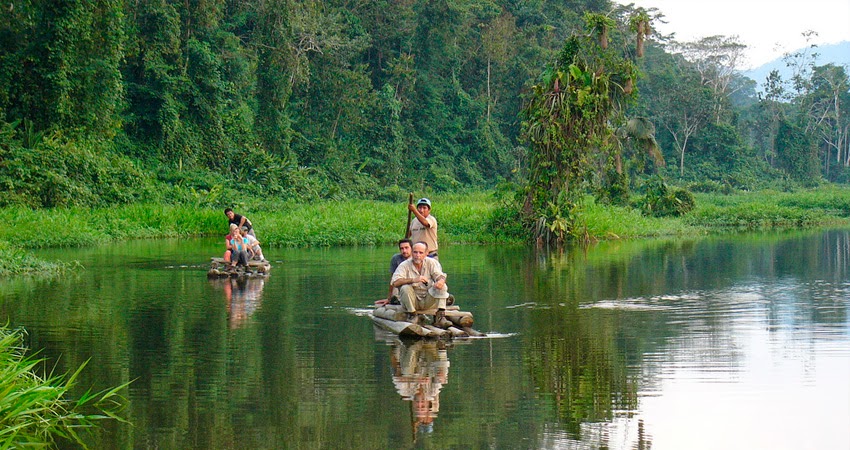
For Exploring the Rivers by Boat
From December to May, when river levels are high, you can paddle a canoe into the flooded forest and reach lagoons that are difficult to access during other months. It’s the best season for Iquitos and Pacaya Samiria, where you may also spot pink river dolphins.
For Combining the Amazon with Cusco and Machu Picchu
From Cusco, you can explore the cloud forest region without taking a flight. In Santa Teresa, the warm climate is perfect for enjoying the Cocalmayo hot springs along with an immersive coffee experience, where you’ll learn about the journey of coffee beans from plant to cup.
If you prefer to combine nature and history, another option is to visit Machu Picchu and relax at the Cocalmayo hot springs on the same trip. For those seeking adventure, the 3-Day Inca Jungle Trail to Machu Picchu takes you through highland rainforest landscapes before reaching the citadel.
Tips for Enjoying the Amazonian Heat
With a few simple precautions, the rainforest climate becomes part of the experience.
- Wear lightweight, long-sleeved clothing in light colors to protect yourself from the sun and insects.
- Bring insect repellent and apply it especially at dawn and dusk.
- Keep a waterproof poncho handy, especially between November and April.
- Drink water frequently to stay hydrated in the heat.
- If you’re traveling between May and August, bring a light jacket in case a cold spell arrives.
Frequently Asked Questions About the Climate in the Peruvian Amazon
What Is the Average Temperature in the Peruvian Amazon?
In the lowland rainforest, the average temperature is around 26°C to 27°C, with daytime temperatures of 30°C to 33°C and nighttime temperatures around 21°C. In the highland rainforest, the climate is milder, with nighttime temperatures that can drop to 12°C or 15°C.
Does It Rain Every Day in the Amazon?
No. Even during the rainy season, it’s common to have sunny mornings followed by heavy but brief afternoon showers. During the dry season, several days may pass without rain.
What Is the Best Time to Visit Iquitos?
It depends on what you’re looking for. From December to May, during the high-water season, you can navigate through the flooded forest. From June to November, during the low-water season, you’ll have more opportunities for hiking and visiting river beaches.
What Is the Best Time to Visit Tambopata?
Between May and October, trails are dry, making wildlife watching easier. Even so, Tambopata can be enjoyed all year, and during the rainy season, the forest looks greener.
Does It Get Cold in the Peruvian Amazon?
Almost never. The exception is a few days of cold spells between May and August, when temperatures can drop to around 12°C to 16°C in the southern Amazon. In the highland rainforest, nights are cool throughout the year.


