
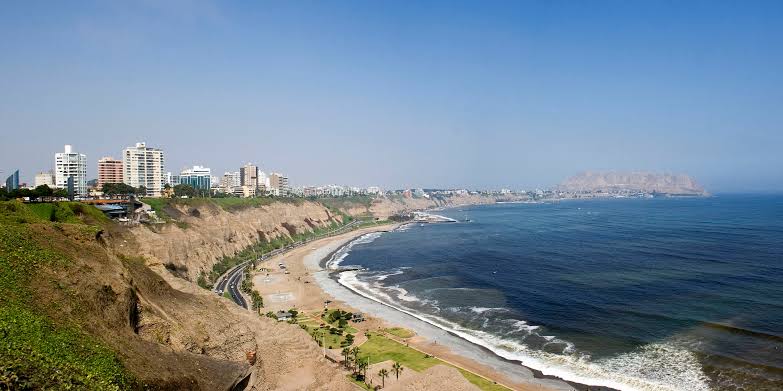
Peru’s coast has a mild desert climate, with very little rainfall and only two clearly defined seasons: a sunny summer from December to March and a cloudy, humid winter from June to September. Temperatures generally range from 15°C to 30°C, depending on the area and the month. The good news is that you can enjoy the coast all 12 months of the year.
This coastal strip stretches about 2,500 km from Tumbes to Tacna, and the climate isn’t the same throughout. In the north, the sun shines almost all year, Lima has cool, calm winters, and the southern desert offers clear days and cool nights.
In this guide, you’ll learn why it rarely rains along Peru’s coast, how temperatures change month by month, and the best time to travel depending on what you want to do.
Why It Rarely Rains on Peru’s Coast
Peru’s central and southern coast is one of the driest deserts on the continent. In Lima, for example, annual rainfall under normal conditions rarely exceeds 20 mm, a very small amount compared to any city in the Andes or the Amazon.
The Humboldt Current and Temperature Inversion
The Humboldt Current flows along the coast, bringing cold water from the south. This cold ocean water cools the air in contact with it, while the air above remains warmer. This phenomenon is called a temperature inversion.
Because the cold air remains trapped near the surface, clouds cannot grow enough to produce rain. That’s why you see overcast skies for months without heavy rainfall. The South Pacific High also plays a role by limiting the formation of rain clouds.
What Is Garúa?
Garúa is a very fine drizzle that falls mainly along the central coast between June and September. It’s so light that it doesn’t prevent you from walking around or sightseeing, and it gives the city a cool atmosphere.
In Lima, there’s also a continuous blanket of low clouds that locals call “cielo panza de burro,” or “donkey-belly sky.” It’s part of the city’s character in winter and doesn’t prevent you from exploring its museums, neighborhoods, and restaurants.
Seasons on Peru’s Coast
Peru is in the Southern Hemisphere, so its seasons are opposite to those in Europe and North America. When it’s winter there, you can enjoy summer on Peru’s coast.
Coastal Summer: December to March
This is the season for sunshine, warm weather, and the beach. In Lima, daytime highs range from 26°C to 29°C, while temperatures on the northern coast and in the Ica Desert can exceed 30°C. February is usually the hottest month.
Nights are warm too, and the humidity is noticeable, especially in Lima. This is when the beaches fill up and much of the activity shifts to the coast.
Coastal Winter: June to September
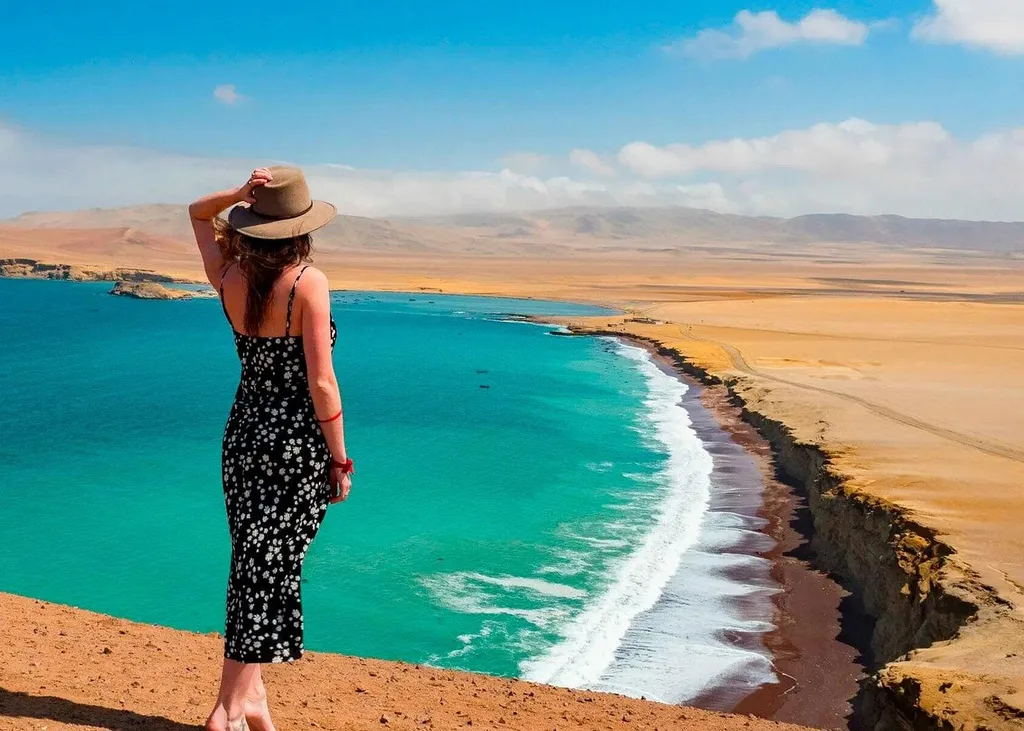
Along the central coast, the weather becomes cool and cloudy. Lima records highs of 17°C to 19°C and lows of 14°C to 16°C, with humidity often exceeding 80%. A light jacket is enough to explore the city comfortably.
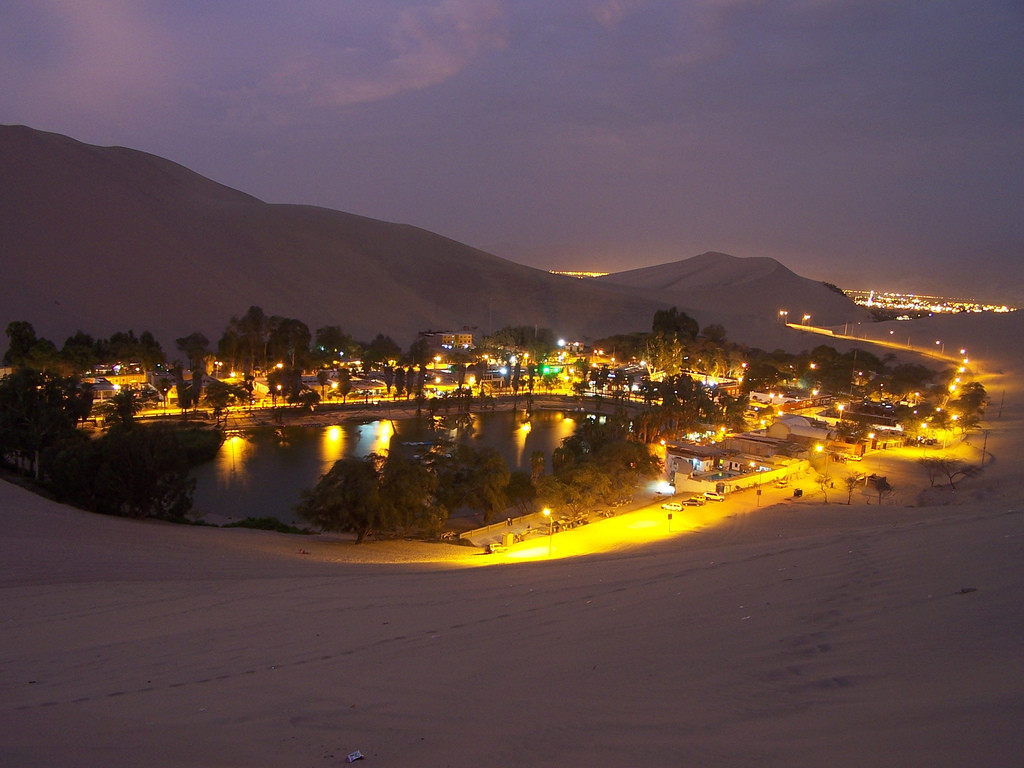
On the southern coast, conditions are different: Ica, Nazca, and Paracas continue to enjoy sunny days, although the nights become cooler. On the northern coast, the weather remains mild and pleasant.
Fall and Spring: Transitional Months
April and May mark the transition from summer heat to winter. Mornings begin to turn cloudy, and temperatures gradually drop.
October and November bring the opposite change. The skies gradually clear, and sunny days return, although cloud cover in Lima may last until early December.
Peru’s Coastal Climate Month by Month
This table summarizes weather conditions in three coastal regions. The temperatures for Lima and Ica are approximate average highs and lows and may vary by a few degrees from year to year.
| Month | Lima (High/Low) | Southern Coast: Ica and Nazca (High/Low) | Northern Coast |
|---|---|---|---|
| January | 27°C / 21°C, sunny | 31°C / 18°C, dry | Peak summer and beach weather |
| February | 28°C / 22°C, the warmest month | 32°C / 18°C, dry | Hot, with occasional brief showers |
| March | 27°C / 21°C, sunny | 31°C / 17°C, dry | Sunny, with occasional rain |
| April | 25°C / 19°C, transitional weather | 29°C / 15°C, dry | Sunny and hot |
| May | 22°C / 17°C, clouds begin to appear | 27°C / 13°C, cool nights | Sunny |
| June | 19°C / 16°C, cloudy with drizzle | 25°C / 11°C, sunny days | Mild and dry |
| July | 18°C / 15°C, cloudy and humid | 24°C / 10°C, cool nights | Mild and dry |
| August | 18°C / 15°C, cool and calm | 24°C / 10°C, sunny days | Mild and dry |
| September | 18°C / 15°C, cloudy | 25°C / 11°C, sunny | Mild, beginning to warm up |
| October | 19°C / 16°C, sunny breaks begin to appear | 27°C / 12°C, dry | Sunny |
| November | 21°C / 17°C, more hours of sunshine | 29°C / 14°C, dry | Sunny and hot |
| December | 24°C / 19°C, summer begins | 30°C / 16°C, dry | Hot |
Climate Differences Between Peru’s Northern, Central, and Southern Coast
Although the entire coastline shares a dry climate, each section has its own characteristics. Knowing these differences helps you choose a destination based on your travel dates.
Northern Coast: Sunshine Almost All Year
The north is closer to the equator and is less affected by the cold ocean waters. That’s why it’s the warmest and sunniest part of Peru’s coastline.
Tumbes and Piura
The climate here is tropical and dry. In summer, highs range from 30°C to 34°C, and in winter, daytime temperatures rarely fall below 26°C. Between January and March, occasional brief showers may occur, especially in Tumbes, bringing some relief from the heat. Beaches such as Máncora, Vichayito, and Zorritos enjoy good weather almost all year.
Lambayeque and La Libertad
Chiclayo and Trujillo have a milder climate. In summer, temperatures reach between 27°C and 30°C, while winter highs are around 21°C to 23°C, with some morning cloud cover. Trujillo is known as the City of Eternal Spring because of this consistent weather.
Central Coast: Lima and Its Gray Winter Skies
Lima and nearby cities, such as Huacho and Cañete, have the most noticeable contrast between seasons. Summer is sunny and humid, while winter is cool and cloudy, making it ideal for visiting museums, exploring historic neighborhoods, and enjoying Lima’s cuisine.
If you visit Lima between June and September, you’ll enjoy cool weather that’s perfect for walking around the city. If you travel between December and April, you’ll have bright, warm days.
Southern Coast: Desert, Wind, and Clear Skies
The south is drier and sunnier than Lima, even in winter. The difference between daytime and nighttime temperatures is greater, so a hot afternoon can turn into a cool evening.
Paracas and Ica
In Ica, the sun shines almost every day of the year, and summer temperatures easily exceed 30°C. Paracas is slightly cooler because it’s closer to the ocean. Boat excursions to the Ballestas Islands depart in the morning, when the sea is calmer and the light is perfect for observing sea lions and birds.
Nazca
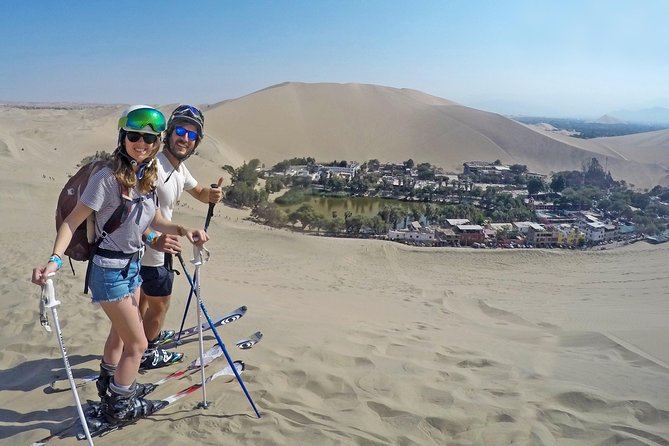
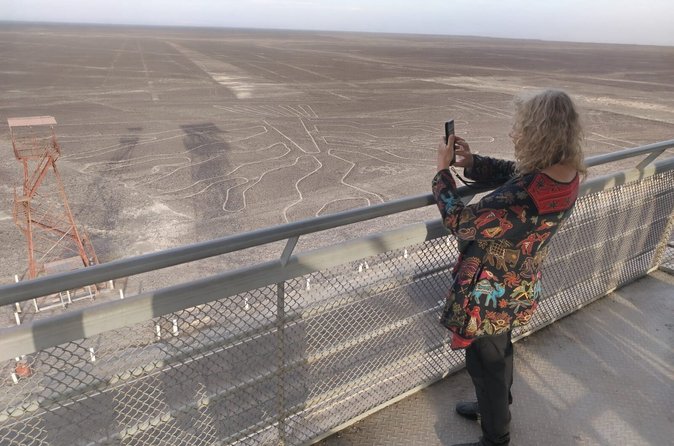
Nazca has one of the driest climates in the country, and it almost never rains. Days are sunny and clear for most of the year, which is especially important for flights over the Nazca Lines, as they depend on good visibility.
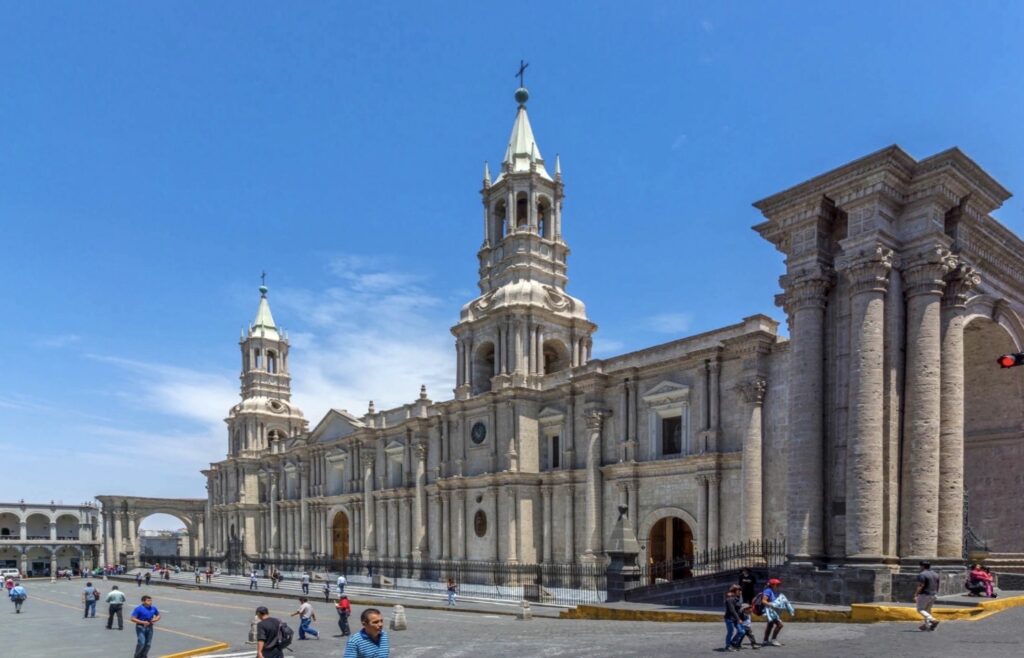
The Coast of Arequipa, Moquegua, and Tacna
Beaches such as Mollendo and Camaná fill up in summer, with highs around 26°C to 28°C. In winter, mornings are often cloudy, and daytime highs drop to about 18°C to 20°C. Tacna, at 562 meters above sea level, has a mild climate with pleasant summers and cool winters.
Ocean Temperatures Along Peru’s Coast
Ocean waters along much of Peru’s coastline are cool because of the Humboldt Current, which also makes them so rich in marine life. The exception is the far north, where the water is warmer and comfortable for swimming throughout the year.
| Region | Summer (Dec. to Mar.) | Winter (Jun. to Sep.) |
|---|---|---|
| Northern Coast (Máncora, Punta Sal) | 24°C to 27°C | 21°C to 23°C |
| Central Coast (Lima) | 19°C to 22°C | 15°C to 17°C |
| Southern Coast (Paracas, Mollendo) | 18°C to 21°C | 14°C to 16°C |
If you’re looking for a swim in warm ocean water, the north is your best option. In Lima and the south, many surfers wear wetsuits even in summer.
El Niño: What You Need to Know
El Niño is an abnormal warming of the ocean waters off Peru’s coast that changes the usual weather patterns. When it occurs, warmer water encourages the formation of rain clouds, something uncommon along the coastline.
Its effects are felt mainly on the northern coast, in regions such as Tumbes, Piura, and Lambayeque, where it can bring more frequent rainfall than usual during summer. On the central and southern coast, its main effect is a somewhat hotter summer.
It doesn’t occur every year, and warnings are issued in advance. If you’re traveling to the north between January and April, simply check the forecast a few days before departure so you can plan your excursions with peace of mind.
Best Time to Visit Peru’s Coast
You can visit the coast all year, but the best time depends on what you want to do and which other destinations you plan to include in your trip.
If You’re Looking for Beaches and Sunshine
Travel between December and April. It’s summer along the entire coastline, with warmer ocean water and long days. Keep in mind that beaches near Lima get crowded in January and February, especially on weekends.
If you can only travel in winter, head north. Máncora and Punta Sal continue to enjoy sunshine and good weather even between June and September.
If You Want to Explore the Desert and Southern Coast
Ica, Nazca, and Paracas have good weather almost all year. You can visit the southern coast in any month and combine it with Cusco on a 10-day trip through Lima, Paracas, Nazca, and Cusco, a practical way to explore the desert before heading into the highlands.
If You’re Combining the Coast with Cusco and Machu Picchu
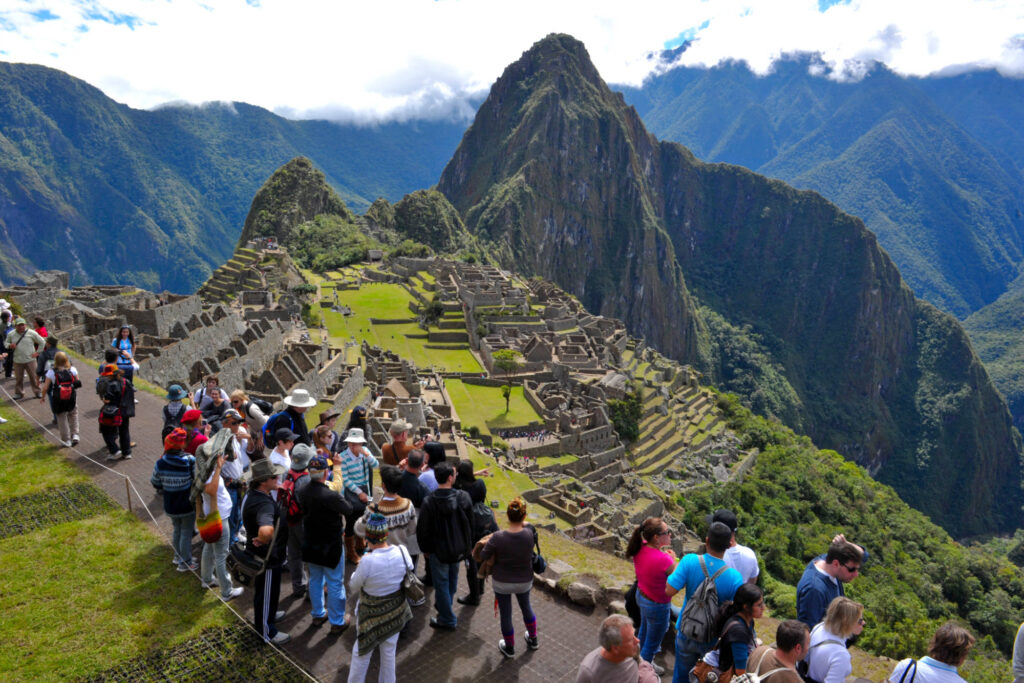
Here’s something useful to know: the coastal winter, from June to September, coincides with the dry season in the Andes. Although you’ll see gray skies in Lima, Cusco has sunny days with very little rain, making it an ideal time to hike the Classic Inca Trail during the dry season.
If you want to include southern Peru, a 12-day trip connecting the coast, Lake Titicaca, and Machu Picchu lets you experience the heat of the desert and the cold of the Andean highlands on the same route. Another option is a 13-day itinerary through Lima, Paracas, Colca, and Lake Titicaca, which continues from the coast into the highlands of Arequipa.
What to Wear for Each Season
You don’t need heavy winter clothing on the coast, but you should bring clothes suitable for the summer sun and winter humidity.
In Summer
- Light, breathable clothing made of cotton or linen.
- High-SPF sunscreen, even on cloudy days, because UV radiation is strong.
- A hat or cap and sunglasses.
- Sandals and swimwear.
In Winter
- A light jacket or fleece for Lima and evenings in the south.
- Layered clothing, since desert days are warm and nights are cool.
- A windbreaker if you’re visiting Paracas in August or September.
- Closed-toe shoes for comfortable walking on drizzly days.
Frequently Asked Questions About Peru’s Coastal Climate
Does It Rain in Lima?
Almost never. Lima receives less than 20 mm of rain per year under normal conditions. What you will see in winter is garúa, a very fine drizzle that dampens the streets without turning into heavy rain.
Does It Get Cold on Peru’s Coast?
It doesn’t get extremely cold. In winter, temperatures in Lima range from around 14°C to 19°C, making for cool weather that’s comfortable with a light jacket. In the southern desert, days are warm and nights are cool.
What Is the Hottest Month on Peru’s Coast?
February is usually the hottest month. In Lima, highs reach around 28°C, while temperatures on the northern coast and in Ica can exceed 32°C.
Can You Go to the Beach in Winter?
Yes, but on the northern coast. Máncora, Punta Sal, and Zorritos enjoy sunshine and warm ocean water between June and September, while Lima usually has cloudy skies and cold water.
Why Does Lima Have Gray Skies in Winter?
Because of temperature inversion. The cold waters of the Humboldt Current cool the air near the surface, creating a layer of low clouds that gives the city its characteristic cool atmosphere.
Does El Niño Affect Travel Along Peru’s Coast?
In most years, no. When it occurs, its effects are felt mainly on the northern coast between January and April, and warnings are issued in advance, so you just need to check the forecast before traveling.


