
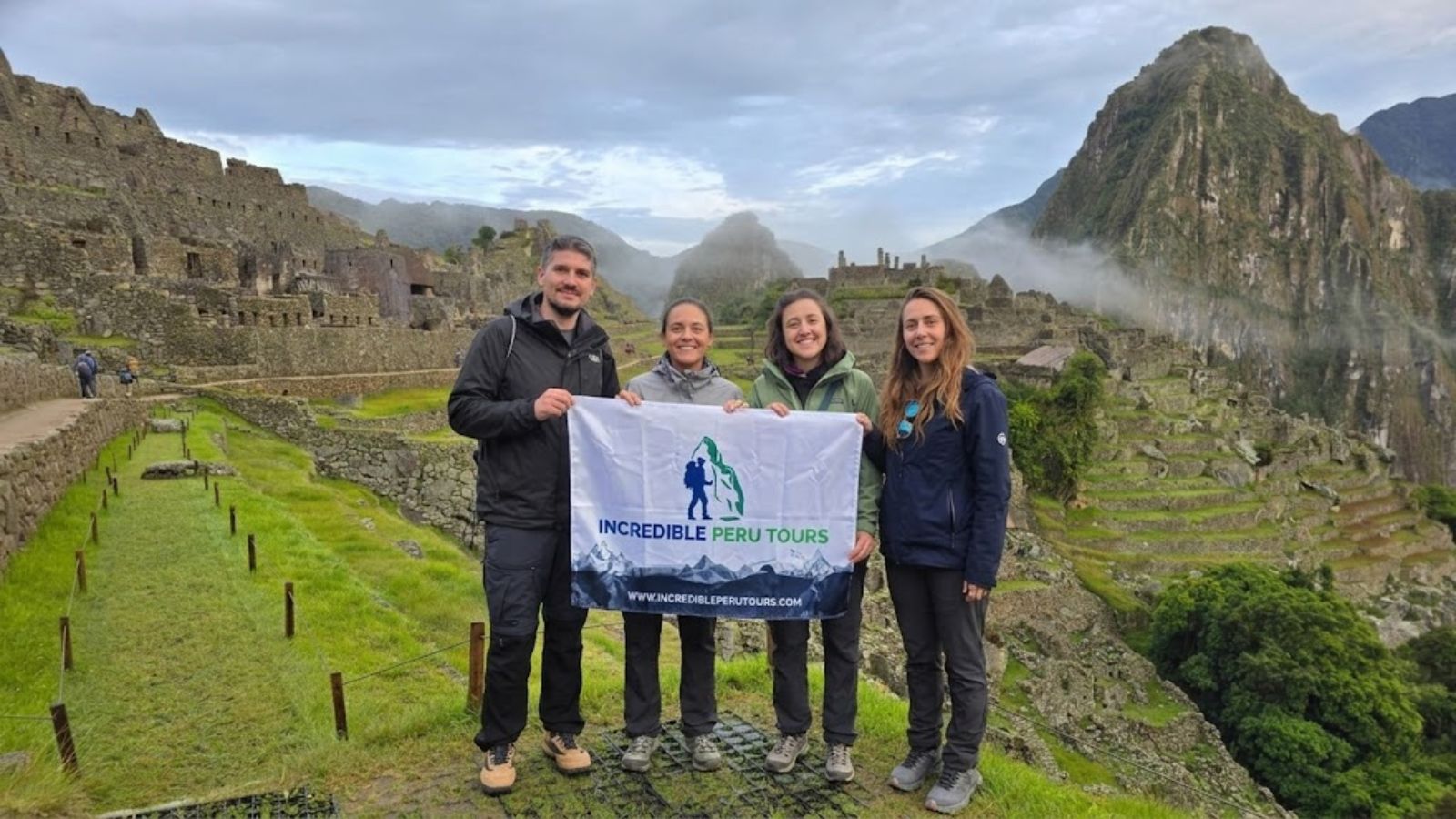
The Peruvian Andes have two clearly defined seasons: the dry season, from May to October, with clear skies and plenty of sunshine, and the rainy season, from November to March, when the landscapes turn green and rain usually falls in the afternoons. April is a transitional month between the two.
More than the seasons, altitude is what defines the climate in this region. Cities such as Cusco, Puno, and Huaraz are located more than 3,000 meters above sea level, which is why days are mild and sunny, while nights are cool or cold.
In this guide, you’ll discover how the weather changes throughout the year, what temperatures to expect in each city, and which months are best for hiking and excursions.
How the Climate Works in the Peruvian Andes
Unlike the coast, where cold ocean waters regulate temperatures, altitude is the main factor in the Andes. If you’re interested in comparing both regions, you can also learn about the climate on Peru’s coast and see that they work almost in opposite ways.
Altitude Determines the Temperature
For every 100 meters you climb, the temperature drops by an average of about 0.6°C. That’s why the Sacred Valley, at a lower altitude than Cusco, is warmer, and a hike that climbs to 4,500 meters above sea level can take you from mild conditions to cold weather in just a few hours.
Sunny Days and Cool Nights
In the Andes, the sun is strong during the day, and temperatures drop quickly as evening approaches. It’s normal to go from 20°C at midday to just a few degrees at night. This difference is greater during the dry season, when there are no clouds to retain the heat.
Dry Season: May to October
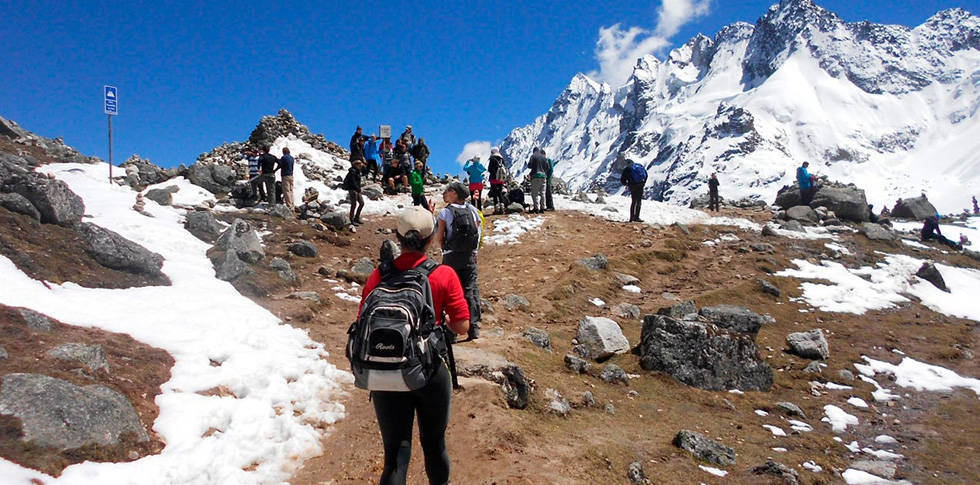
This is the most popular time of year for travelers. Blue skies, good visibility, and dry trails make it the ideal season for trekking and visiting archaeological sites.
What to Expect During the Dry Months
Mornings and afternoons are sunny, with highs of around 19°C to 21°C in Cusco. June and July have the coldest nights, with temperatures that can approach 0°C, but they also offer the clearest days of the year.
These months also bring highly anticipated celebrations, such as Inti Raymi, held every June 24 in Cusco.
Why It’s the Best Time for High-Altitude Hiking
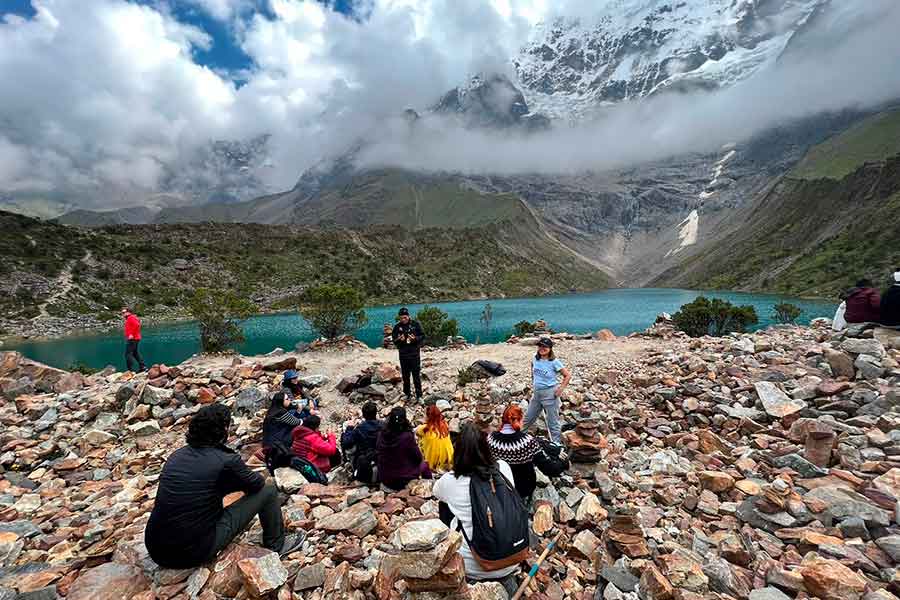
With dry terrain and clear views, it’s the perfect season to hike the Classic Inca Trail during the dry season or to visit Rainbow Mountain on a day trip from Cusco. It’s also a good time to hike to Humantay Lake, when its turquoise waters contrast with the clear sky.
Keep in mind that this is the peak travel season, so it’s best to book Inca Trail permits several months in advance.
Rainy Season: November to March
Although the name may not sound very appealing, this season has plenty to offer. The fields turn green, there are fewer visitors at the main attractions, and the atmosphere in the towns is more peaceful.
What Rainfall Is Like in the Andes
Rain usually doesn’t last all day. Mornings are often clear or partly cloudy, with rain arriving in the afternoon as showers that pass within a few hours. January and February are the rainiest months.
Temperatures are more consistent than during the dry season. Nights are less cold because the clouds retain the day’s heat.
Why It’s Also Worth Visiting During This Season
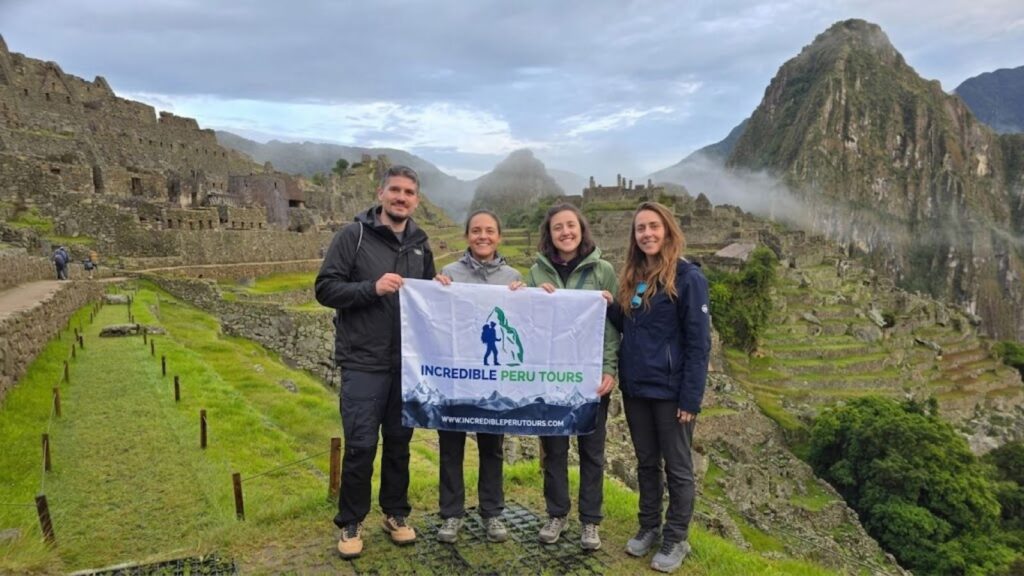
It’s a great time to explore the Sacred Valley on a full-day tour, when the agricultural terraces are at their greenest. Machu Picchu also has a special charm with the morning mist, and you can visit Machu Picchu by train in a single day without the peak-season crowds.
In February, Puno celebrates the Festival of the Virgin of Candelaria, one of the most colorful festivities in the country.
Temperatures in the Main Cities of the Peruvian Andes
Each city has its own climate depending on its altitude. These approximate values will help you plan your trip.
| City | Altitude | Daytime | Nighttime in the Dry Season | Nighttime in the Rainy Season |
|---|---|---|---|---|
| Cusco | 3,399 m above sea level | 19°C to 21°C | 0°C to 4°C | 6°C to 7°C |
| Sacred Valley (Urubamba) | 2,871 m above sea level | 22°C to 24°C | 3°C to 6°C | 8°C to 10°C |
| Machu Picchu | 2,430 m above sea level | 20°C to 26°C | 8°C to 11°C | 12°C to 14°C |
| Arequipa | 2,335 m above sea level | 21°C to 24°C | 6°C to 8°C | 9°C to 10°C |
| Huaraz | 3,052 m above sea level | 20°C to 23°C | 3°C to 6°C | 6°C to 8°C |
| Puno | 3,827 m above sea level | 14°C to 17°C | -5°C to 0°C | 2°C to 4°C |
Cusco and the Sacred Valley
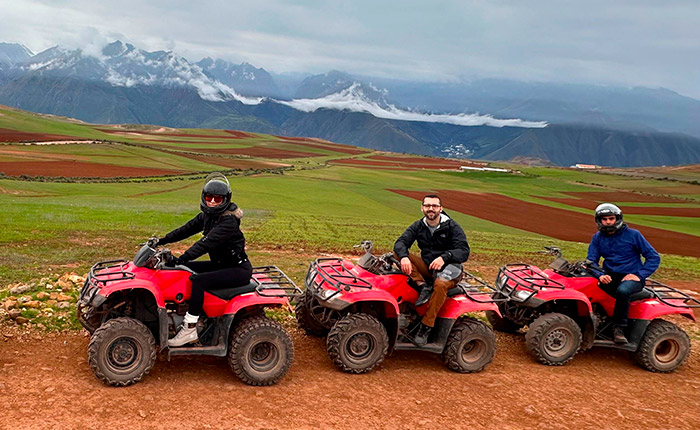
Cusco has pleasant days almost all year and cool nights. The Sacred Valley, being at a lower altitude, is warmer and makes a good base if you prefer milder temperatures.
Machu Picchu
The citadel is located in the cloud forest region, so its climate is warmer and more humid than Cusco’s. Even during the dry season, there may be mist at sunrise, which usually clears by midmorning.
Arequipa
Known as the City of Sunshine, Arequipa has clear skies for most of the year and very little rain, except for a few days between January and March.
Puno and Lake Titicaca
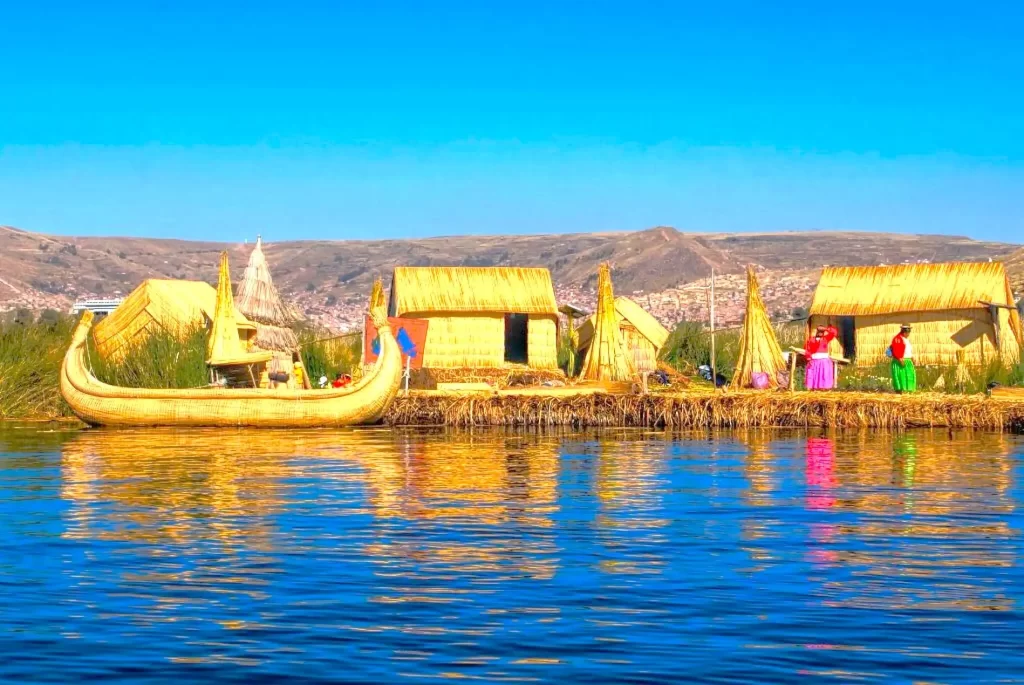
Because of its high altitude, this is the coldest area among the tourist cities of the Andes. Days are sunny and bright, ideal for boat trips on the lake, while nights call for warm clothing.
Huaraz and the Cordillera Blanca
The dry season, from May to September, is the preferred time for mountaineers and hikers who come to explore its lakes and snow-capped mountains.
Monthly Rainfall and Temperature Calendar for Cusco
Cusco is the gateway to Machu Picchu and the main trekking routes in southern Peru, so it’s helpful to know what the weather is like month by month. Temperatures are approximate averages.
| Month | High/Low | Season | Weather Conditions |
|---|---|---|---|
| January | 19°C / 7°C | Rainy | Afternoon rain, green landscapes |
| February | 19°C / 7°C | Rainy | The rainiest month, Inca Trail closed |
| March | 19°C / 7°C | Rainy | Rainfall begins to decrease |
| April | 20°C / 5°C | Transition | More sunny days, fields still green |
| May | 20°C / 3°C | Dry | Clear skies, excellent for hiking |
| June | 19°C / 1°C | Dry | Sunny days, cold nights, Inti Raymi |
| July | 19°C / 0°C | Dry | Peak season, excellent visibility |
| August | 20°C / 2°C | Dry | Sunny with some wind |
| September | 21°C / 4°C | Dry | Warm days, fewer visitors than in July |
| October | 21°C / 5°C | Dry | First occasional showers |
| November | 21°C / 6°C | Rainy | Brief showers, good morning weather |
| December | 20°C / 7°C | Rainy | More frequent rain, festive atmosphere |
Best Months for Trekking in the Peruvian Andes
For multi-day treks, the ideal months are from May to September. During this period, you can take the 5-day Salkantay Trek to Machu Picchu, complete the classic 4-day Choquequirao Trek, or explore the 7 Lakes of Ausangate in one day.
April and October are also good options if you prefer fewer crowds and don’t mind an occasional shower. During the rainy season, shorter day hikes remain a great alternative.
How to Prepare for High-Altitude Weather
The key to enjoying the Andes is being prepared for temperature changes throughout the day.
- Dress in layers that you can easily put on or take off.
- Use sunscreen and sunglasses because UV radiation is more intense at high altitudes.
- Bring a rain poncho or waterproof jacket between November and March.
- Drink water frequently and spend your first day in Cusco resting and acclimatizing.
Frequently Asked Questions About the Climate in the Peruvian Andes
When Does It Rain the Most in Cusco?
January and February are the rainiest months. Even so, rainfall is usually concentrated in the afternoons, so you can take advantage of the mornings for sightseeing.
Does It Get Very Cold in the Peruvian Andes?
Days are mild and sunny, with temperatures around 20°C in Cusco. Nights are cold, especially between June and August, but hotels and a good jacket make it easy to enjoy your visit.
Can You Visit Machu Picchu During the Rainy Season?
Yes, Machu Picchu is open all year. During the rainy season, you’ll find fewer visitors and very green landscapes, and mornings often provide good opportunities to explore the citadel.
Why Does the Inca Trail Close in February?
Every February, the Inca Trail closes for maintenance and conservation work. Machu Picchu remains open that month, and you can reach it by train or via other hiking routes.
What Is the Best Month to Visit Cusco?
May and September are two of the best months: they offer dry weather, sunny days, and fewer visitors than July and August, which are the busiest months.


