

If you think you’ve seen everything in Cusco, think twice. While thousands of tourists line up for the classic photo at Machu Picchu, there is an Inca citadel just as majestic, larger, and wrapped in a mystical silence that very few dare to break.
We are talking about the Choquequirao Trek, one of the most challenging and rewarding hiking routes in South America. Known as the “sacred brother” of Machu Picchu, this archaeological site offers something that is a true luxury today: solitude, wild nature, and a real connection with Andean history. If you are looking for an authentic adventure away from the crowds, this guide is for you.
Why Choose the Choquequirao Trek?
Unlike other routes in Cusco, Choquequirao has no trains or buses to take you to the gate. The only access is by foot, which acts as a natural filter: only true adventurers make it here.
This citadel is perched above the deep Apurimac River canyon, and according to archaeologists, only 30% of the complex has been excavated. By doing the trek, you are not just visiting ruins; you are exploring a lost city trek that still hides secrets beneath the dense vegetation of the cloud forest.
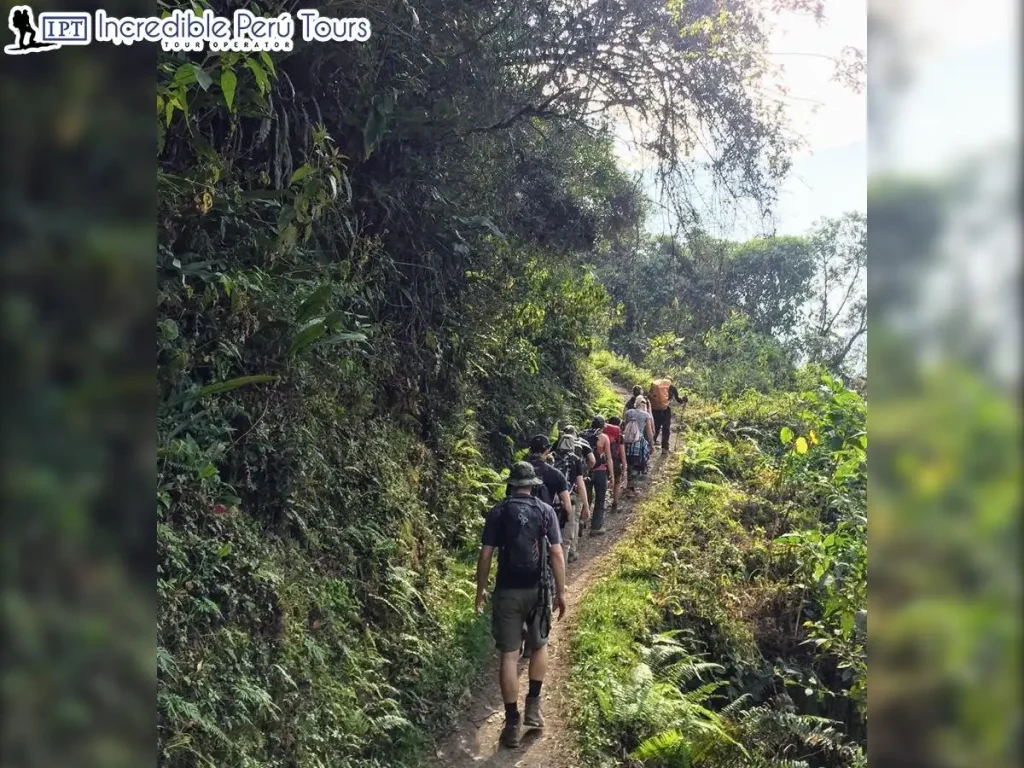
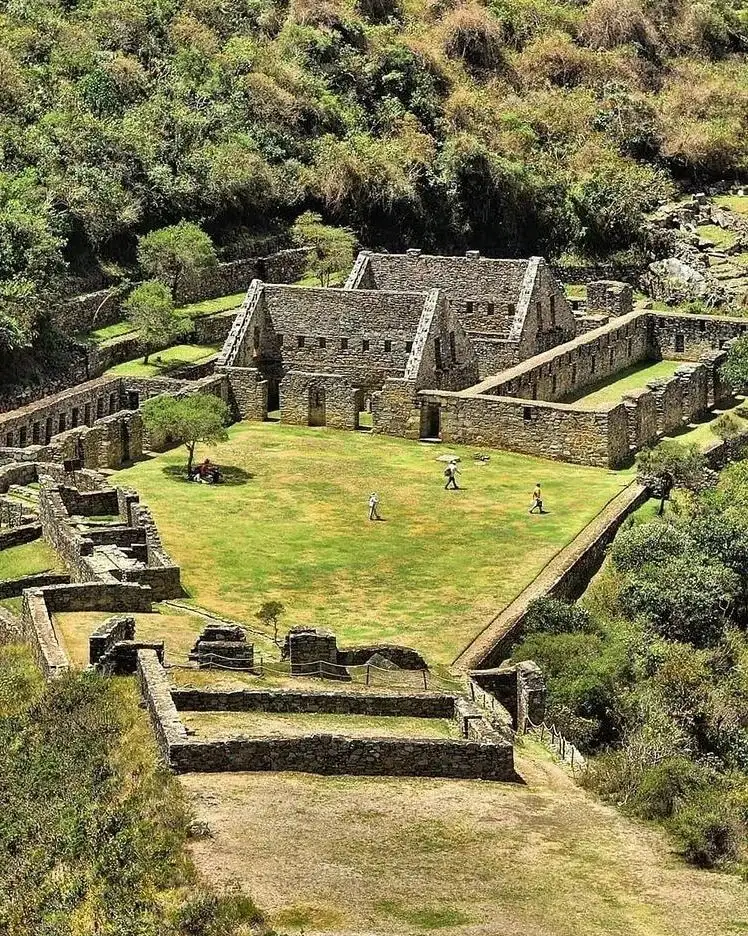
How to get to Choquequirao: The Start of the Adventure
Many travelers wonder how to get to Choquequirao on their own, but the logistics are complex. The adventure generally begins in the city of Cusco, from where you travel by private transport for about 4 hours to the village of Cachora or the Capuliyoc viewpoint.
From Capuliyoc, the road ends and the trail begins. From here, you rely on your legs, mental stamina, and the support of a team of muleteers (mules) to carry the camping equipment.
Classic Itinerary: The 4-Day Route
While there are longer variations that connect to Machu Picchu, the 4-day route is the classic and most popular option to explore the archaeological site in depth. Here is how it is divided:
- Day 1 (The Descent): You start at Capuliyoc with stunning views of the Padreyoc and Wayna Cachora snow-capped peaks. You descend in zig-zags to the bottom of the canyon, reaching Playa Rosalina (1,550 m / 5,085 ft) by the Apurimac River.
- Day 2 (The Ascent): This is the toughest day. You climb a very steep slope to the hamlet of Marampata and finally reach the archaeological complex to watch the sunset.
- Day 3 (Exploration and Return): You visit the Main Plaza, the “Llamas of the Sun” sector, and the terraces. Then, you begin the return by descending back to the river.
- Day 4 (The Final Climb): You ascend from the river back to Capuliyoc, where the challenge ends, and you return to Cusco.
Technical Data: What You Should Know Before You Go
Don’t be fooled by the beautiful photos; this trek requires preparation. Here is the technical sheet to help you evaluate your physical condition:
- Difficulty: High / Challenging (Requires good knees and cardio).
- Total Distance: Approximately 60 km / 37 miles (round trip).
- Maximum Altitude: 3,050 m / 10,006 ft (at the citadel) and 2,900 m / 9,514 ft (at the Capuliyoc pass).
- Minimum Altitude: 1,550 m / 5,085 ft (Apurimac River).
- Elevation Change: The challenge isn’t just the altitude itself, but descending and ascending the canyon twice (a very heavy accumulated elevation gain).
- Climate: Warm during the day (due to the canyon) and cool at night.
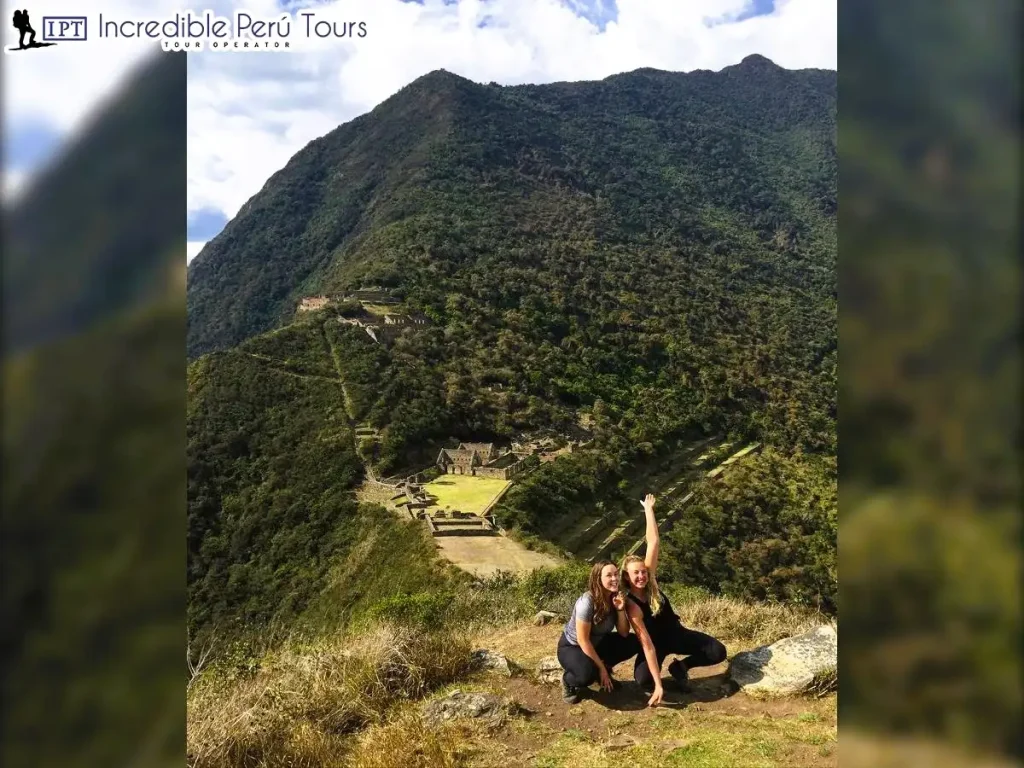
When is the Best Time to Travel?
The best season for the Choquequirao Trek is during the dry season, which runs from April to October.
- May to August: These are the best months. The sky is clear blue and the views are incredible, although nights can be cold.
- January to March: Not recommended due to heavy rains that can cause landslides on the trail and river flooding.
Expert Advice: Tips from Incredible Peru Tours
As a local agency expert in non-conventional routes, here are those tips that don’t always appear in tourist guides:
- Trekking Poles are Mandatory: They are not an accessory; they are a necessity. The descent to the Apurimac River is long and steep; your knees will thank you for the extra support.
- Beware of the “False Flat”: The route is visually deceiving. Be mentally prepared for constant climbs under the sun.
- Powerful Repellent: Being near the river and in the cloud forest, the mosquitoes are fierce. Bring repellent with a high DEET percentage and wear lightweight long pants.
- Smart Hydration: The canyon is hot. You will need at least 2 to 3 liters of water per day. We take care of providing boiled and filtered water at the campsites.
- Stair Training: Before you come, don’t just run on flat ground. Train by going up and down stairs to get your muscles used to the type of terrain you will find.
Conclusion
The Choquequirao Trek is not for everyone, and that is exactly what makes it special. It is a route for those seeking to push their own limits and discover Inca history in its purest and wildest state. Reaching the top and seeing the flight of the condor over the lonely ruins is a reward you will carry in your soul forever.


